


Primary sourcePainting1628
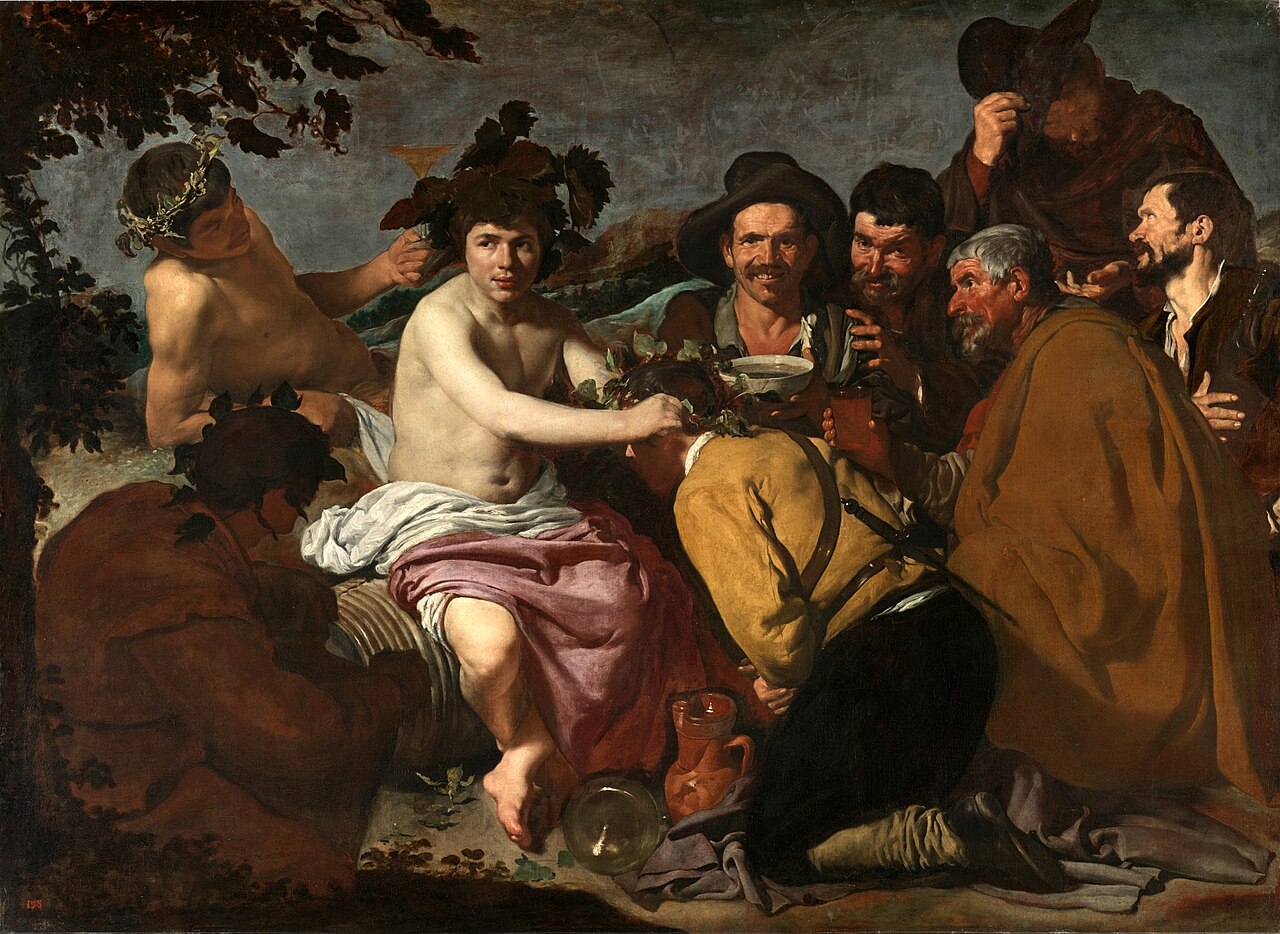
The Triumph of Bacchus
Diego Velázquez · 1628
Velázquez's first mythological painting, showing the wine god Bacchus among contemporary Spanish drunkards, also known as Los Borrachos.
Velázquez's first mythological commission for Philip IV, showing his early realist approach before he travelled to Italy.
About this source
What it is
Painted by Diego Velázquez in 1628 for King Philip IV, who paid him 100 ducats for it, this work is now in the Museo del Prado. It is popularly known as Los Borrachos, 'The Drunks'.
Why it matters
Rather than giving Bacchus a grand classical setting, Velázquez surrounded him with men dressed as poor 17th-century Spaniards drinking and celebrating. Only Bacchus and one companion wear the loose robes typical of mythological painting; the rest look like real street figures. This realist approach to a classical subject, influenced by painters like Caravaggio and Ribera, shows how Velázquez reshaped grand mythology into something close to everyday Spanish life, an approach he developed further after studying the king's Italian paintings.
Look closer
- How does Velázquez use clothing and lighting to separate Bacchus from the other men?
- What might this mixture of myth and ordinary life have meant to Spanish viewers at the time?
- Why do you think later artists like Goya copied this painting?
This painting is part of the curated material that grounds the AI version of Diego Velázquez on Humy.ai — when students ask about related events, the AI can quote it and cite it.
More Diego Velázquez sources
Browse all 98 →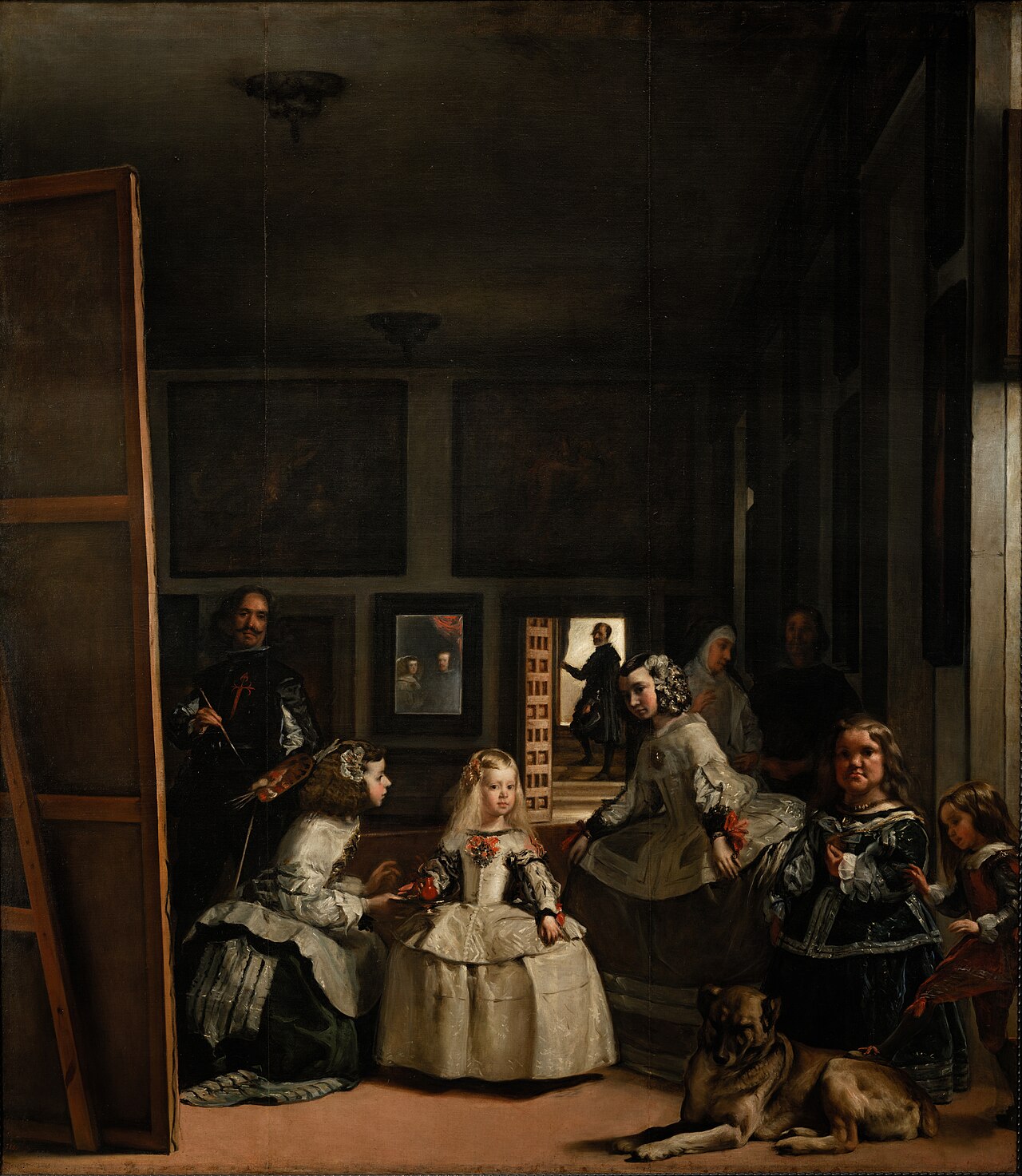 Painting
Primary source
Las Meninas
Diego Velázquez · 1656
 Painting
Primary source
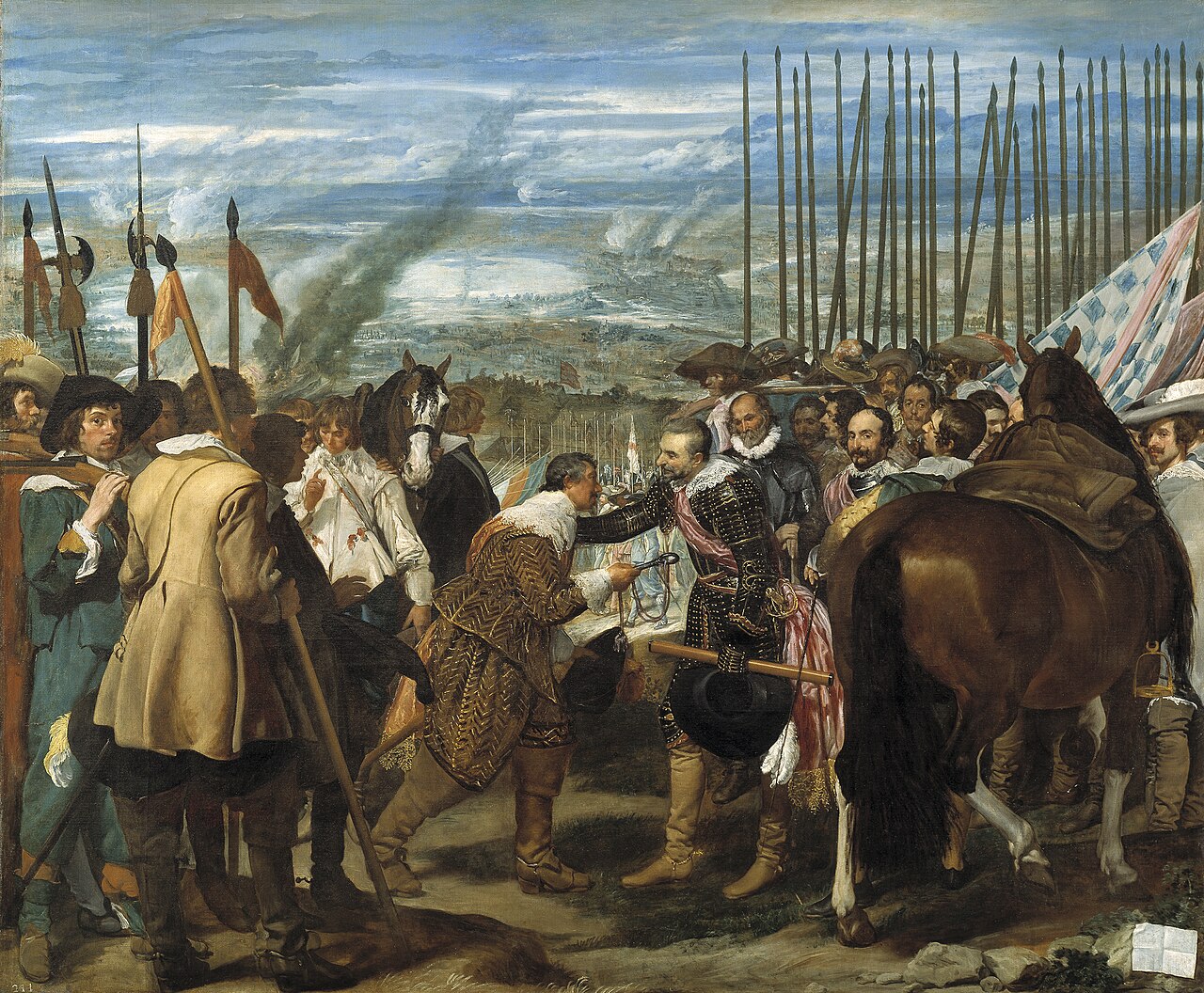
The Surrender of Breda
Diego Velázquez · 1634–1635
 Painting
Primary source
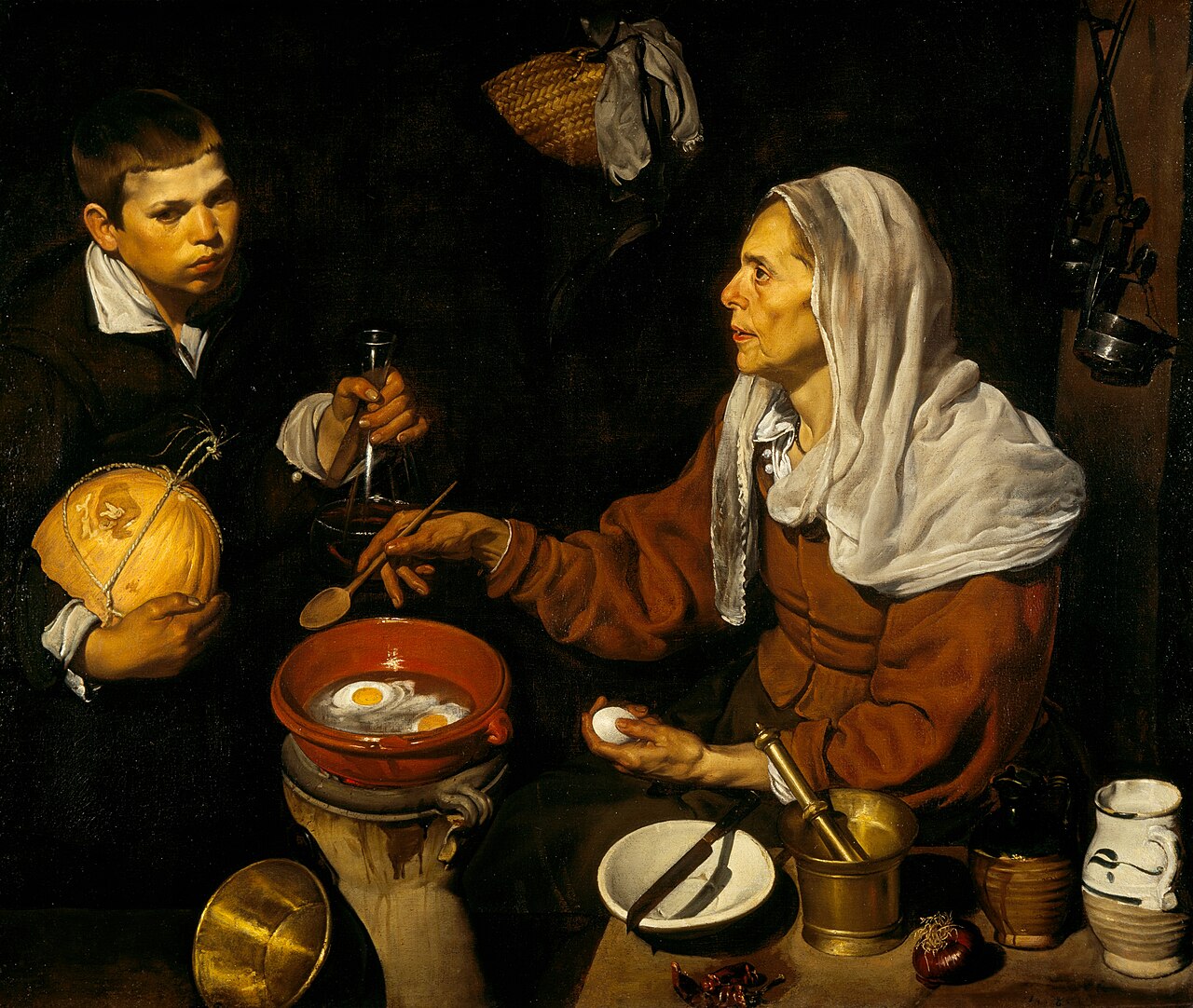
Old Woman Cooking Eggs
Diego Velázquez · c. 1618
 Painting
Primary source
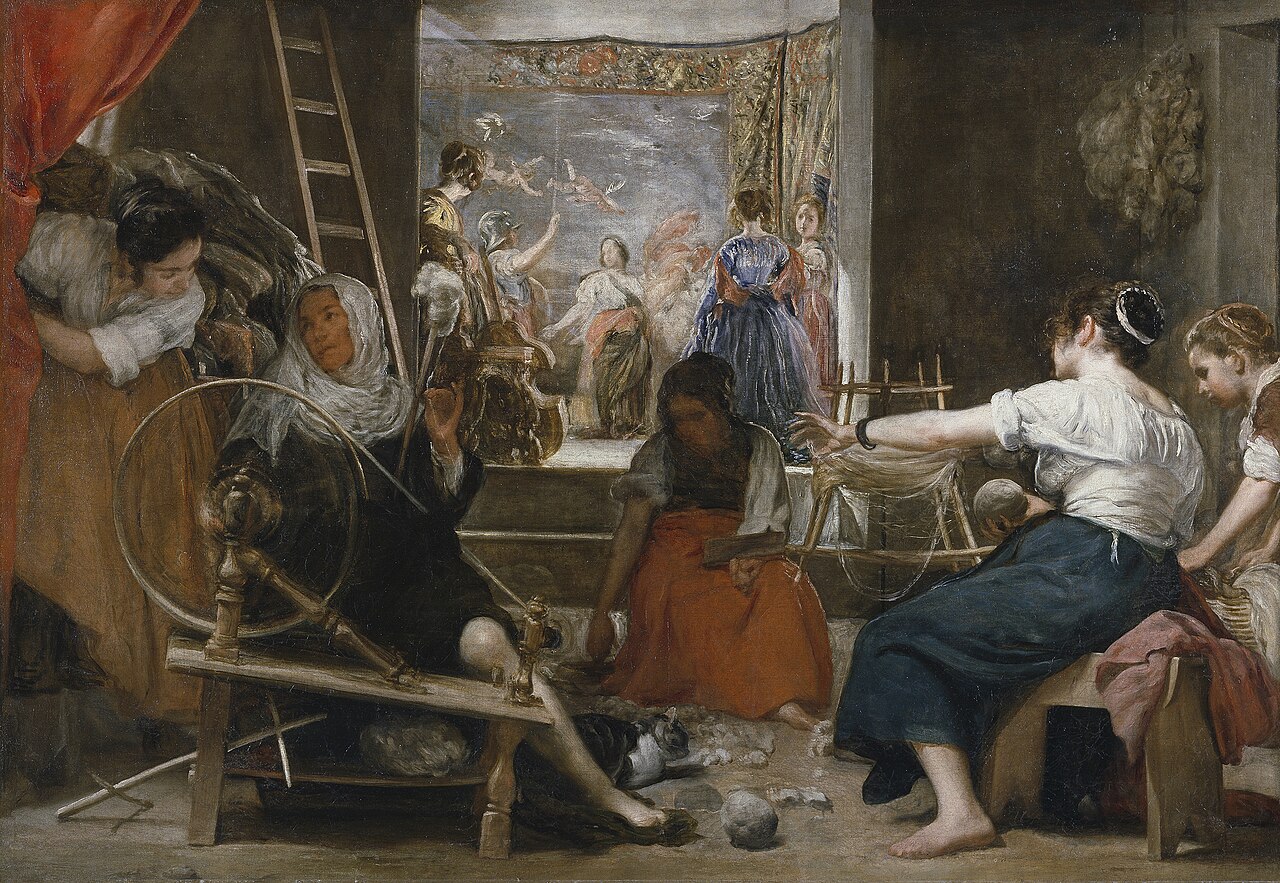
Las Hilanderas
Diego Velázquez · c. 1655–1658
Free account
Read every Diego Velázquez source
Sign up free →
Ready when you are
Start chatting with Diego Velázquez now.
20 messages free · No credit card · Available in 50+ languages.