


Primary sourceBook1490
The Triumph of Bacco and Arianna
Lorenzo de' Medici · 1490
A carnival song written by Lorenzo de' Medici, opening with the famous line 'Quant'è bella giovinezza,' celebrating youth and pleasure.
This is Lorenzo de' Medici's own most famous poem, written by him for Florentine carnival celebrations.
Free Humy account · No credit card · 120,912 sources to read
About this source
What it is
This is a poem, a type of carnival song, written by Lorenzo de' Medici in 1490. It begins with the well-known line "Quant'è bella giovinezza" ("How beautiful youth is"), describing figures from classical myth, Bacchus and Ariadne, enjoying themselves.
Why it matters
Lorenzo was not only a political leader of Florence but also a poet who wrote for public festivals. This song is his most famous piece of verse and captures the "carpe diem" (seize the day) spirit that was fashionable in Renaissance Florence, where Lorenzo himself helped organize elaborate carnival celebrations.
Look closer
- Why might a powerful political leader also write popular songs for public festivals?
- What does the poem's message about enjoying youth and the uncertainty of tomorrow tell us about attitudes in Renaissance Florence?
- How might this song have been performed, and to whom?
This book is part of the curated material that grounds the AI version of Lorenzo de' Medici on Humy.ai — when students ask about related events, the AI can quote it and cite it.
More Lorenzo de' Medici sources
Browse all 93 →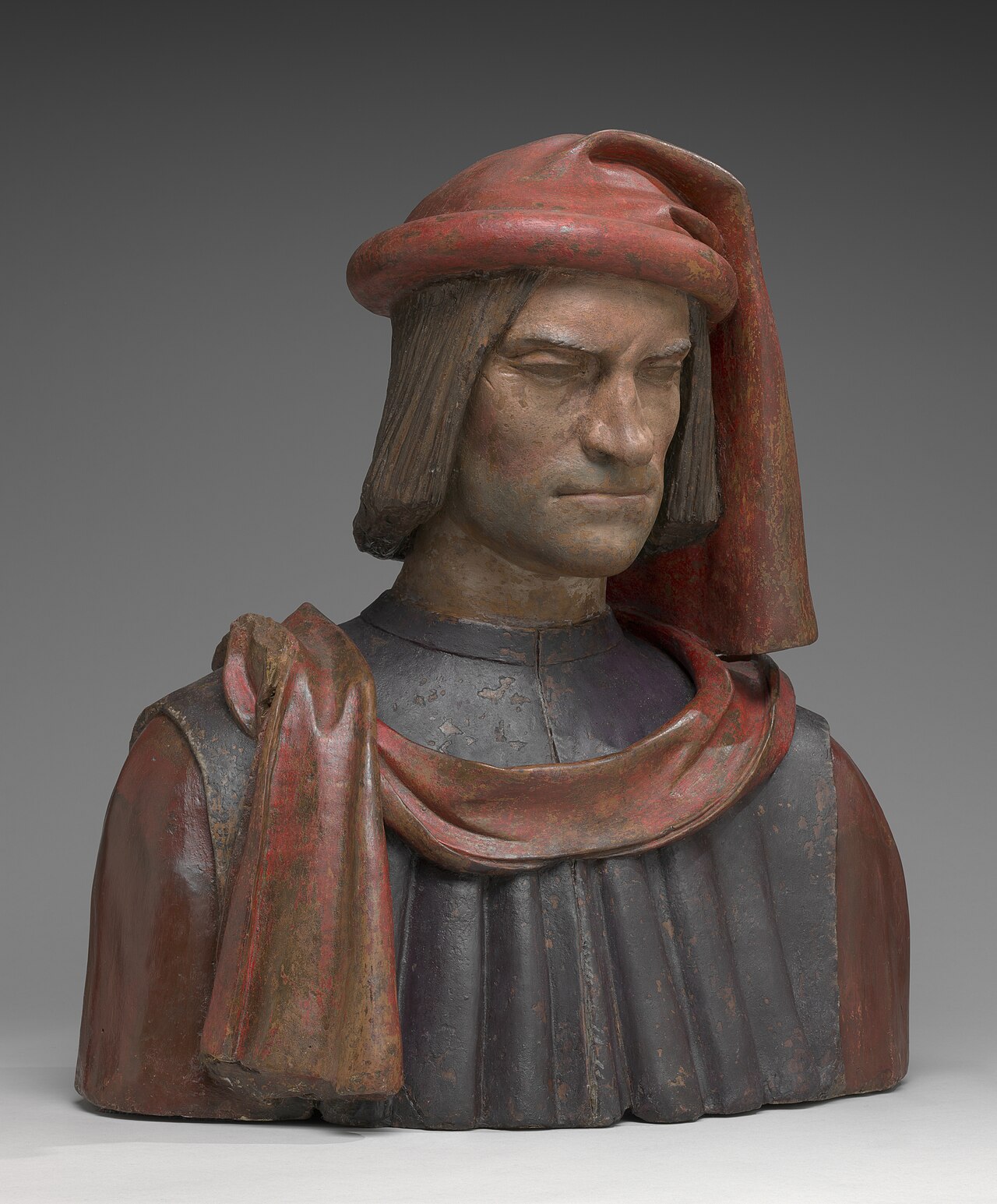 Sculpture
Secondary source
Bust of Lorenzo de' Medici
Circle of Andrea del Verrocchio · c. late 15th century (museum record dated 2000)
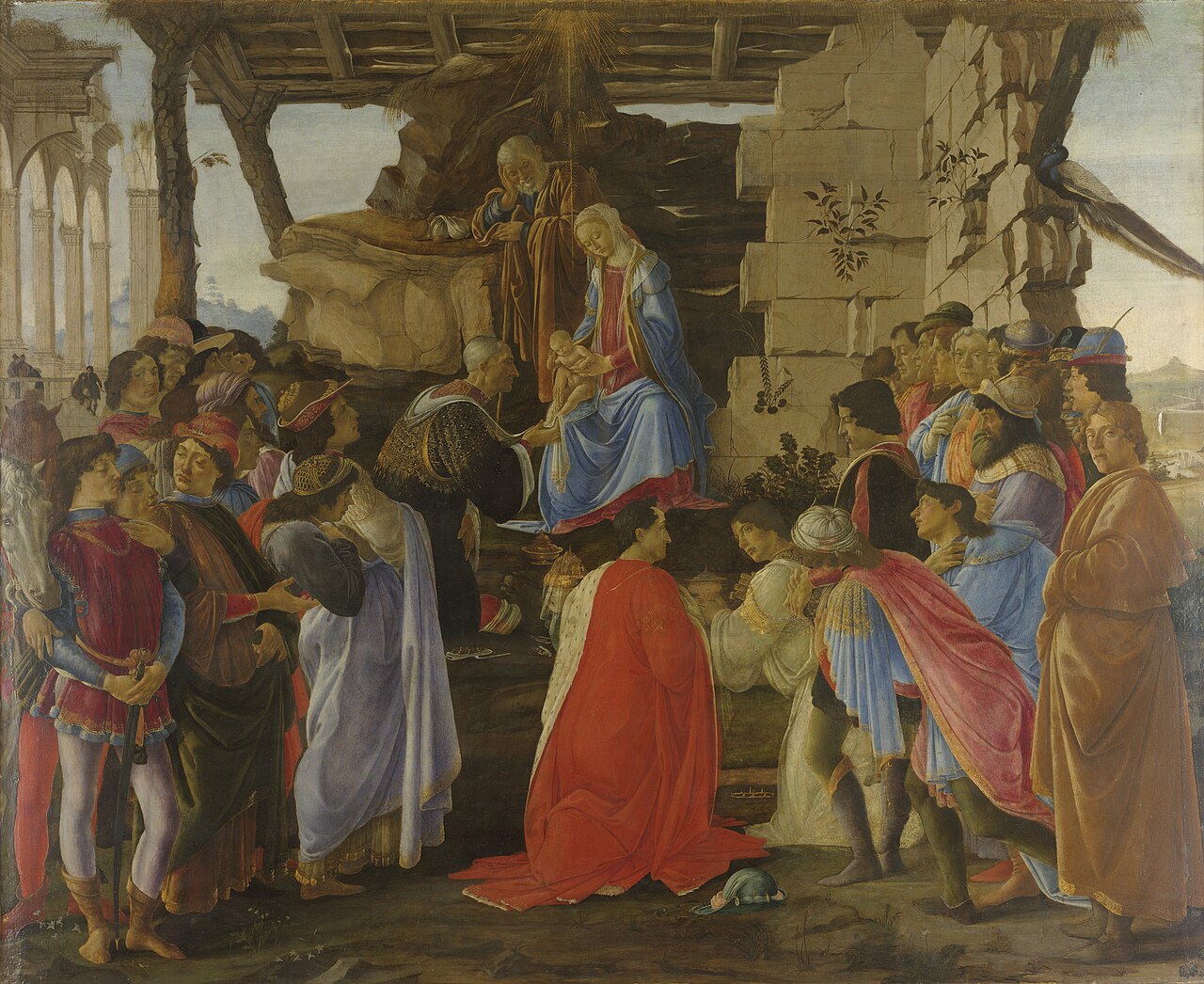 Painting
Primary source
Adoration of the Magi
Sandro Botticelli · c. 1475
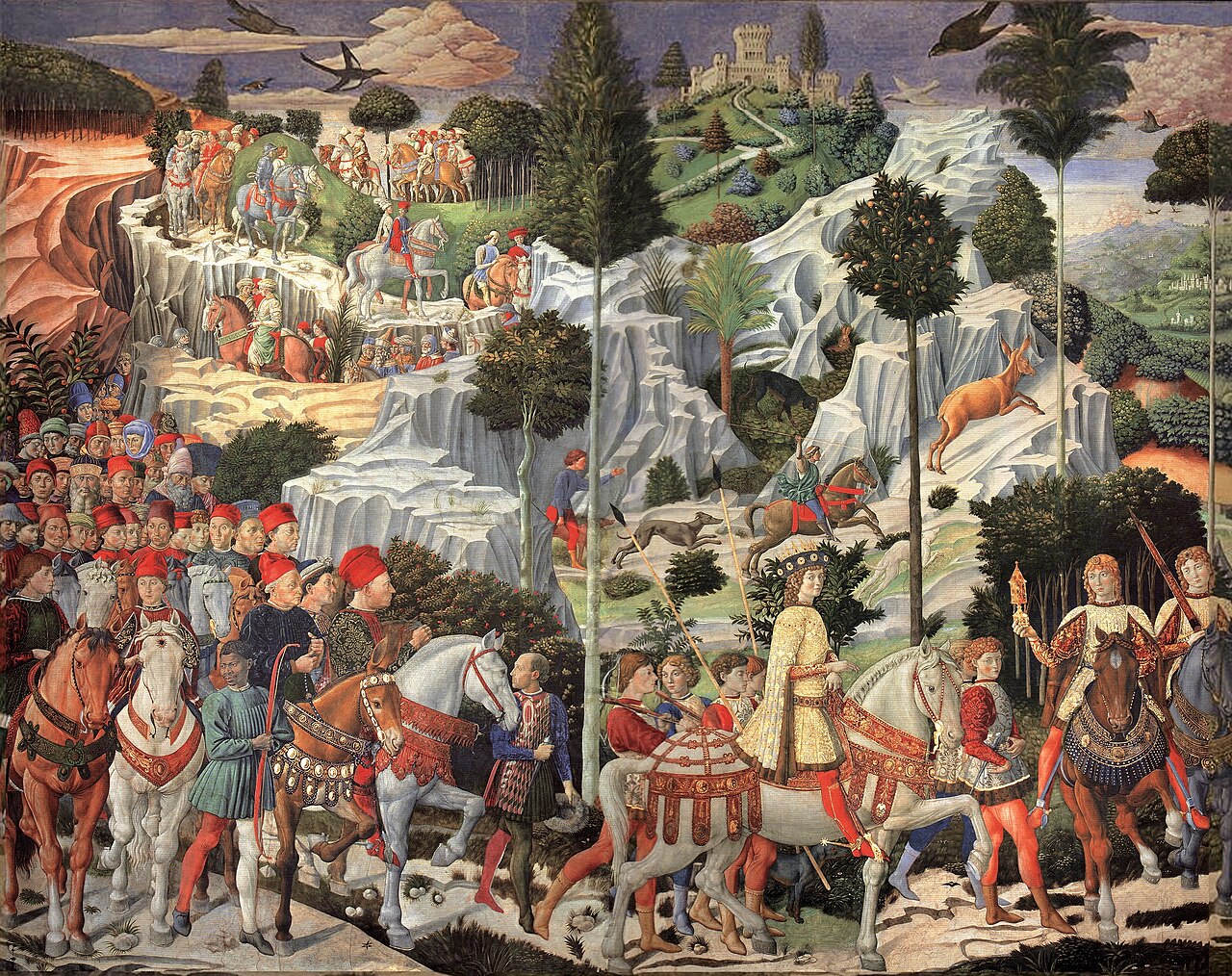 Painting
Primary source
Procession of the Youngest King
Benozzo Gozzoli · c. 1459
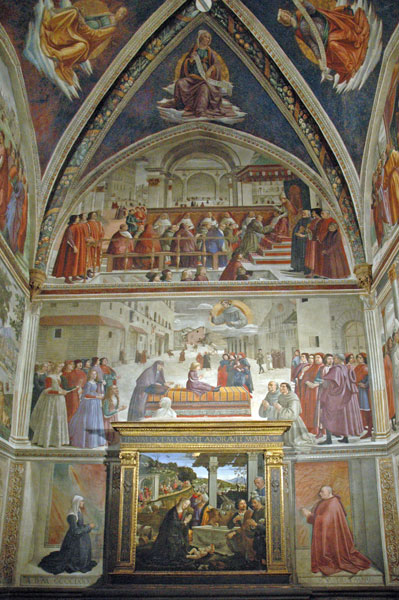 Painting
Primary source
Sassetti Chapel frescoes
Domenico Ghirlandaio · c. 1483-1486
Free account
Read every Lorenzo de' Medici source
Sign up free →
Ready when you are
Start chatting with Lorenzo de' Medici now.
20 messages free · No credit card · Available in 50+ languages.