


Primary sourcePainting1794
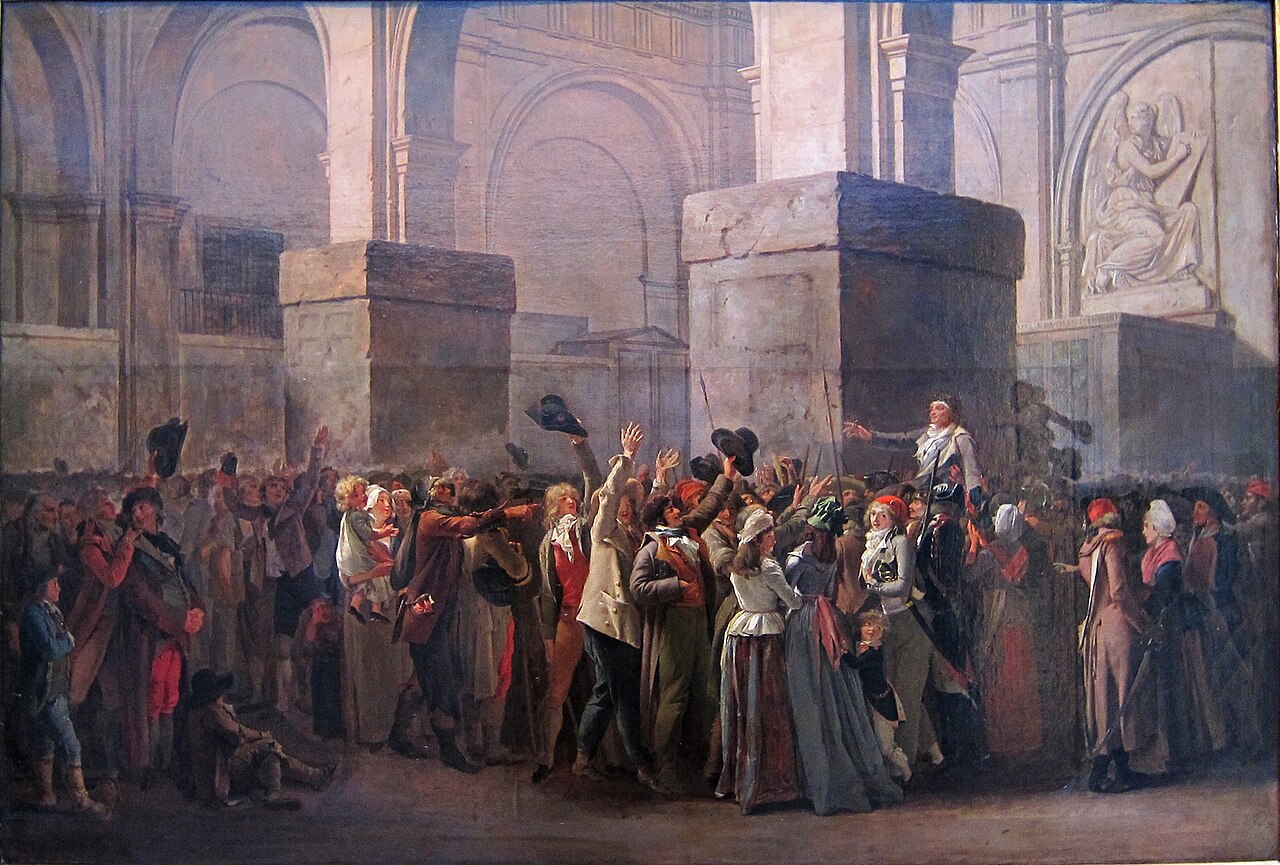
The Triumph of Marat
Louis-Léopold Boilly · 1794
A 1794 painting showing Marat being carried by a cheering crowd after his acquittal by the Revolutionary Tribunal in April 1793.
Shows Marat celebrated by a crowd after his acquittal, evidence of his popularity shortly before his assassination.
About this source
What it is
This oil-on-canvas painting was made by Louis-Léopold Boilly in 1794. It shows the moment on 24 April 1793 when Marat was acquitted by a Revolutionary Tribunal after being accused of insurrection against the Girondins. The crowd of supporters carries him through a grand hall. It is held today by the Palais des Beaux-Arts de Lille.
Why it matters
This is a rare contemporary image of Marat's popularity among ordinary Parisians, the sans-culottes, who saw him as their champion. Boilly painted it after being accused of making anti-republican art, so the painting was also his way of showing loyalty to the Revolution. A few months after this event, Marat was assassinated by Charlotte Corday, which helps explain why this joyful scene feels so different from his later image as a martyr.
Look closer
- What does the crowd's behaviour tell you about how people felt about Marat?
- Why might Boilly have chosen this particular moment to paint?
- What does the painting leave out about the dangers and divisions of the time?
This painting is part of the curated material that grounds the AI version of Jean-Paul Marat on Humy.ai — when students ask about related events, the AI can quote it and cite it.
More Jean-Paul Marat sources
Browse all 87 →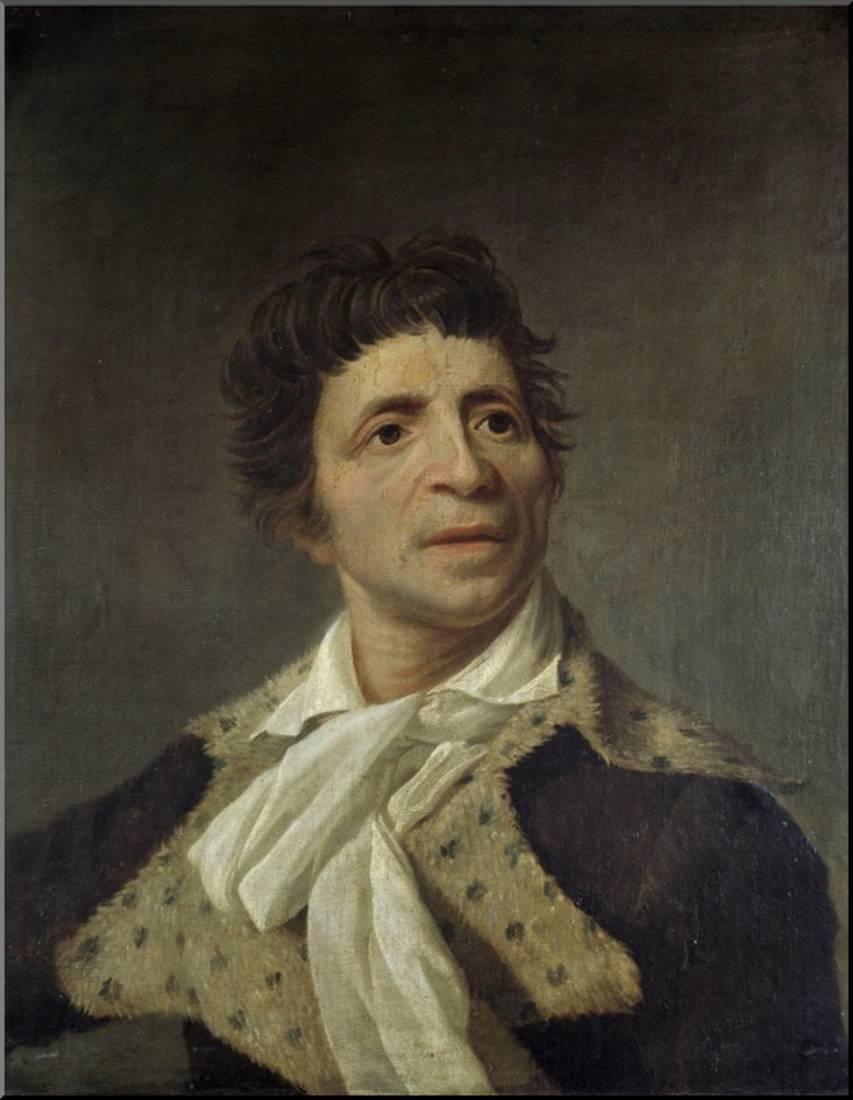 Painting
Primary source
Portrait of Jean-Paul Marat
Joseph Boze · 1793
 Painting
Primary source
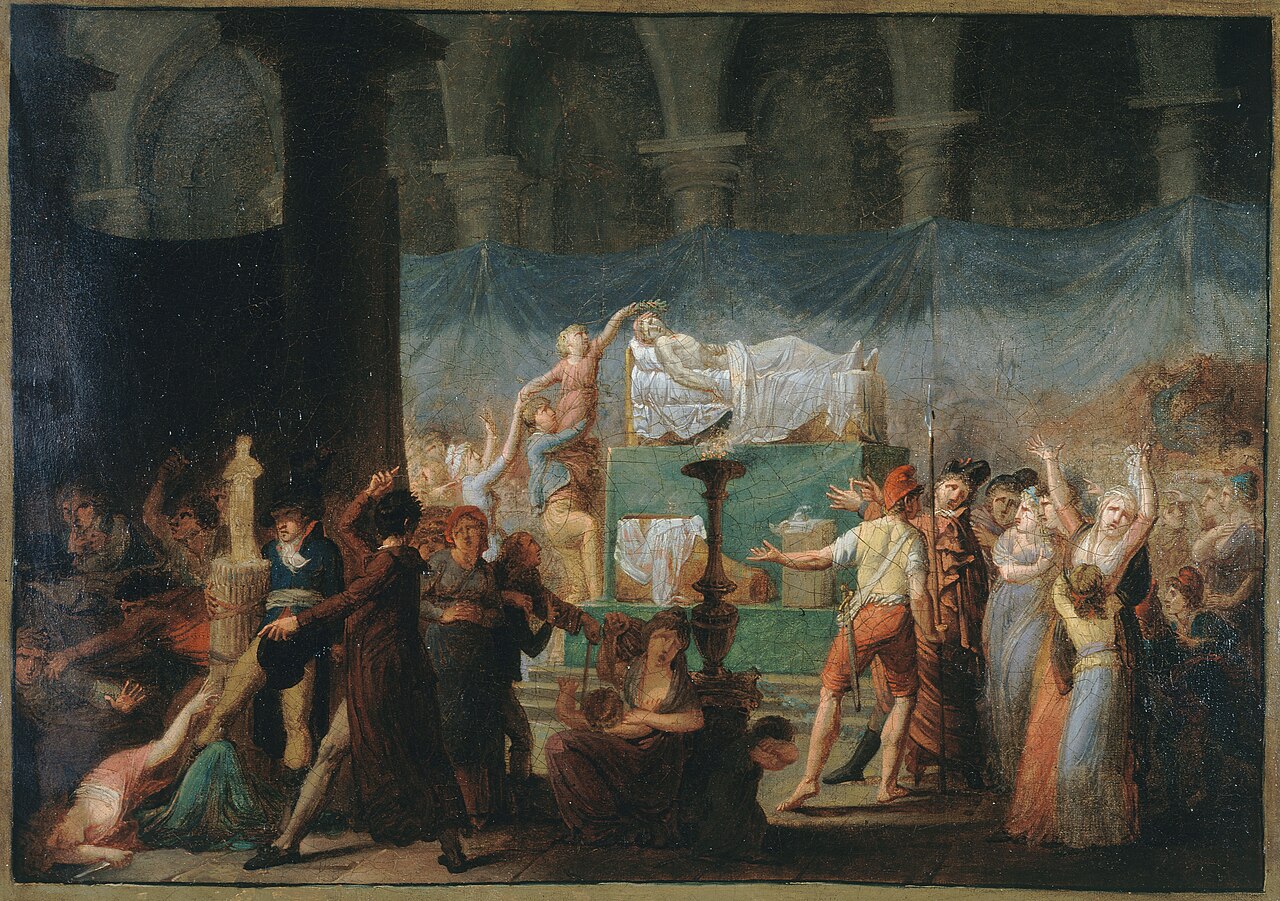
Funeral of Marat, at the Cordeliers Church, July 15 and 16, 1793
Fougeat · 1793
 Document
Primary source
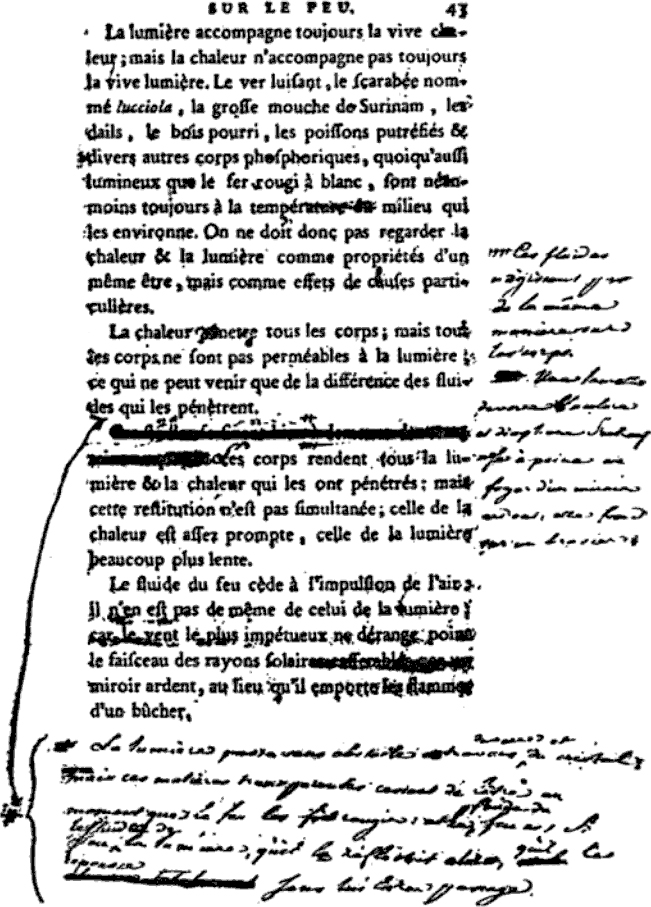
Proof Page of Recherches physiques sur le feu
Jean-Paul Marat
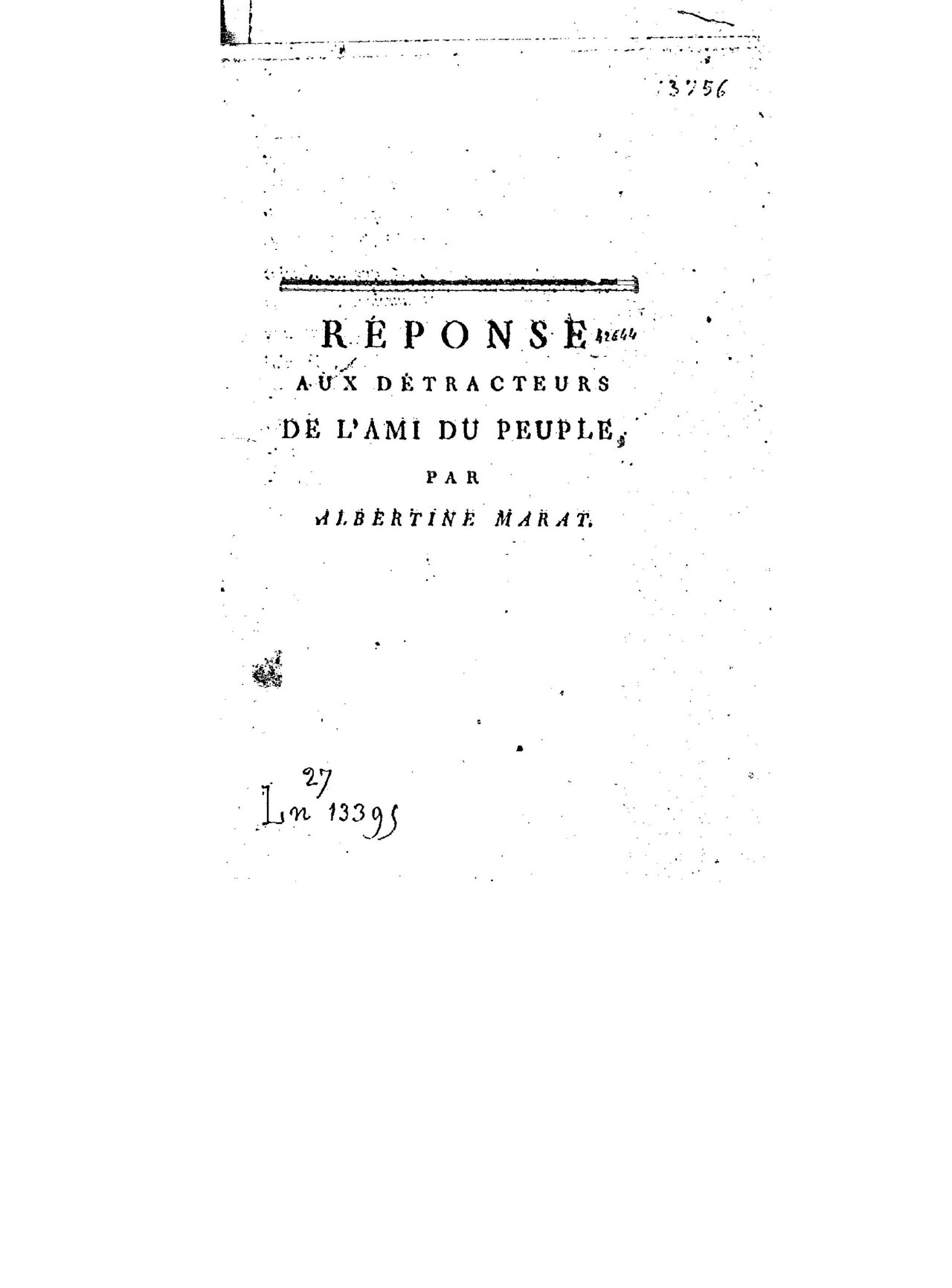 Document
Primary source
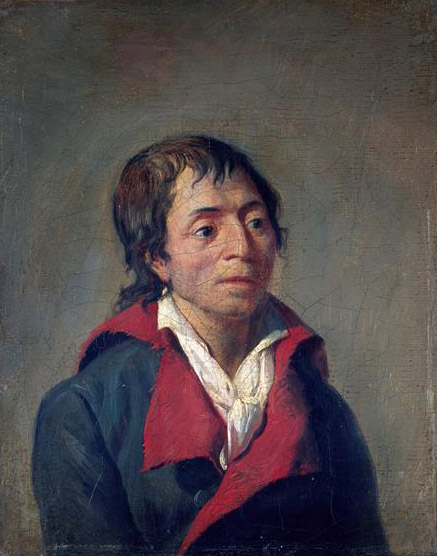
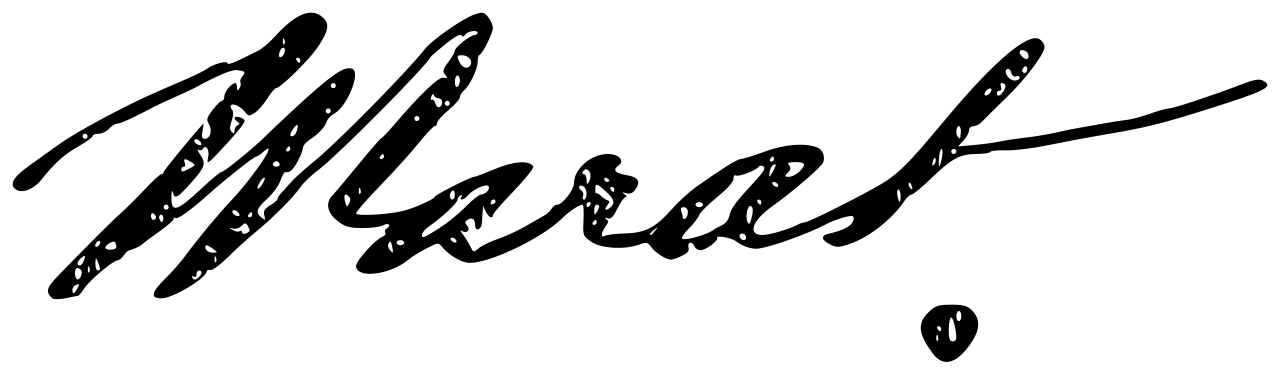
Réponse aux détracteurs de l'Ami du Peuple
Charlotte Albertine Marat · 1793
Free account
Read every Jean-Paul Marat source
Sign up free →
Ready when you are
Start chatting with Jean-Paul Marat now.
20 messages free · No credit card · Available in 50+ languages.