


Secondary sourceArtifactlate 15th century
The Triumph of Titus
late 15th century
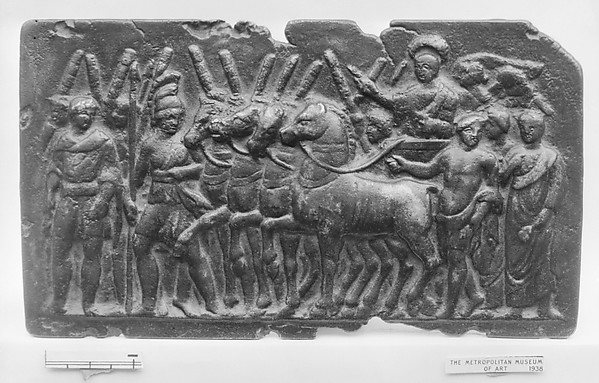
A late 15th-century bronze plaquette showing a procession in Titus's triumph. It is an imagined later depiction of the emperor's celebration, not an eyewitness record.
Shows a later imagined scene of Titus's triumph, so it reflects how Titus was remembered by later makers rather than his own time.
About this source
What it is
This is a bronze plaquette, a small relief plaque, showing a triumphal procession. The Metropolitan Museum of Art describes it as having a brown-greenish patina and gives it a late 15th-century date. The museum's photograph shows a bull led by figures with raised poles, a standing man in a tunic, and draped figures on the right. The object came to the museum through the Rogers Fund in 1938.
Why it matters
Titus's triumph was a celebration of Roman military victory. Renaissance makers in the late 15th century looked back to ancient Rome and made their own images of its emperors. This plaquette shows what later artists imagined of Titus and his era, rather than how it was actually recorded at the time.
Look closer
- Who or what do you see in the procession, and what roles might they play?
- Why might a 15th-century maker choose to show a triumph from ancient Rome?
- What does the scene leave out about the people who lived under Roman rule?
This artifact is part of the curated material that grounds the AI version of Titus on Humy.ai — when students ask about related events, the AI can quote it and cite it.
More Titus sources
Browse all 98 →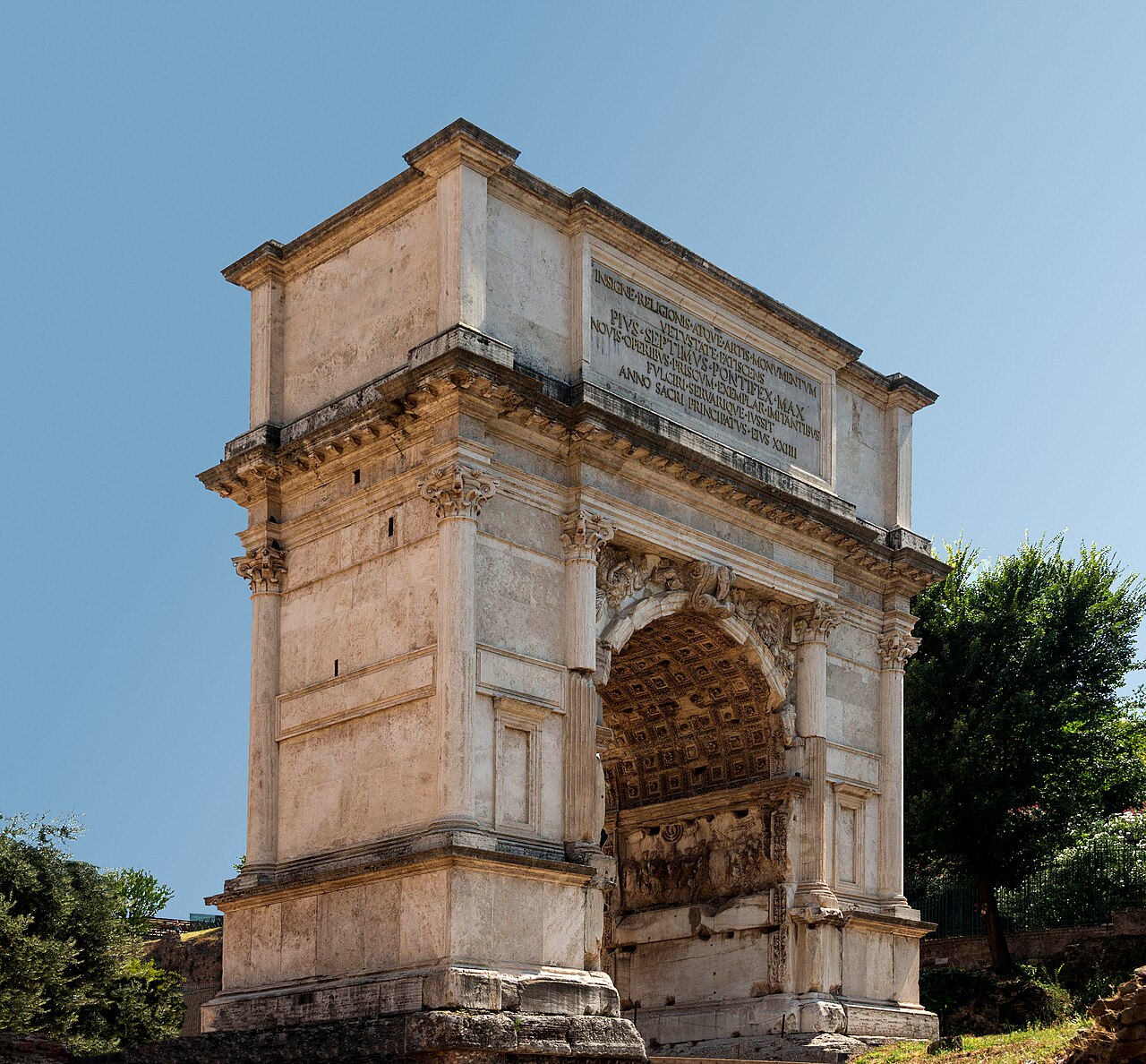 Artifact
Primary source
Arch of Titus
Rabirius · c. 81–82 AD
 Sculpture
Secondary source
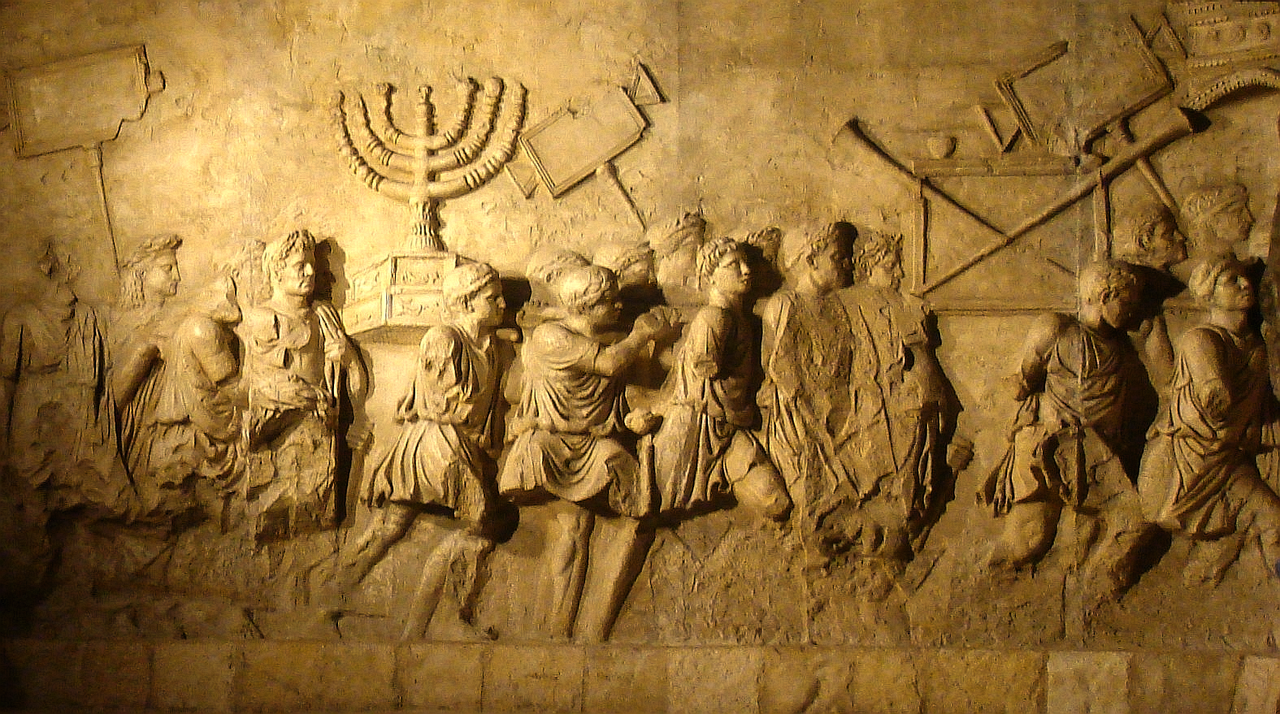
Spoils of Jerusalem Relief (Menorah Panel)
Roman sculptors under Domitian · c. 81–82 AD
 Book
Secondary source
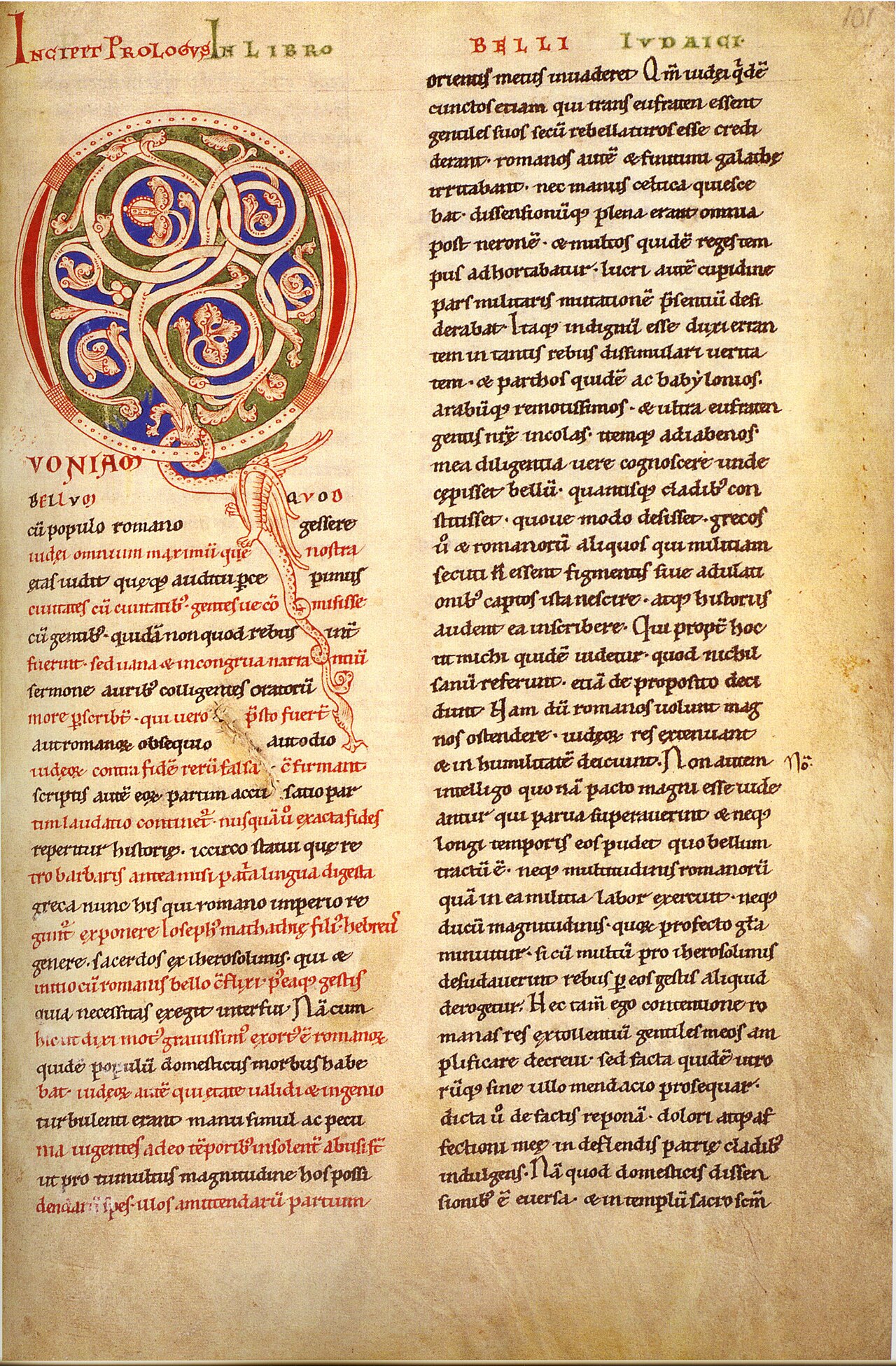
The Jewish War
Josephus · c. AD 75
 Artifact
Primary source
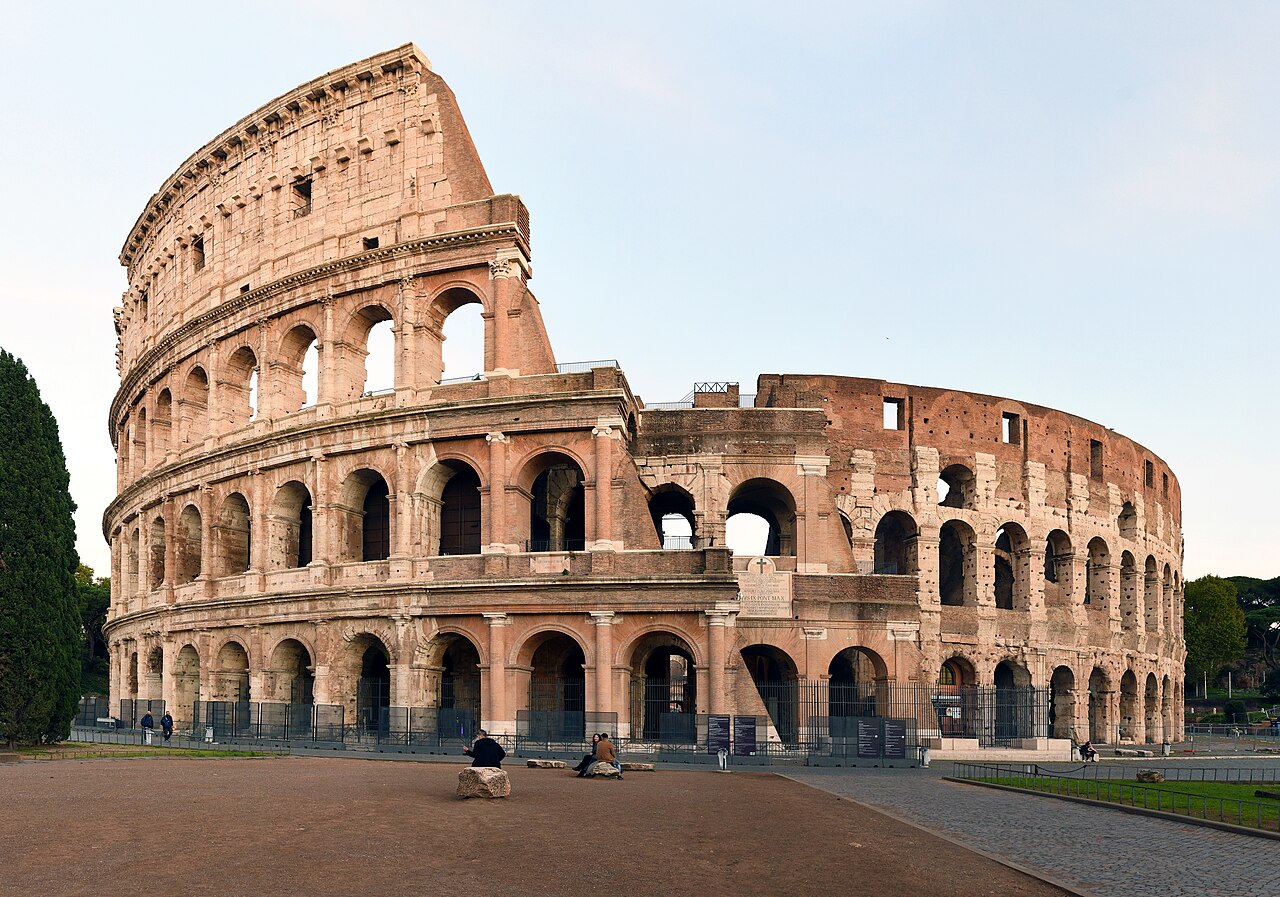
Colosseum
begun 72 AD, completed 80 AD
Free account
Read every Titus source
Sign up free →
Ready when you are
Start chatting with Titus now.
20 messages free · No credit card · Available in 50+ languages.