


Primary sourcePainting1623
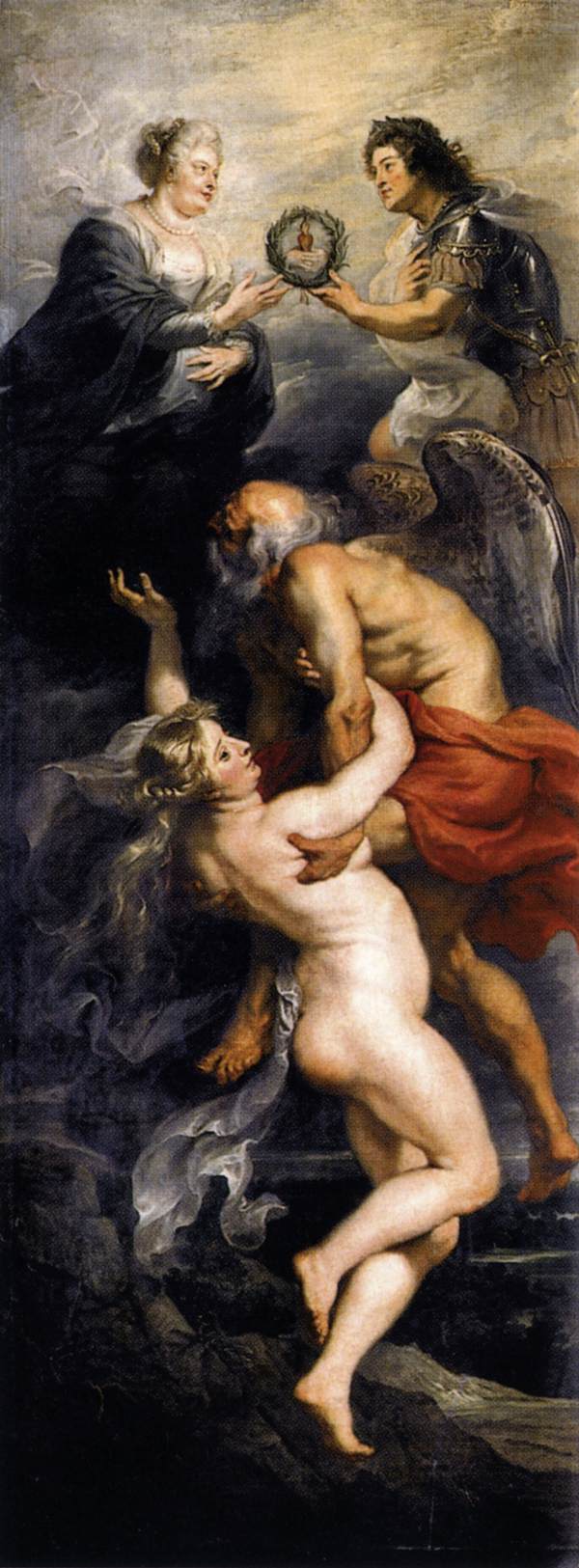
The Triumph of Truth
Peter Paul Rubens · 1623
The final painting of Rubens' Marie de' Medici cycle, showing mother and son reconciled under the figure of Truth.
Commissioned by Marie de' Medici as the closing statement of her cycle, showing reconciliation with her son.
About this source
What it is
This painting by Peter Paul Rubens, made in 1623, is the closing scene of a cycle on the life of Marie de' Medici, held today in the Louvre.
Why it matters
It shows Marie reconciled with her son, Louis XIII, under an allegory of Truth rising to heaven. This was the political message Marie wanted her commissioned cycle to end on — that despite years of conflict, mother and son were united.
Look closer
- Why might Marie want her relationship with Louis XIII to end on a note of reconciliation?
- What does the nude figure of Truth being lifted upward represent?
- How does this final image try to settle the story of her earlier conflicts shown elsewhere in the cycle?
This painting is part of the curated material that grounds the AI version of Marie de' Medici and Peter Paul Rubens on Humy.ai — when students ask about related events, the AI can quote it and cite it.
More Marie de' Medici sources
Browse all 96 →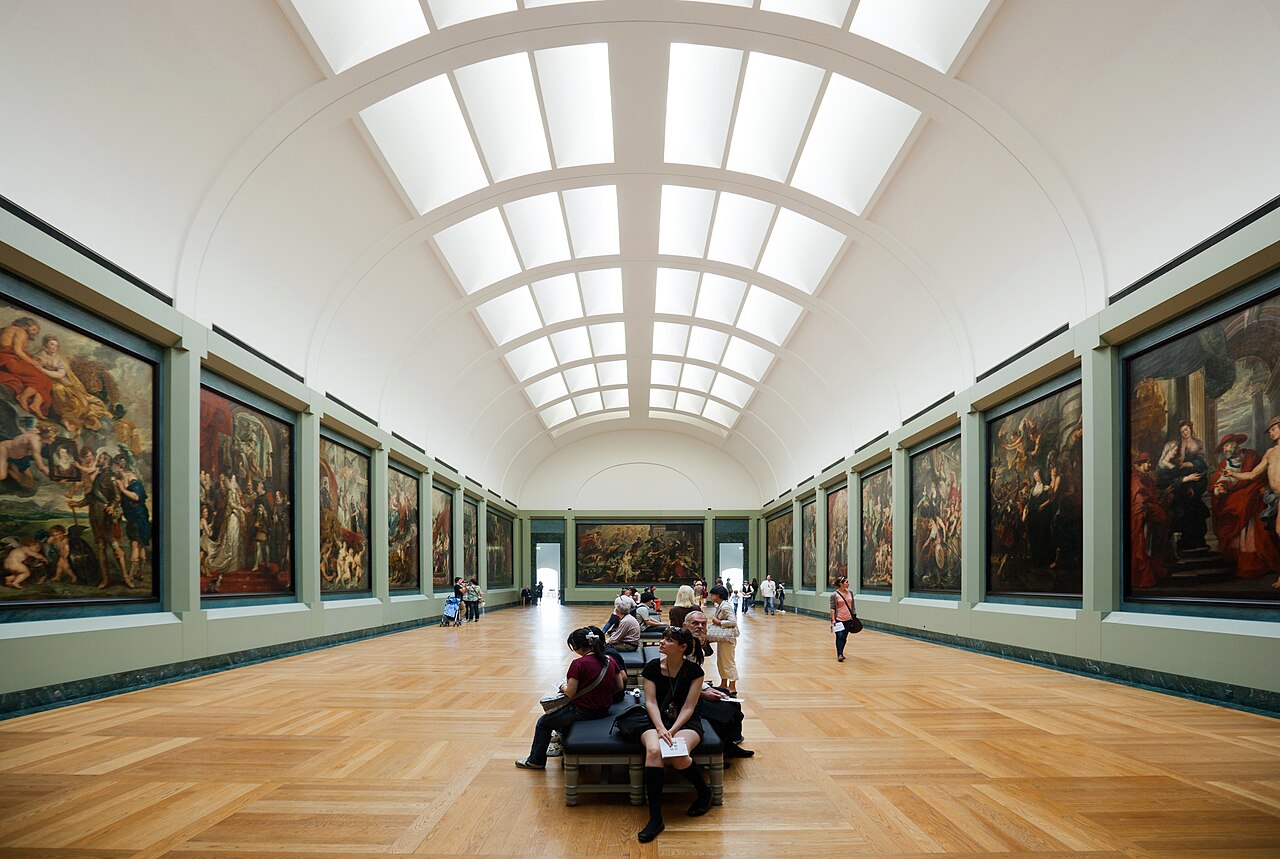 Painting
Primary source
Marie de' Medici Cycle
Peter Paul Rubens · 1622-1625
 Artifact
Primary source
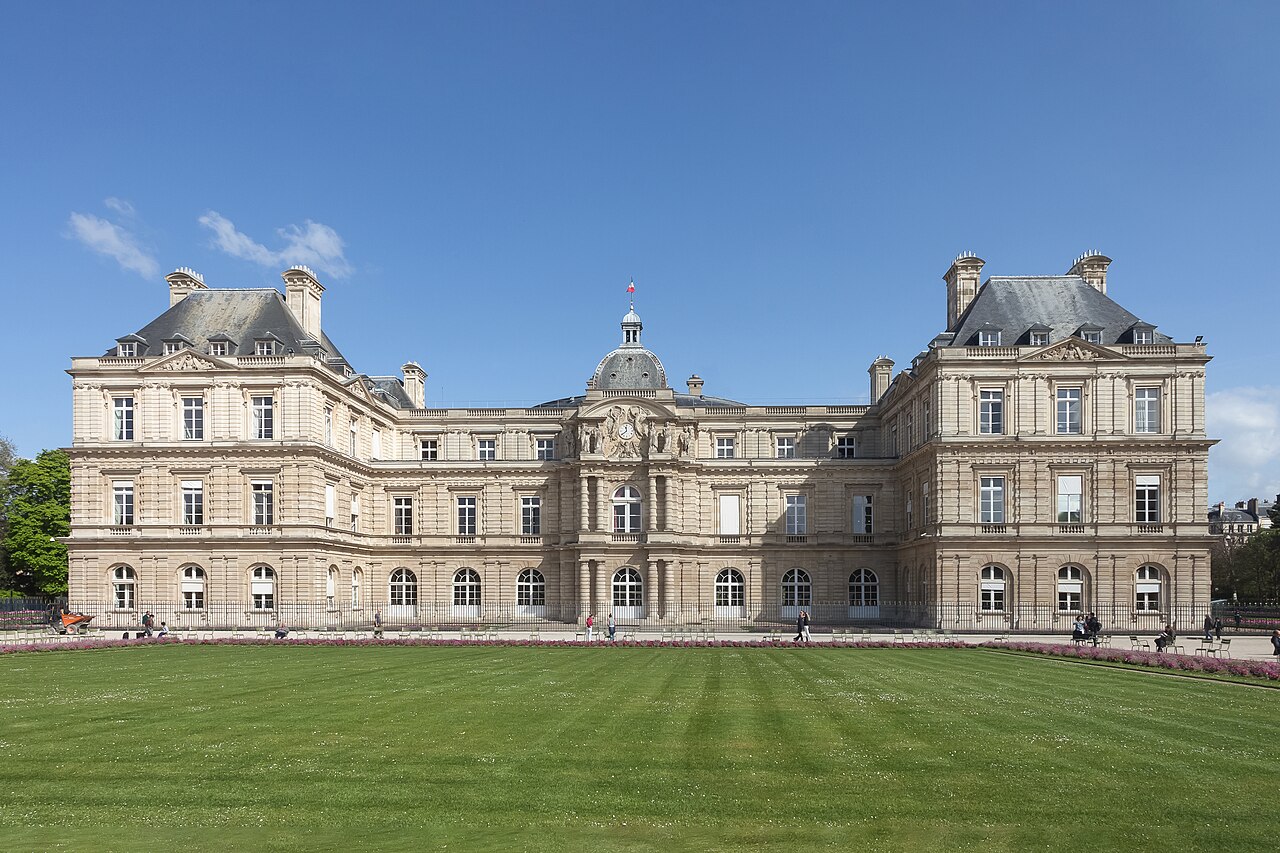
Luxembourg Palace
Salomon de Brosse · 1615-1645
 Painting
Primary source
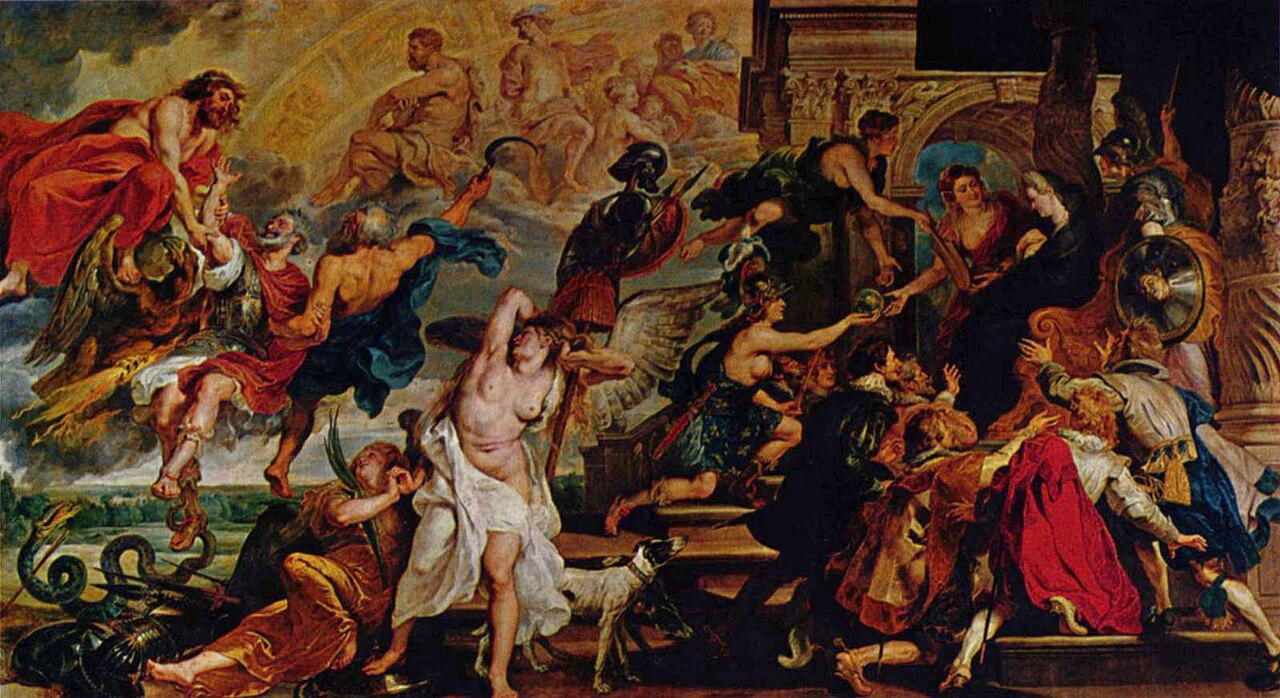
The Apotheosis of Henri IV and the Proclamation of the Regency of Marie de Médicis
Peter Paul Rubens · 1623
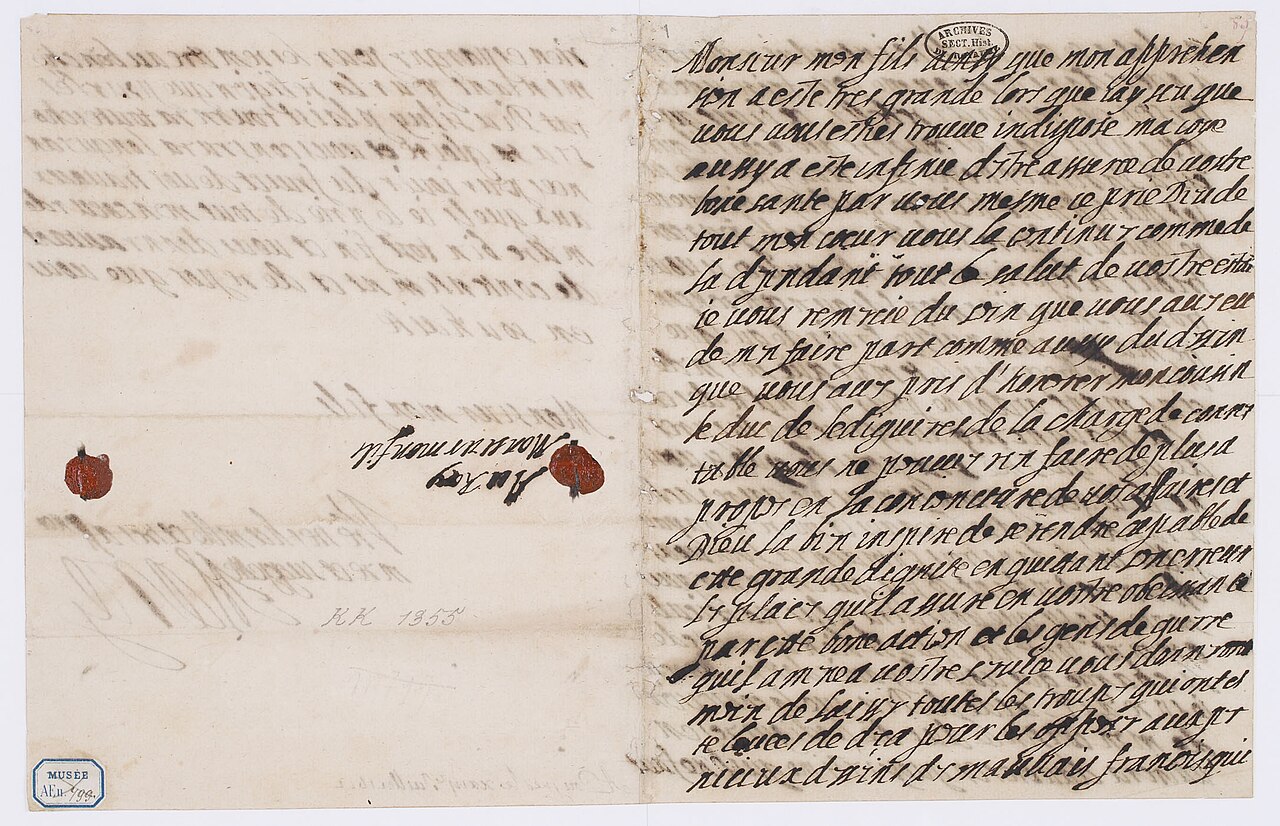 Letter
Primary source
Letter from Marie de' Medici to Louis XIII
Marie de' Medici · 23 July 1622
Free account
Read every Marie de' Medici source
Sign up free →
Ready when you are
Start chatting with Marie de' Medici now.
20 messages free · No credit card · Available in 50+ languages.