


Primary sourceBook1700
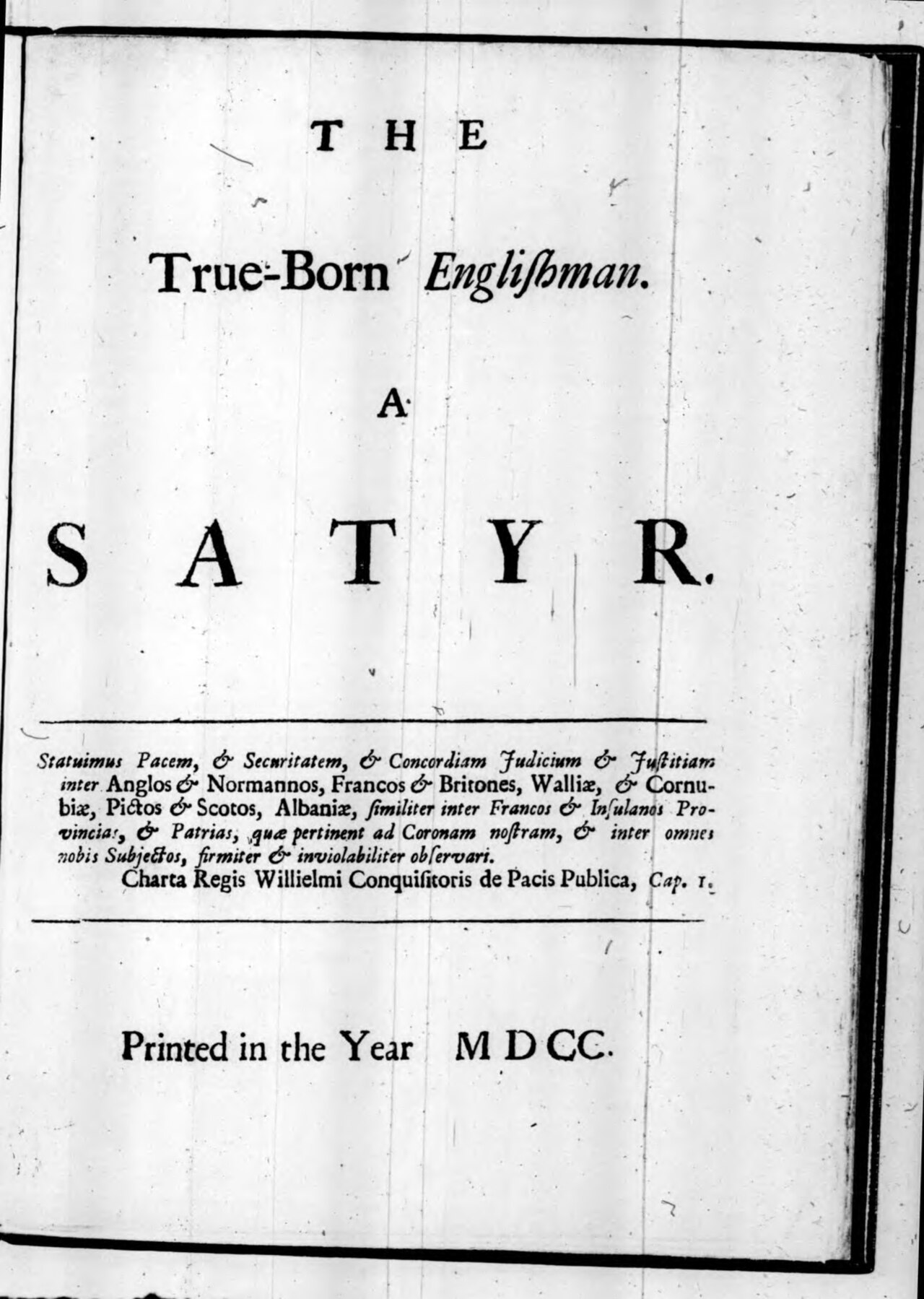
The True-Born Englishman: The Conclusion
Daniel Defoe · 1700
The closing verses of Defoe's own satirical poem mocking pride in ancestry and noble birth.
Defoe's own satirical verse, showing his views on ancestry, virtue and English identity.
Free Humy account · No credit card · 120,912 sources to read
About this source
What it is
This is the concluding section of The True-Born Englishman, a satirical poem written by Daniel Defoe in 1700. In it, Defoe argues that personal virtue matters far more than ancestry or birth.
Why it matters
Defoe wrote this poem as a satire defending immigrants and foreign-born rulers against English prejudice, arguing that the English themselves were a mixed people with no pure blood to boast of. This conclusion sums up his argument that true greatness comes from personal virtue, not family history.
Look closer
- What is Defoe's main argument in these closing lines?
- Why might Defoe have chosen poetry and satire to make this point rather than a plain essay?
- How does this argument connect to debates about identity and belonging in his own time?
This book is part of the curated material that grounds the AI version of Daniel Defoe on Humy.ai — when students ask about related events, the AI can quote it and cite it.
More Daniel Defoe sources
Browse all 86 →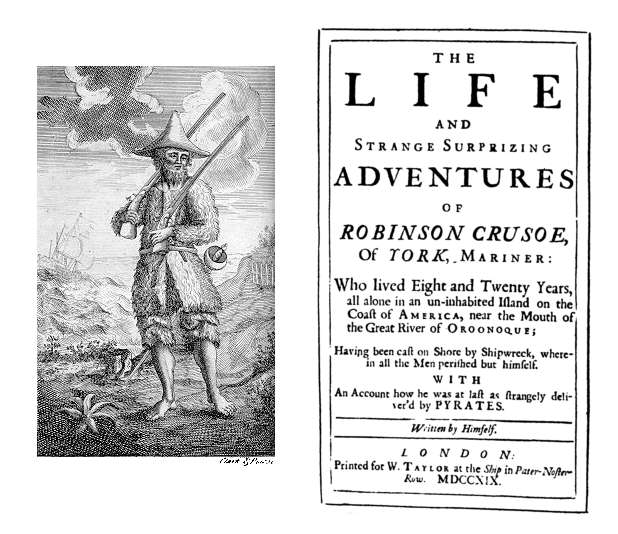 Book
Primary source
Robinson Crusoe
Daniel Defoe · 1719
 Book
Secondary source
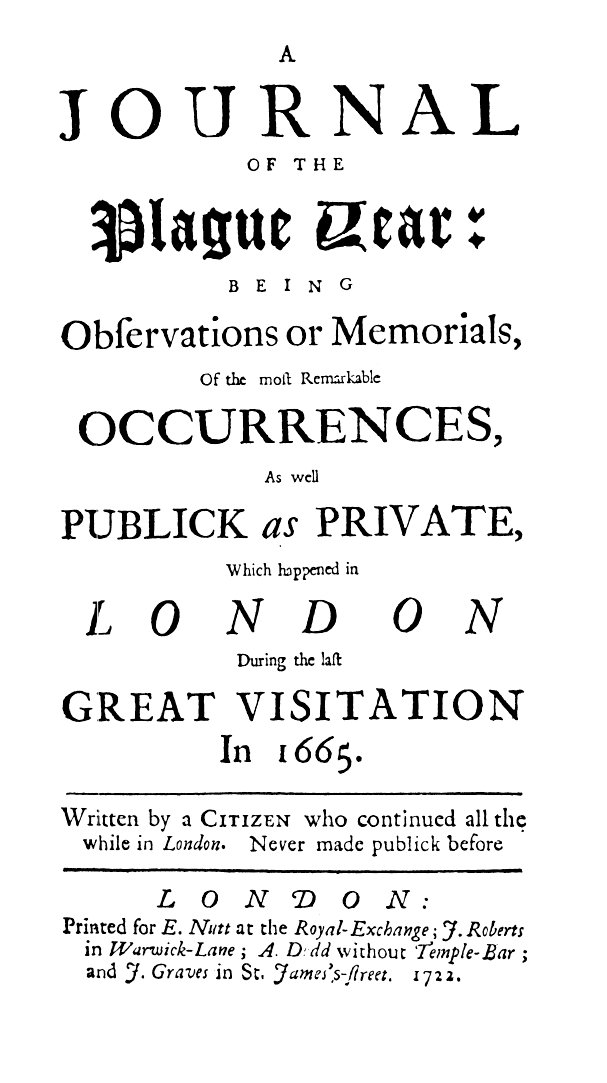
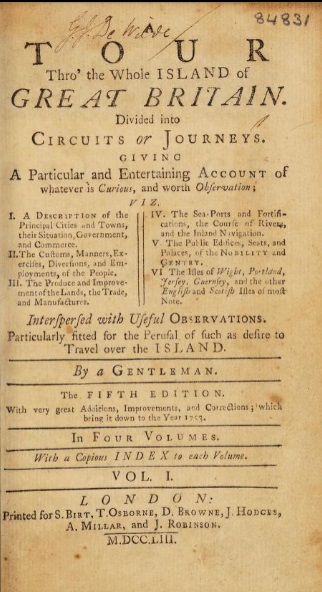
A Journal of the Plague Year
Daniel Defoe · 1722
Primary source
The Shortest Way with the Dissenters
Daniel Defoe · 1702
 Book
Secondary source
Moll Flanders
Daniel Defoe · 1722
Free account
Read every Daniel Defoe source
Sign up free →
Ready when you are
Start chatting with Daniel Defoe now.
20 messages free · No credit card · Available in 50+ languages.