


Primary sourceArtifact1905, printed 1913
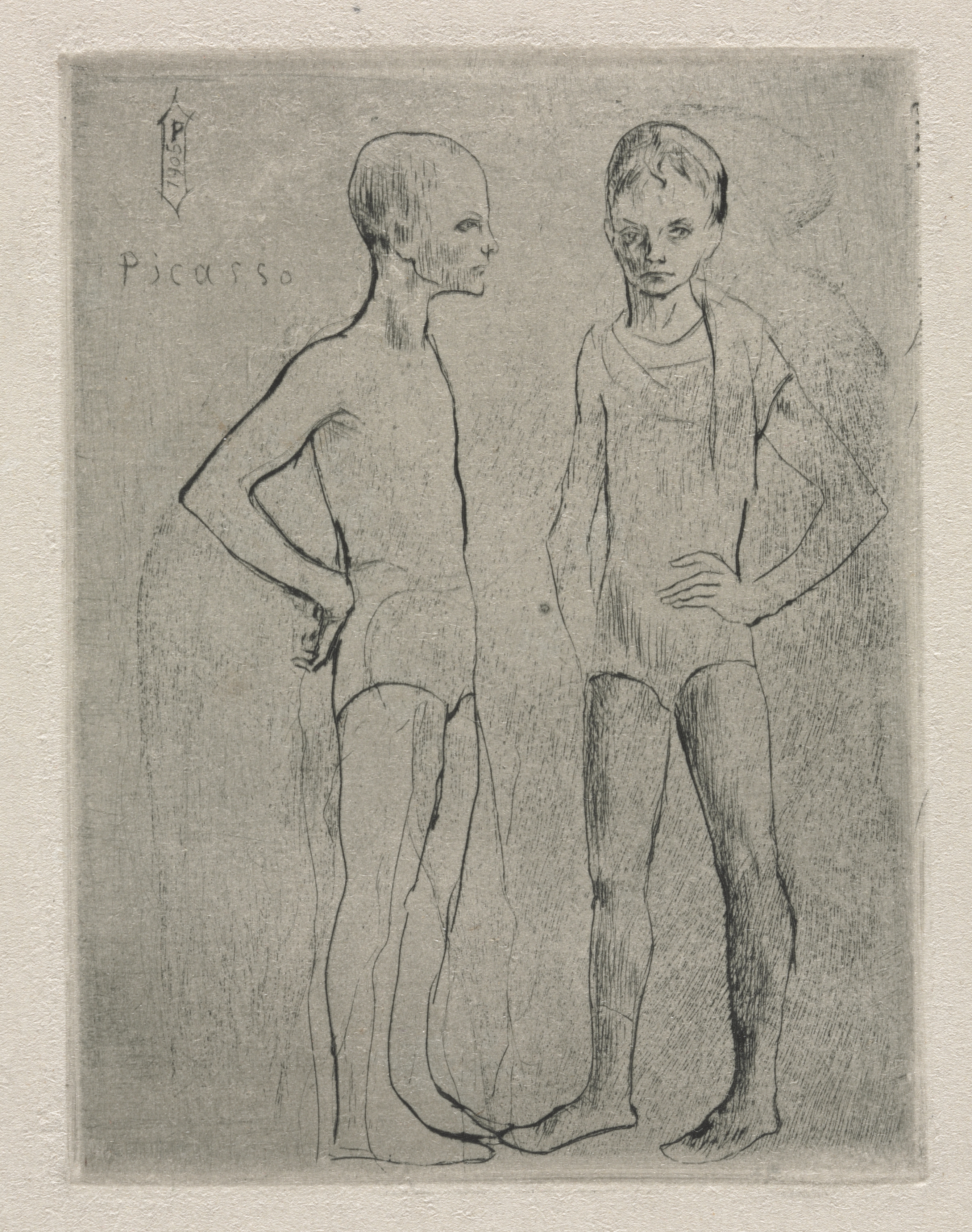
The Two Saltimbanques
Pablo Picasso · 1905, printed 1913
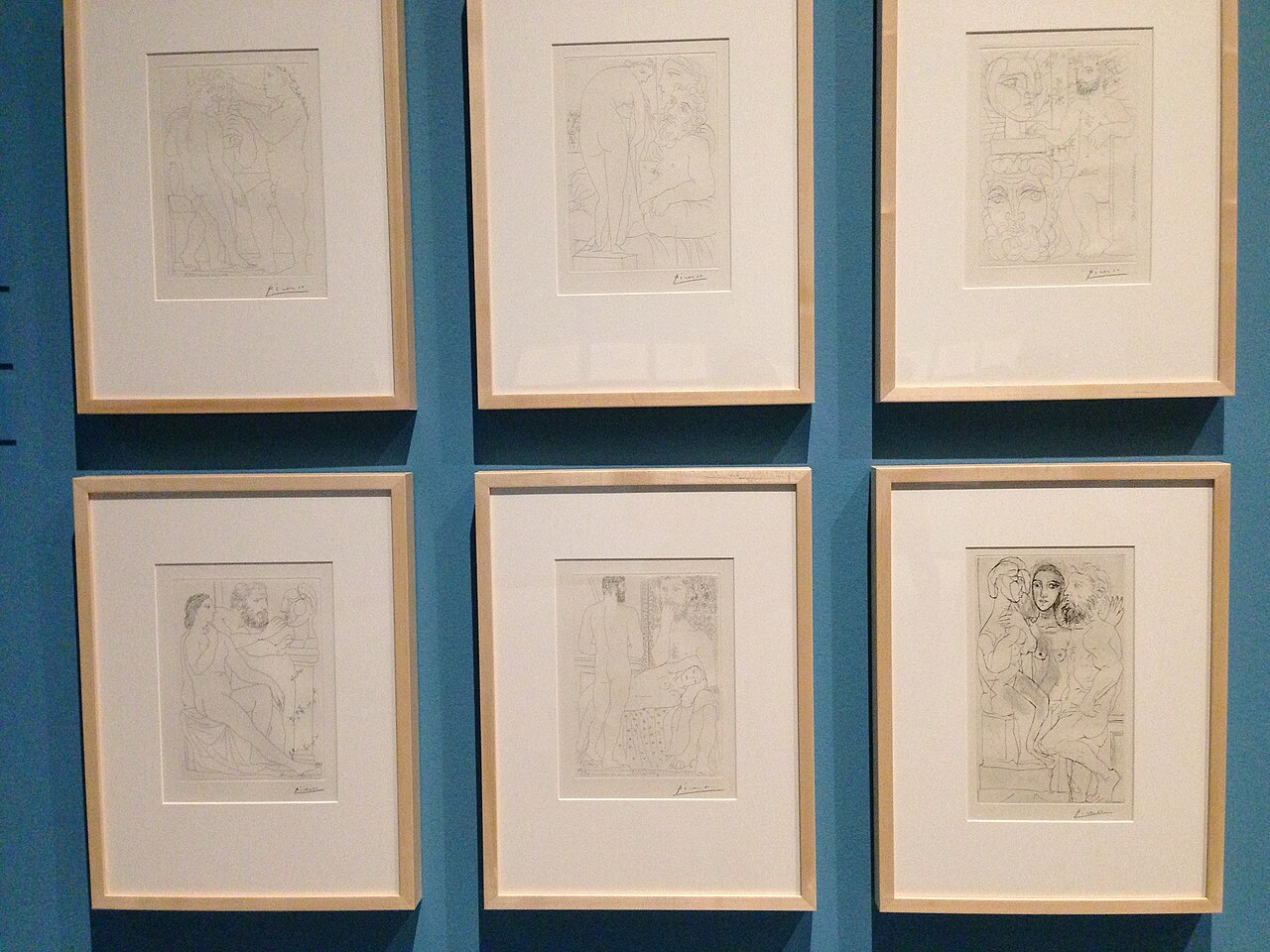
A drypoint print by Pablo Picasso from 1905, printed 1913, showing two young performers standing together, part of his Saltimbanques series.
A print made by Picasso, showing his Rose Period fascination with travelling performers.
About this source
What it is
This drypoint was made by Pablo Picasso in 1905 and printed in 1913, with help from printer Louis Fort and publisher Ambroise Vollard. It shows two thin young boys standing side by side with hands on hips. It is kept at the Cleveland Museum of Art.
Why it matters
The print belongs to Picasso's Rose Period, when he was fascinated by circus performers called saltimbanques, who travelled from town to town. These figures often appear thin and melancholy in his work, hinting at the hardships of performers' lives rather than just their public spectacle.
Look closer
- How does Picasso use pose and posture to suggest the boys' personalities or feelings?
- Why might an artist be drawn to travelling performers as subjects?
- What is left out of this image that a photograph of real performers might show?
This artifact is part of the curated material that grounds the AI version of Pablo Picasso on Humy.ai — when students ask about related events, the AI can quote it and cite it.
More Pablo Picasso sources
Browse all 93 →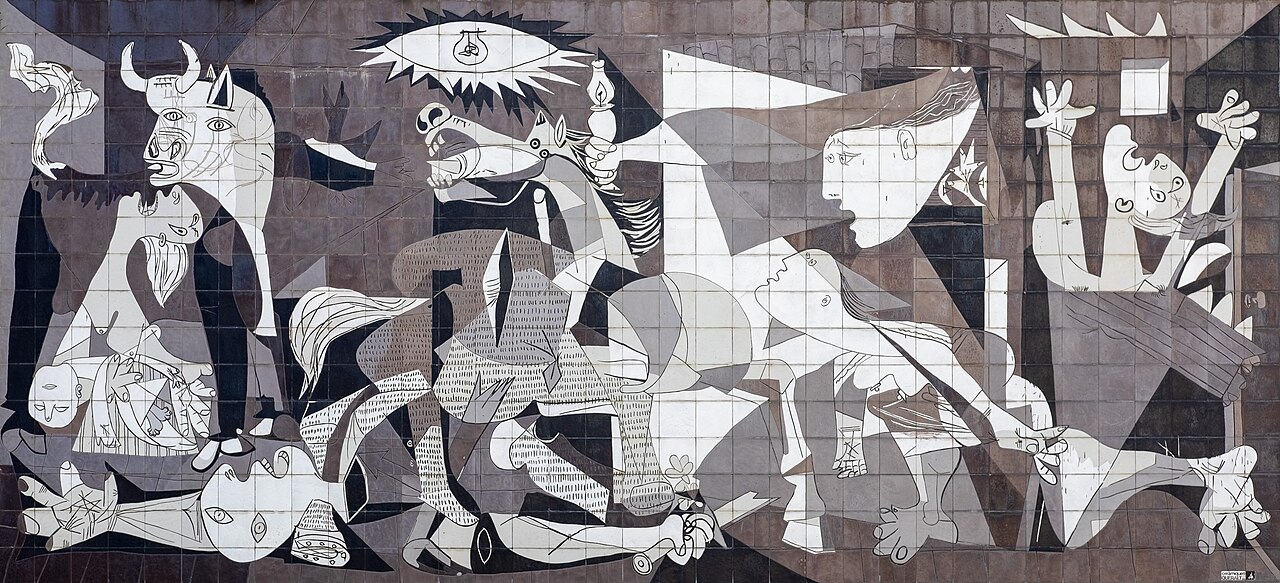 Painting
Primary source
Guernica
Pablo Picasso · 1937
 Photograph
Primary source
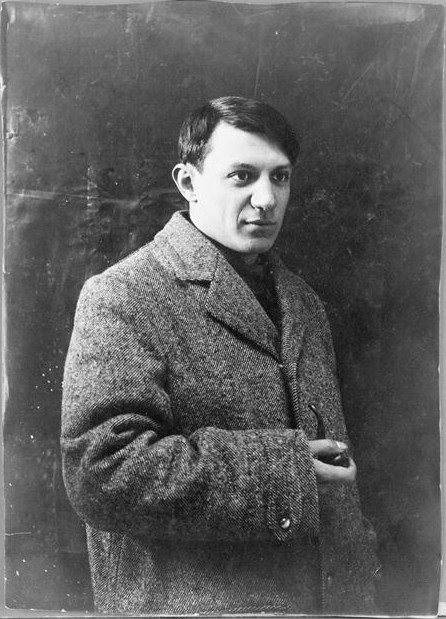
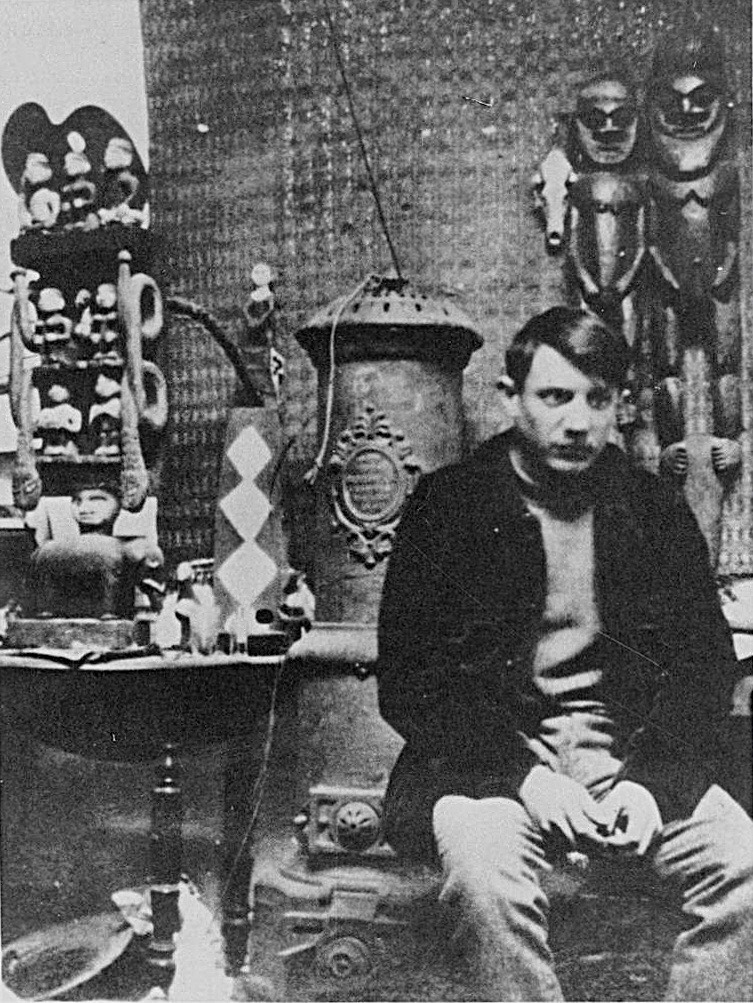
Portrait de Picasso, 1908
Anonymous Unknown author · 1908
Primary source
Recording of the voice of Pablo Picasso
Pablo Picasso
 Painting
Primary source
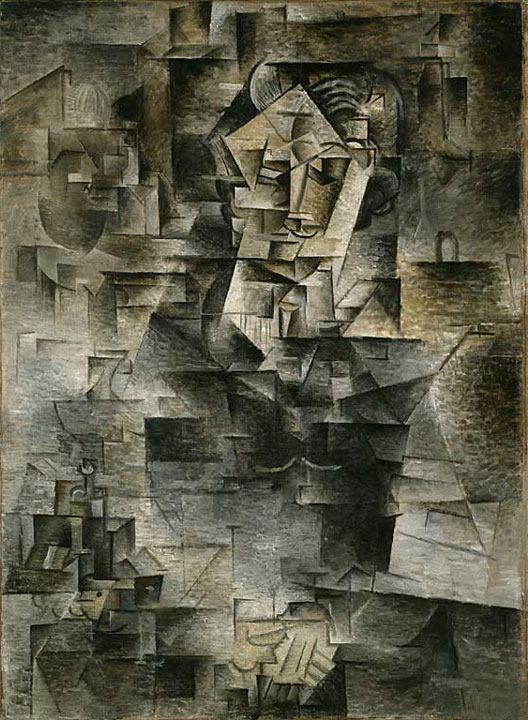
Portrait de Daniel Henry Kahnweiler
Pablo Picasso · 1910
Free account
Read every Pablo Picasso source
Sign up free →
Ready when you are
Start chatting with Pablo Picasso now.
20 messages free · No credit card · Available in 50+ languages.