


Primary sourceBook1872
The Underground Rail Road
William Still · 1872
William Still's 1872 compilation of escape narratives from the Philadelphia end of the Underground Railroad, a counterpart to Coffin's own Midwestern account.
This edition includes a biography of Still written during his lifetime, showing how he was publicly honored.
About this source
What it is
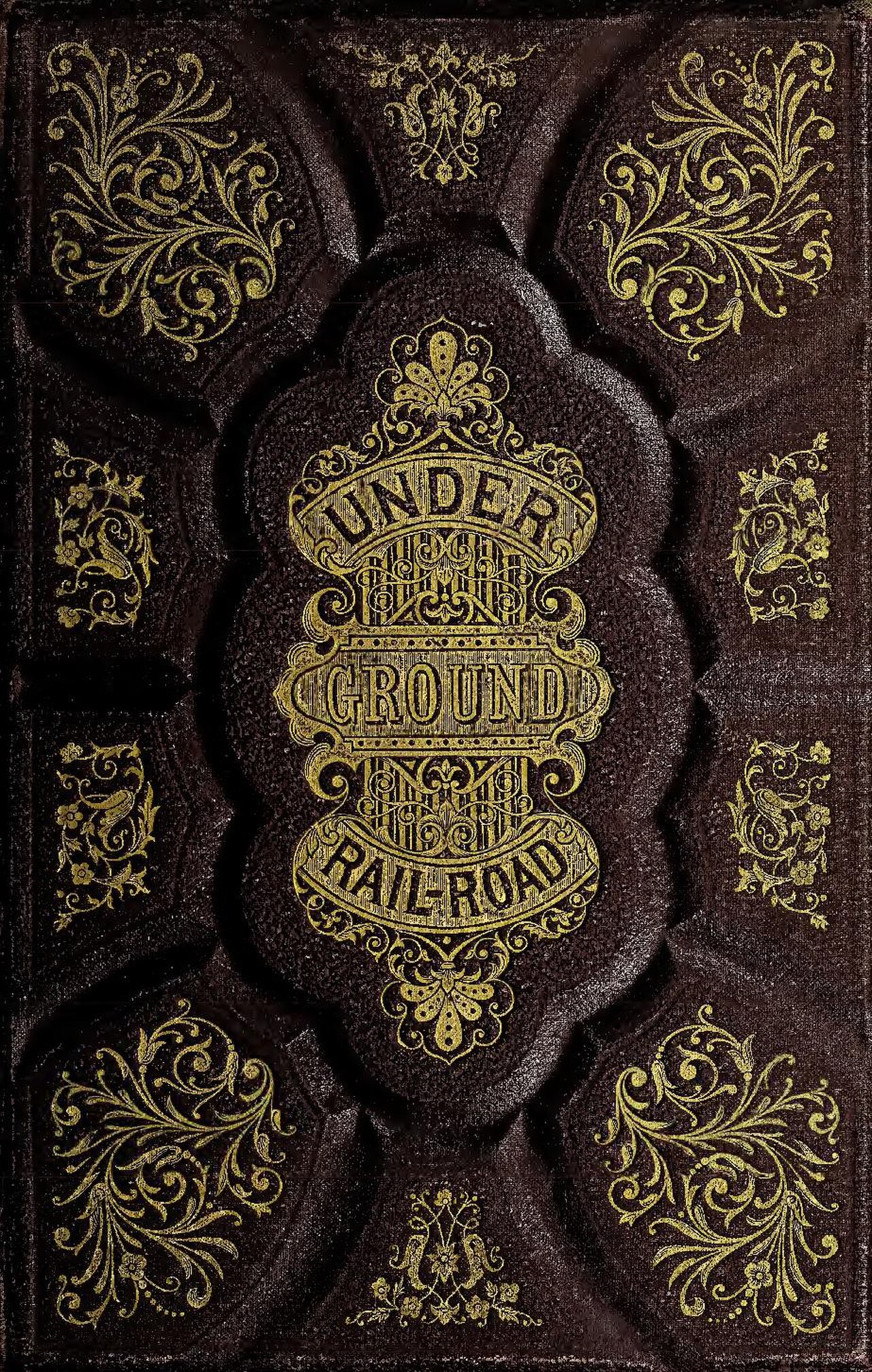
This is The Underground Rail Road, a book published in 1872 by William Still, a formerly enslaved man's son who had directly aided fugitive slaves in Philadelphia and kept detailed records of them. The book, now held by the Library of Congress, compiles these records and the experiences of escaped people.
Why it matters
Still's book documents the eastern, Philadelphia-based side of the Underground Railroad, while Levi Coffin's own later account covers the network's Midwestern operations centered on Cincinnati and Indiana. Comparing the two shows how the Underground Railroad was not one single system but a web of local networks and individuals, each keeping their own records and later telling their own stories.
Look closer
- Why might someone like Still have kept such careful records at the time, despite the danger of doing so?
- How might the decorative cover of this book have been meant to appeal to readers after the war?
- What similarities and differences might you expect between Still's records and Coffin's own account?
This book is part of the curated material that grounds the AI version of William Still and Levi Coffin on Humy.ai — when students ask about related events, the AI can quote it and cite it.
More William Still sources
Meet the AI William Still →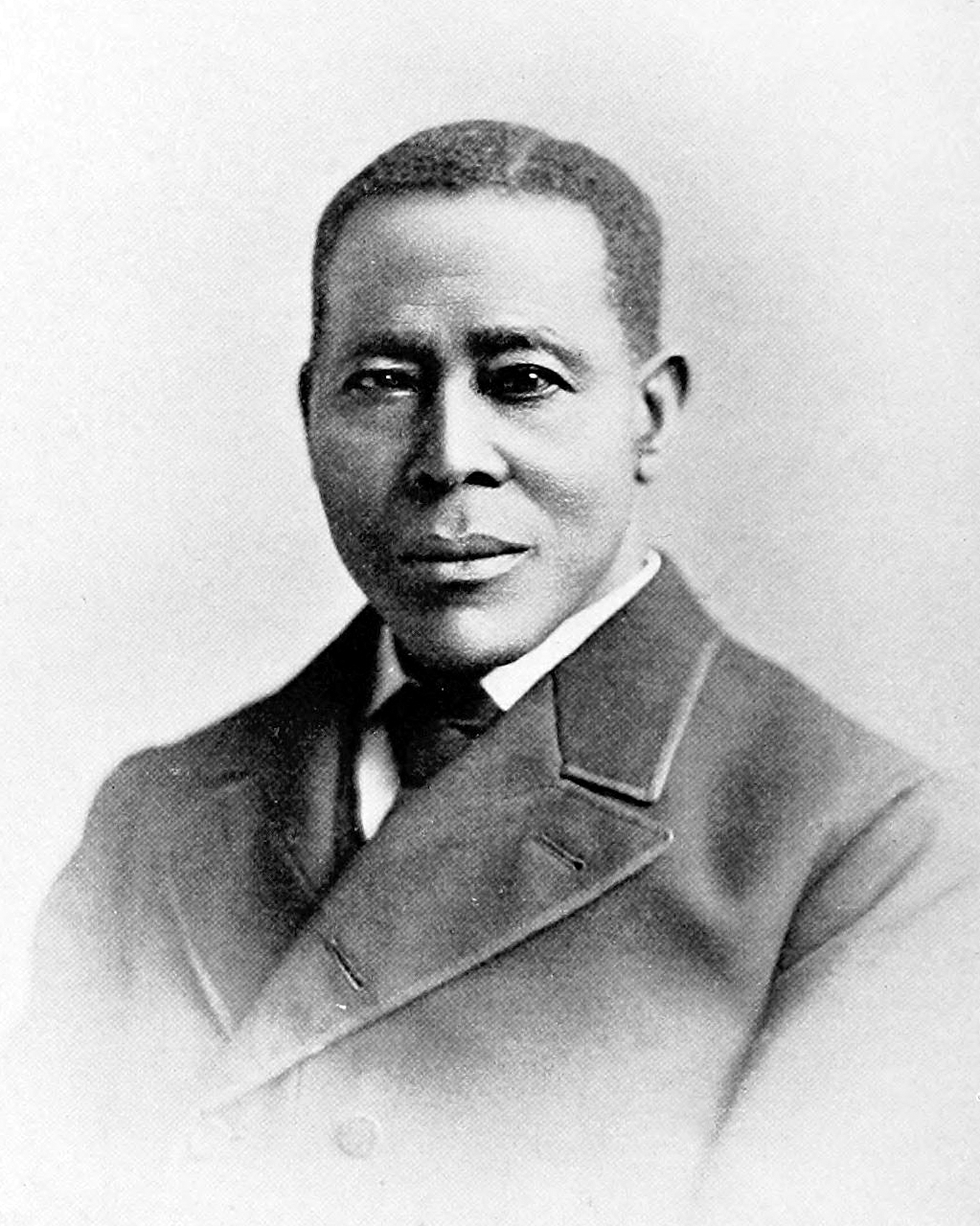 Photograph
Primary source
Portrait of William Still
 Painting
Primary source
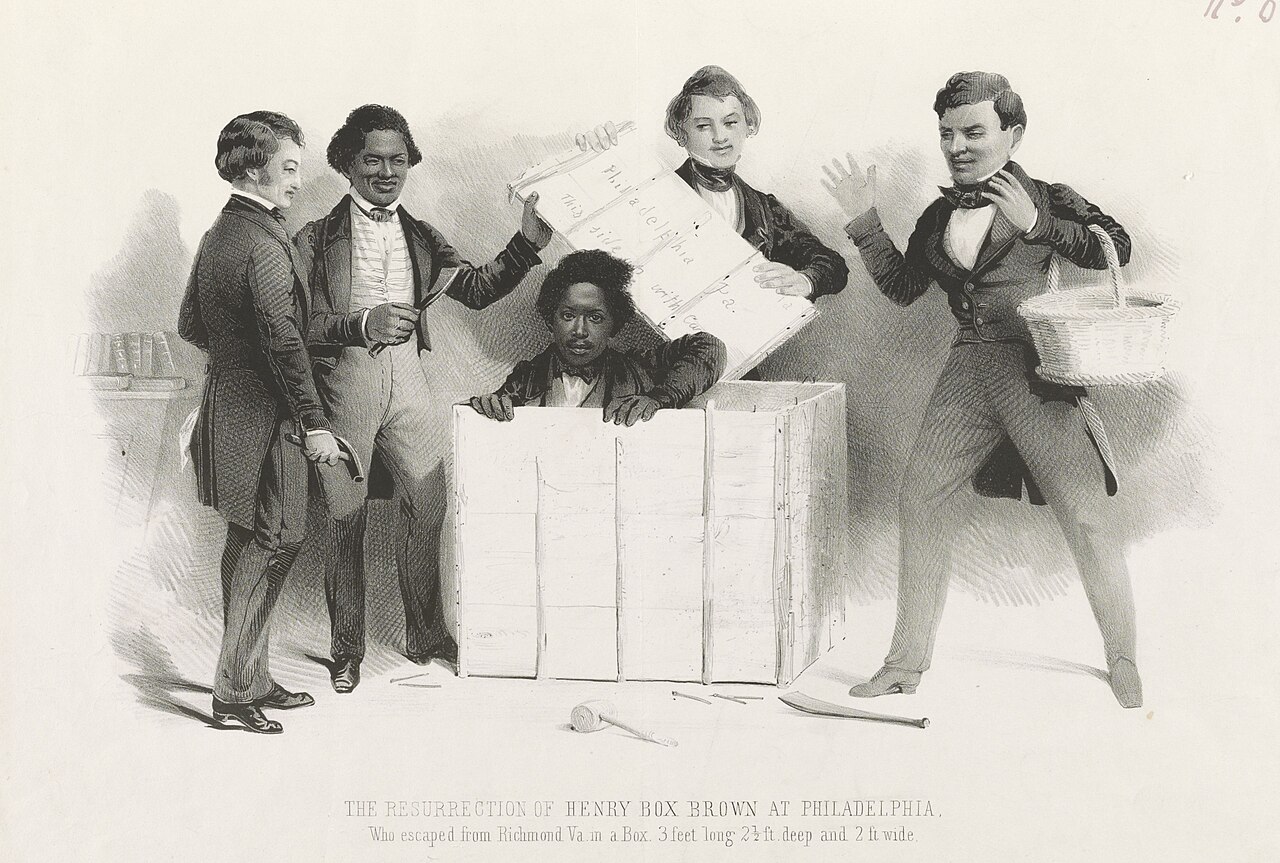
The Resurrection of Henry Box Brown at Philadelphia
Samuel W. Rowse · 1850
 Document
Primary source
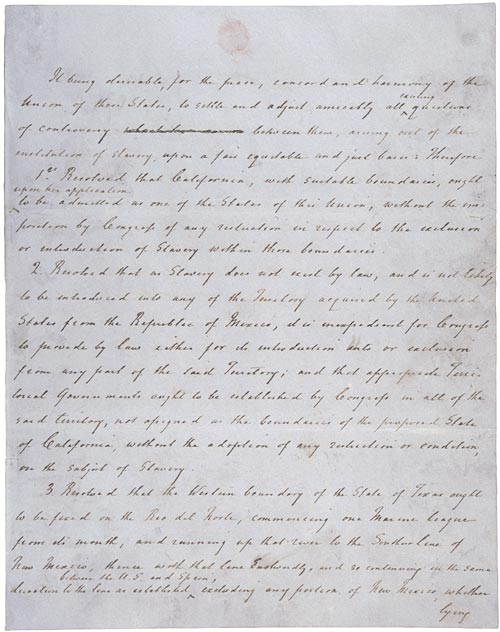
Compromise of 1850
Henry Clay · 29 January 1850 (resolutions); statutes enacted September 1850
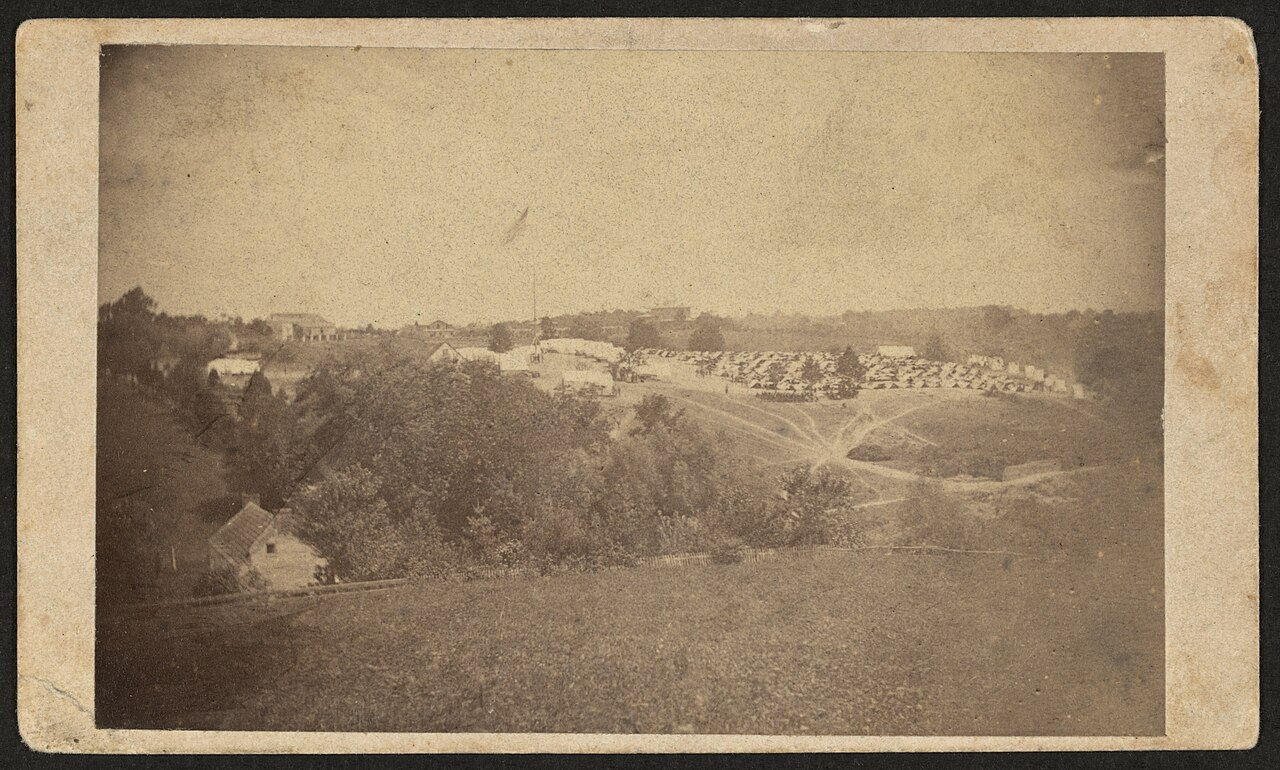 Photograph
Primary source
Camp William Penn
B.F. Reimer · 1863
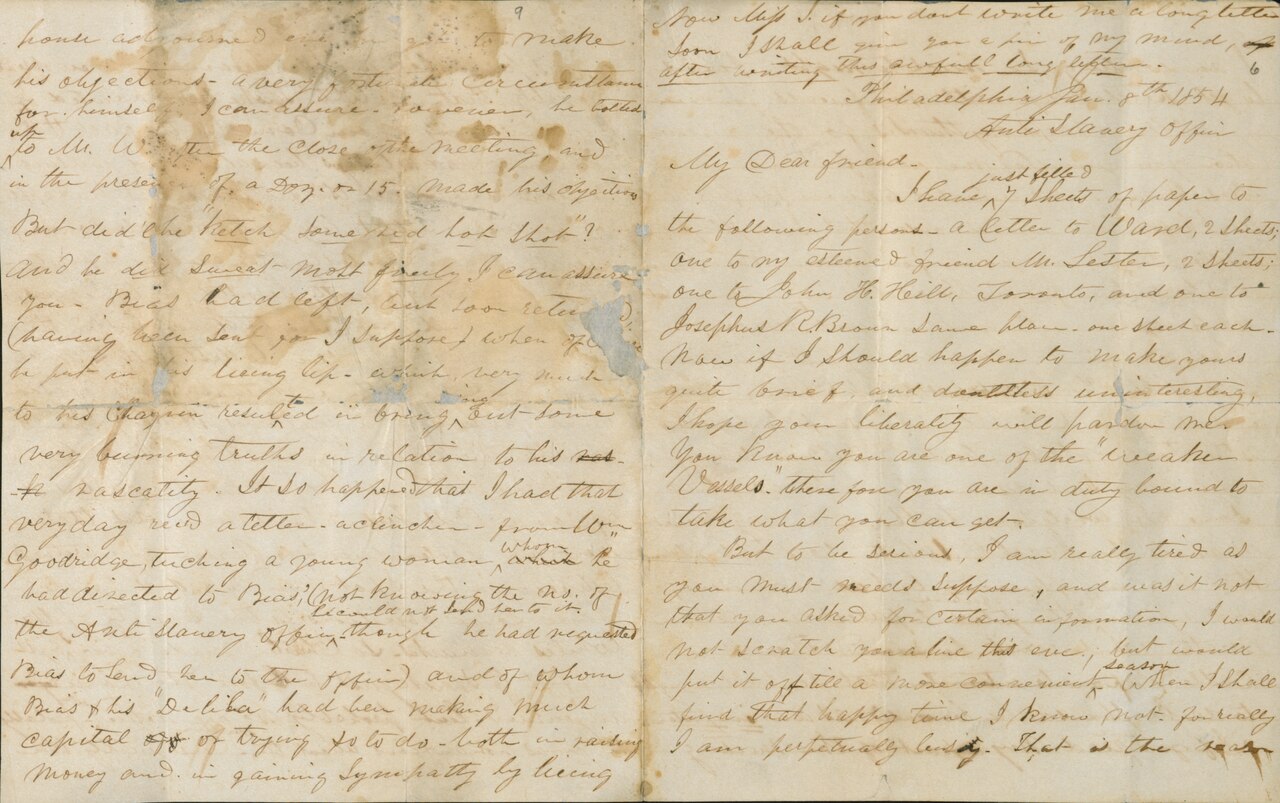 Letter
Primary source
Letter from William Still to Mary Ann Shadd, January 8, 1854
William Still · 8 January 1854
Ready when you are
Start chatting with William Still now.
20 messages free · No credit card · Available in 50+ languages.