


Primary sourcePainting1638
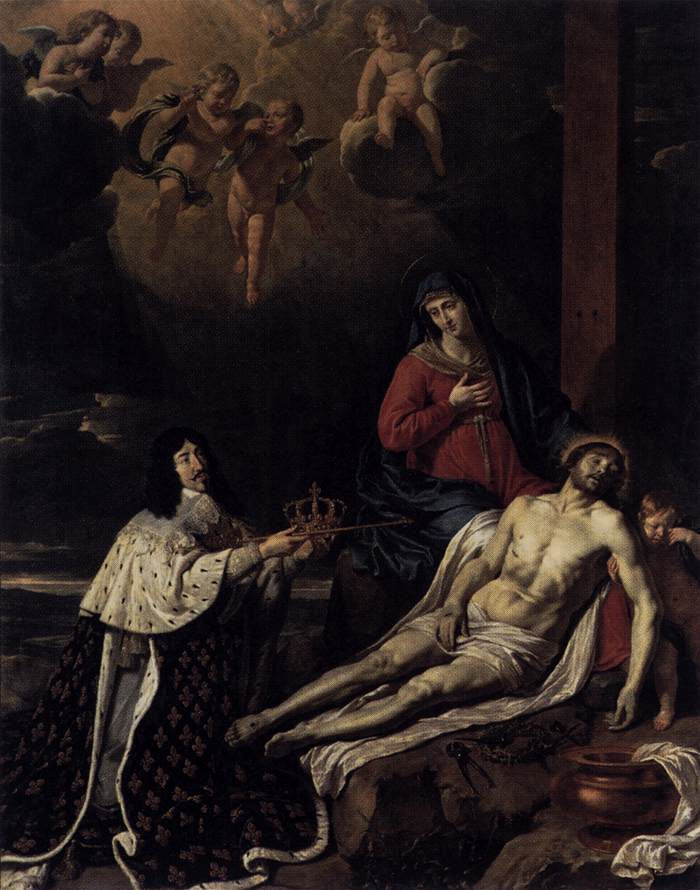
The Vow of Louis XIII
Philippe de Champaigne · 1638
A 1638 painting by Philippe de Champaigne showing Louis XIII kneeling and offering his crown to the Virgin Mary.
Depicts Louis XIII kneeling and dedicating his crown to the Virgin, a contemporary record of his 1638 vow.
About this source
What it is
This oil painting by Philippe de Champaigne was made in 1638 and shows Louis XIII kneeling in royal robes, offering his crown before a Pietà scene with the Virgin Mary and the dead Christ. It is held at the Musée des Beaux-Arts de Caen.
Why it matters
The painting records the king's vow, an act of religious devotion that linked the French monarchy to the Catholic faith. As a work by Champaigne, one of the leading painters of the royal court, it shows how religious imagery was used to present the king as a devout ruler under divine protection.
Look closer
- What is the king doing in the painting, and what might this gesture have meant to people who saw it?
- Why might an artist combine a religious scene with a portrait of a living king?
- What does this image suggest about the relationship between the French monarchy and the Catholic Church?
This painting is part of the curated material that grounds the AI version of Louis XIII on Humy.ai — when students ask about related events, the AI can quote it and cite it.
More Louis XIII sources
Browse all 89 → Diary entry
Primary source
Journal of Jean Héroard
Jean Héroard · 1601–1628
 Letter
Primary source
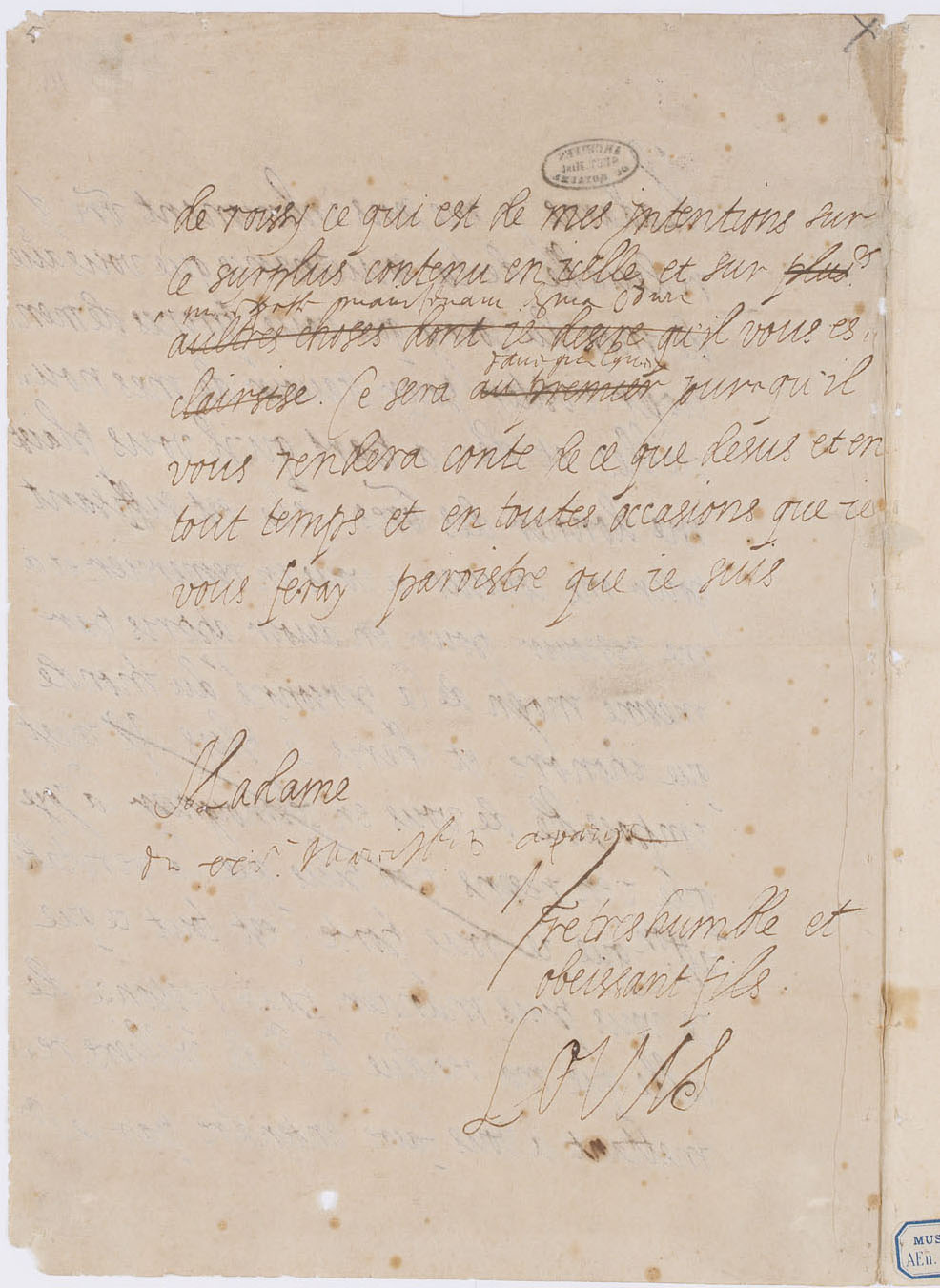
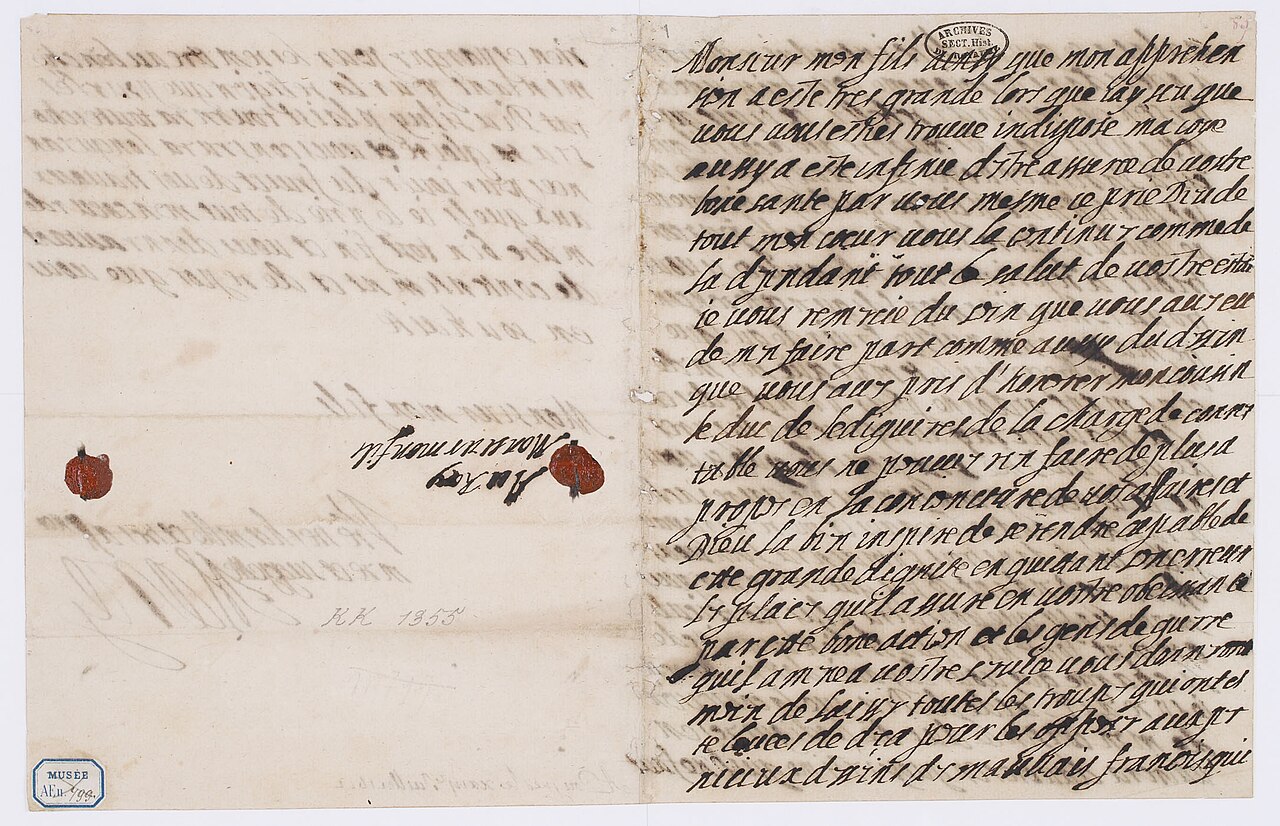
Letter of Louis XIII to Marie de' Medici
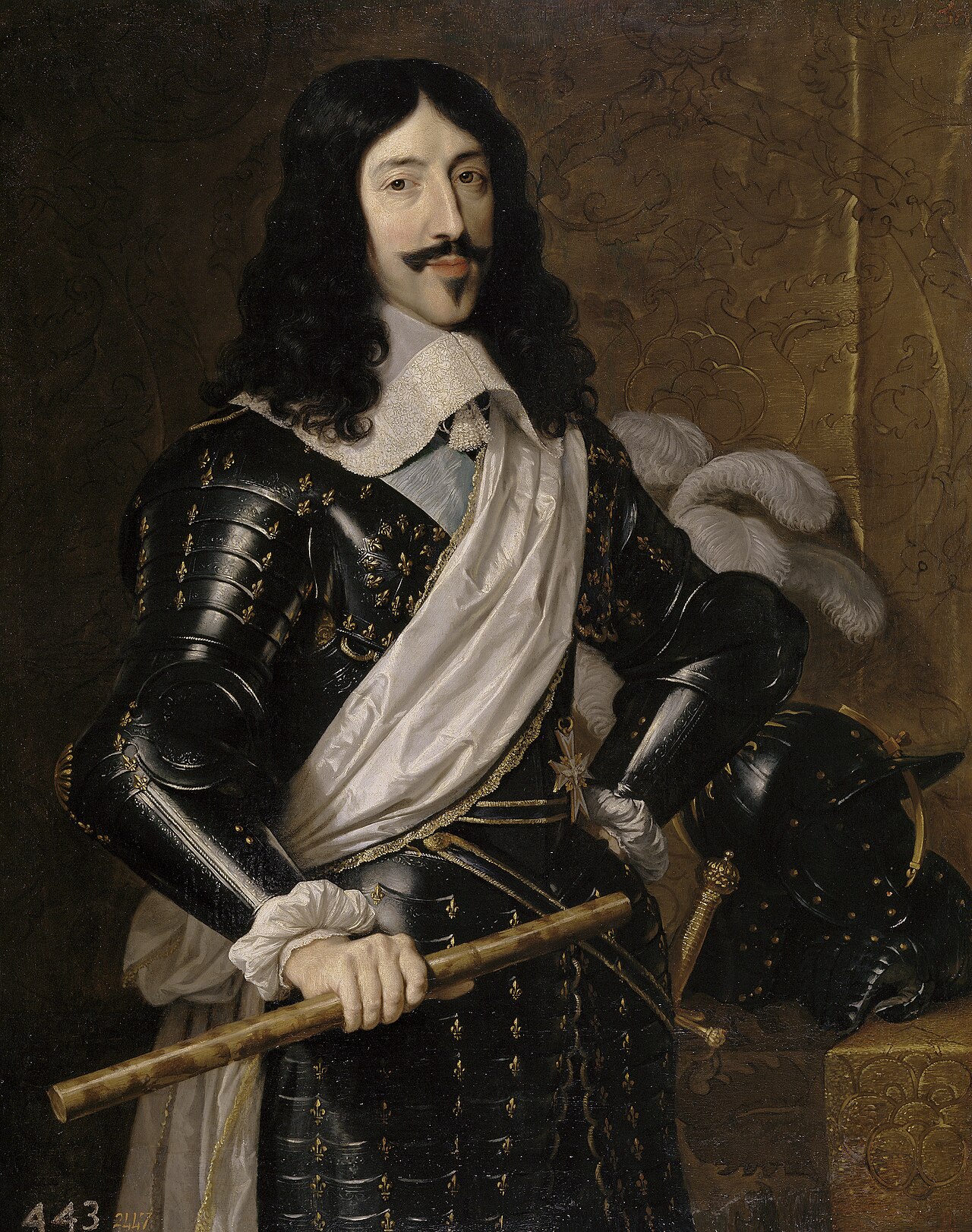
Louis XIII of France
 Painting
Primary source
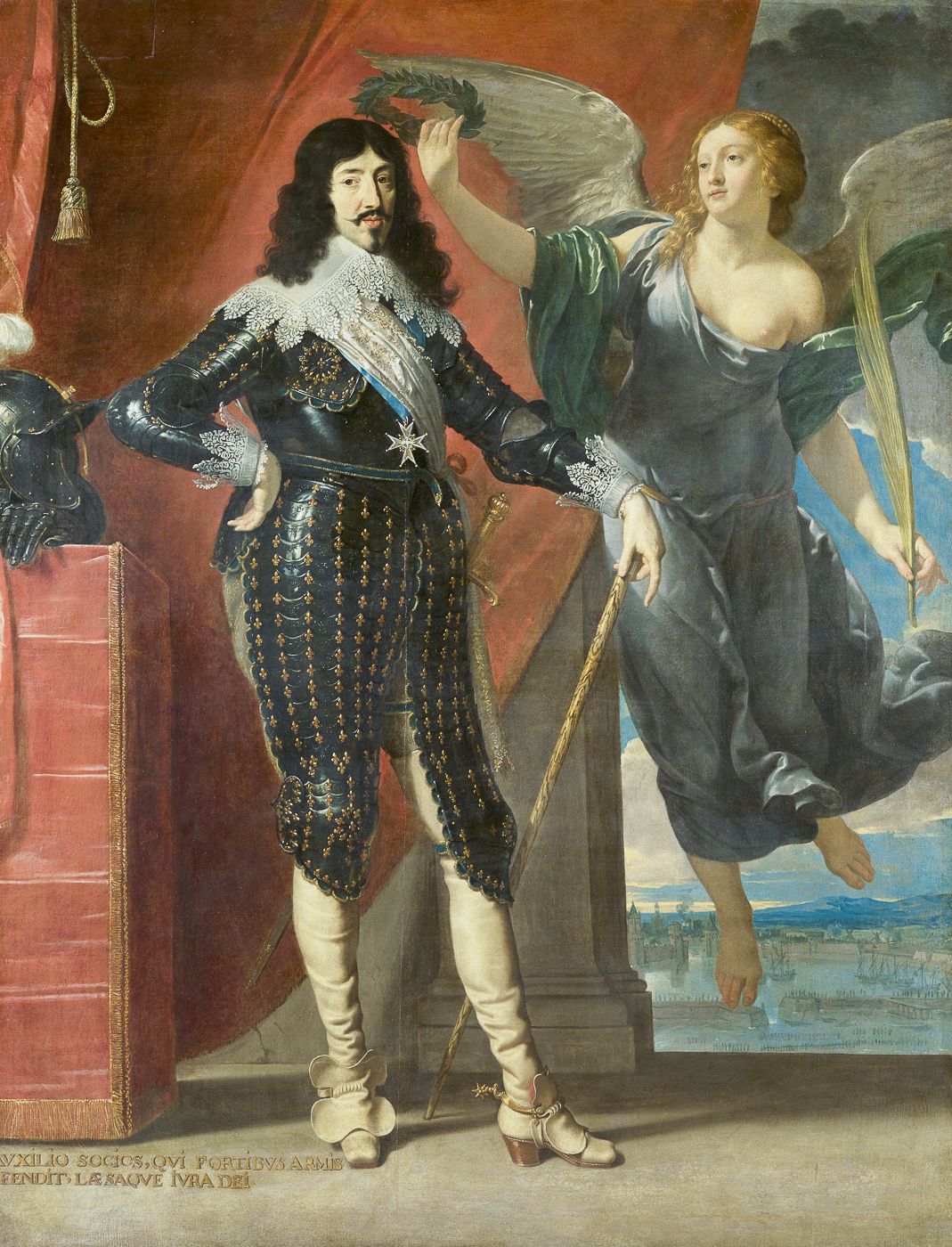
Louis XIII Crowned by Victory
Philippe de Champaigne · 1635
 Artifact
Primary source
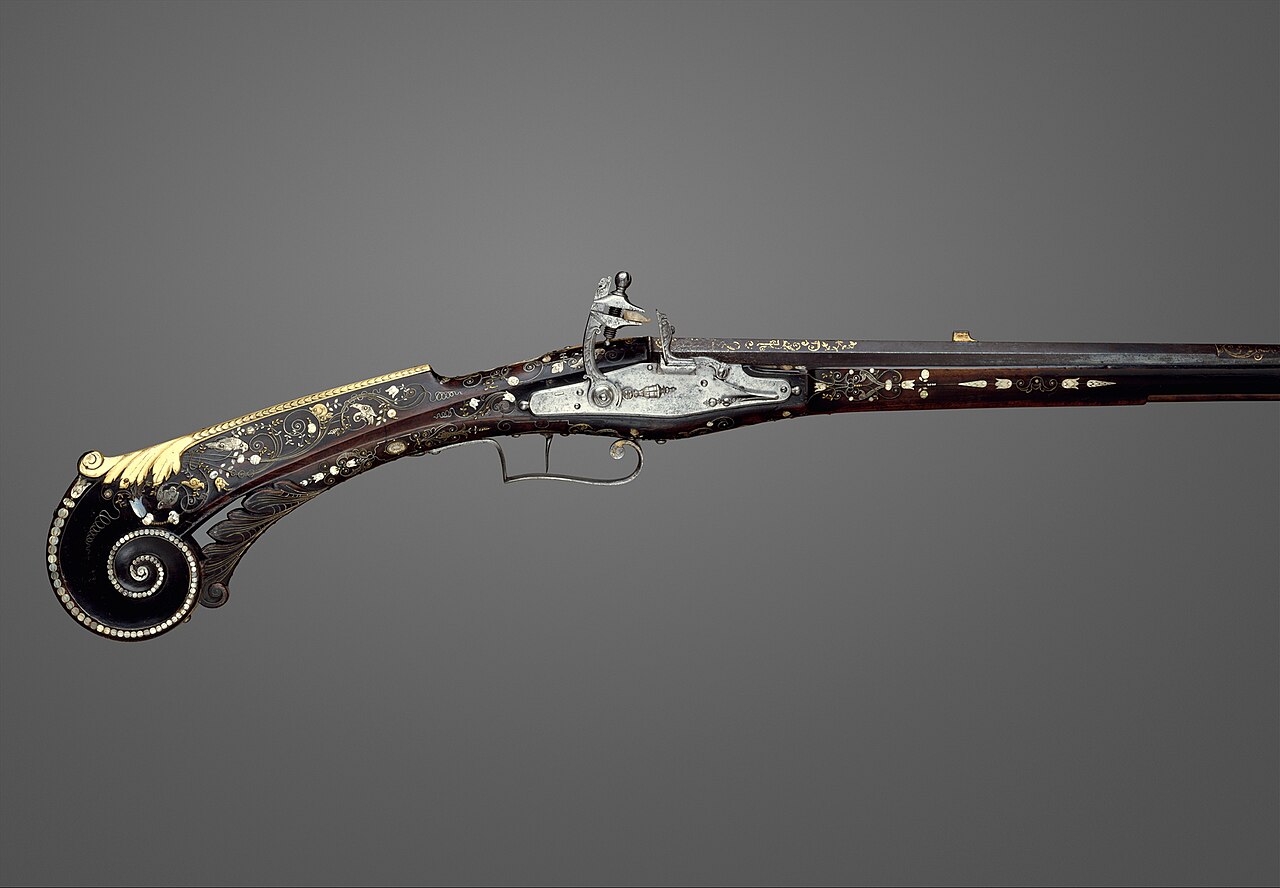
Flintlock Gun of Louis XIII
1620
Free account
Read every Louis XIII source
Sign up free →
Ready when you are
Start chatting with Louis XIII now.
20 messages free · No credit card · Available in 50+ languages.