


Secondary sourceDocument17th or 18th century (Edo period)
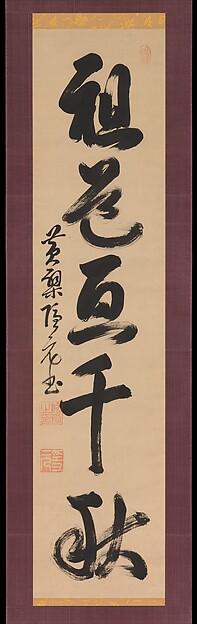
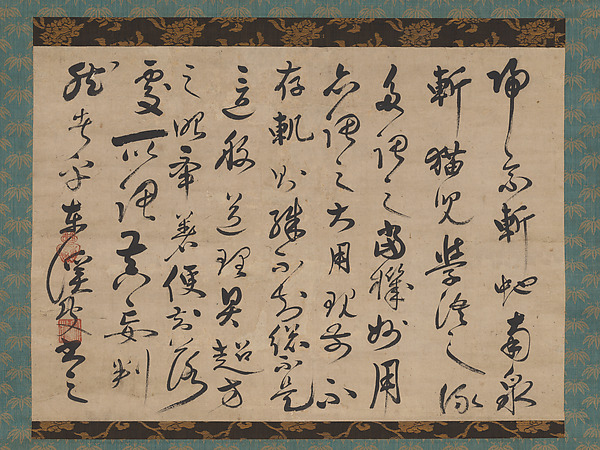
The Way of the Patriarchs Spans a Thousand Years
Yinyuan Longqi (Ingen Ryūki) · 17th or 18th century (Edo period)
A Japanese Zen hanging scroll of bold ink calligraphy, representing the Zen tradition Alan Watts later popularised in the West.
Represents the Zen calligraphic tradition that Watts drew on and popularised, though unconnected to him directly.
About this source
What it is
This is a hanging scroll of ink calligraphy made by the Zen monk Yinyuan Longqi (Ingen Ryūki) in Japan during the Edo period. It shows four large brushed characters, with a signature and red seal, and is now held at the Metropolitan Museum of Art.
Why it matters
The scroll comes from the Zen Buddhist monastic world that produced the teachings Alan Watts later explained to Western audiences. It was not made by or about Watts, but it shows the living calligraphic and spiritual culture behind the ideas he interpreted.
Look closer
- What do the brushstrokes suggest about the mood or confidence of the writer?
- Why might a monk's handwriting be treated as an art object worth preserving?
- What does this scroll leave out about how such writing was used in daily monastic life?
This document is part of the curated material that grounds the AI version of Alan Watts on Humy.ai — when students ask about related events, the AI can quote it and cite it.
More Alan Watts sources
Browse all 11 →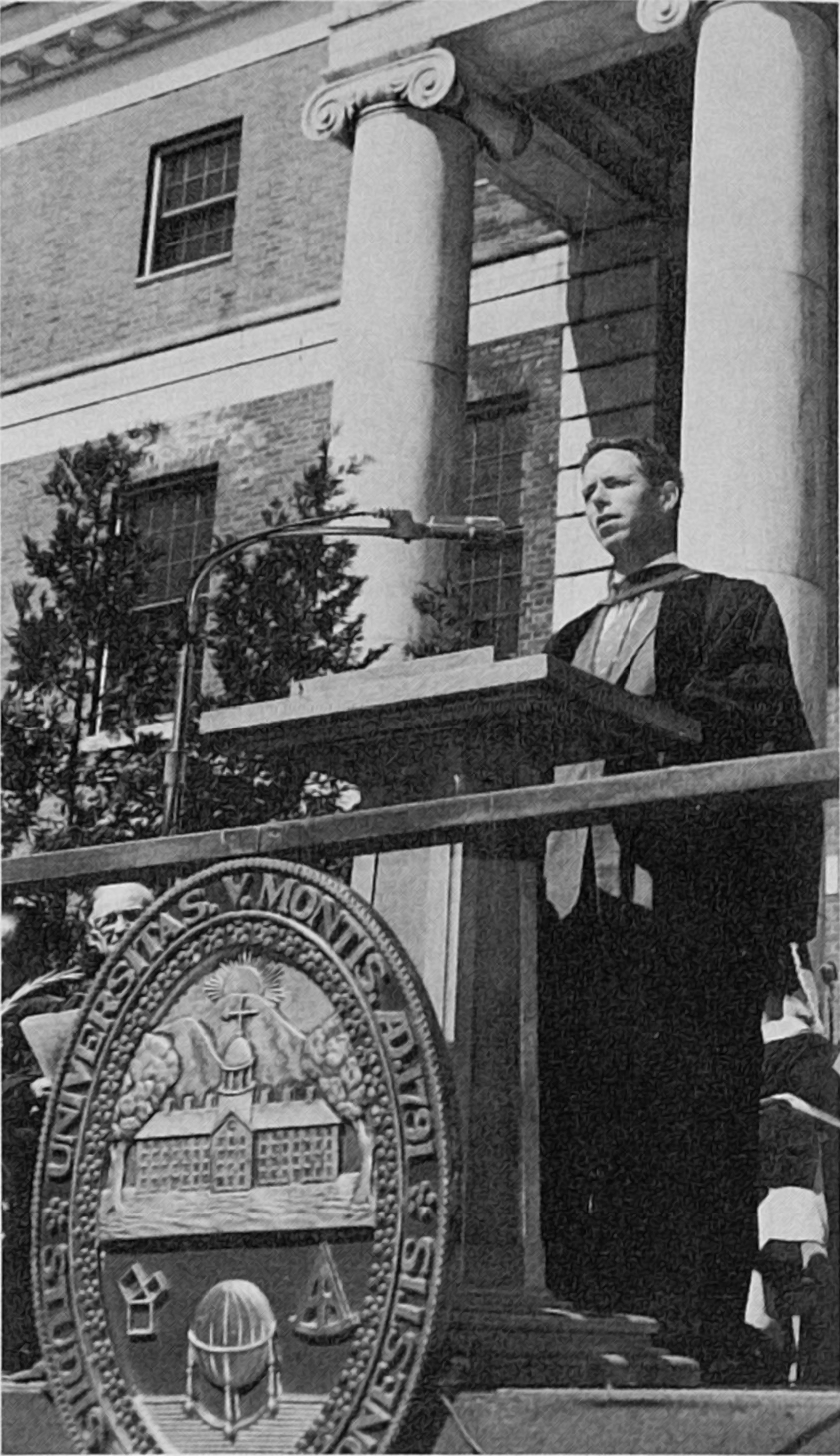 Photograph
Primary source
Alan Watts Delivering 'Faith Beyond Belief' at UVM
15 June 1958
 Photograph
Primary source
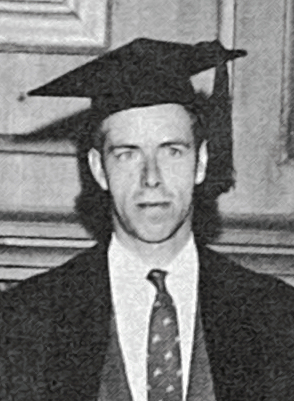
Portrait of Alan Watts in Academic Dress
1958
 Photograph
Primary source
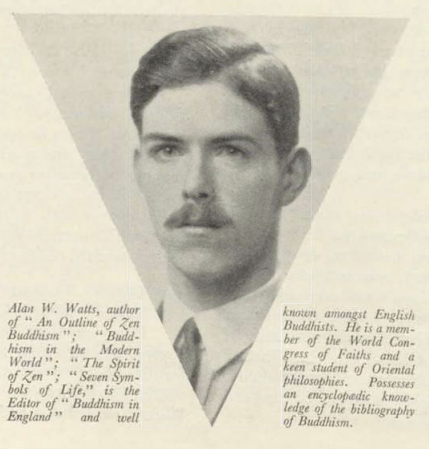
Photograph of Alan Watts, 1937
Unknown · 1937
 Photograph
Primary source
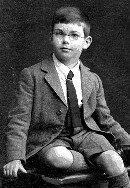
Alan Watts, Age Seven
Unknown · 1922

Free account
Read every Alan Watts source
Sign up free →
Ready when you are
Start chatting with Alan Watts now.
20 messages free · No credit card · Available in 50+ languages.