


Primary sourceBook1926
The Weary Blues (poem)
Langston Hughes · 1926
The prize-winning title poem of Hughes's first book, drawing on blues music and a Harlem piano player to create a new jazz-and-blues poetics.
Hughes wrote this award-winning poem, a founding example of his blending of blues music with poetry.
About this source
What it is
"The Weary Blues" is a poem written by Langston Hughes in 1925 and first published in the magazine Opportunity, where it won the prize for best poem of the year. It was later included in his first book of poems, also titled The Weary Blues (1926).
Why it matters
The poem is set in a Harlem bar on Lenox Avenue, where a Black pianist plays the blues late into the night. Hughes blends the rhythms and repeated lines of blues music into the structure of the poem itself, making music both subject and form. It is considered one of the first literary works to capture blues performance, and it helped establish Hughes as a leading voice of the Harlem Renaissance.
Look closer
- How does Hughes use rhyme and rhythm to imitate the sound of the blues?
- What do the colors mentioned in the poem (ebony hands, ivory keys) suggest?
- Why might Hughes end on a note of sadness after describing the music as a celebration?
This book is part of the curated material that grounds the AI version of Langston Hughes on Humy.ai — when students ask about related events, the AI can quote it and cite it.
More Langston Hughes sources
Meet the AI Langston Hughes →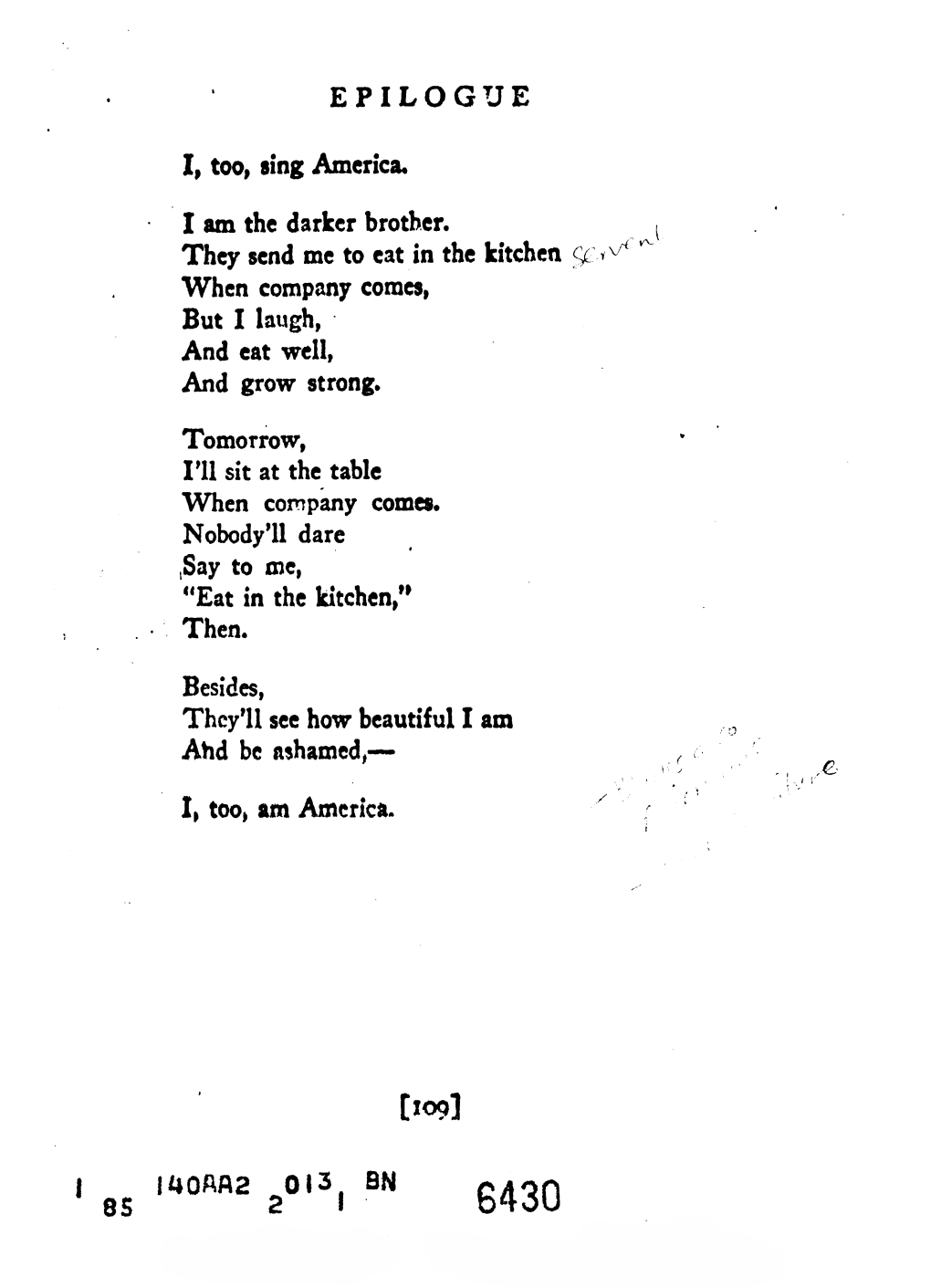 Book
Primary source
I, Too
Langston Hughes · 1926
Primary source
Mother to Son
Langston Hughes · 1922
 Book
Primary source
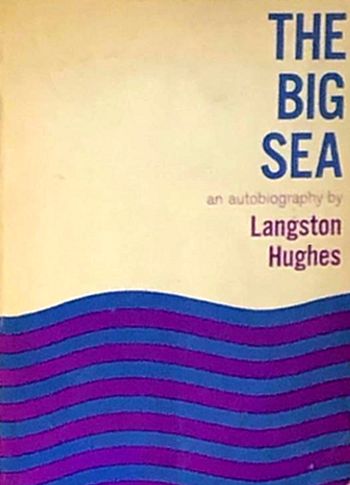
The Big Sea
Langston Hughes · 1940
 Photograph
Primary source
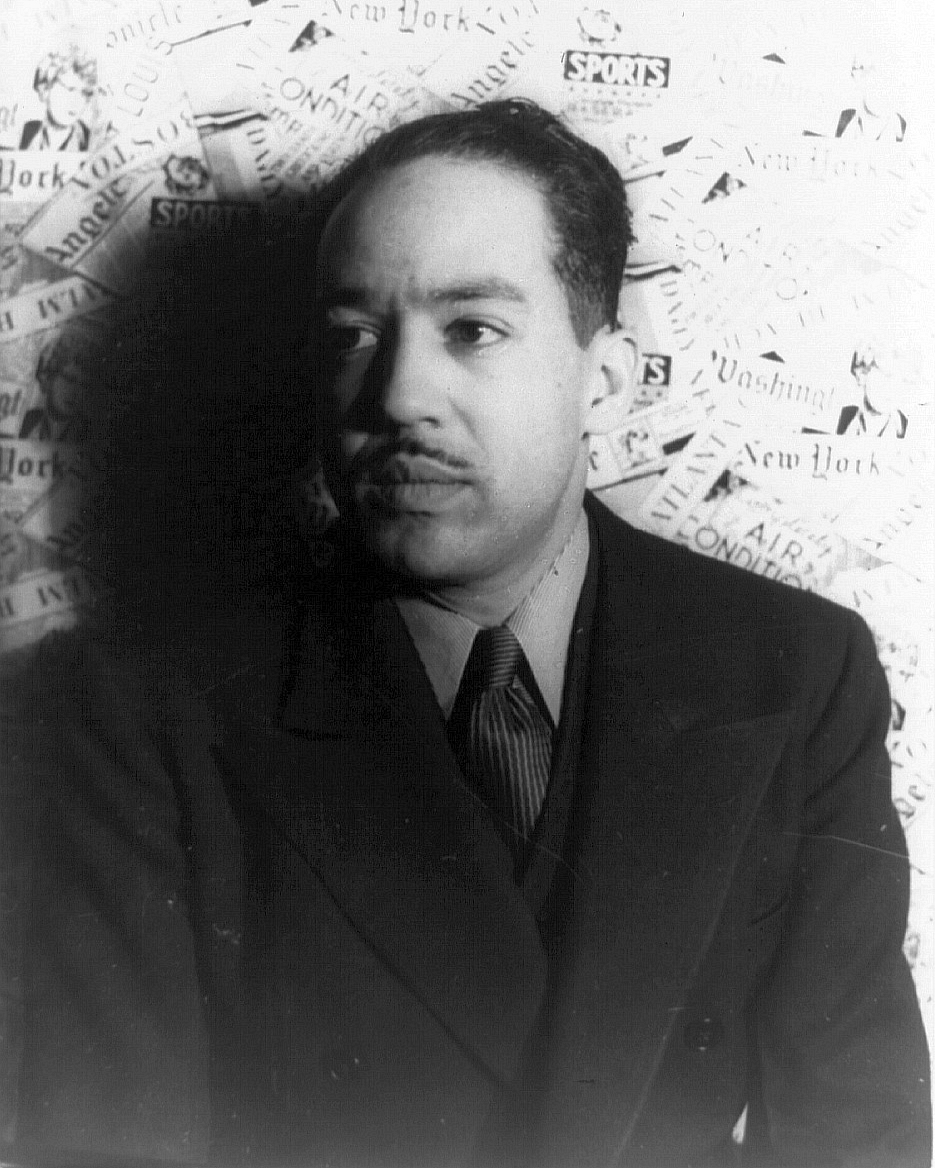
Langston Hughes, 1936
Carl Van Vechten · 1936
 Painting
Primary source
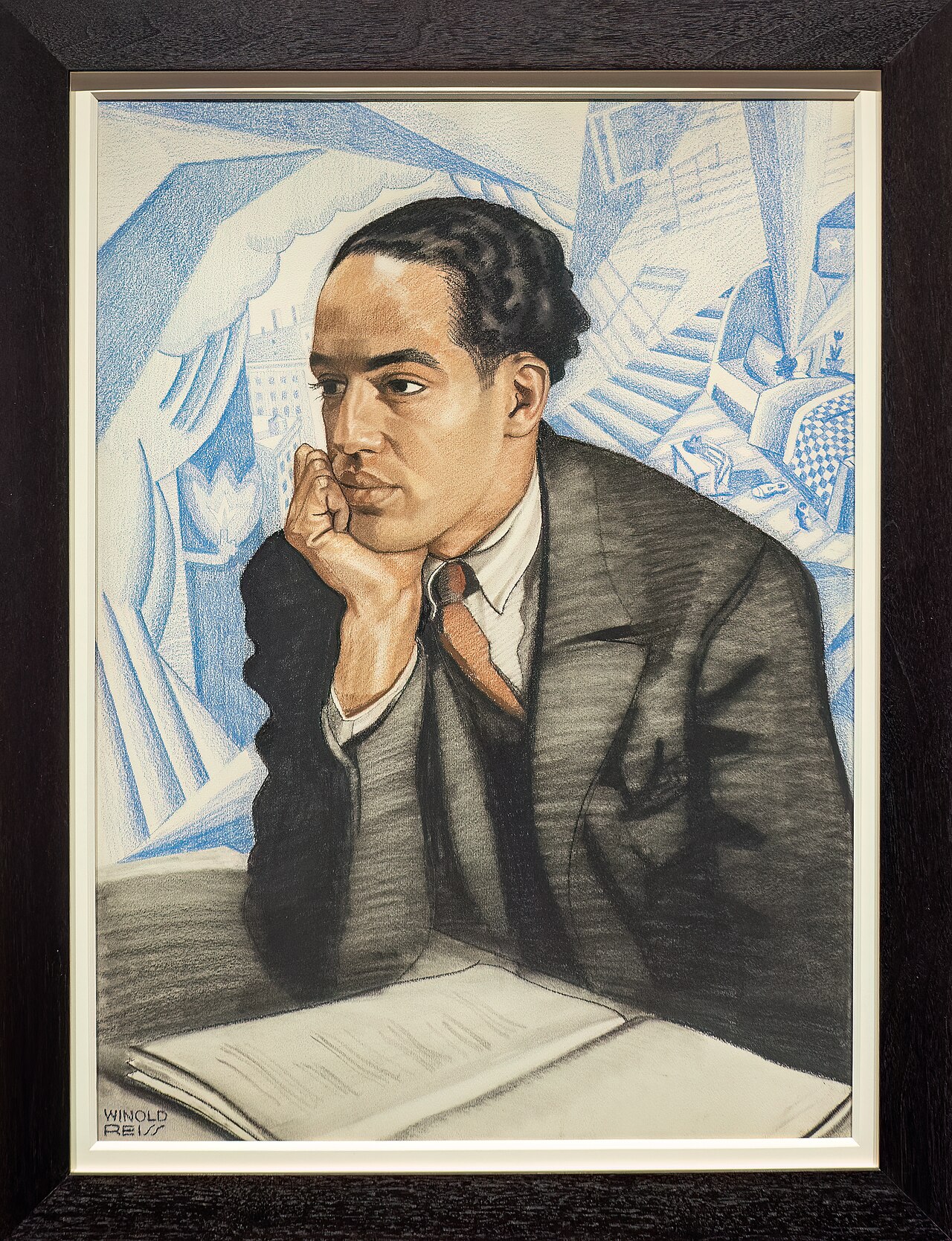
Langston Hughes (portrait by Winold Reiss)
Winold Reiss · c. 1925
Ready when you are
Start chatting with Langston Hughes now.
20 messages free · No credit card · Available in 50+ languages.