


Primary sourcePainting1937
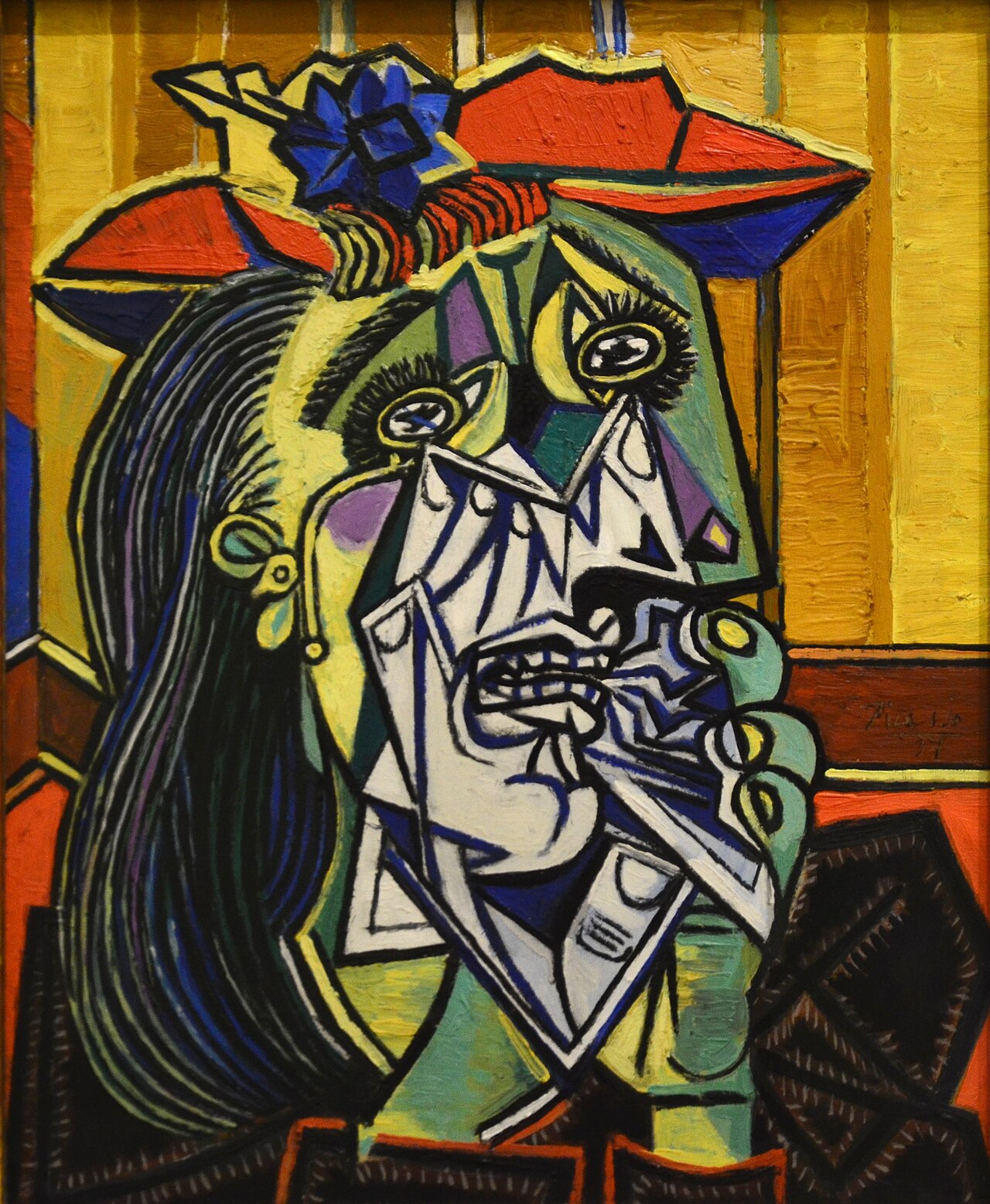
The Weeping Woman
Pablo Picasso · 1937
Picasso's 1937 cubist painting of a grieving woman, connected to his work on Guernica.
This painting, created by Picasso himself, shows his personal exploration of grief tied to Guernica.
About this source
What it is
This is a 1937 painting by Pablo Picasso showing a weeping woman with a distorted, multicolored face, large tear-shaped eyes, and a handkerchief pressed to her mouth.
Why it matters
The painting is a study of grief, made in the same year as Picasso's famous mural Guernica, which responded to the bombing of a Spanish town during the Spanish Civil War. It reveals how Picasso used fractured, cubist forms to express intense emotion rather than realistic appearance.
Look closer
- How does the broken, multicolored face change the way we feel about the woman's grief?
- Why might an artist choose distortion instead of realism to show sadness?
- What does the painting leave out that a photograph of grief might show?
This painting is part of the curated material that grounds the AI version of Pablo Picasso on Humy.ai — when students ask about related events, the AI can quote it and cite it.
More Pablo Picasso sources
Browse all 93 →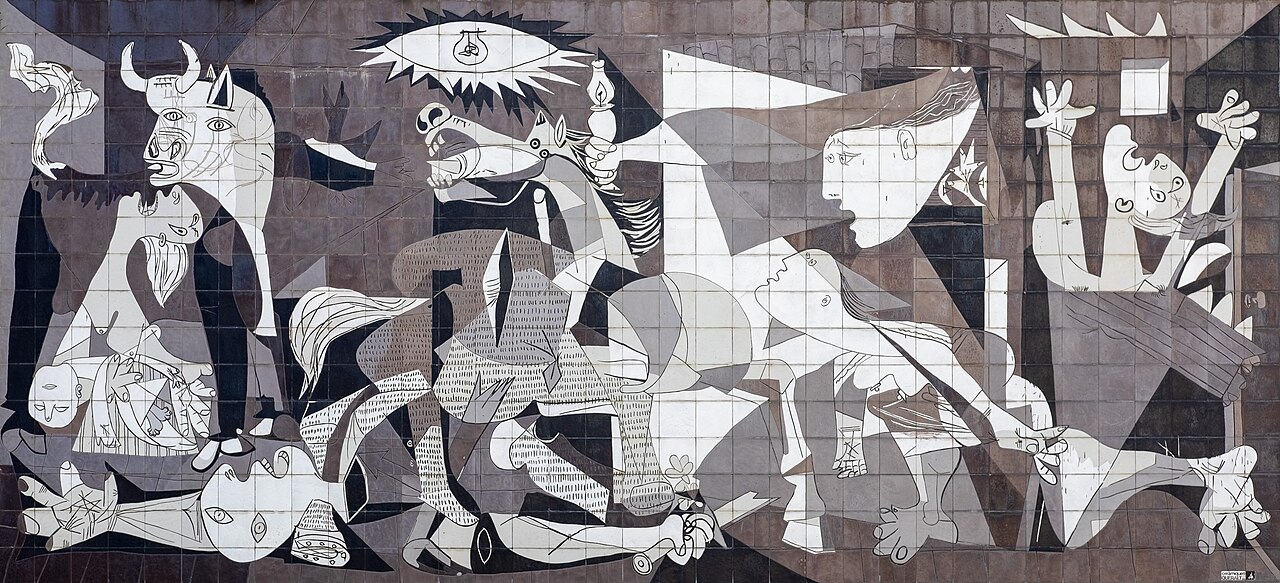 Painting
Primary source
Guernica
Pablo Picasso · 1937
 Photograph
Primary source
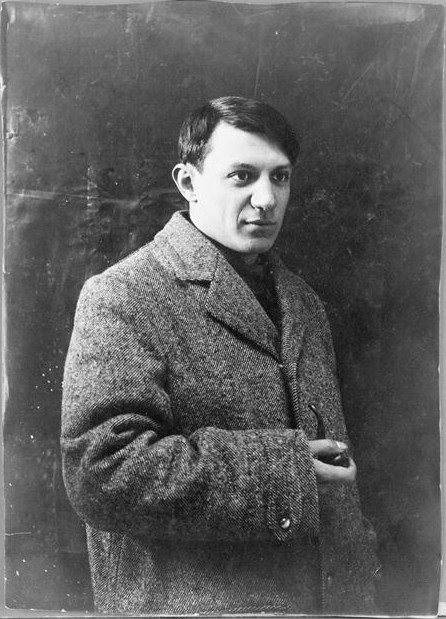
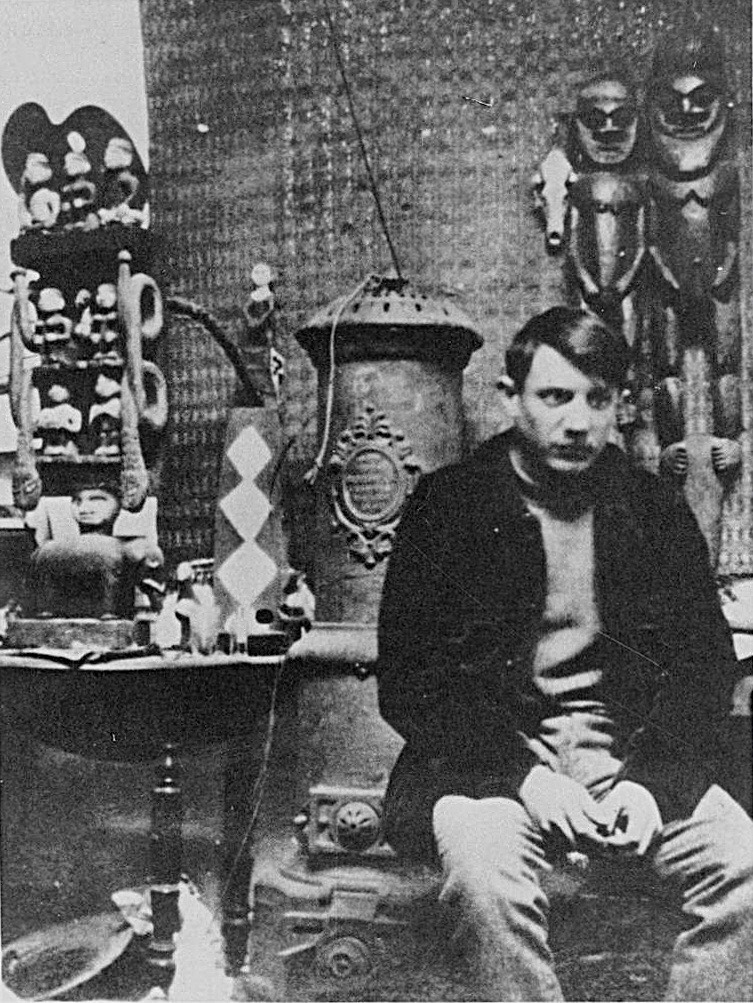
Portrait de Picasso, 1908
Anonymous Unknown author · 1908
Primary source
Recording of the voice of Pablo Picasso
Pablo Picasso
 Painting
Primary source
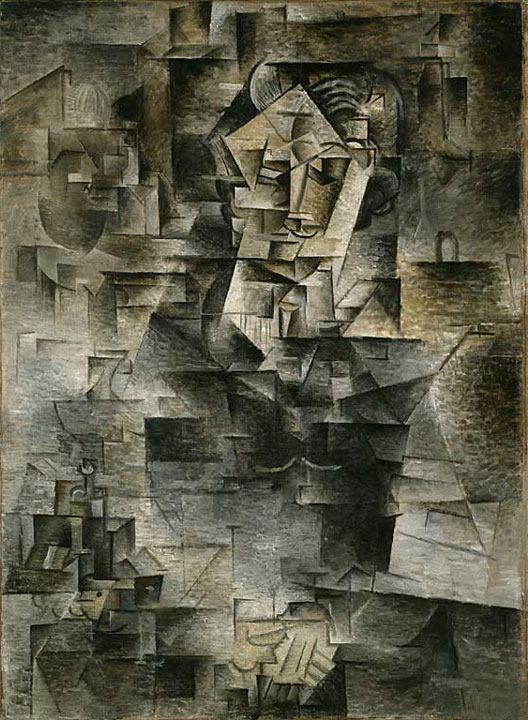
Portrait de Daniel Henry Kahnweiler
Pablo Picasso · 1910
Free account
Read every Pablo Picasso source
Sign up free →
Ready when you are
Start chatting with Pablo Picasso now.
20 messages free · No credit card · Available in 50+ languages.