


Primary sourceBook1851
The Wisdom of Life
Arthur Schopenhauer · 1851
An essay by Arthur Schopenhauer on how to live well despite life's suffering, part of his collection Parerga and Paralipomena.
Schopenhauer's own practical essay, the work that brought him his widest popular readership.
Free Humy account · No credit card · 120,912 sources to read
About this source
What it is
This essay, known as the 'Aphorisms on the Wisdom of Life', was written by Arthur Schopenhauer and published in 1851 as part of his collection Parerga and Paralipomena.
Why it matters
Though Schopenhauer's philosophy held that existence was fundamentally painful, here he set that view aside to offer practical advice on living a satisfying life. It became one of his most widely read works, showing a more approachable, worldly side of a thinker usually associated with deep pessimism.
Look closer
- Why might a pessimist philosopher still write a guide to happiness?
- How does Schopenhauer separate his personal advice from his larger philosophical system?
- What does the popularity of this essay suggest about why people read philosophy?
This book is part of the curated material that grounds the AI version of Arthur Schopenhauer on Humy.ai — when students ask about related events, the AI can quote it and cite it.
More Arthur Schopenhauer sources
Browse all 94 →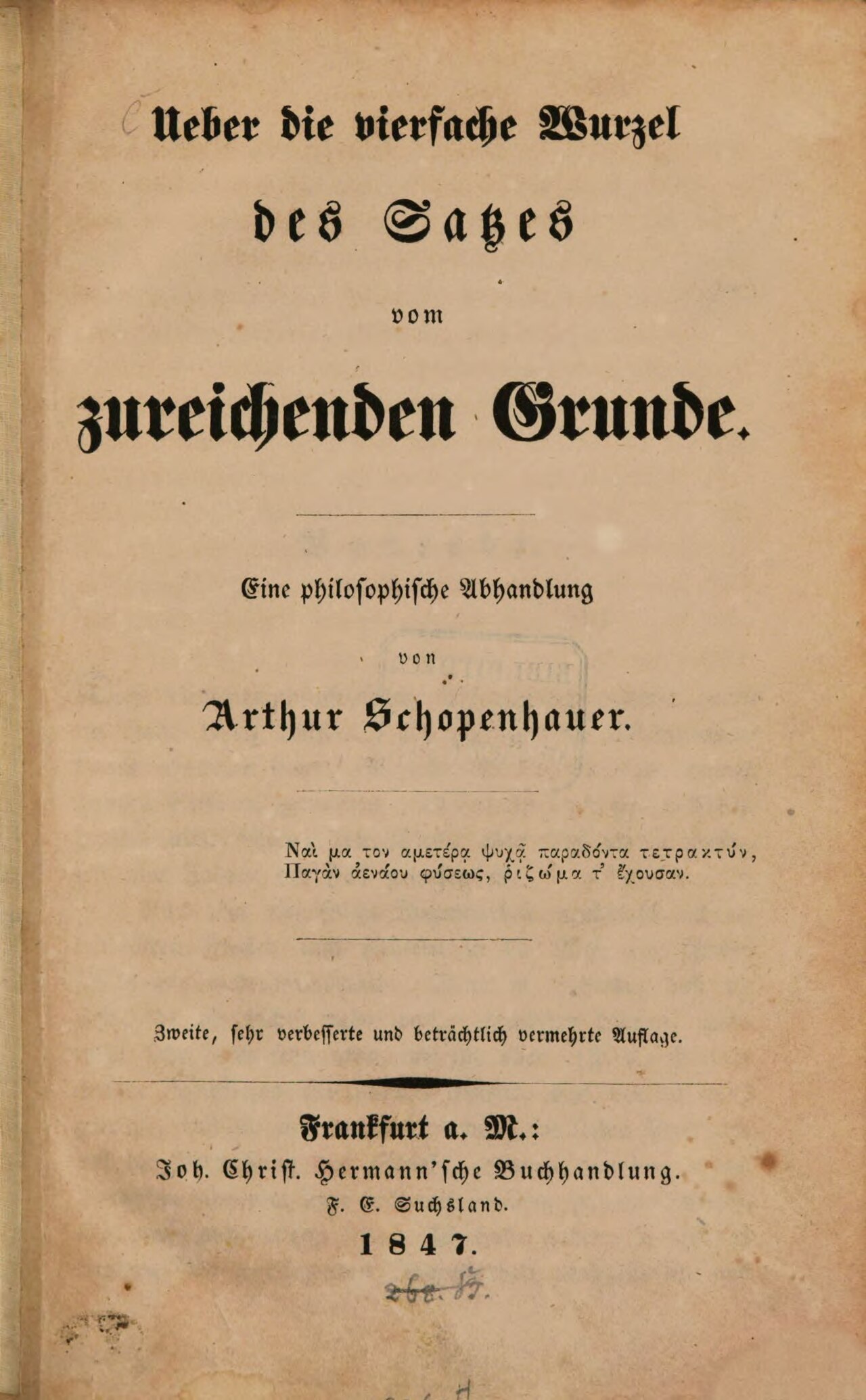 Book
Primary source
On the Fourfold Root of the Principle of Sufficient Reason
Arthur Schopenhauer · 1813, revised 1847
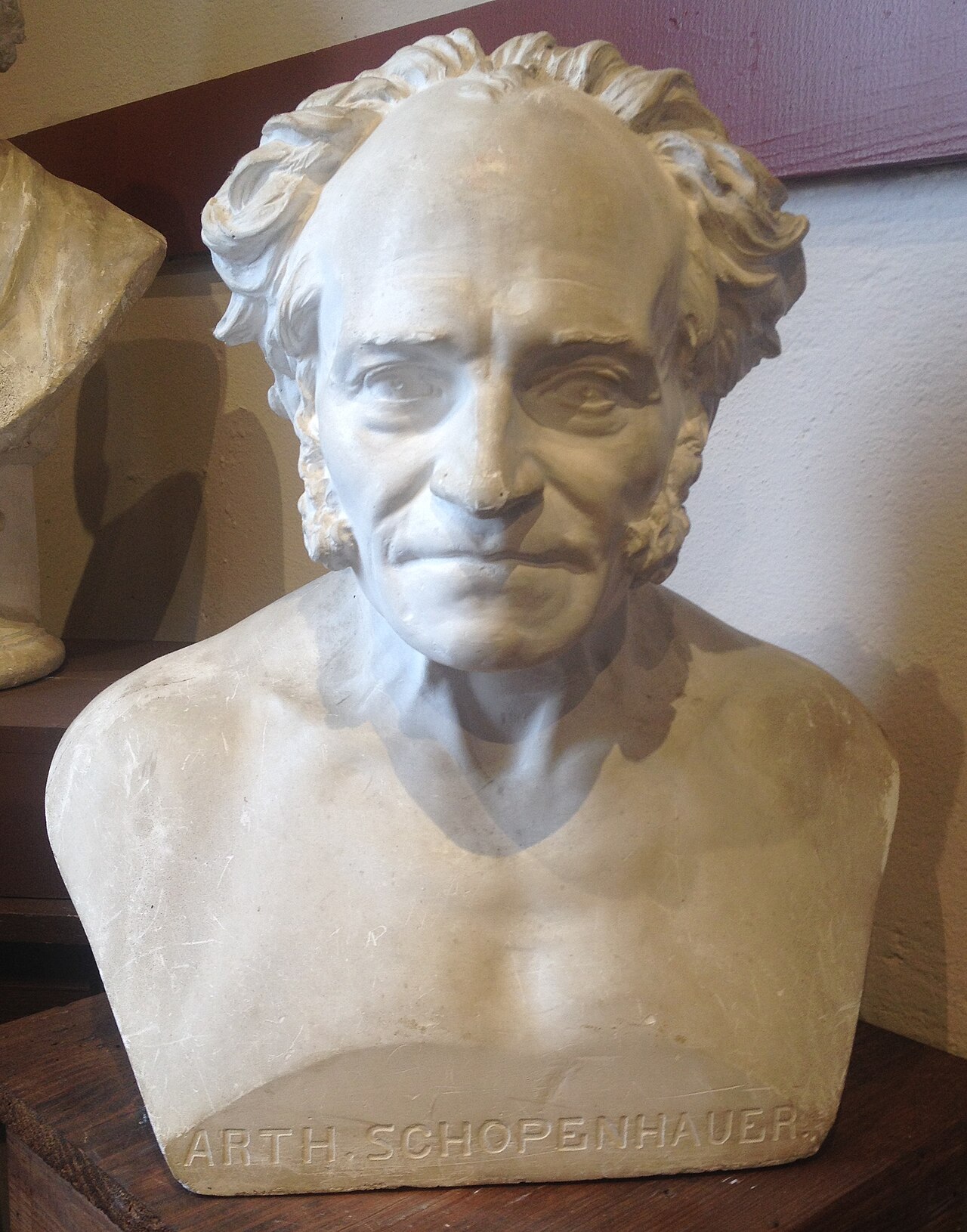
 Photograph
Primary source
Portrait of Arthur Schopenhauer
Johann Schäfer · 1859
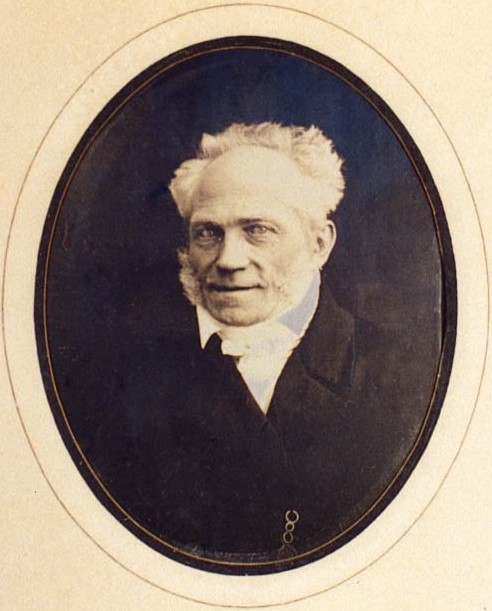
 Painting
Primary source
Arthur Schopenhauer Portrait by Ludwig Sigismund Ruhl
Ludwig Sigismund Ruhl · 1815
Primary source
On the Basis of Morality
Arthur Schopenhauer · 1839, published 1840/41
Free account
Read every Arthur Schopenhauer source
Sign up free →
Ready when you are
Start chatting with Arthur Schopenhauer now.
20 messages free · No credit card · Available in 50+ languages.