


Primary sourcePainting1750
The Yongzheng Emperor Offering Sacrifice at the Xiannong Altar
1750
A handscroll from 1750 recording the Yongzheng Emperor performing the ceremonial rite of sacrifice at the Altar of the God of Agriculture.
This scroll depicts Yongzheng performing the agricultural rite, promoting his image as a ruler devoted to the people's livelihood.

About this source
What it is
This is a long handscroll painting dated 1750, held by the Palace Museum, Beijing. It depicts a procession of robed officials walking through a park toward a walled complex, recording the emperor's performance of the agricultural sacrifice rite at the Xiannong Altar.
Why it matters
The scroll presents Yongzheng as a ruler devoted to farming and the wellbeing of ordinary people, since the rite symbolically connected the emperor to the land and its harvests. Such ceremonial paintings were made to record and promote an official image of good, careful government for later viewers at court.
Look closer
- Why would an emperor want to be shown performing a farming ritual rather than, say, a military one?
- What does the scale and formality of the procession suggest about the importance of this ceremony?
- Who do you think this painting was made to be seen by?
This painting is part of the curated material that grounds the AI version of Yongzheng Emperor on Humy.ai — when students ask about related events, the AI can quote it and cite it.
More Yongzheng Emperor sources
Browse all 86 →Primary source
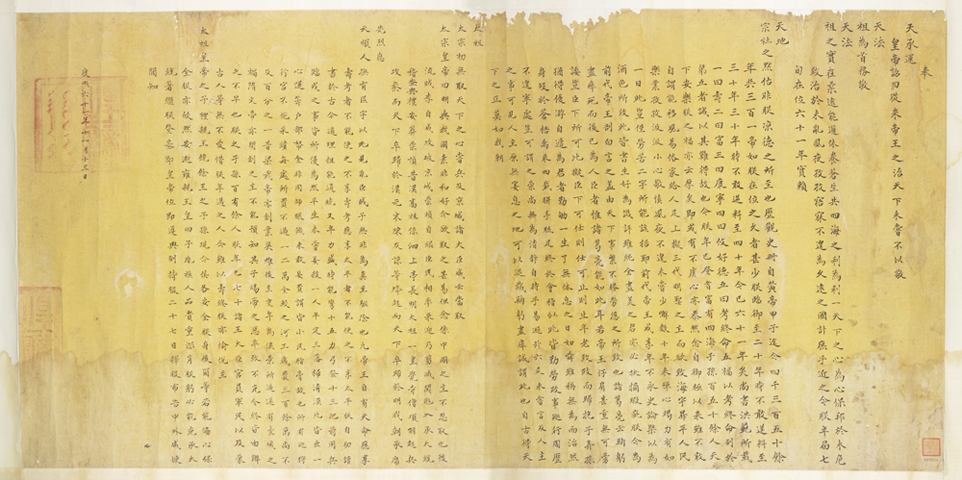
Da Yi Jue Mi Lu
Yongzheng Emperor
 Document
Primary source
The Kangxi Emperor's Last Will and Testament
Kangxi Emperor
 Painting
Primary source
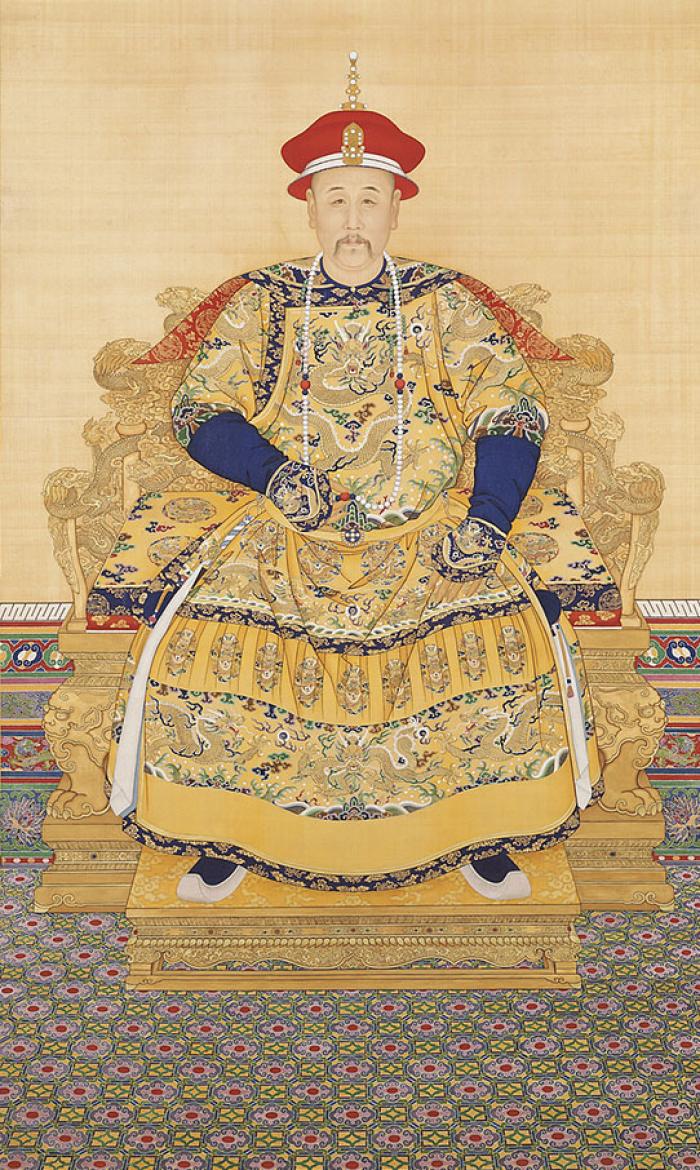
Portrait of the Yongzheng Emperor in Court Dress
anonymous court artists · 1723-1735
 Document
Primary source
Palace Memorial on the Respectful Return of Previous Vermilion Rescripts
Yongzheng Emperor

Free account
Read every Yongzheng Emperor source
Sign up free →
Ready when you are
Start chatting with Yongzheng Emperor now.
20 messages free · No credit card · Available in 50+ languages.