


Secondary sourcePainting1853
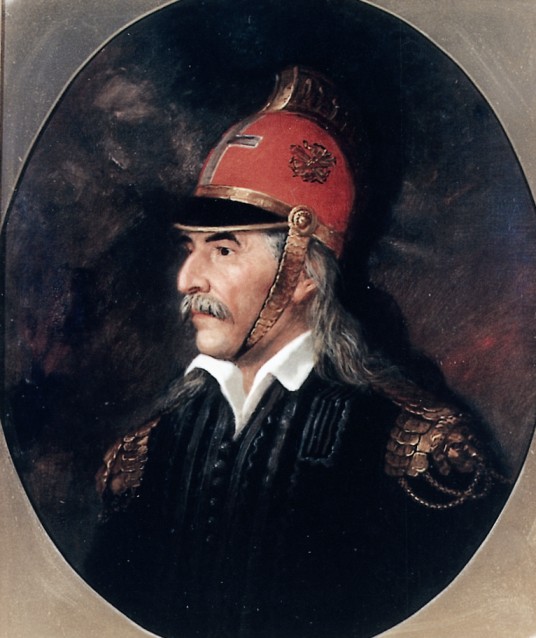
Theodore Kolokotronis
Dionysios Tsokos · 1853
An 1853 oil portrait by Dionysios Tsokos, painted a decade after Kolokotronis's death, showing him as the iconic 'Old Man of the Morea'.
Painted a decade after his death, this portrait helped create the lasting national image of Kolokotronis as a Revolutionary hero.
About this source
What it is
This is an oval oil painting by the Greek artist Dionysios Tsokos, made in 1853, ten years after the death of Theodoros Kolokotronis. It shows him in profile as an older man with long grey hair and mustache, wearing a red helmet decorated with a double-headed eagle emblem and a dark jacket with gold epaulettes.
Why it matters
Painted after his death, this portrait helped fix the lasting national image of Kolokotronis as a heroic elder statesman of the Greek Revolution, often remembered as the 'Old Man of the Morea'. It shows how artists shaped the memory of Revolutionary leaders for later generations of Greeks.
Look closer
- Since this was painted after Kolokotronis died, what choices might the artist have made rather than painting from life?
- What does the helmet and its emblem suggest about how the artist wanted him to be remembered?
- How might this painted memory differ from the earlier portraits made during his lifetime?
This painting is part of the curated material that grounds the AI version of Theodoros Kolokotronis on Humy.ai — when students ask about related events, the AI can quote it and cite it.
More Theodoros Kolokotronis sources
Browse all 62 →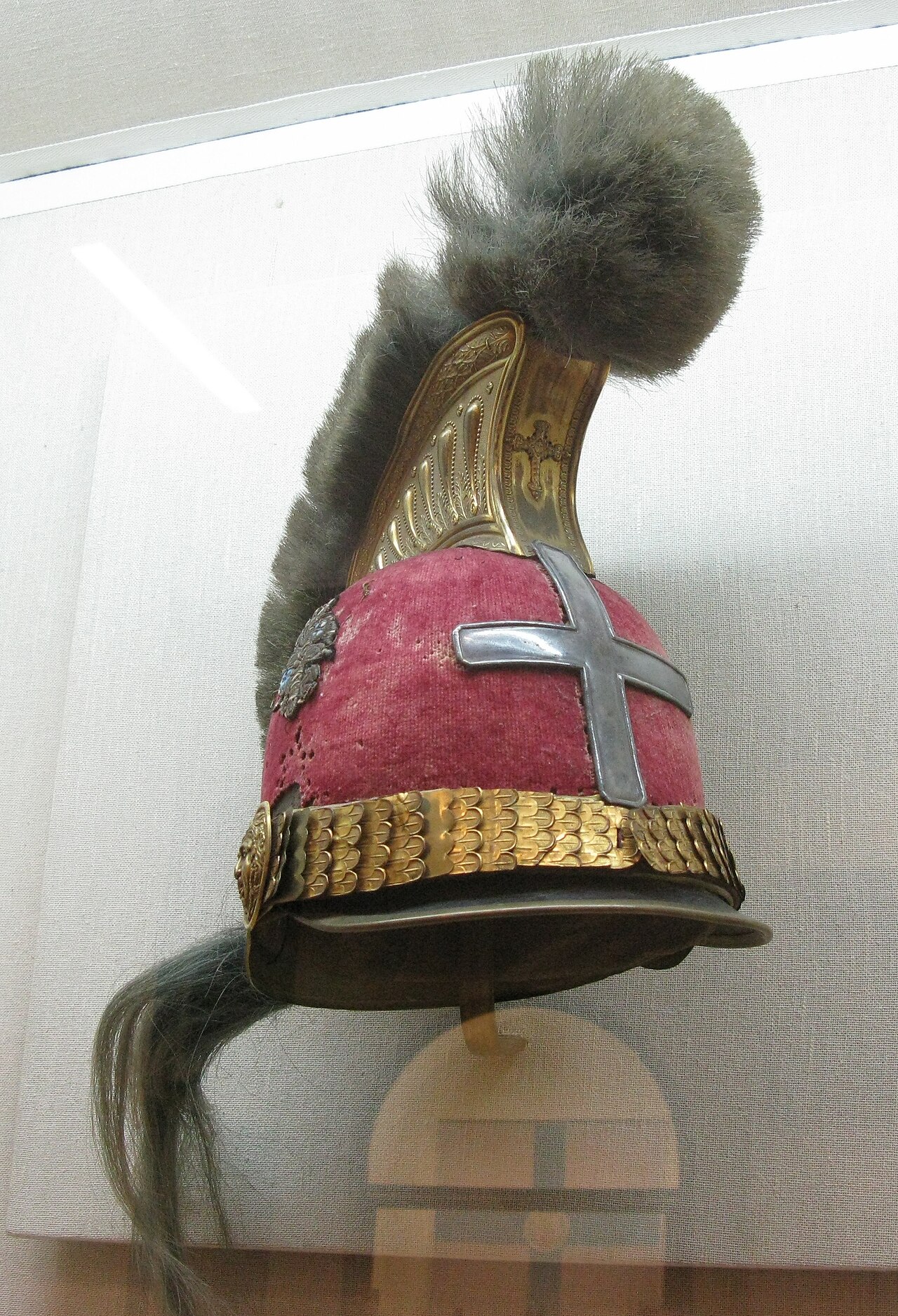 Artifact
Primary source
Helmet of Theodoros Kolokotronis
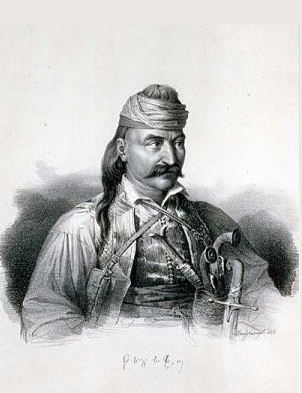 Painting
Primary source
Portrait of Kolokotronis by Karl Krazeisen
Karl Krazeisen · 1827
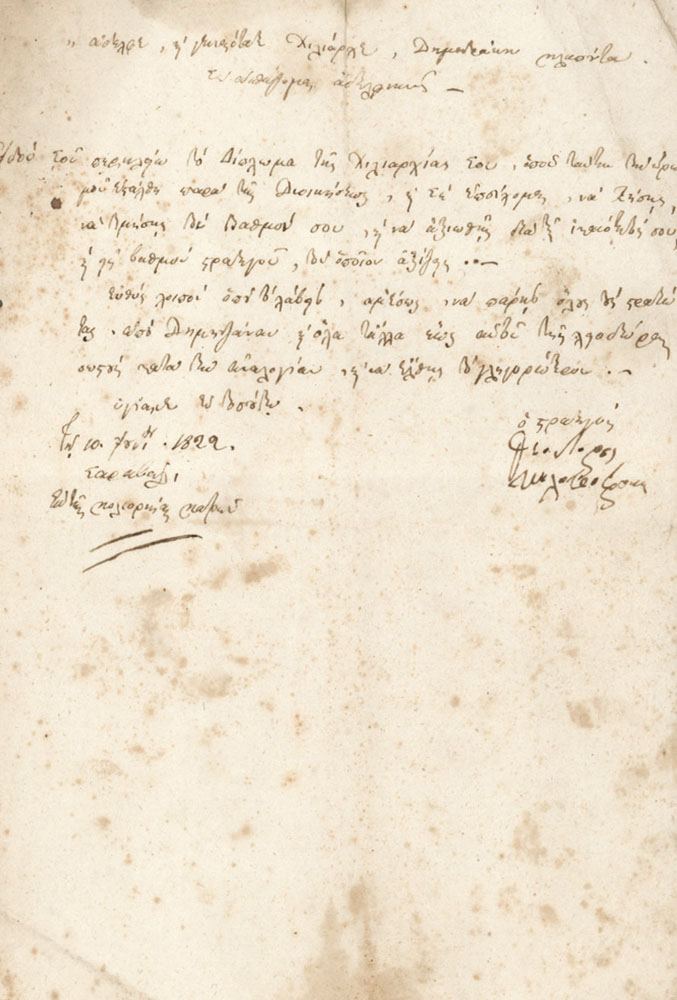 Letter
Primary source
Letter to Dimitrakis Plapoutas
Theodoros Kolokotronis · 10 June 1822
 Document
Primary source
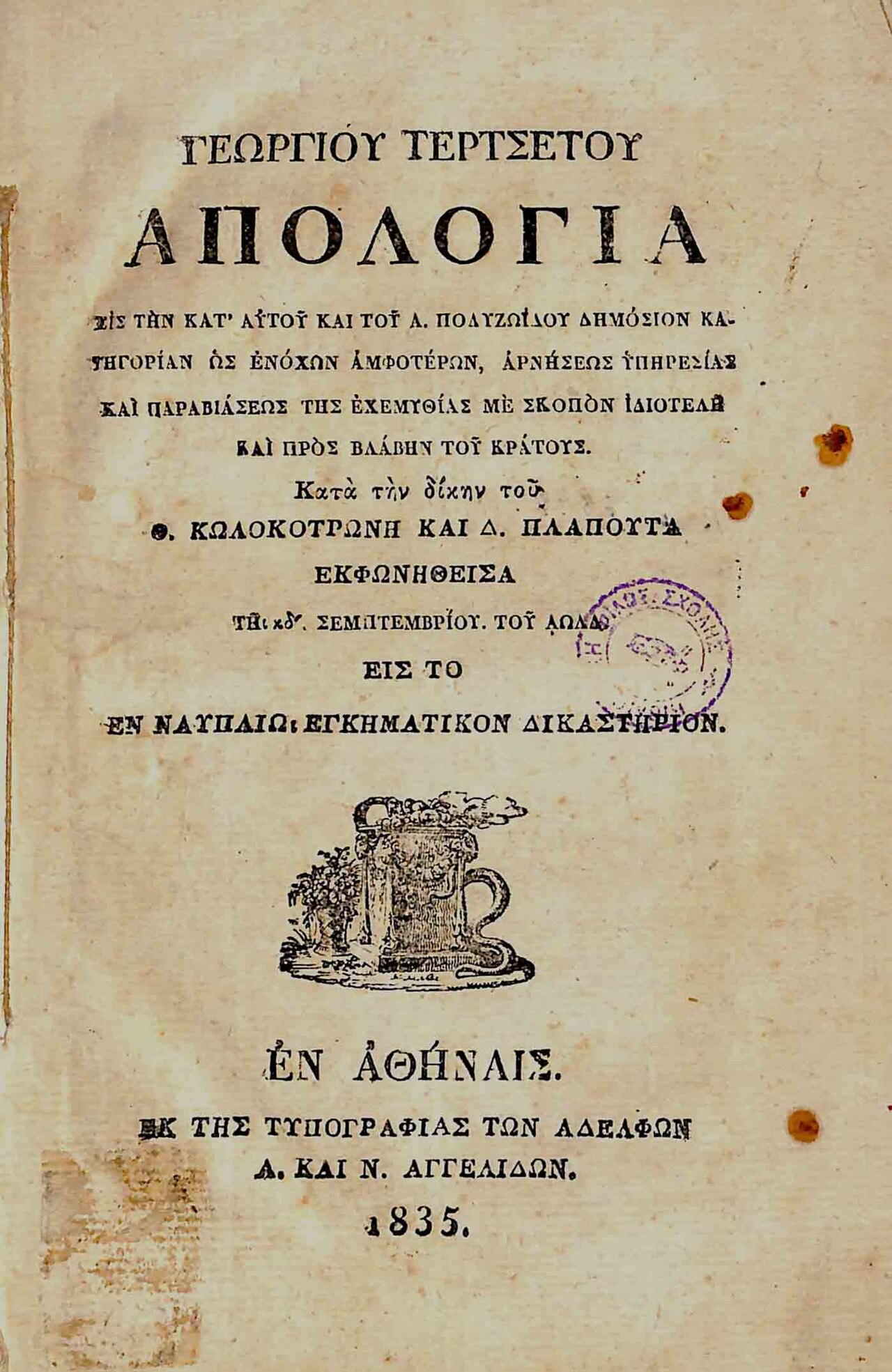
Apology of Kolokotronis and Plapoutas
Georgios Tertsetis · 1835
Free account
Read every Theodoros Kolokotronis source
Sign up free →
Ready when you are
Start chatting with Theodoros Kolokotronis now.
20 messages free · No credit card · Available in 50+ languages.