


Primary sourceBook1835
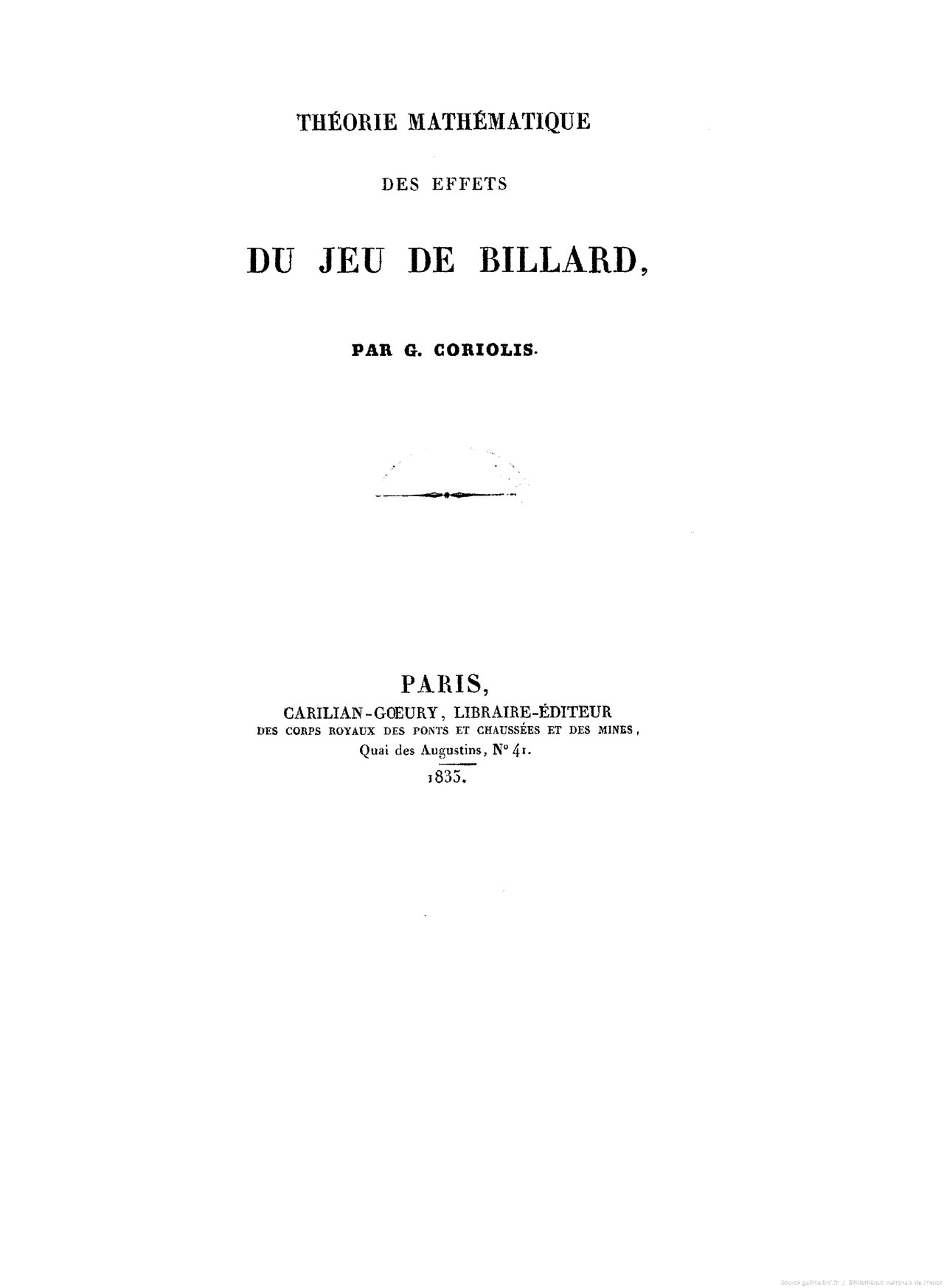
Théorie mathématique des effets du jeu de billard
Gustave Coriolis · 1835
Coriolis's 1835 treatise applying rigid-body dynamics and friction to billiard-ball collisions.
This is Coriolis's own 1835 treatise applying his mechanics to the physics of billiard balls.
Free Humy account · No credit card · 120,912 sources to read
About this source
What it is
This is the title page of a book written by G. Coriolis, printed in Paris in 1835 by Carilian-Goeury. The facsimile shown is a reproduction of the original printed work.
In the preface, Coriolis explains that the modern game of billiards, played with cues that give balls strong spin, raises interesting problems in dynamics, which he set out to solve mathematically after watching a well-known player, Mingaud, produce unusual effects with the balls.
Why it matters
The book shows Coriolis applying rigorous mechanics — including rotation, collision and friction — to something as ordinary as a game, aimed at students like those at the École Polytechnique. It reveals how serious scientists of his time treated everyday phenomena as worthy of careful mathematical study.
Look closer
- Why might a mathematician choose to write a whole book about something as playful as billiards?
- What does the preface tell you about who the book was written for?
- What does this choice of topic suggest about how science connected to daily life in the 19th century?
This book is part of the curated material that grounds the AI version of Gaspard-Gustave de Coriolis on Humy.ai — when students ask about related events, the AI can quote it and cite it.
More Gaspard-Gustave de Coriolis sources
Browse all 12 →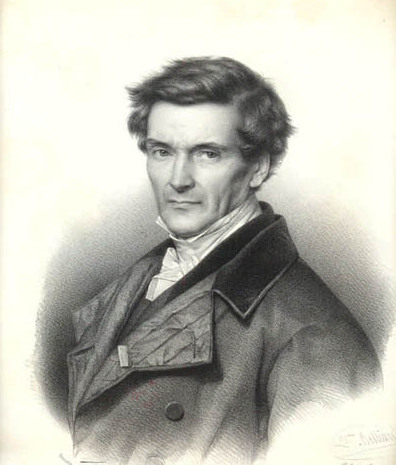 Painting
Secondary source
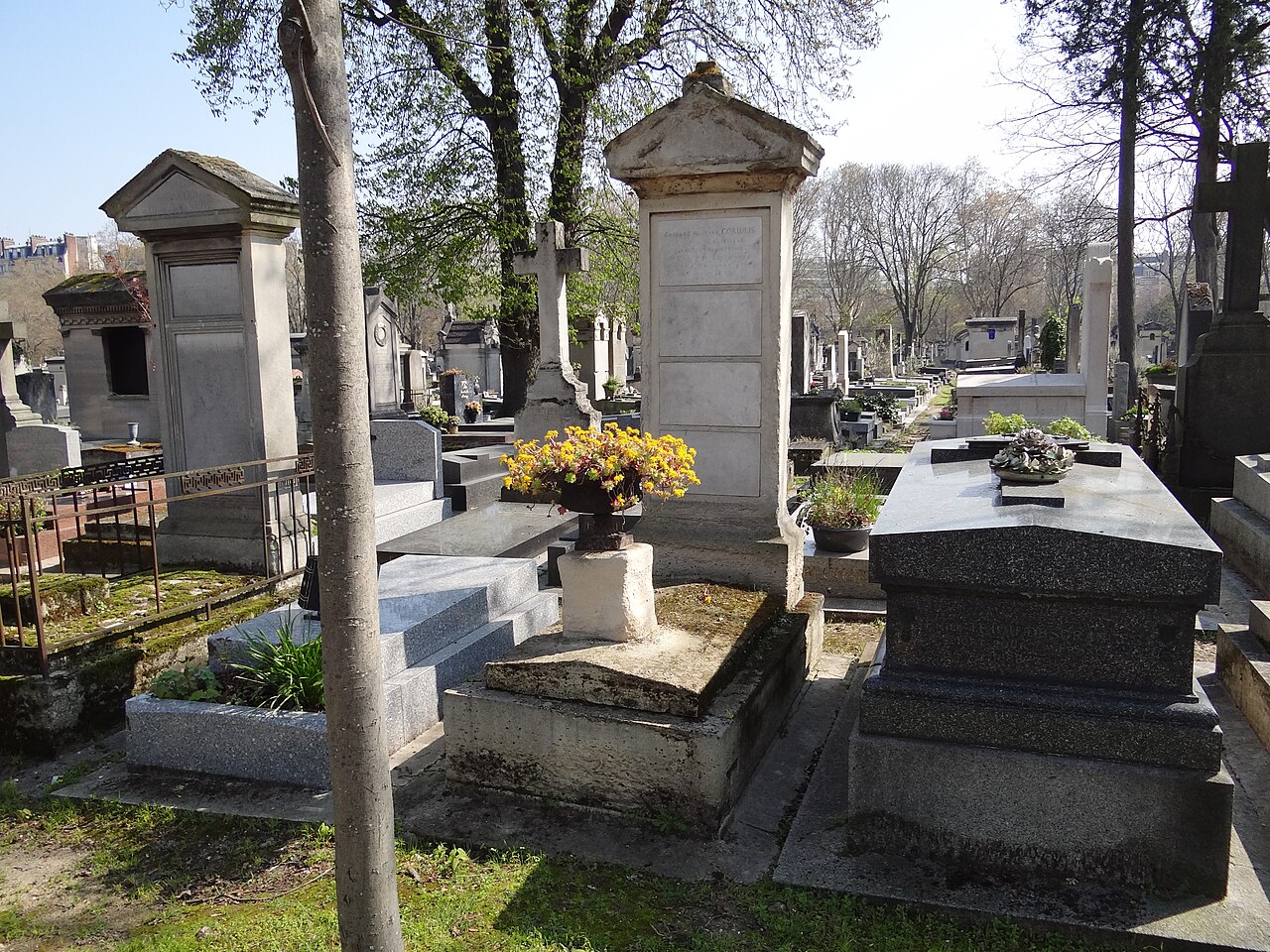
Portrait of Gaspard-Gustave de Coriolis
 Document
Primary source
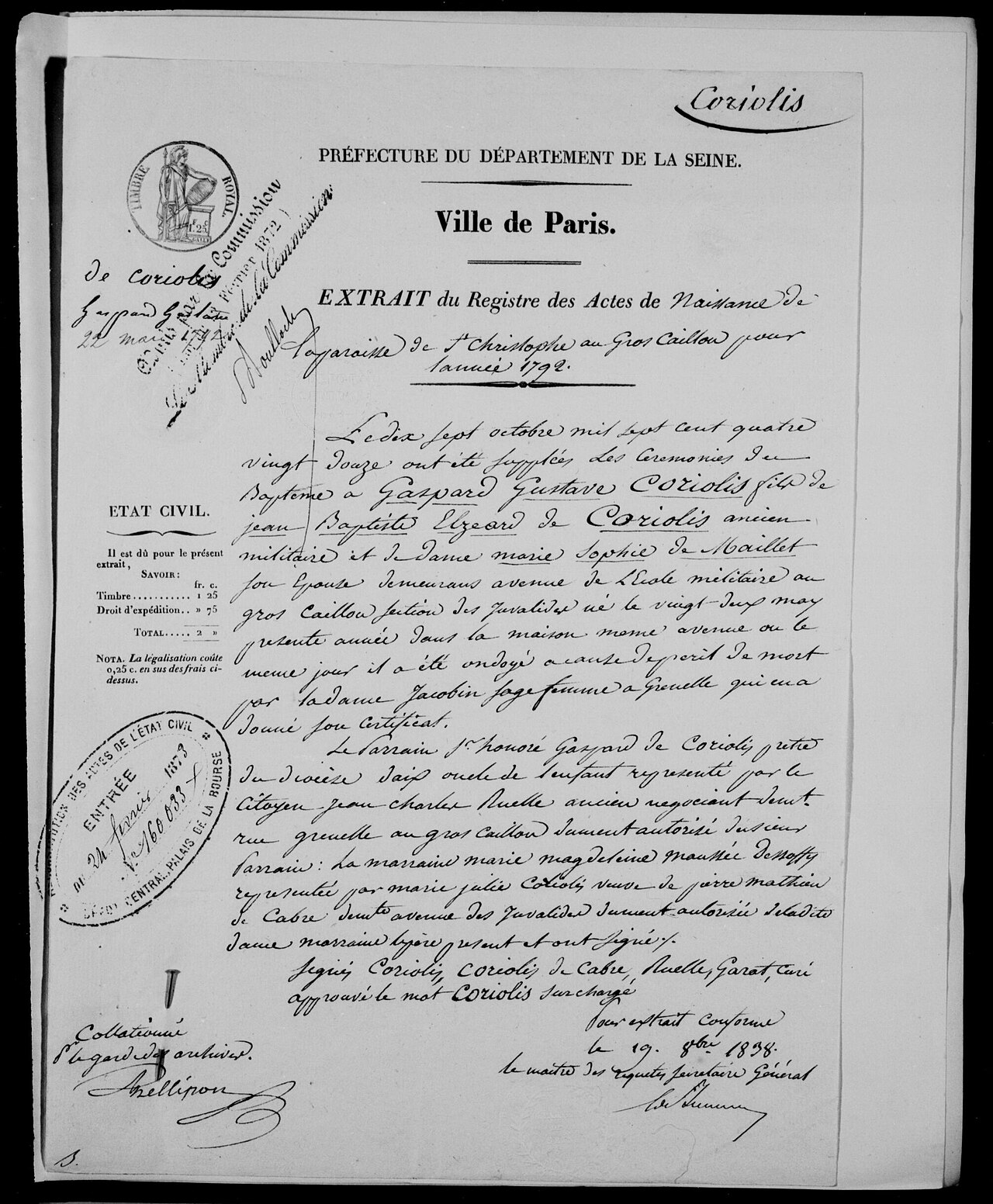
Acte de baptême de Gaspard-Gustave de Coriolis
État civil reconstitué de Paris · baptised 17 October 1792
 Artifact
Secondary source
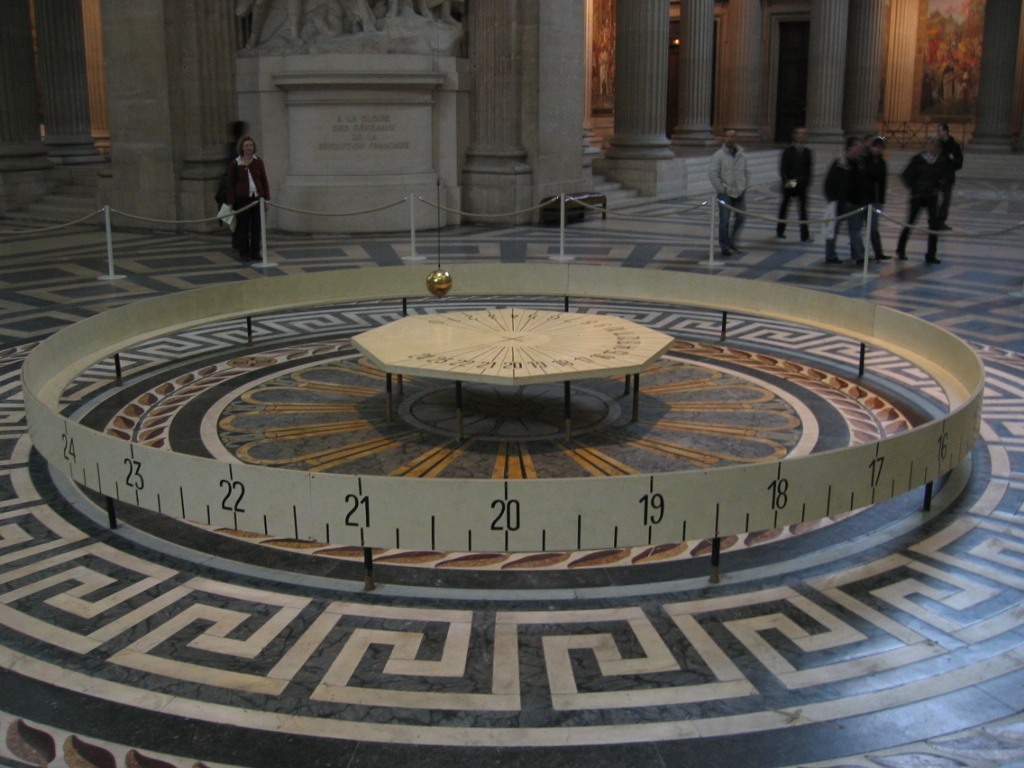
Foucault Pendulum
Léon Foucault · 1851
 Document
Primary source
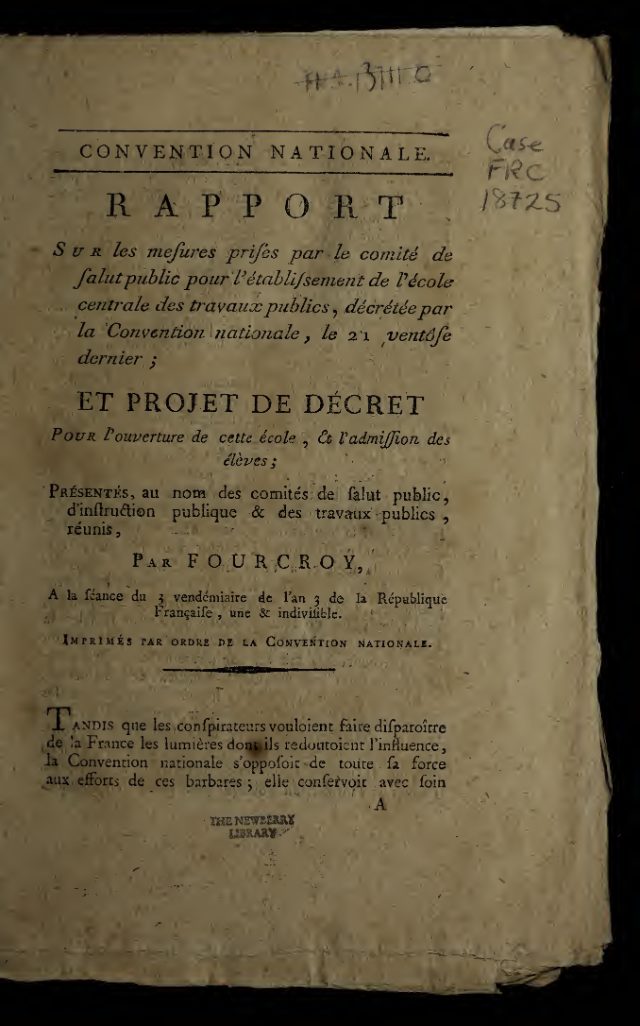
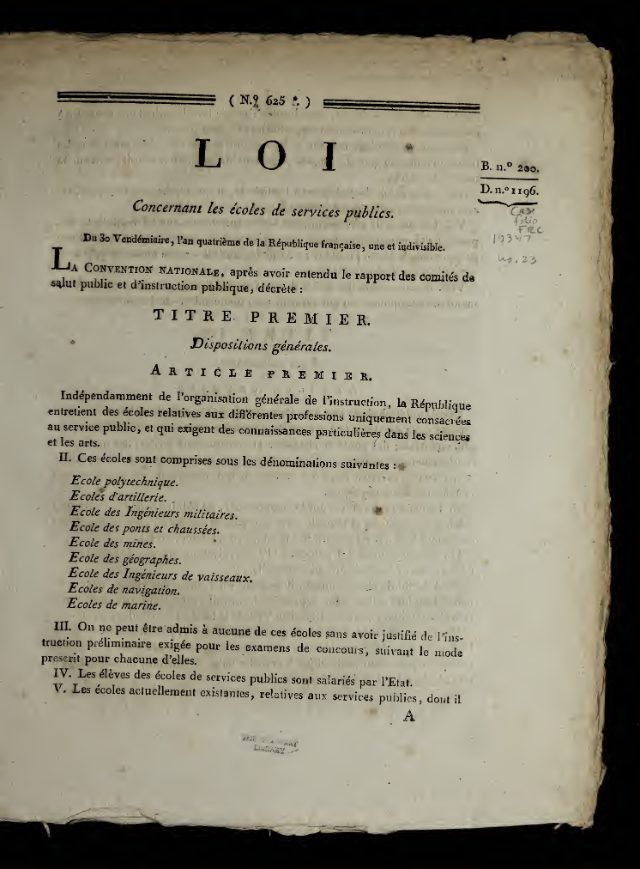
Report on the Founding of the École Centrale des Travaux Publics
Antoine-François de Fourcroy · 1794
Free account
Read every Gaspard-Gustave de Coriolis source
Sign up free →
Ready when you are
Start chatting with Gaspard-Gustave de Coriolis now.
20 messages free · No credit card · Available in 50+ languages.