


Primary sourceBookc. 1788
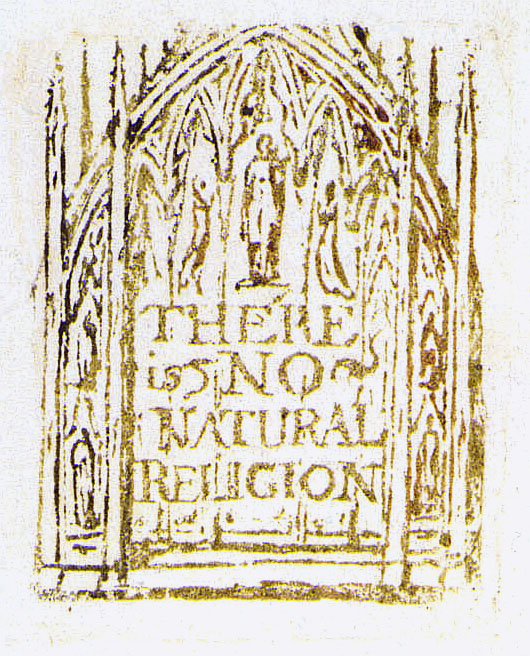
There is No Natural Religion
William Blake · c. 1788
One of Blake's earliest illuminated works, combining his own invented relief-etching technique with philosophical arguments against pure empiricism.
This is one of Blake's earliest works in his self-invented printing method, showing his philosophical thinking in his own words.
Free Humy account · No credit card · 120,912 sources to read
About this source
What it is
This is a short series of philosophical statements written and etched by William Blake around 1788, held by the Victoria and Albert Museum. It was made using relief etching, a printing method Blake invented himself to combine text and image on the same plate.
Why it matters
This was one of Blake's first successful illuminated manuscripts, and it marks an important turning point: instead of splitting the work of writing, drawing, engraving and printing among different people, Blake did it all himself. The argument inside challenges the idea that human knowledge comes only from the senses, showing Blake's early interest in imagination and perception.
Look closer
- Why might Blake have wanted full control over every stage of making a book?
- What does the combination of text and image suggest about how Blake wanted his ideas to be read?
- What is being argued here, and why might that have been controversial at the time?
This book is part of the curated material that grounds the AI version of William Blake on Humy.ai — when students ask about related events, the AI can quote it and cite it.
More William Blake sources
Browse all 75 →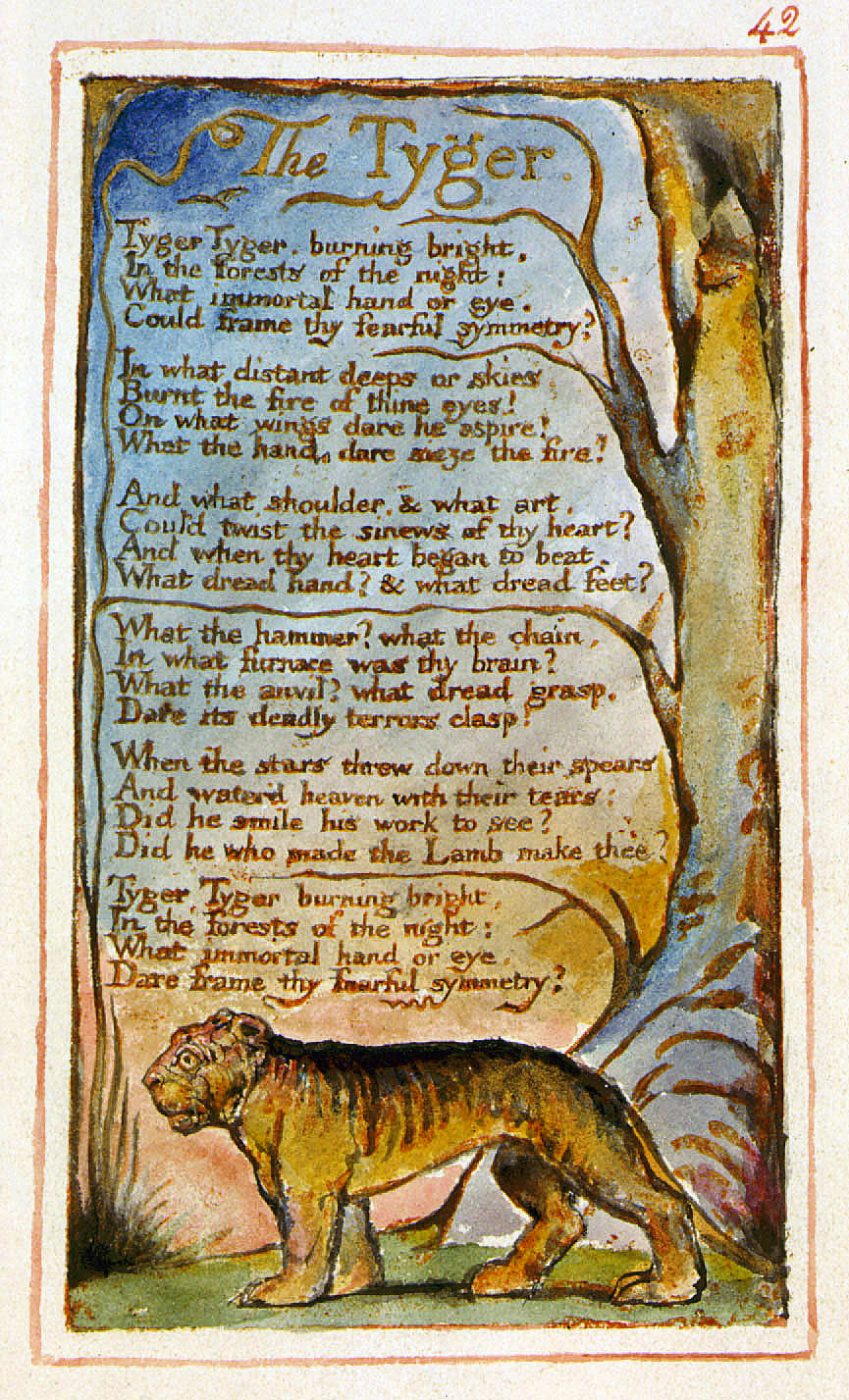 Book
Primary source
The Tyger
William Blake · 1794
 Book
Primary source
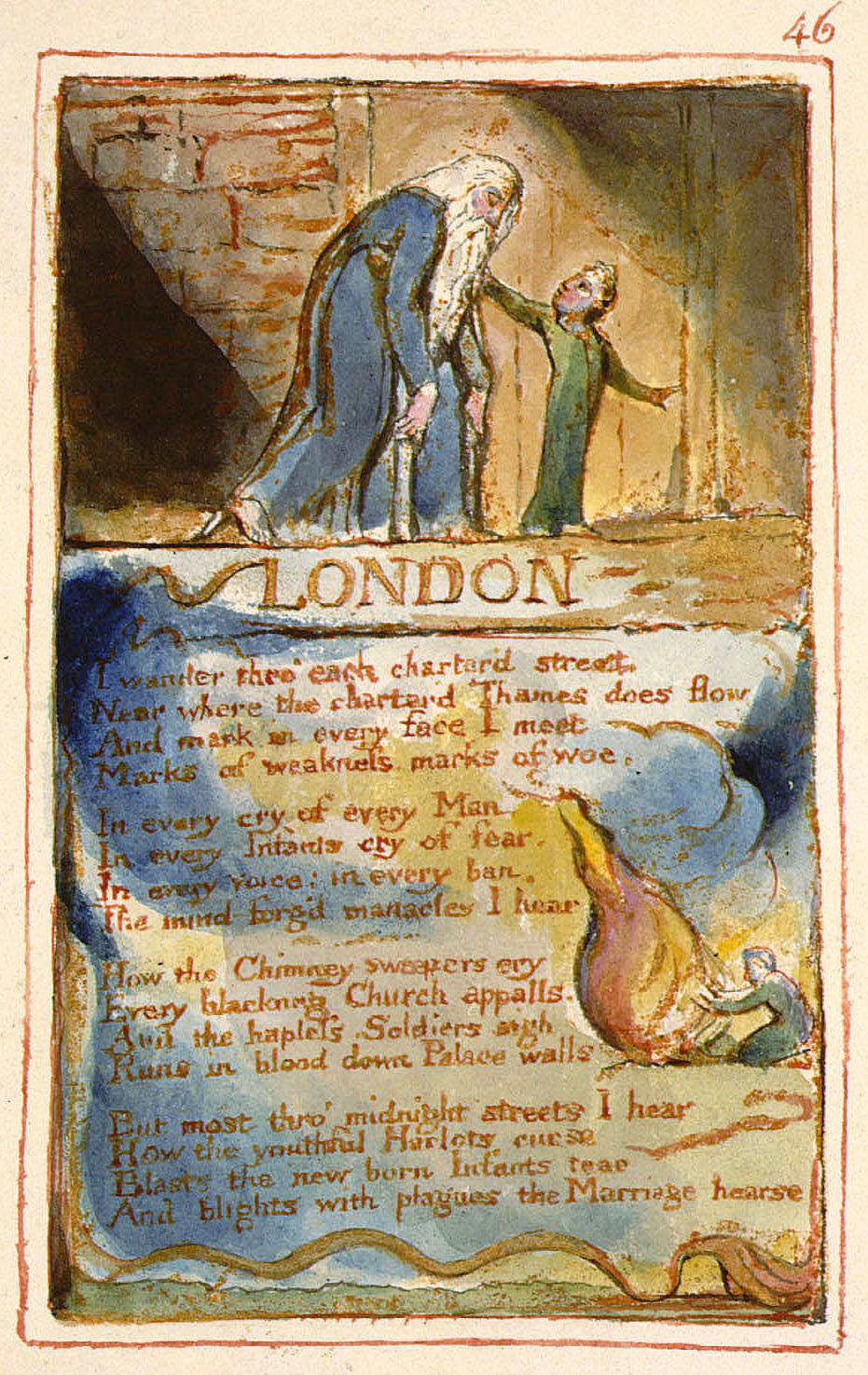
London
William Blake · 1794
 Book
Primary source
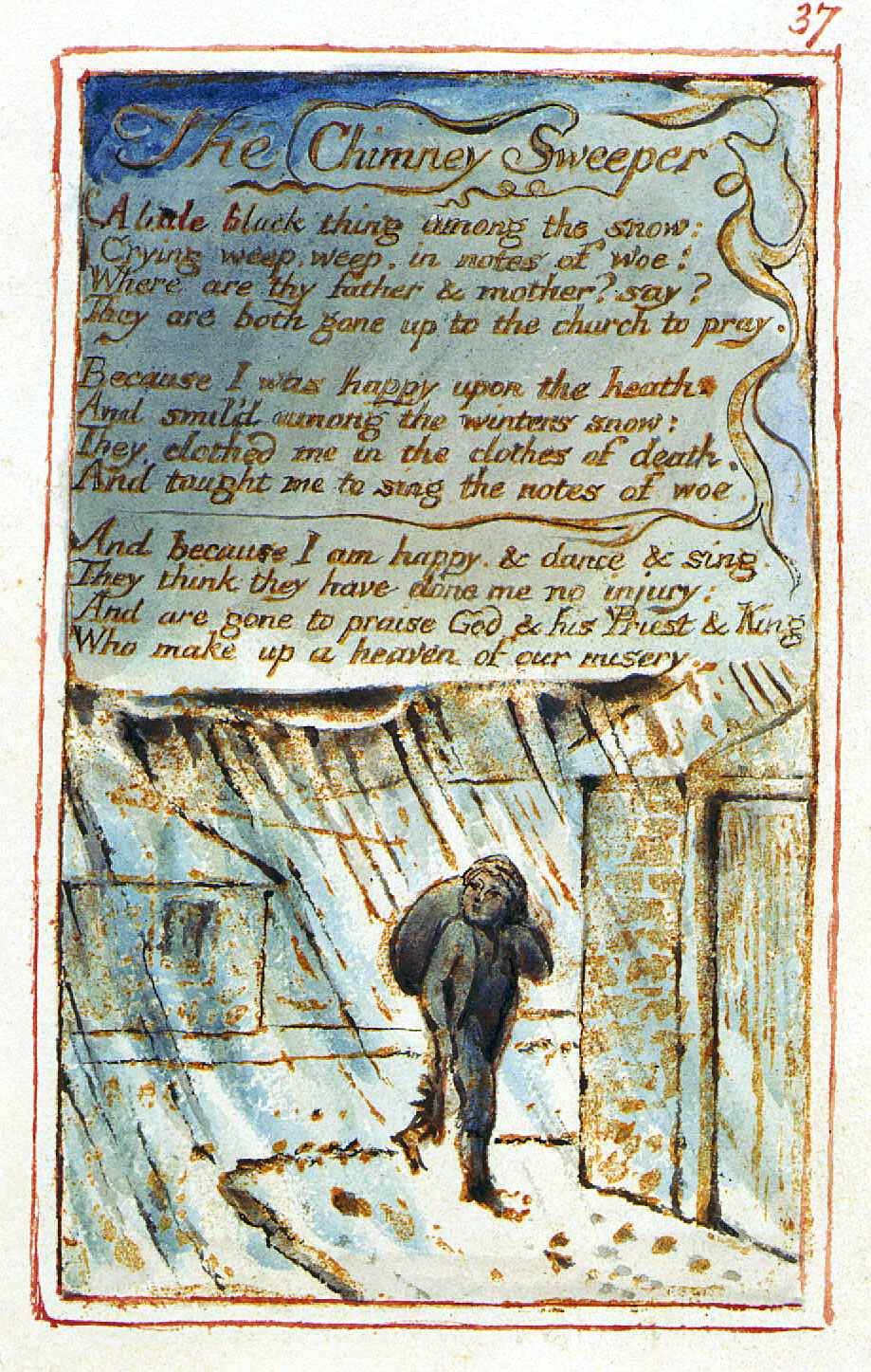
The Chimney Sweeper
William Blake · 1789 and 1794
 Book
Primary source
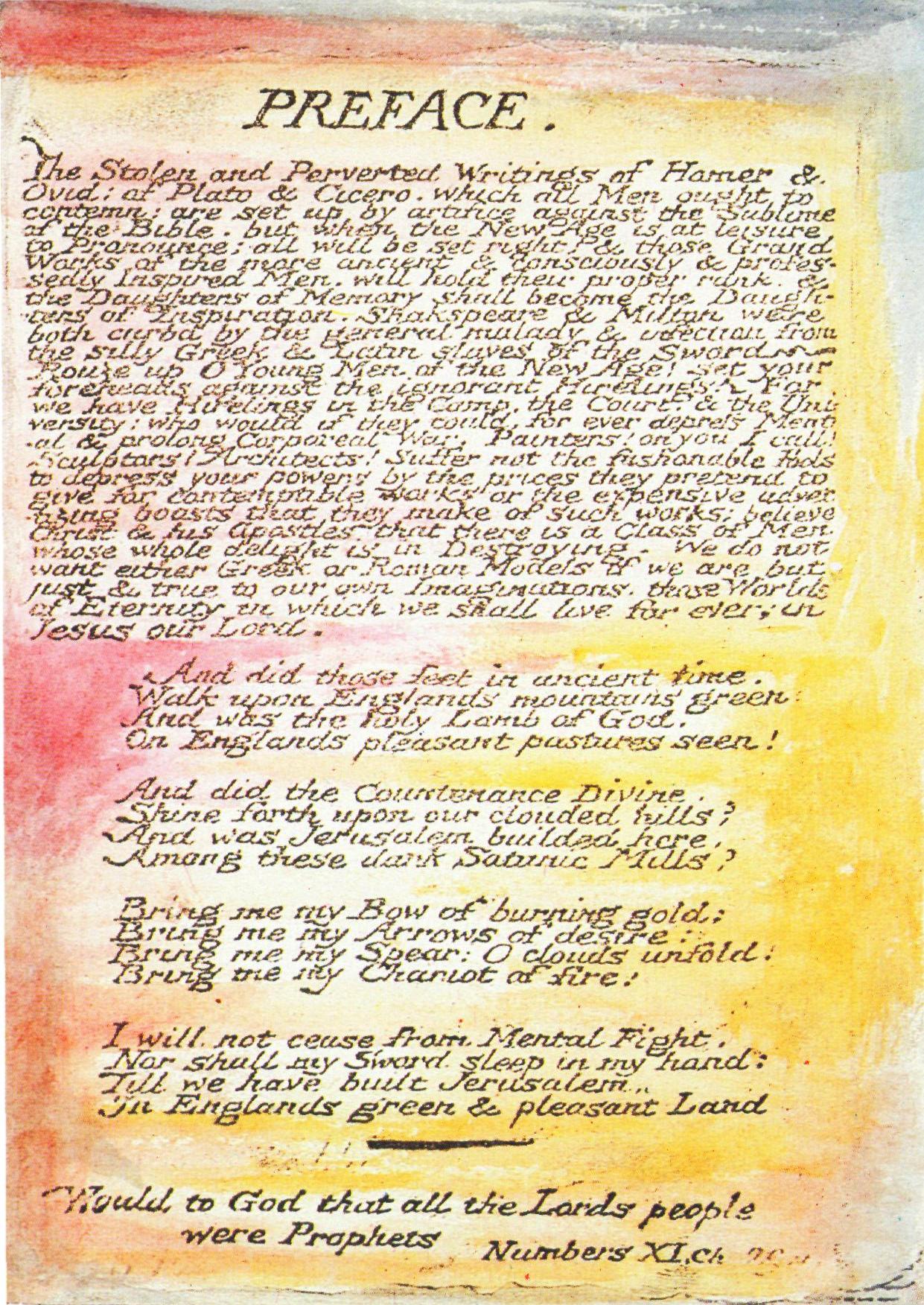
And did those feet in ancient time
William Blake · 1804 (printed c. 1808)
Free account
Read every William Blake source
Sign up free →
Ready when you are
Start chatting with William Blake now.
20 messages free · No credit card · Available in 50+ languages.