


Secondary sourceArtifactc. 200
Thermes de Cluny
Roman builders · c. 200
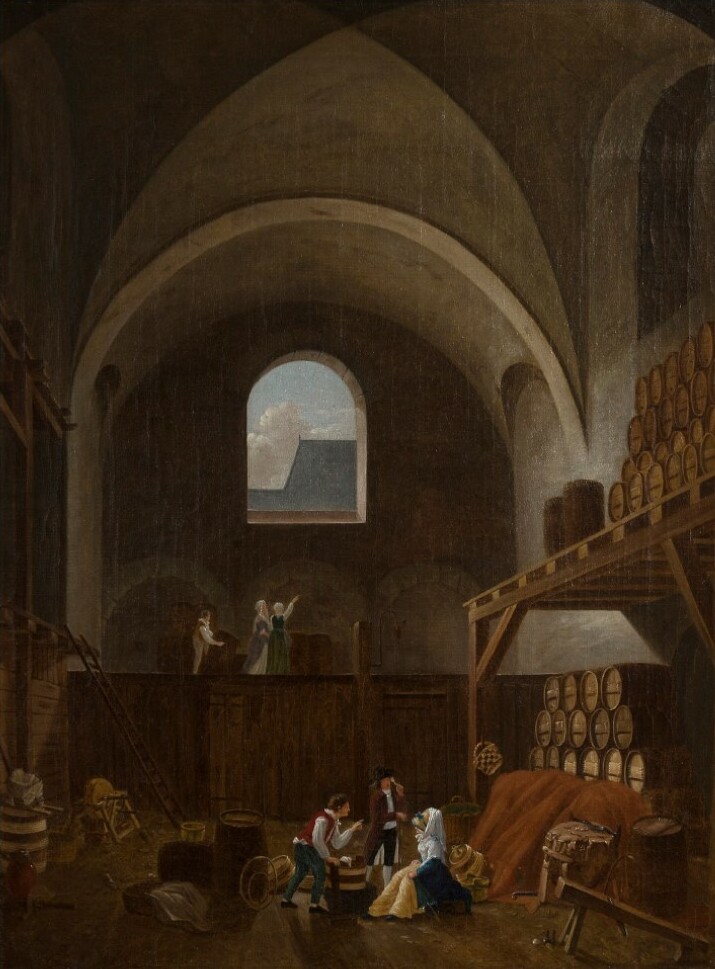
The surviving Roman public baths of Lutetia, part of the city where Julian wintered and was proclaimed Augustus.
Julian wintered in Lutetia and was proclaimed Augustus there, in the city that held these baths.
About this source
What it is
The Thermes de Cluny are the grand public baths of the Roman city of Lutetia, built by Roman builders around 200 AD. They are now part of the Musée de Cluny in Paris, and are the largest and best-preserved Roman remains in the city.
Why it matters
These baths stood in the city where Julian spent a winter and where his soldiers proclaimed him Augustus in 360. Julian wrote fondly about this city later, in his work the Misopogon. The building helps us picture the Roman world Julian lived in and ruled over.
- What does the painting of the baths' interior suggest about daily life in a Roman city?
- Why might Julian have had fond memories of this particular place?
- What is missing from a painting like this that archaeology might tell us instead?
This artifact is part of the curated material that grounds the AI version of Julian on Humy.ai — when students ask about related events, the AI can quote it and cite it.
More Julian sources
Browse all 89 →

Ready when you are
Start chatting with Julian now.
20 messages free · No credit card · Available in 50+ languages.