


Primary sourceArtifact1952
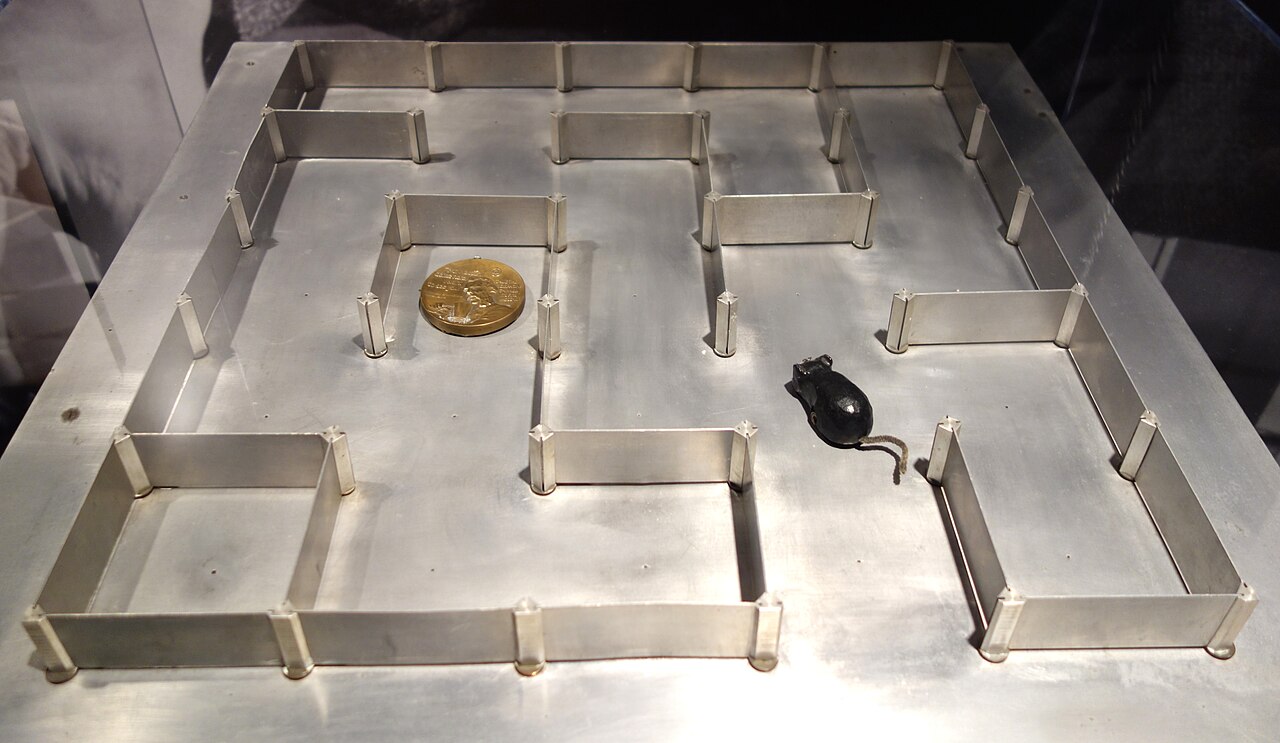
Theseus Maze
Claude Shannon · 1952
Shannon's electromechanical 'mouse' that learned to navigate a maze by trial and error, an early milestone in machine learning.
Shannon built this maze-solving machine, an early milestone in his pioneering work on machine learning.
About this source
What it is
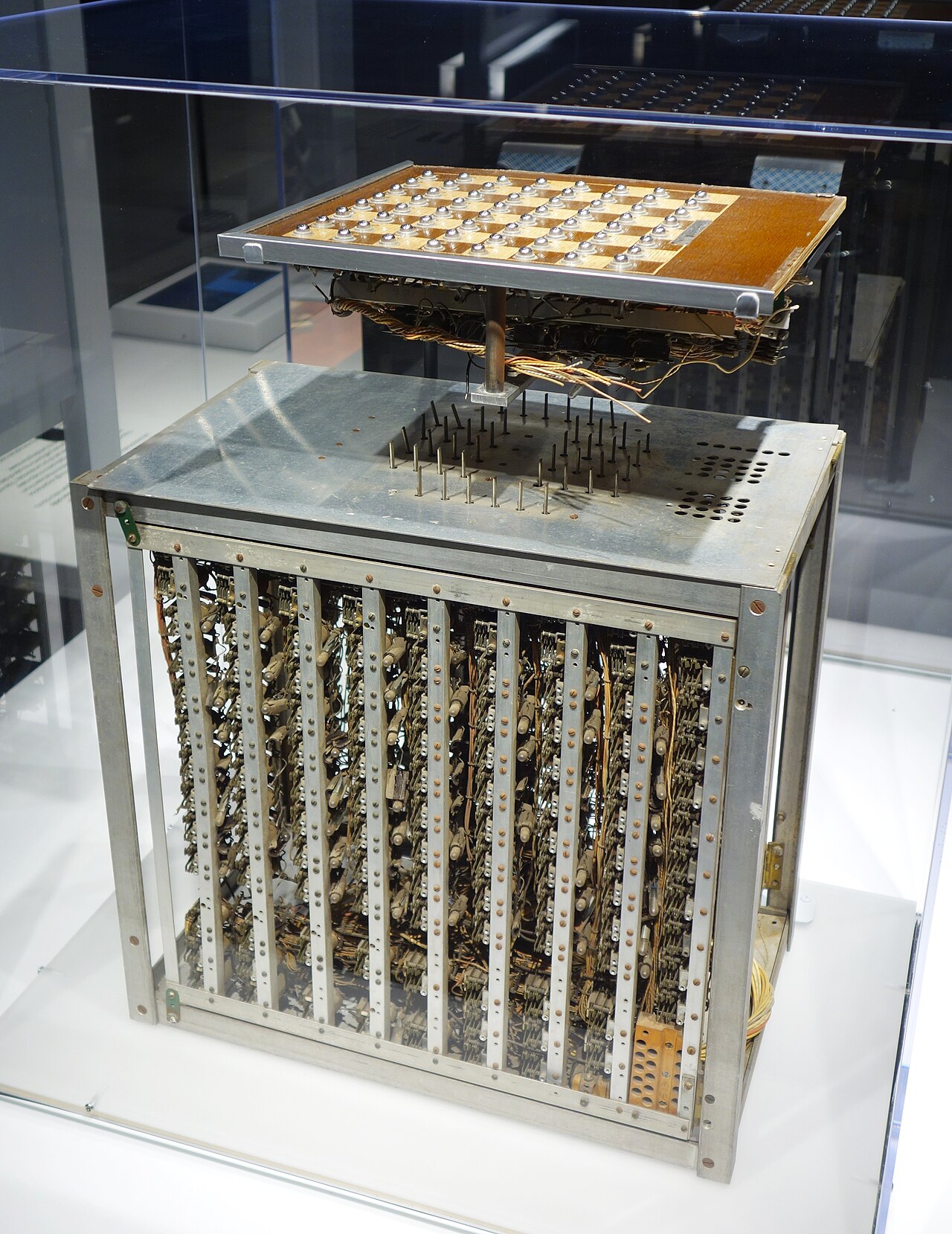
This is a photograph of Theseus, an electromechanical maze with a magnetic 'mouse' built by Claude Shannon around 1952. The mouse used relays to learn its way through a grid of movable metal walls. It is preserved as an exhibit in the MIT Museum.
Why it matters
Theseus is considered one of the earliest demonstrations of a machine that could learn from experience. It helped show that trial-and-error learning, not just fixed instructions, could be built into machines, a key idea behind later work in artificial intelligence and robotics.
Look closer
- What do the metal walls and the small mouse-shaped magnet tell you about how the device worked?
- Why might a simple maze be a good way to test whether a machine can 'learn'?
- What does this object leave out about how the learning actually happened inside it?
This artifact is part of the curated material that grounds the AI version of Claude Shannon on Humy.ai — when students ask about related events, the AI can quote it and cite it.
More Claude Shannon sources
Browse all 36 →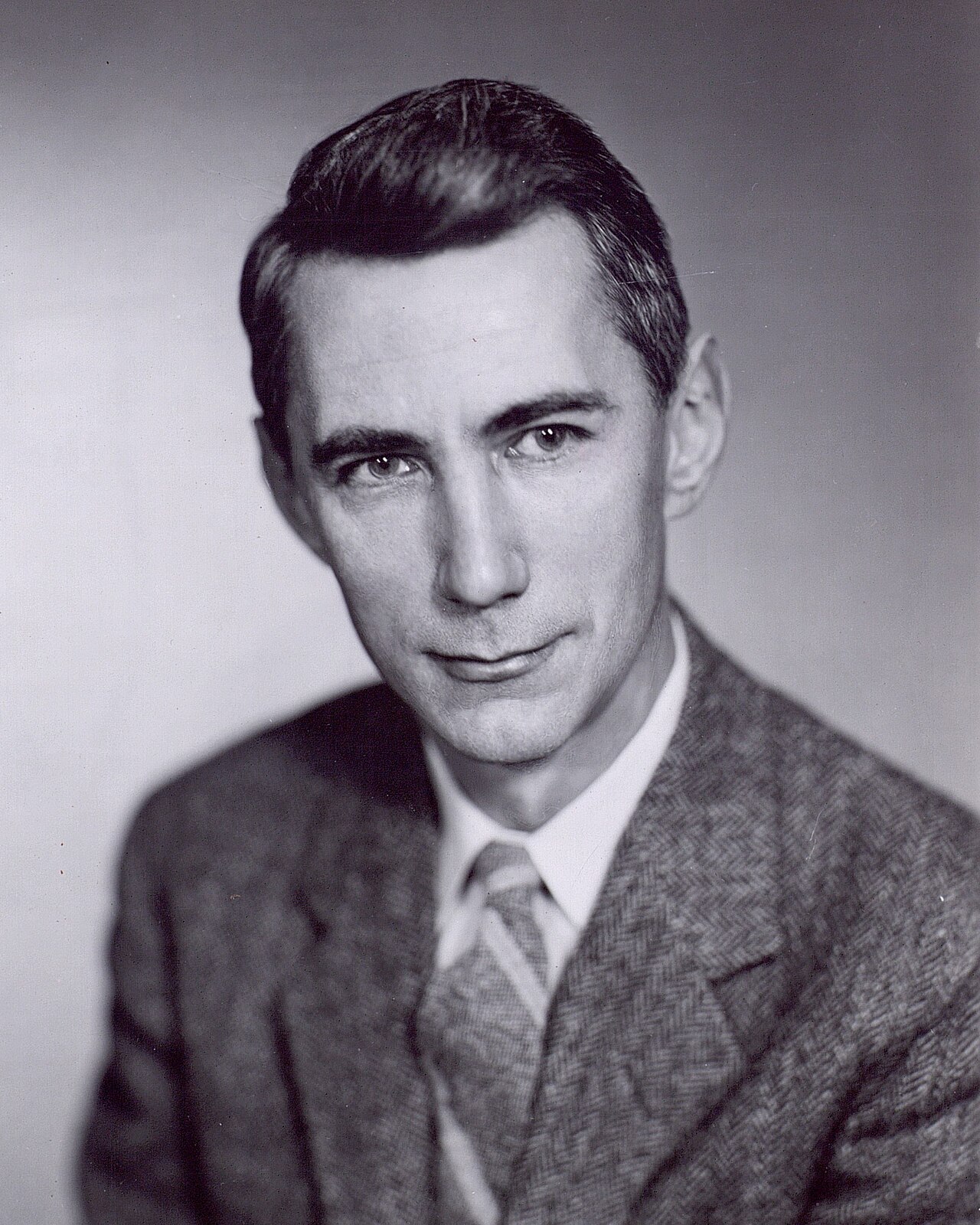 Photograph
Primary source
Portrait of Claude E. Shannon
Unknown photographer, Bell Telephone Laboratories
 Document
Primary source
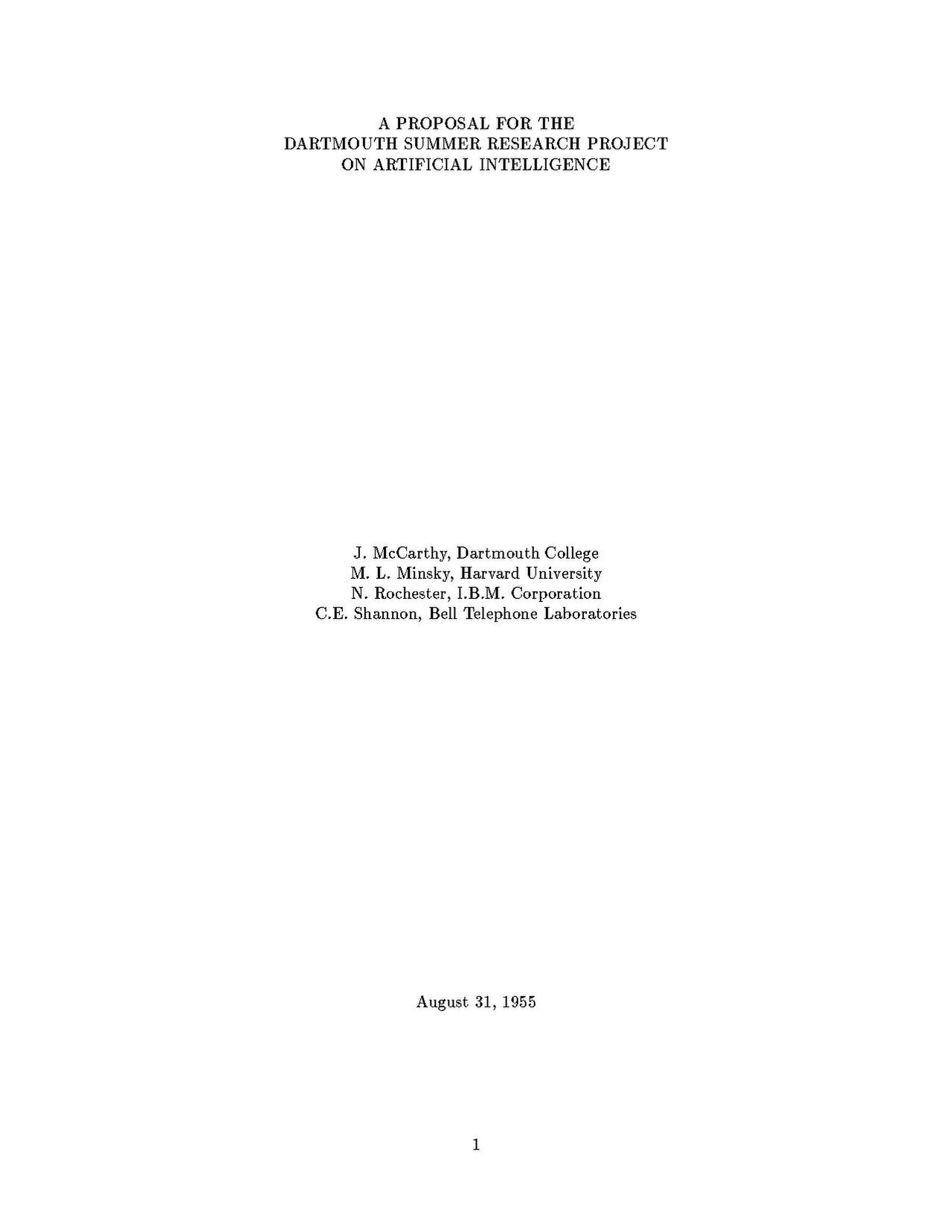
A Proposal for the Dartmouth Summer Research Project on Artificial Intelligence
John McCarthy, Marvin Minsky, Nathaniel Rochester, Claude Shannon · 31 August 1955
 Photograph
Primary source
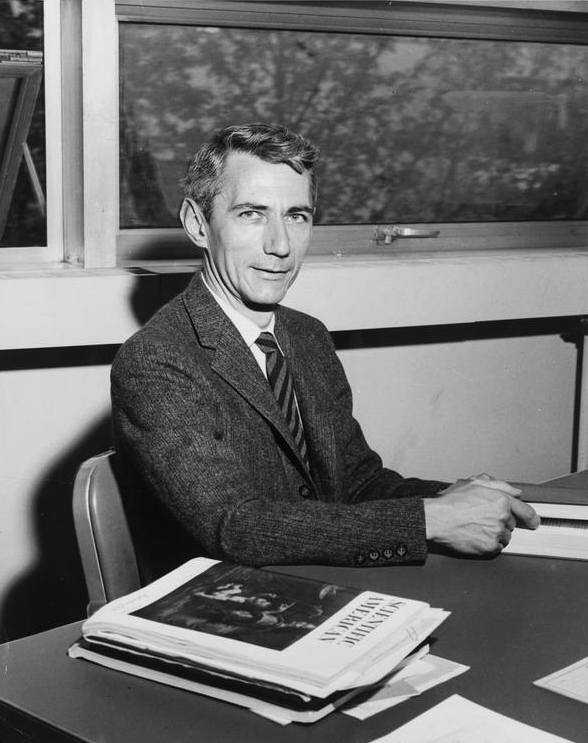
Claude Shannon MIT Portrait, 1958
MIT Photo Service · 1958
 Photograph
Primary source
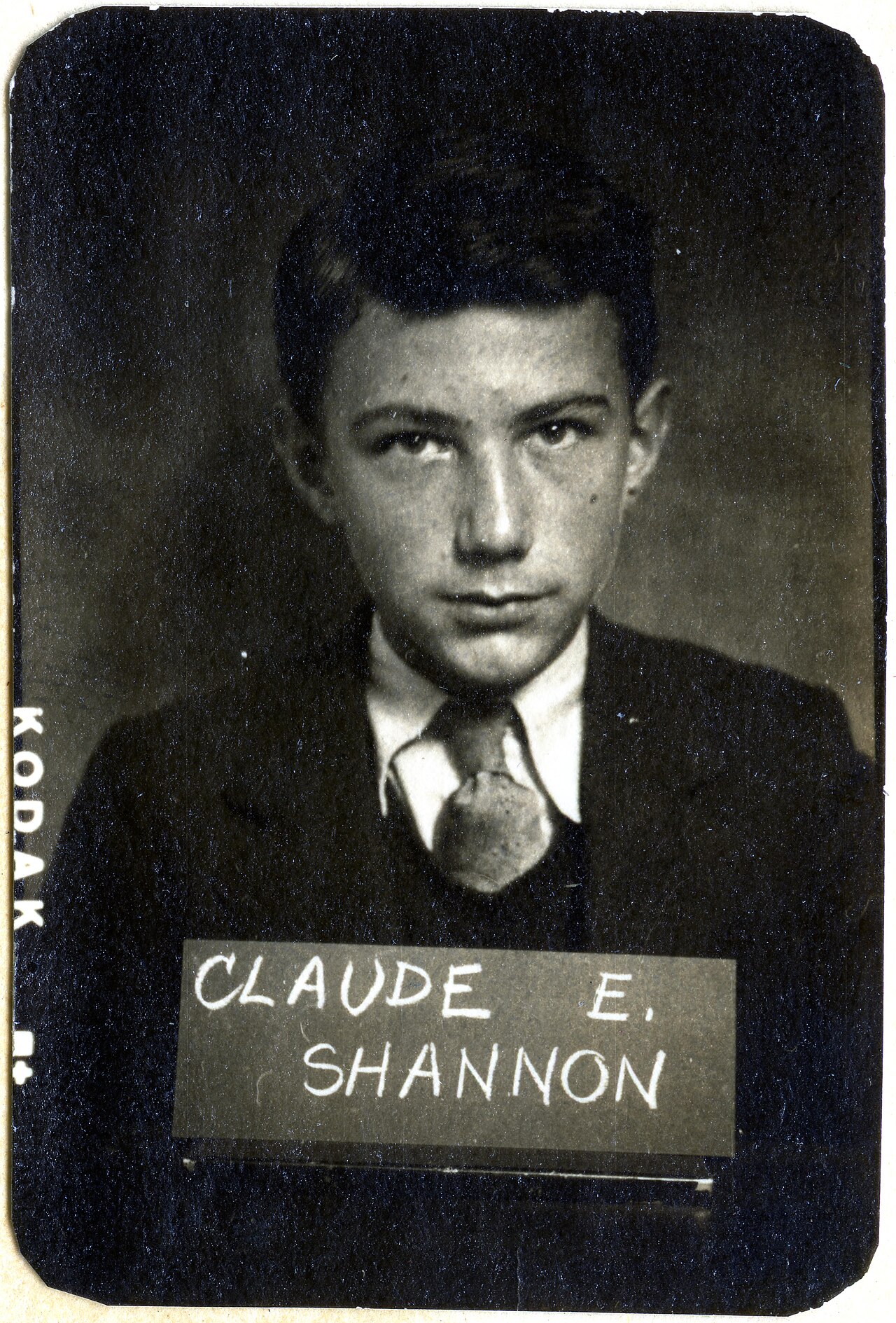
Claude Shannon University of Michigan Registration Photo
c. 1932
Free account
Read every Claude Shannon source
Sign up free →
Ready when you are
Start chatting with Claude Shannon now.
20 messages free · No credit card · Available in 50+ languages.