


Primary sourceArtifact1887
Third Imperial Egg
August Wilhelm Holmström · 1887
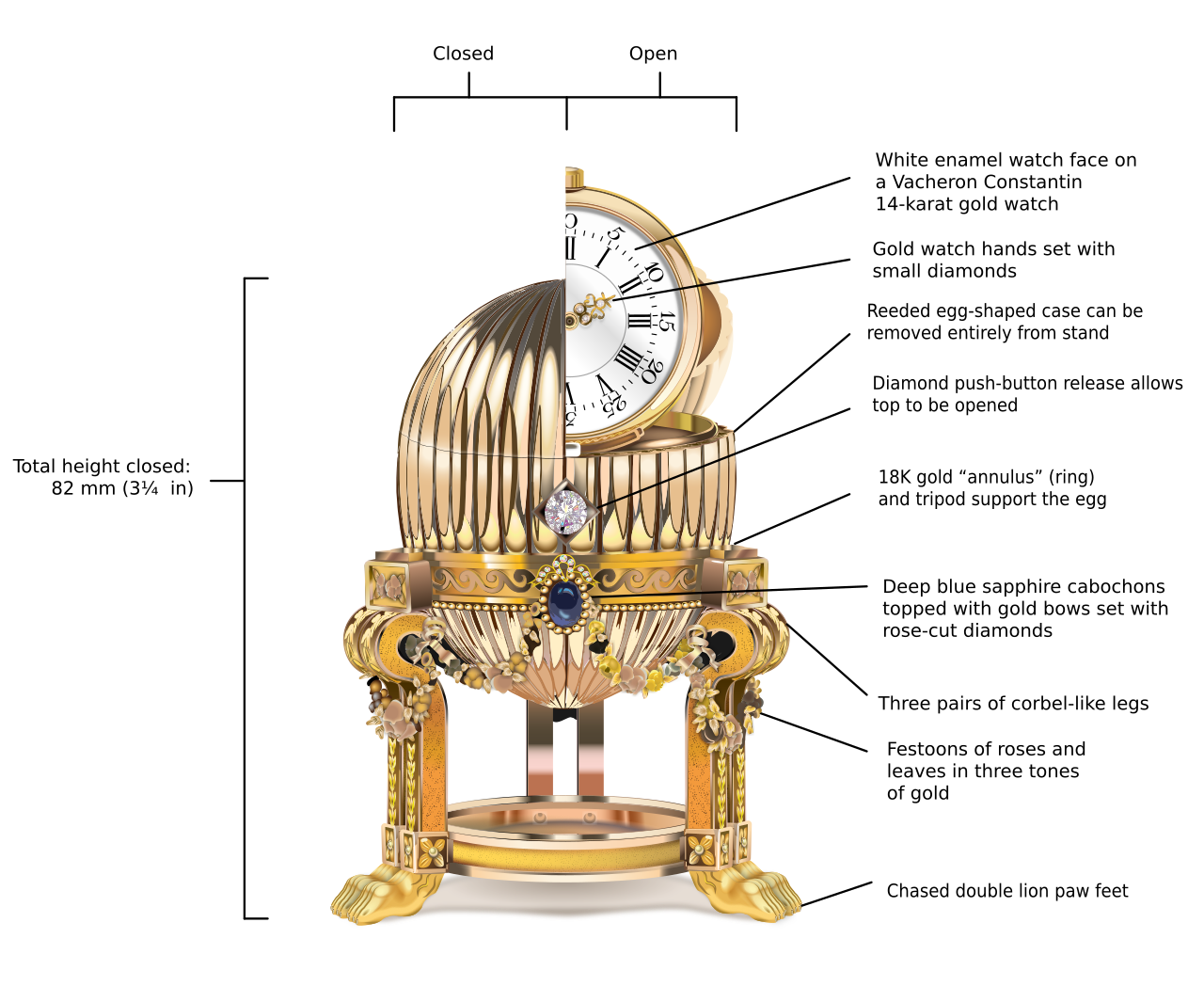
An 1887 Fabergé egg Alexander III gave his wife, lost for decades until its rediscovery in 2012.
Alexander III commissioned this egg as an Easter gift to his wife, later rediscovered after decades lost.
About this source
What it is
Made by August Wilhelm Holmström's workshop for Peter Carl Fabergé, this gold Easter egg was presented by Alexander III to his wife Maria Feodorovna in 1887. It holds a tiny Vacheron Constantin lady's watch as its surprise. The egg disappeared after the Russian Revolution and was rediscovered in 2012 in private hands in the American Midwest.
Why it matters
This egg is one of the Imperial Fabergé eggs Alexander III commissioned as Easter gifts. Its decades-long disappearance and eventual authentication show how imperial treasures scattered and were nearly lost after the fall of the Romanovs, and how experts pieced together the story from old inventories and photographs.
Look closer
- What clues helped experts identify this as the missing 1887 egg?
- Why do you think the owner almost sold it for scrap value?
- What does the egg's survival tell us about the fate of royal possessions after a revolution?
This artifact is part of the curated material that grounds the AI version of Alexander III of Russia on Humy.ai — when students ask about related events, the AI can quote it and cite it.
More Alexander III of Russia sources
Browse all 96 →Primary source
Manifesto on Unshakable Autocracy
Alexander III of Russia · 1881
Primary source
Reinsurance Treaty
Otto von Bismarck; Herbert von Bismarck; Nikolay Girs · 1887
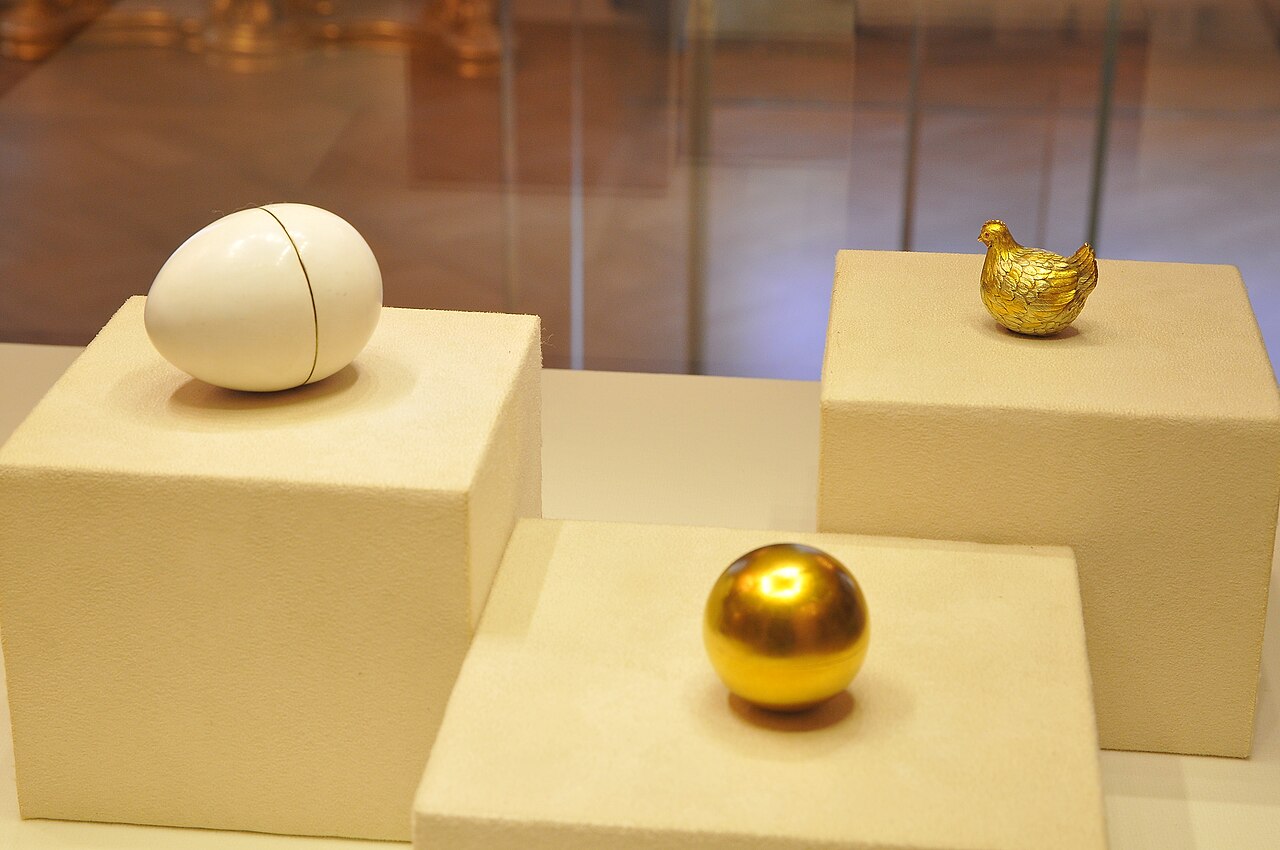 Artifact
Primary source
First Hen
Erik August Kollin · 1885
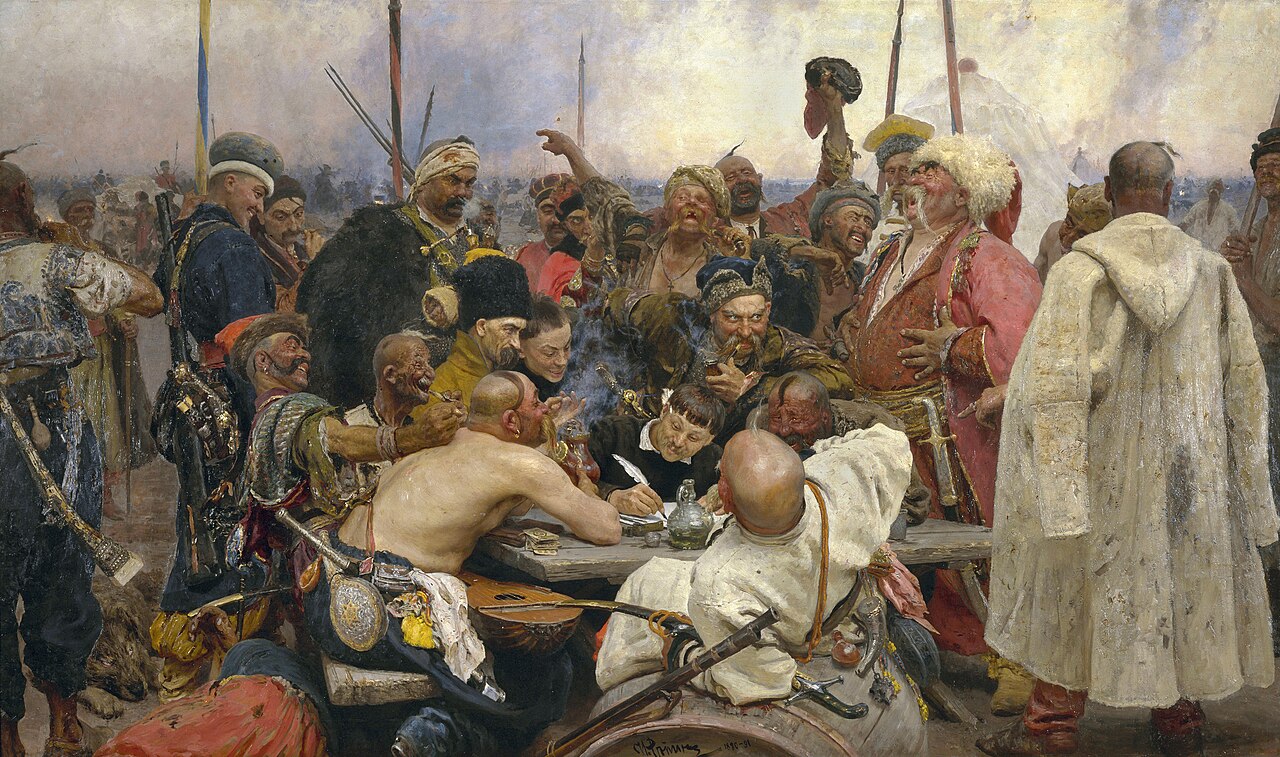 Painting
Secondary source
Reply of the Zaporozhian Cossacks
Ilya Repin · 1880-1891

Free account
Read every Alexander III of Russia source
Sign up free →
Ready when you are
Start chatting with Alexander III of Russia now.
20 messages free · No credit card · Available in 50+ languages.