


Secondary sourcePaintingearly 17th century
Thomas Cromwell, Earl of Essex
Unknown, after Hans Holbein the Younger · early 17th century
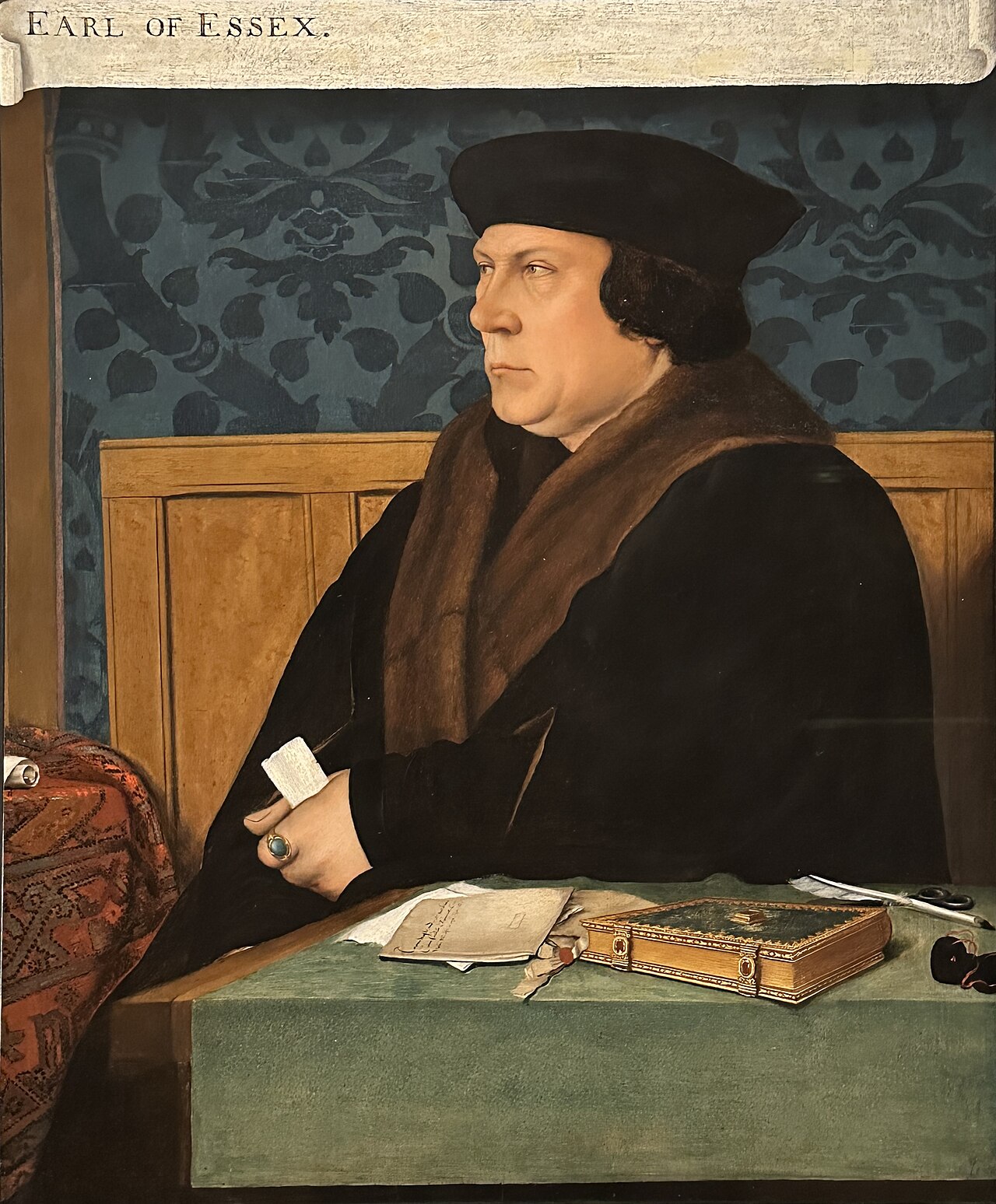
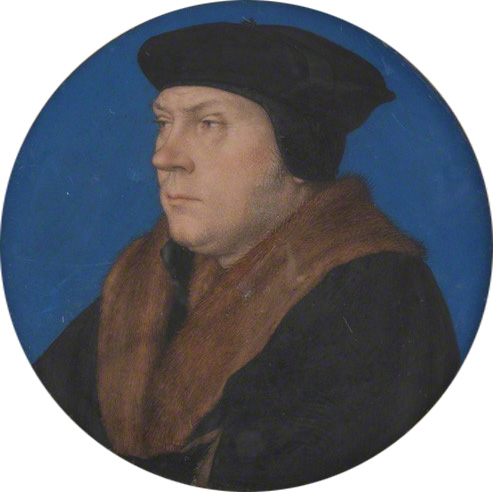
An early 17th-century painted copy of Hans Holbein's lost portrait of Thomas Cromwell, now in the National Portrait Gallery, London.
A later painted copy preserving Holbein's image of Cromwell as Earl of Essex.
About this source
What it is
This oil-on-panel portrait of Thomas Cromwell, Earl of Essex, was painted in the early 1600s by an unknown artist, copying an original portrait made by Hans Holbein the Younger around 1532-33. It is on display at the National Portrait Gallery in London and shows Cromwell seated at a table with a book, papers, and a ring.
Why it matters
Holbein's original painting of Cromwell helped shape how he was pictured by history, and later copies like this one kept that image alive for new generations long after his execution. The label naming him Earl of Essex reflects the title he held near the end of his life.
Look closer
- What do the objects around Cromwell — the book, papers, and ring — suggest about his role and status?
- Why might artists continue copying a portrait decades after the sitter's death?
- What can and can't a formal portrait like this tell us about a person's character?
This painting is part of the curated material that grounds the AI version of Thomas Cromwell on Humy.ai — when students ask about related events, the AI can quote it and cite it.
More Thomas Cromwell sources
Browse all 53 →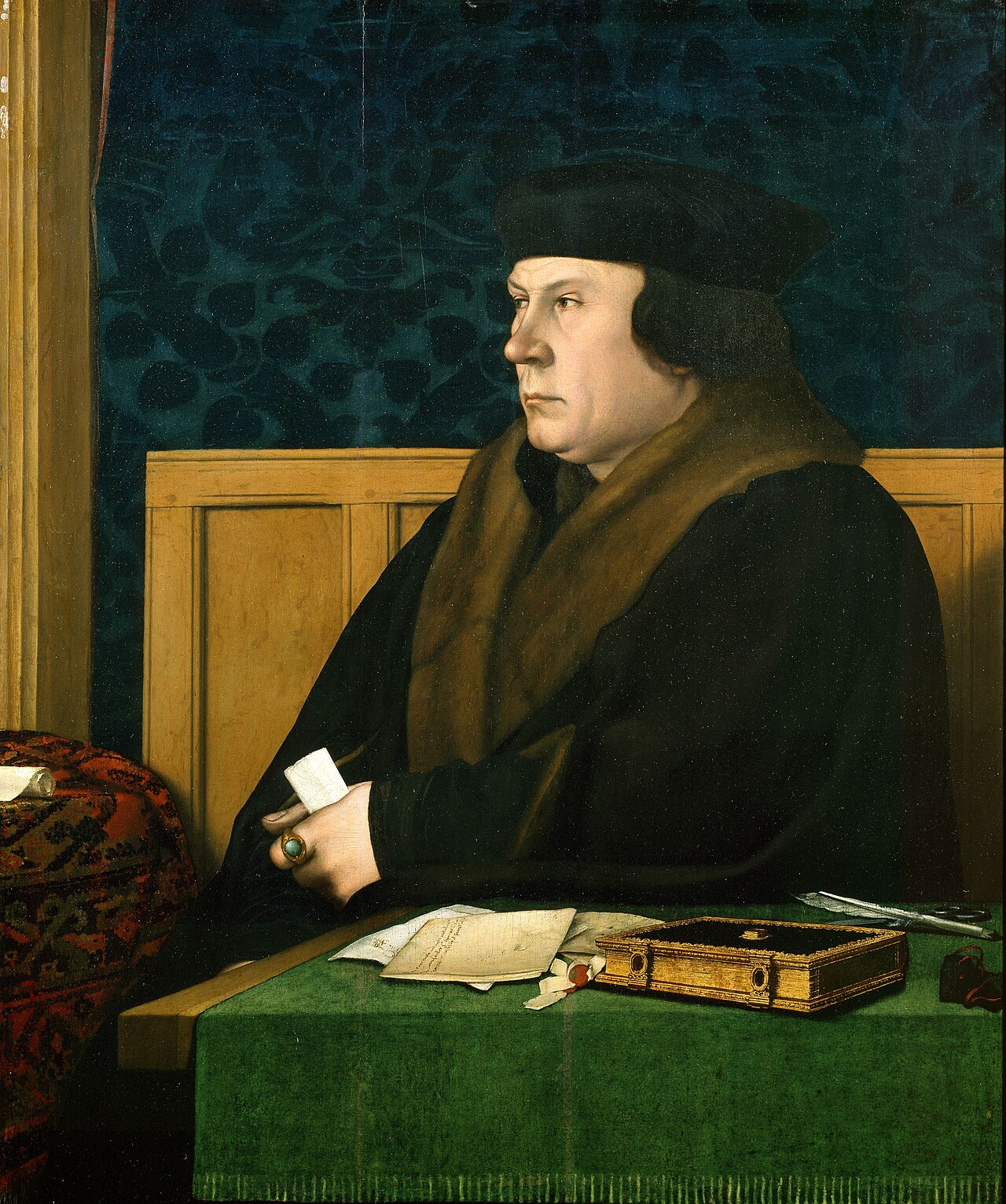 Painting
Primary source
Portrait of Thomas Cromwell
Hans Holbein the Younger · c. 1532-1534
 Painting
Primary source
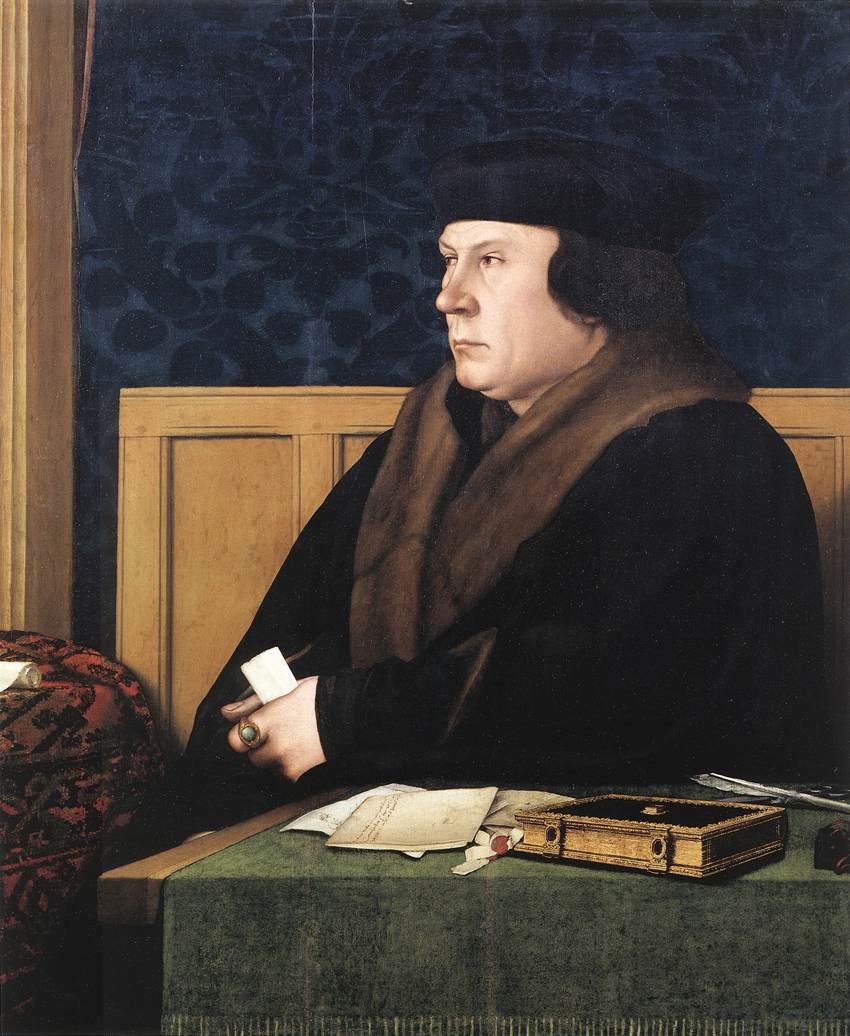
Portrait of Thomas Cromwell
Hans Holbein the Younger · c. 1532-1533
Primary source
Laws in Wales Acts 1535–1542
1536
 Painting
Primary source
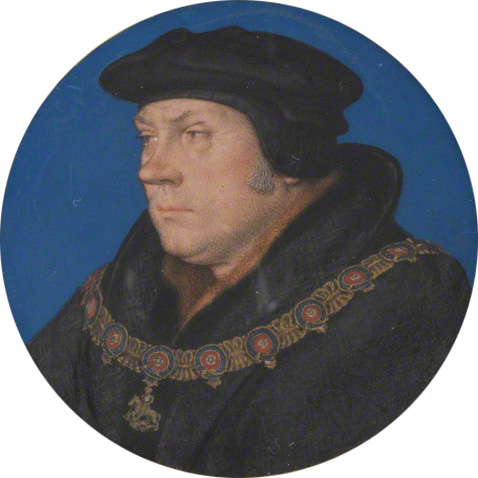
Portrait Miniature of Thomas Cromwell Wearing the Garter Collar
Studio of Hans Holbein the Younger · c. 1537
Free account
Read every Thomas Cromwell source
Sign up free →
Ready when you are
Start chatting with Thomas Cromwell now.
20 messages free · No credit card · Available in 50+ languages.