


Secondary sourceBook1911
Thomas Hardy, an Illustration of the Philosophy of Schopenhauer
Helen Garwood · 1911
A doctoral thesis by Helen Garwood, submitted in 1909 and published in 1911, linking Hardy's novels to the philosophy of Arthur Schopenhauer.
A 1909 thesis, published 1911, that reads Hardy's novels through Schopenhauer's philosophy and shows how his ideas were studied.
Free Humy account · No credit card · 120,912 sources to read
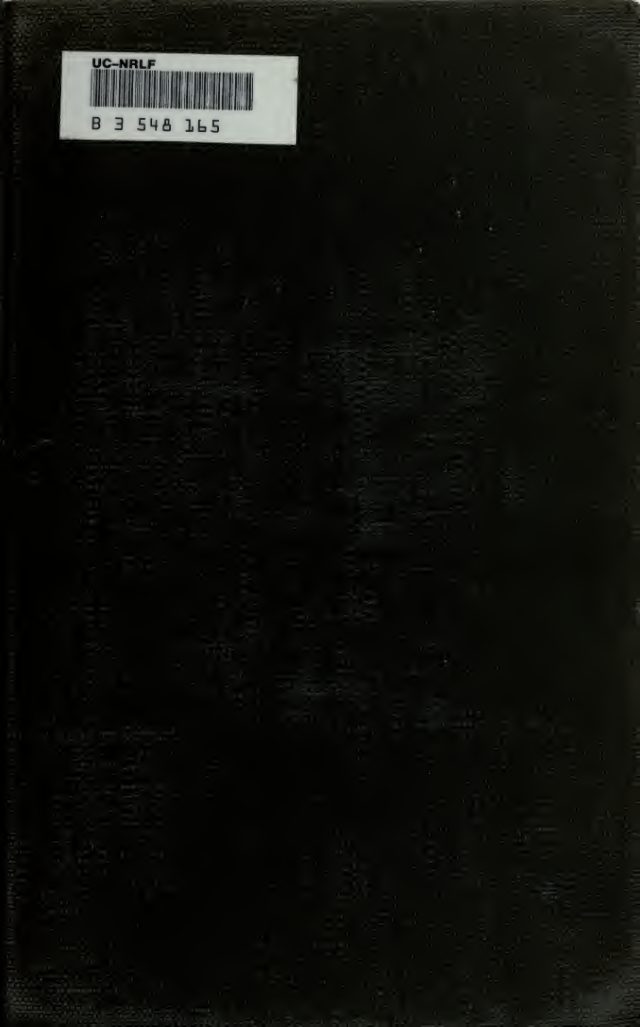
About this source
What it is
This is a doctoral thesis by Helen Garwood, presented to the Graduate School of the University of Pennsylvania in June 1909 and published in Philadelphia by the John C. Winston Co. in 1911. The contents follow the argument in stages, covering the establishment of purposelessness, the effect of purposelessness on tragedy, and its outcome. The copy shown here is a scanned PDF from the Internet Archive.
Why it matters
Garwood argues that Hardy's view of a purposeless world and his idea of tragedy resemble those of the German philosopher Arthur Schopenhauer (1788-1860). The thesis shows how American graduate students read Hardy in the early 1900s through European philosophy. Because it was written while Hardy was alive, it also shows how his ideas were being debated in universities.
Look closer
- What does the author claim Hardy and Schopenhauer have in common, and what evidence does she use?
- Why might a university student choose to read a novelist through a philosopher?
- Does the argument take Hardy's own views on purpose and fate seriously, or does it fit him to a system?
This book is part of the curated material that grounds the AI version of Thomas Hardy on Humy.ai — when students ask about related events, the AI can quote it and cite it.
More Thomas Hardy sources
Browse all 99 →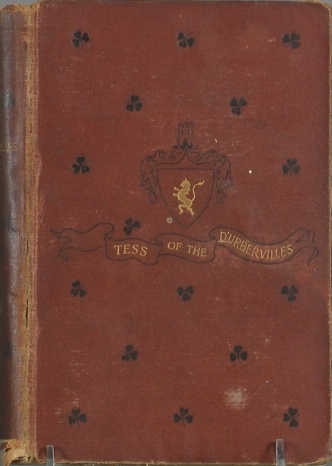 Book
Primary source
Tess of the d'Urbervilles
Thomas Hardy · 1891
 Book
Primary source
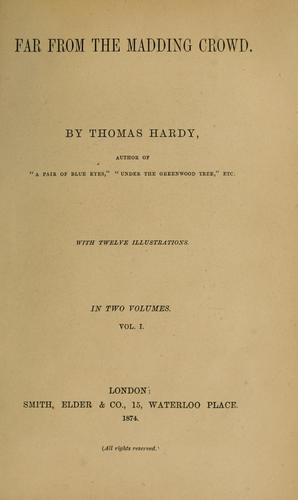
Far from the Madding Crowd
Thomas Hardy · 1874
 Book
Primary source
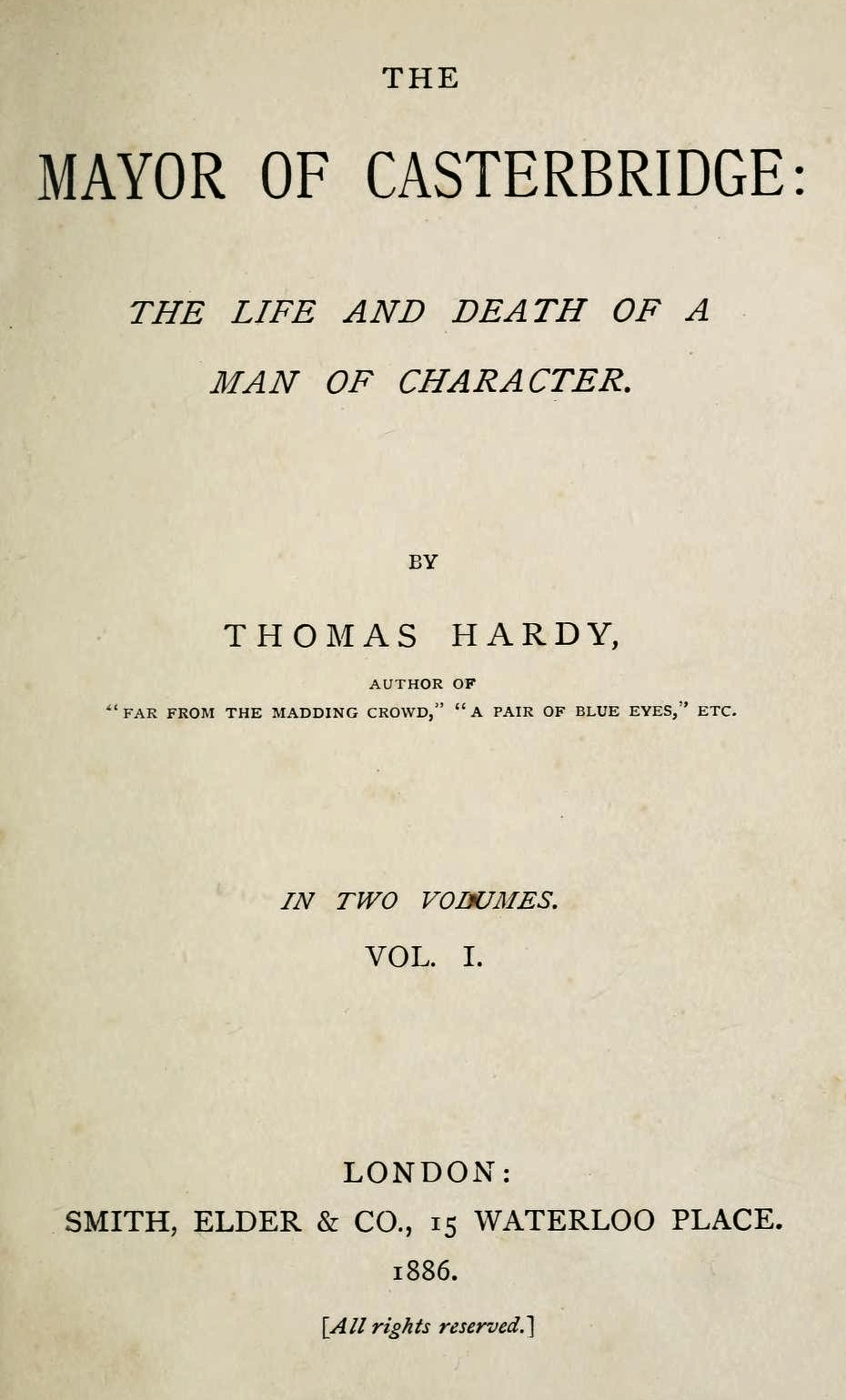
The Mayor of Casterbridge
Thomas Hardy · 1886
 Book
Primary source
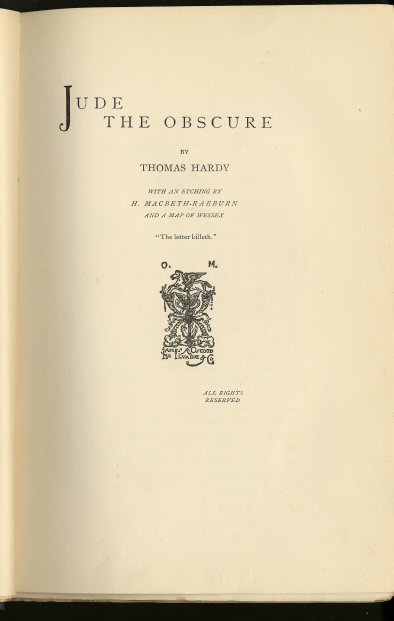
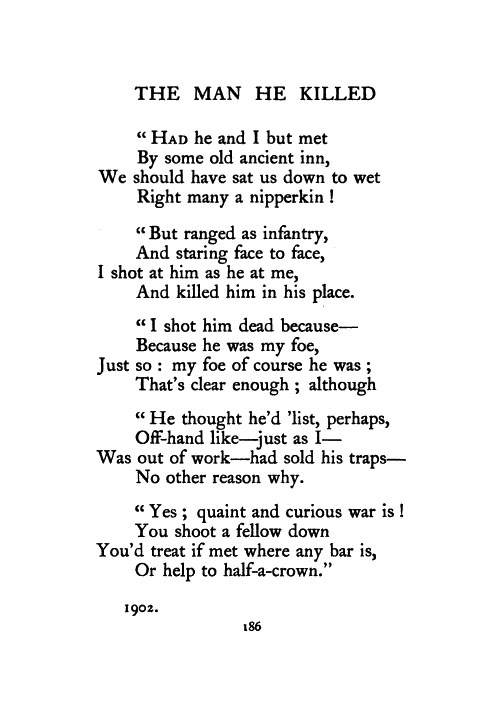
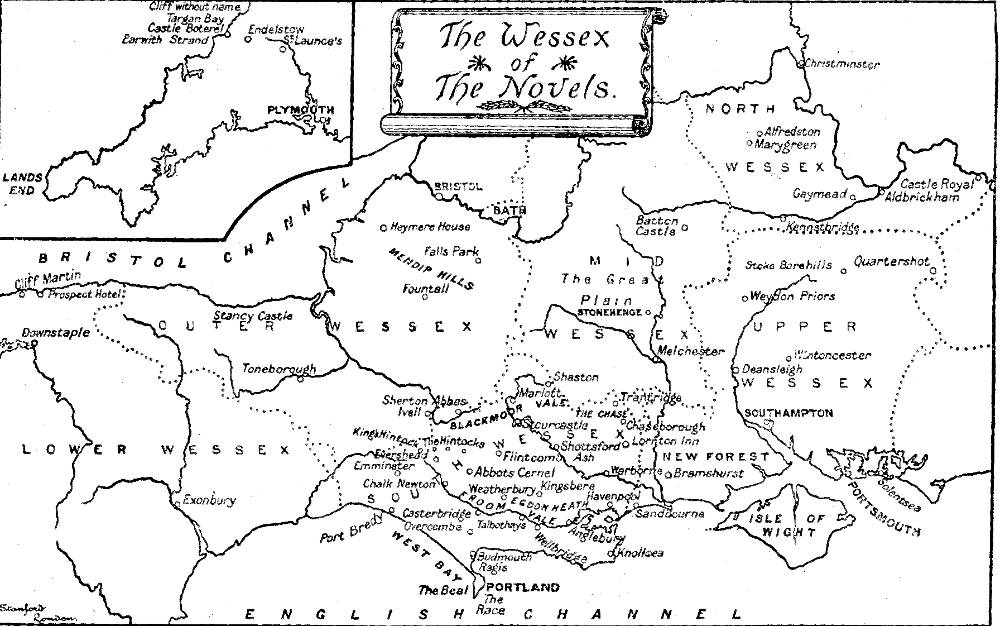
Jude the Obscure
Thomas Hardy · 1895

Free account
Read every Thomas Hardy source
Sign up free →
Ready when you are
Start chatting with Thomas Hardy now.
20 messages free · No credit card · Available in 50+ languages.