


Primary sourceBook1788
Thoughts upon the African Slave Trade
John Newton · 1788
John Newton's 1788 antislavery pamphlet, written by a former slave-ship captain, argues against the trade Equiano described in his own life story.
Shows the 1788 antislavery arguments made in the same years as Equiano's campaign. It is about the slave trade he described, not about Equiano himself.
Free Humy account · No credit card · 120,912 sources to read
About this source
What it is
This is a printed pamphlet published in London in 1788 by J. Buckland and J. Johnson. Its author, John Newton, was Rector of St. Mary Woolnoth. The title page quotes Matthew 7:12. The advertisement says any profits from sales went to the Society for the support of Sunday Schools. Newton had earlier been a captain in the slave trade.
Why it matters
The pamphlet is an argument against the slave trade written in the year that antislavery campaigning in Britain grew stronger. It shows the arguments that were being made at the time, including by a man who had worked in the trade himself. Equiano was a key voice in the same debate, and this text helps students see the setting in which his own account was read.
Look closer
- Which arguments does Newton use, and which of them rely on religion?
- Why might a former slave-ship captain have been a persuasive voice against the trade?
- What does the pamphlet not say about the enslaved people whose lives it describes?
This book is part of the curated material that grounds the AI version of Olaudah Equiano on Humy.ai — when students ask about related events, the AI can quote it and cite it.
More Olaudah Equiano sources
Browse all 30 →Primary source
Slavery, a poem
Hannah More · 1788
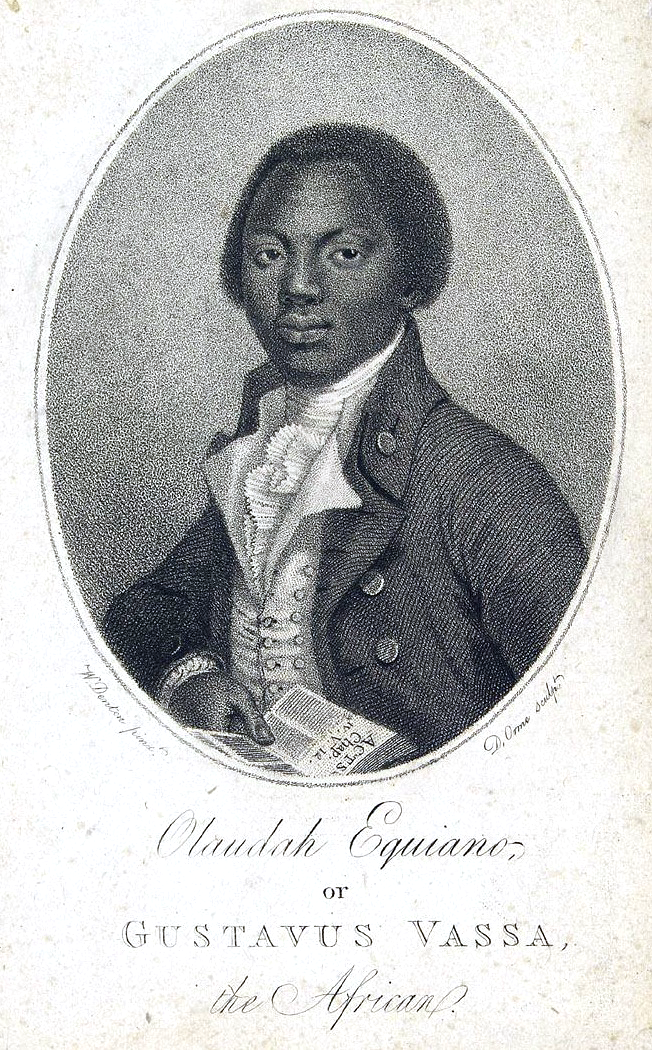 Book
Primary source
The Interesting Narrative of the Life of Olaudah Equiano
Olaudah Equiano · 1789
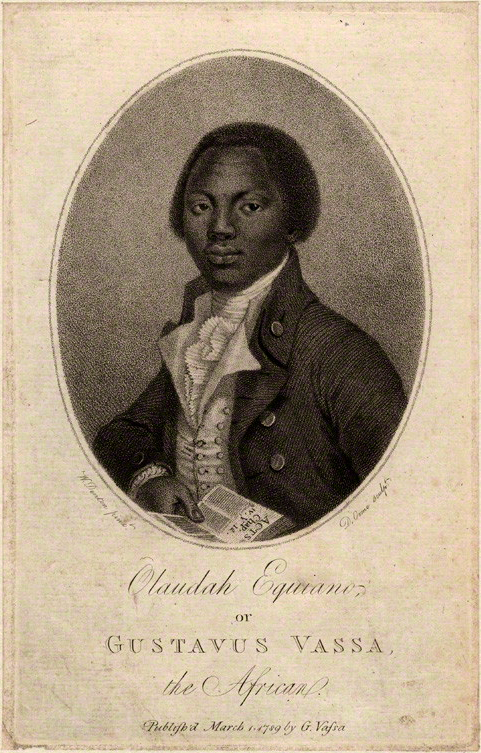 Painting
Primary source
Olaudah Equiano (Gustavus Vassa)
Daniel Orme, after W. Denton · 1789
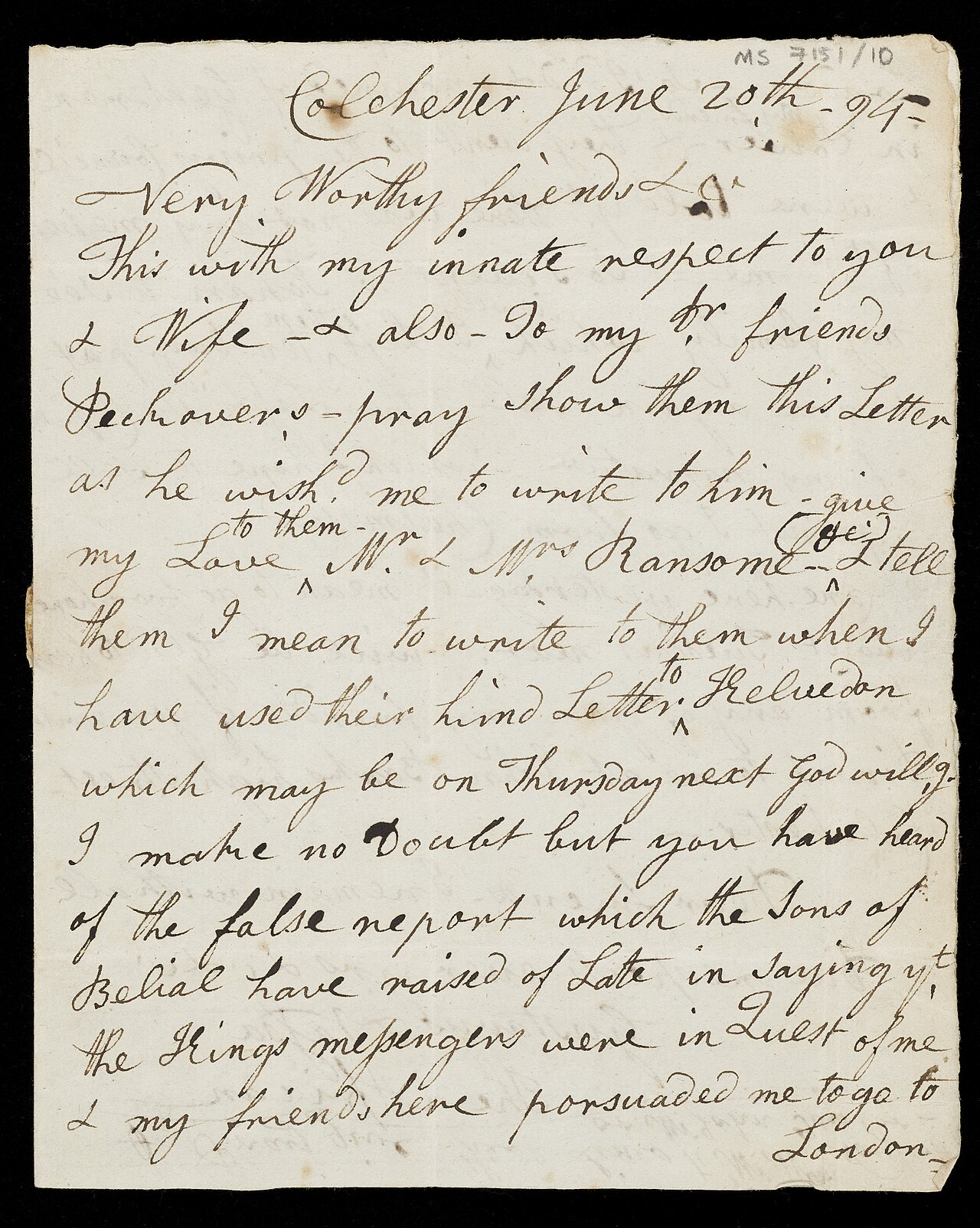 Letter
Primary source
Letter to Mr and Mrs Liversege
Olaudah Equiano · 20 June 1794
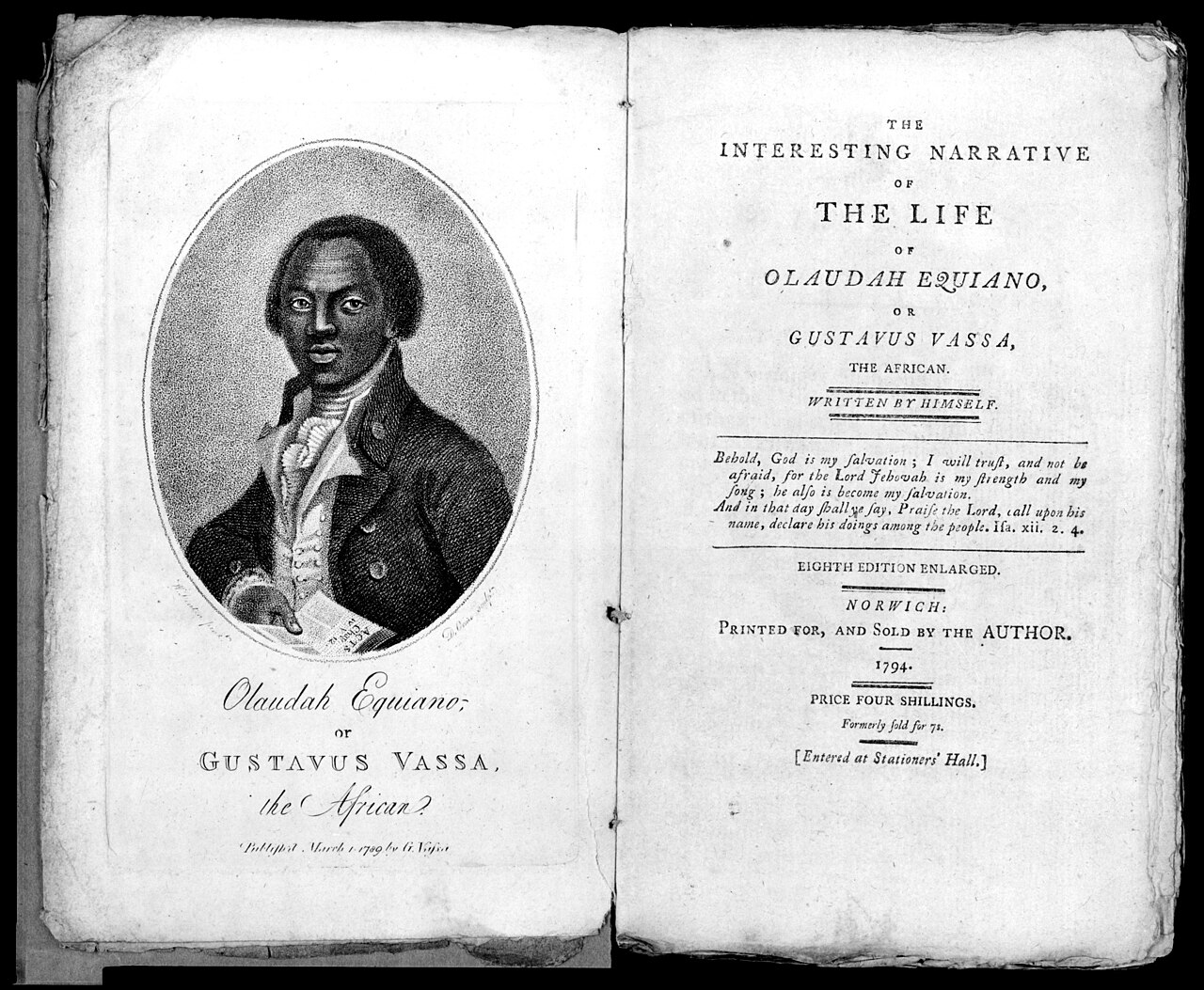

Free account
Read every Olaudah Equiano source
Sign up free →
Ready when you are
Start chatting with Olaudah Equiano now.
20 messages free · No credit card · Available in 50+ languages.