


Primary sourceDocument1766
Three Papers, Containing Experiments on Factitious Air
Henry Cavendish · 1766
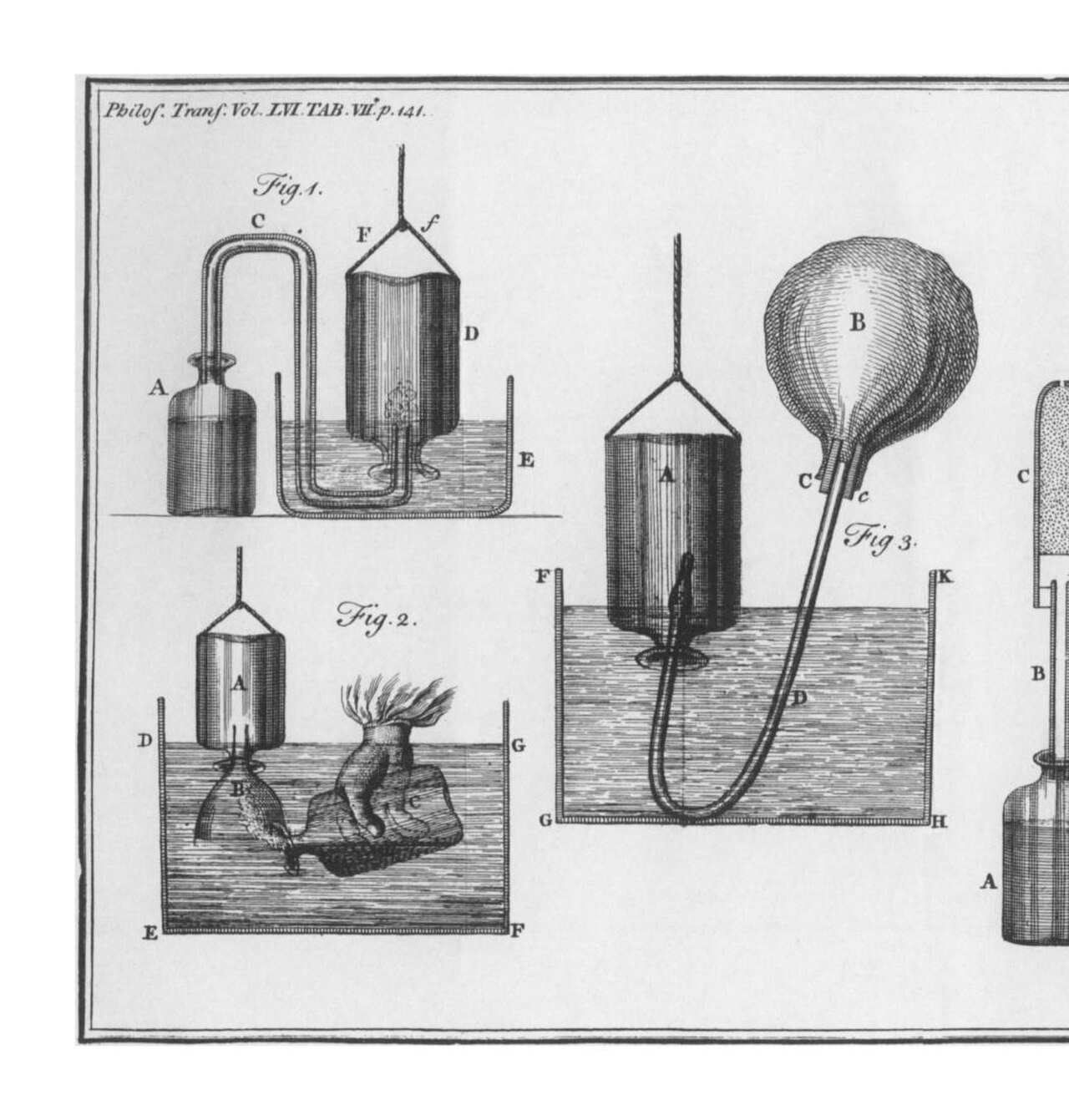
Cavendish's 1766 paper identifying hydrogen as a distinct substance, the work that earned him the Copley Medal.
Cavendish wrote this paper, his first, which identified hydrogen and won him the Copley Medal.
Free Humy account · No credit card · 120,288 sources to read
About this source
What it is
This is Henry Cavendish's first scientific paper, published in 1766 in the Royal Society's Philosophical Transactions. It describes experiments on 'factitious airs' and rigorously defines what he called 'inflammable air', later known as hydrogen.
Why it matters
This paper launched Cavendish's scientific reputation and earned him the Copley Medal. It is an early example of pneumatic chemistry, the study of different gases as separate substances rather than variations of ordinary air, a field that other chemists of his time were also exploring.
Look closer
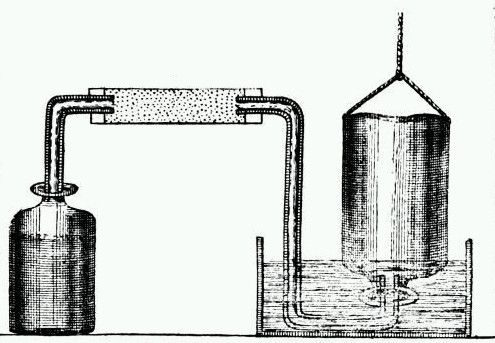
- Look at the engraved apparatus diagrams: what everyday materials (glass, water, bladders) is Cavendish using to study an invisible gas?
- Why do you think careful measurement of a gas's density mattered to scientists at the time?
- What does publishing in Philosophical Transactions tell you about how scientific findings were shared in the 1760s?
This document is part of the curated material that grounds the AI version of Henry Cavendish on Humy.ai — when students ask about related events, the AI can quote it and cite it.
More Henry Cavendish sources
Browse all 53 →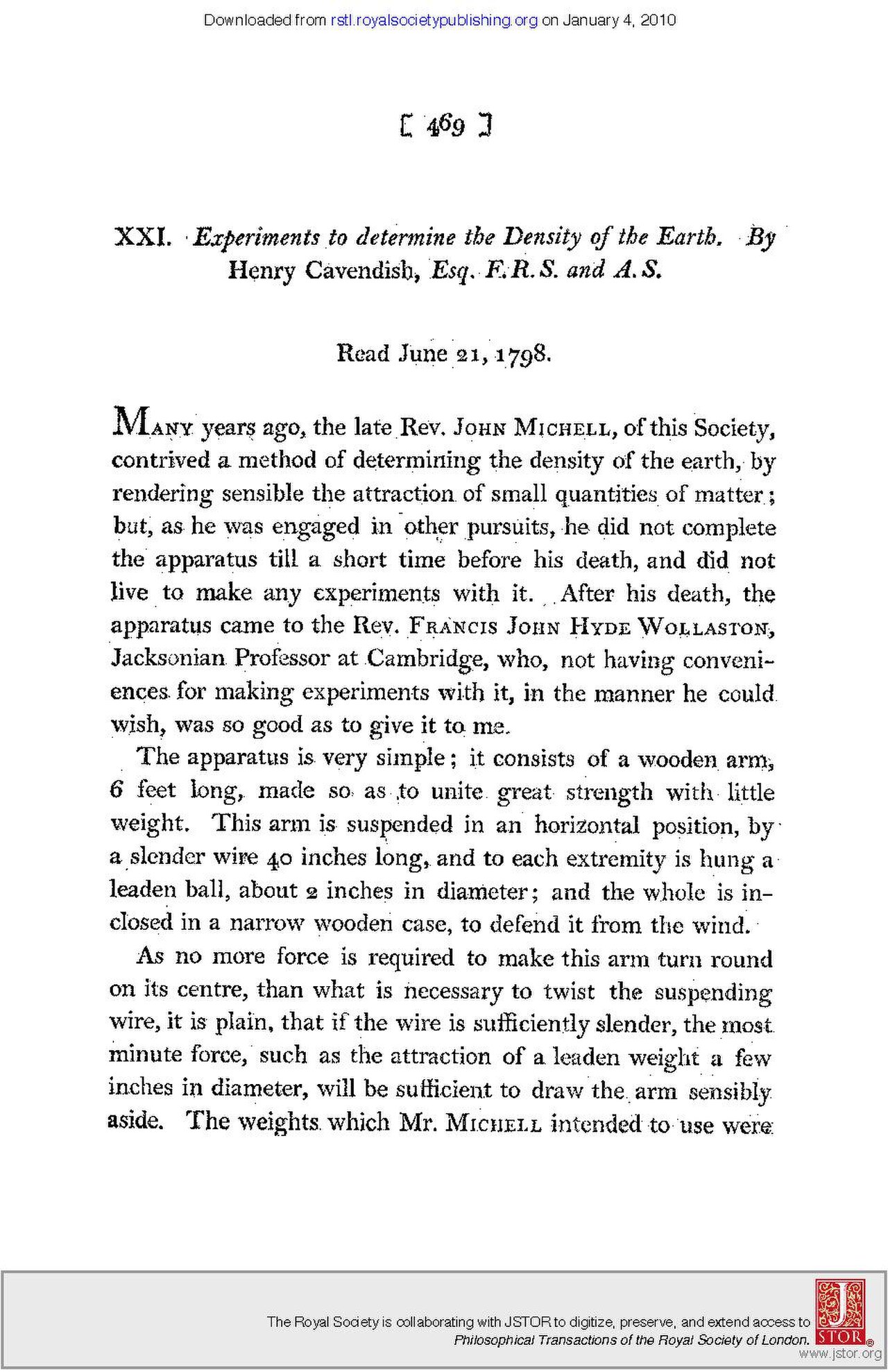 Document
Primary source
Experiments to Determine the Density of the Earth
Henry Cavendish · 1798
 Document
Primary source
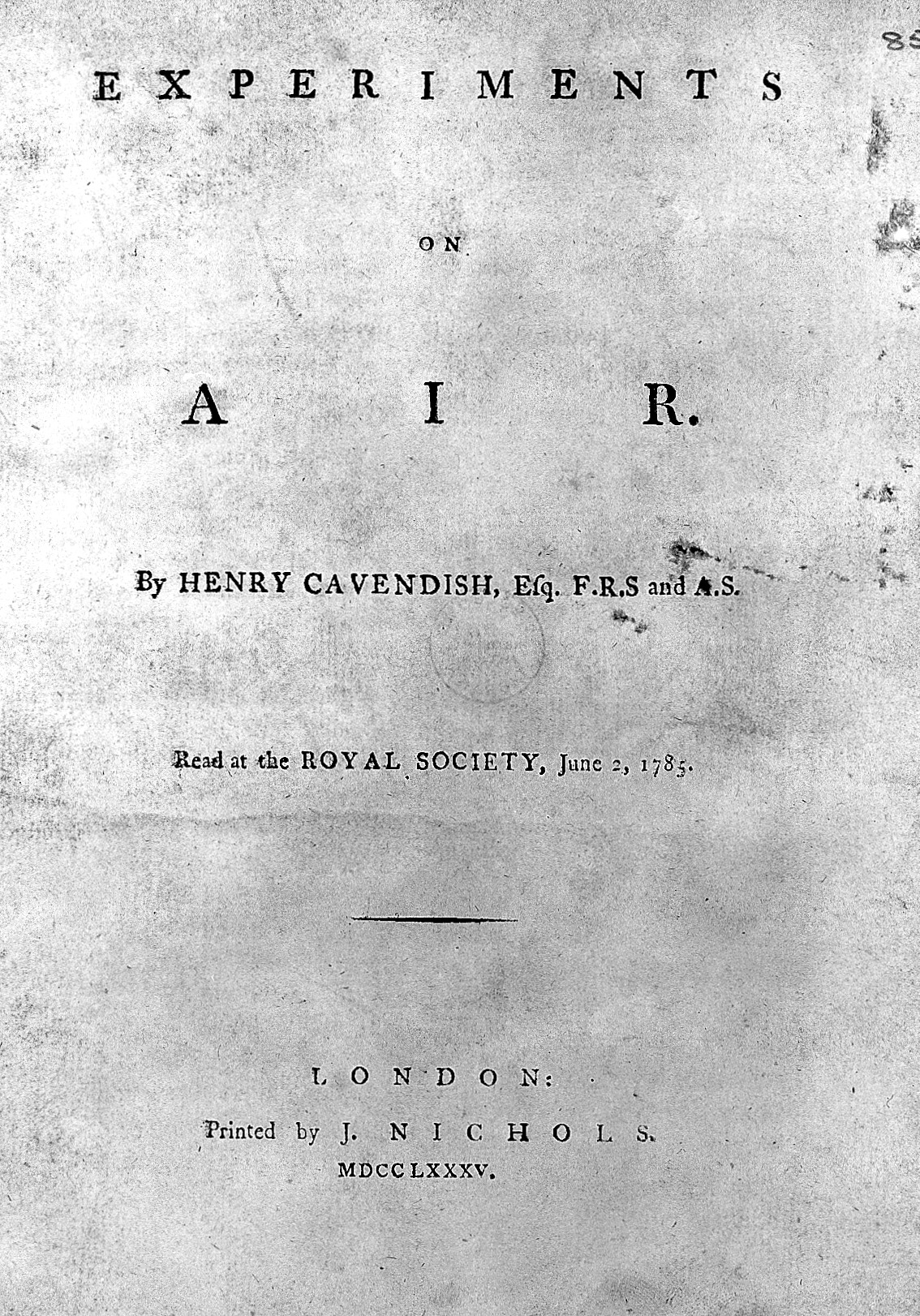
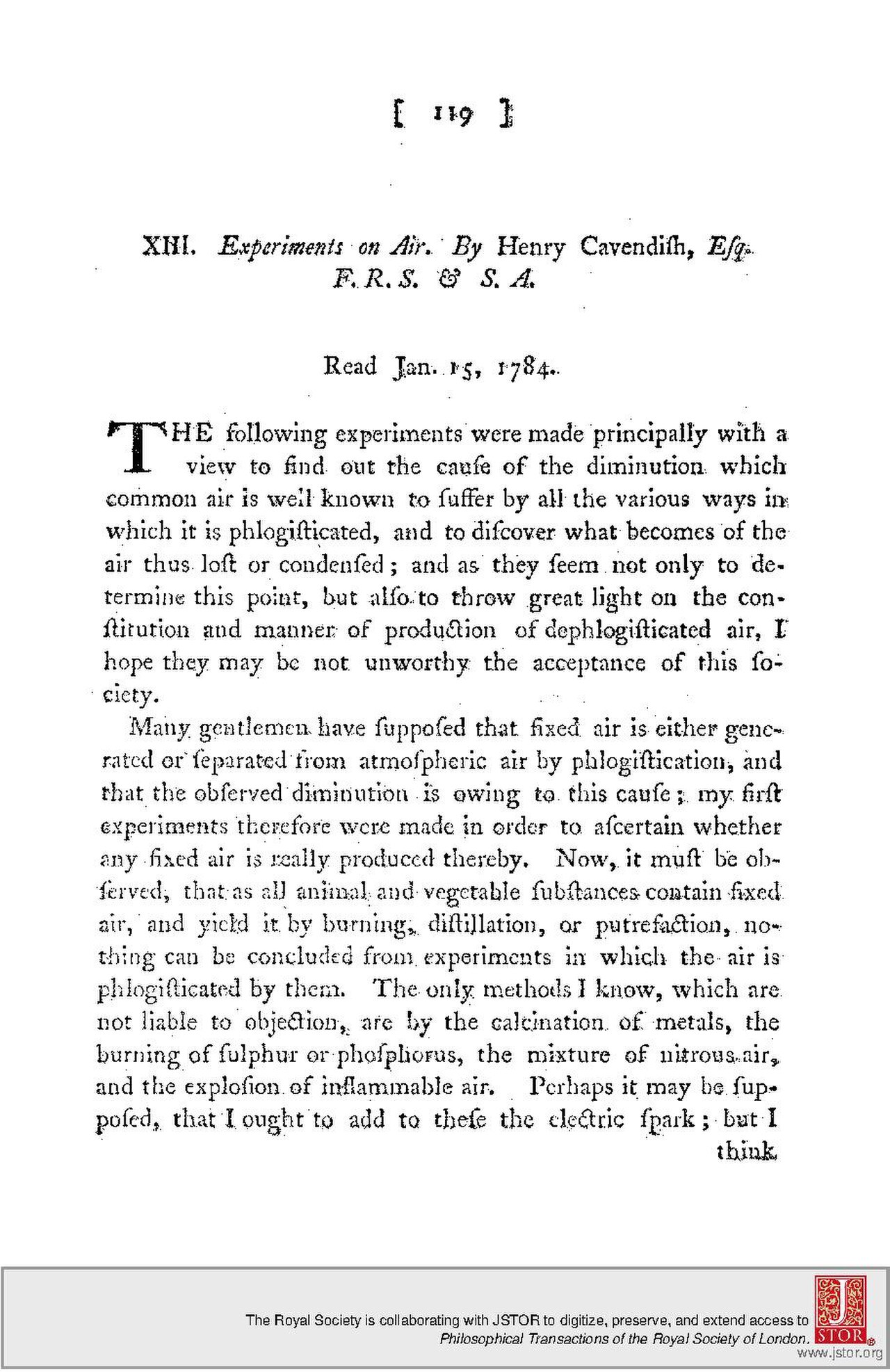
Experiments on Air, 1785 title page
Henry Cavendish · 1785
 Painting
Primary source
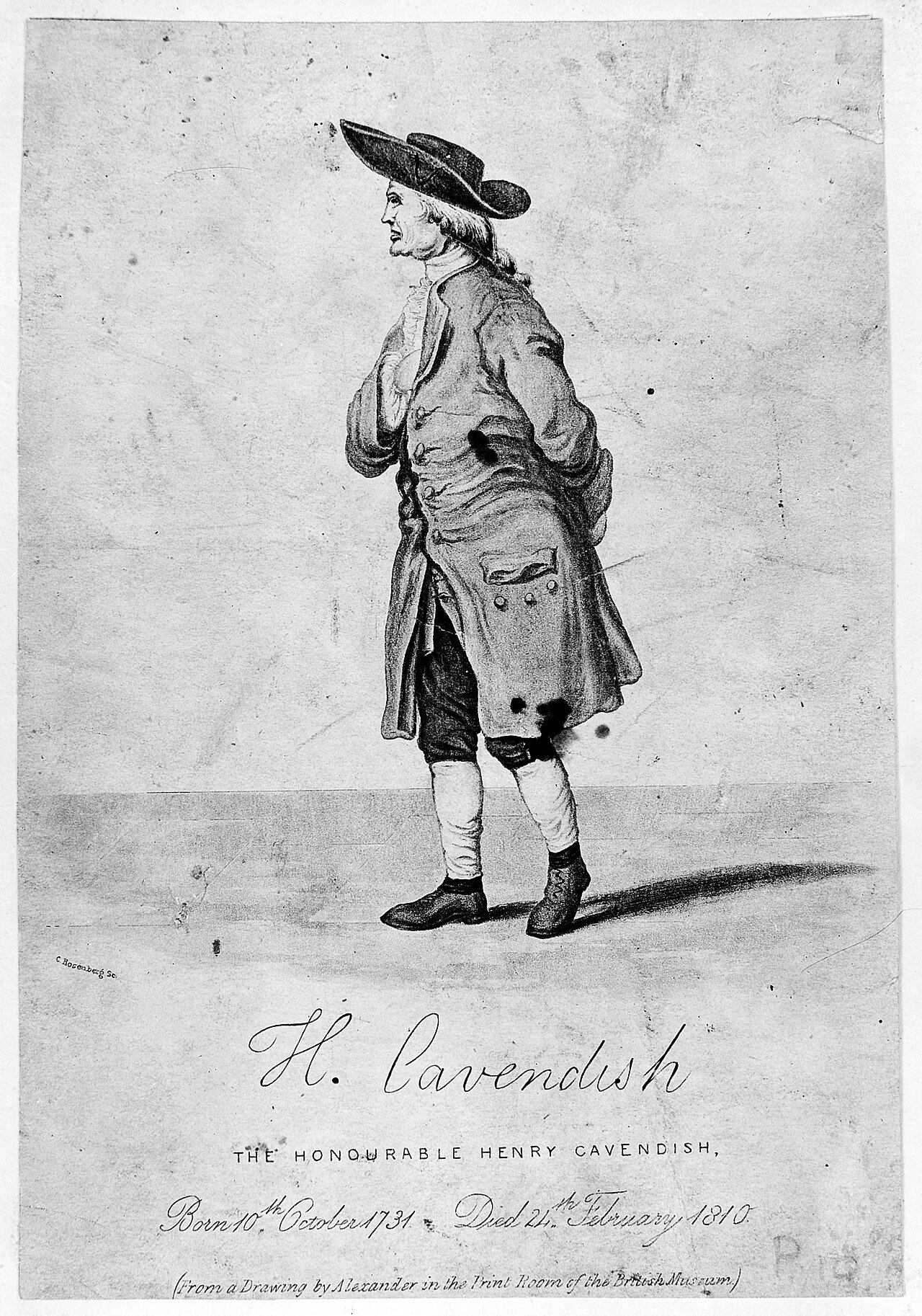
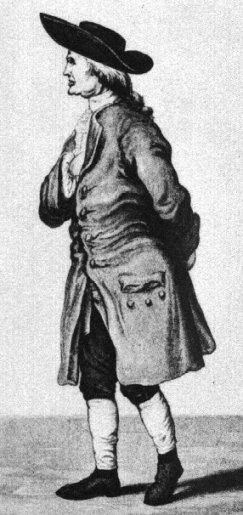
Henry Cavendish, Chemist (lithograph after Alexander)
William Alexander
 Document
Primary source
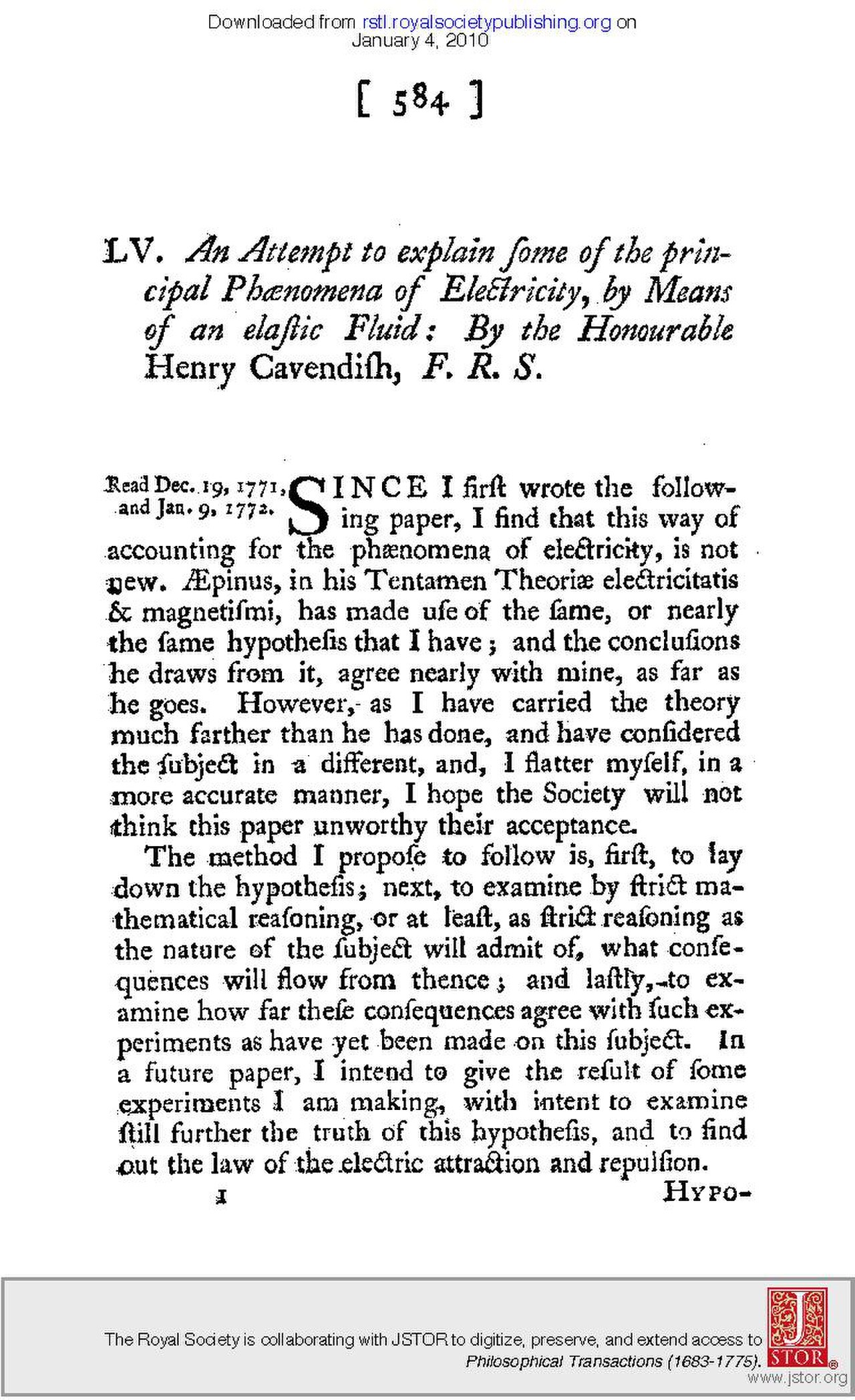
An Attempt to Explain Some of the Principal Phaenomena of Electricity
Henry Cavendish · 1771
Free account
Read every Henry Cavendish source
Sign up free →
Ready when you are
Start chatting with Henry Cavendish now.
20 messages free · No credit card · Available in 50+ languages.