


Secondary sourceSculpturec. 500
Throne of Maximian
c. 500
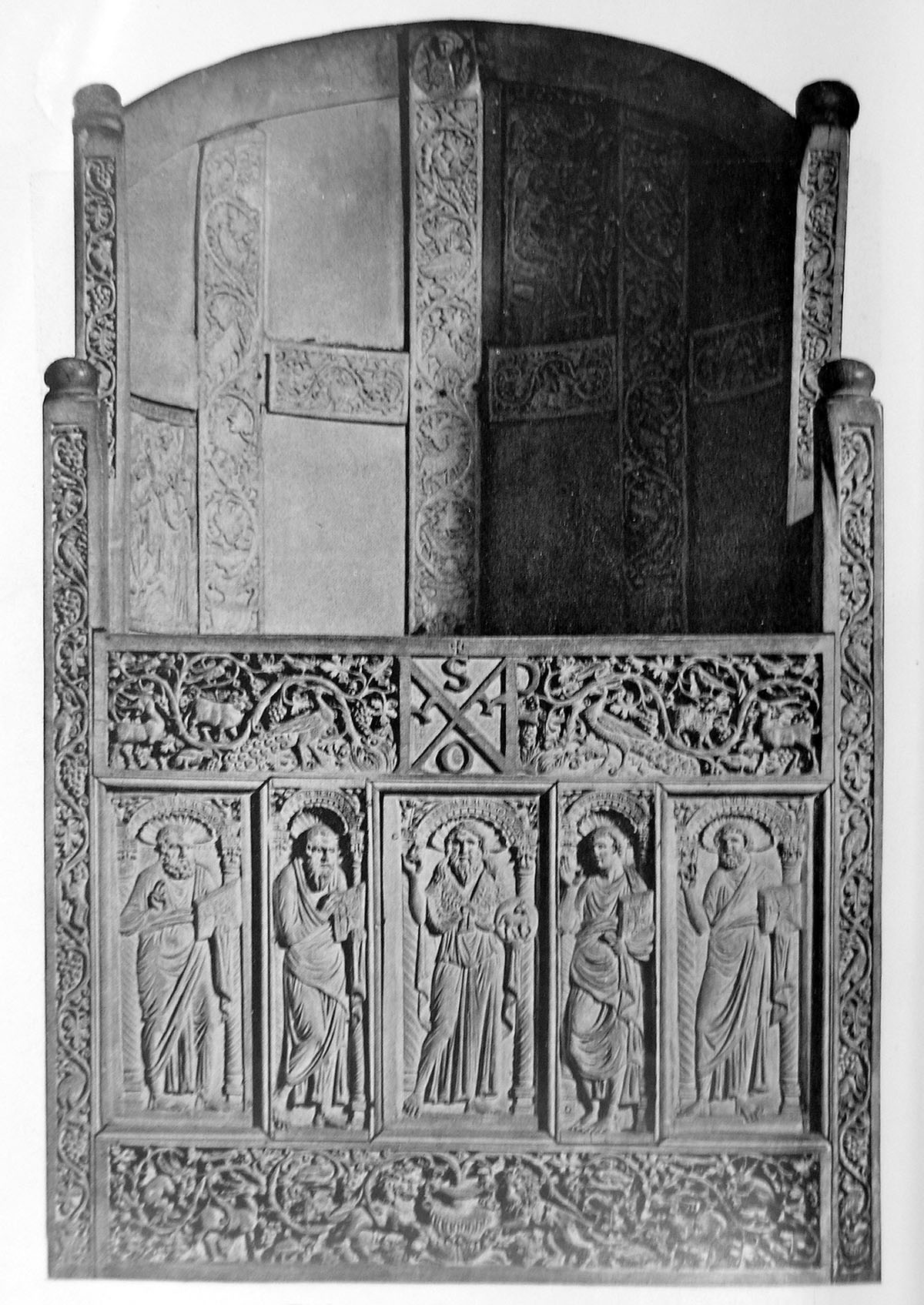
A 6th-century carved ivory episcopal throne whose front panel shows John the Baptist holding the Lamb of God.
John the Baptist is carved at the center of the throne's front panel, holding the Lamb of God.
About this source
What it is
This is a large carved ivory cathedra, or bishop's throne, made around the year 500 for Archbishop Maximian of Ravenna. It is now kept in the Archiepiscopal Museum of Ravenna. The front panel shows the Four Evangelists around John the Baptist, who holds a medallion of the Lamb of God, with Maximian's name above him.
Why it matters
The throne was likely a gift connected to Emperor Justinian, meant to strengthen Maximian's authority as archbishop in Byzantine-controlled Ravenna. Placing John the Baptist at the center of the front panel shows how important he was as a figure linking the Old and New Testaments in Christian art and church authority.
Look closer
- Why might Maximian have wanted John the Baptist shown so prominently on his own throne?
- What does the fine ivory carving suggest about who could afford to commission this object?
- What does the throne's size and design tell you about how it was used in ceremonies?
This sculpture is part of the curated material that grounds the AI version of John the Baptist on Humy.ai — when students ask about related events, the AI can quote it and cite it.
More John the Baptist sources
Browse all 86 →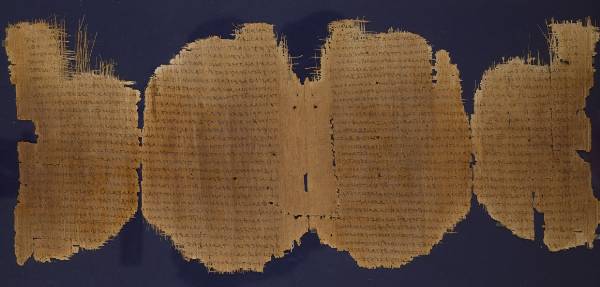 Book
Secondary source
Gospel of Luke
Luke the Evangelist · c. AD 85
Secondary source
Josephus on Jesus
Josephus · c. 93-94 CE
 Painting
Secondary source
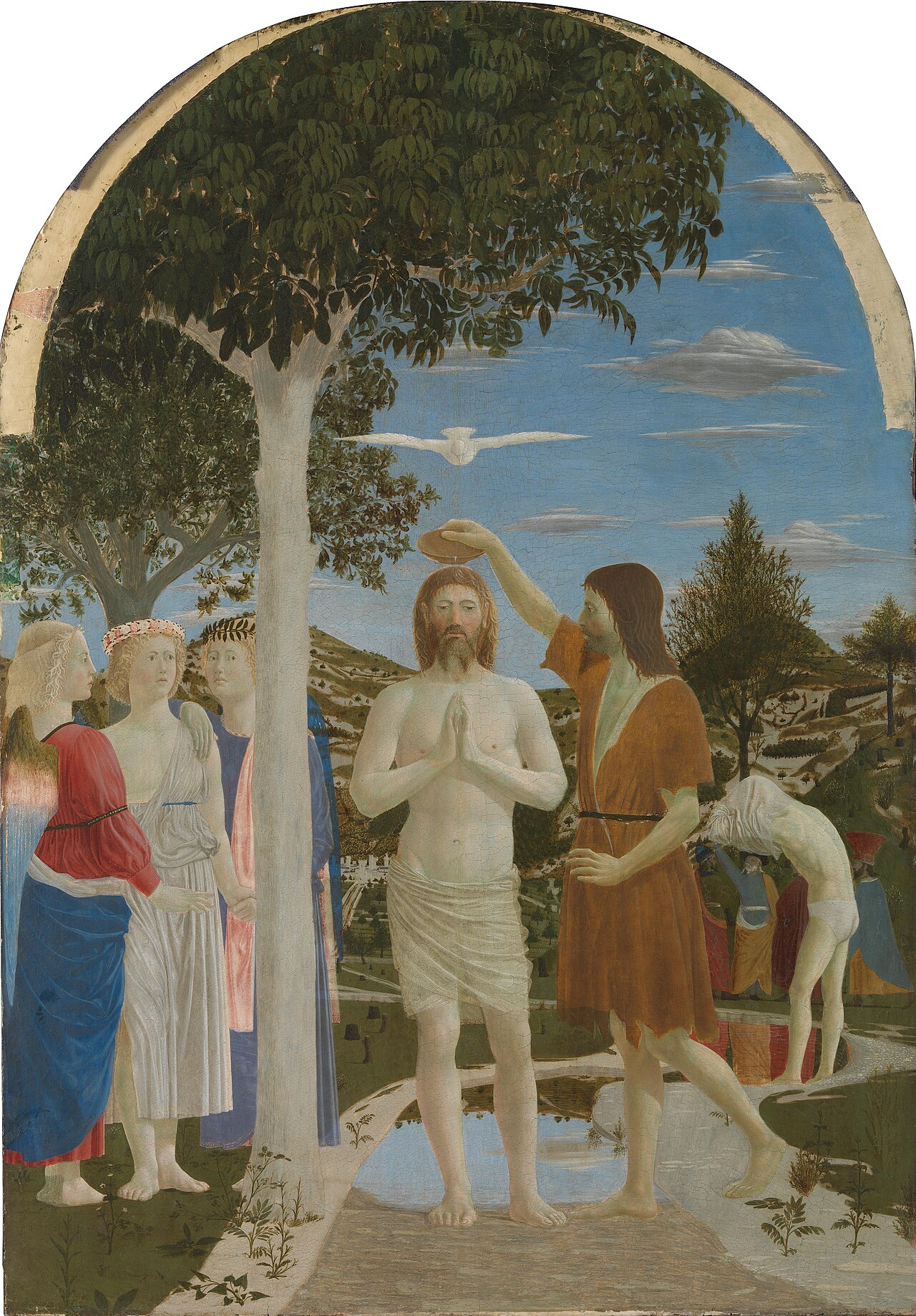
The Baptism of Christ
Piero della Francesca · c. 1440-1460
 Painting
Primary source
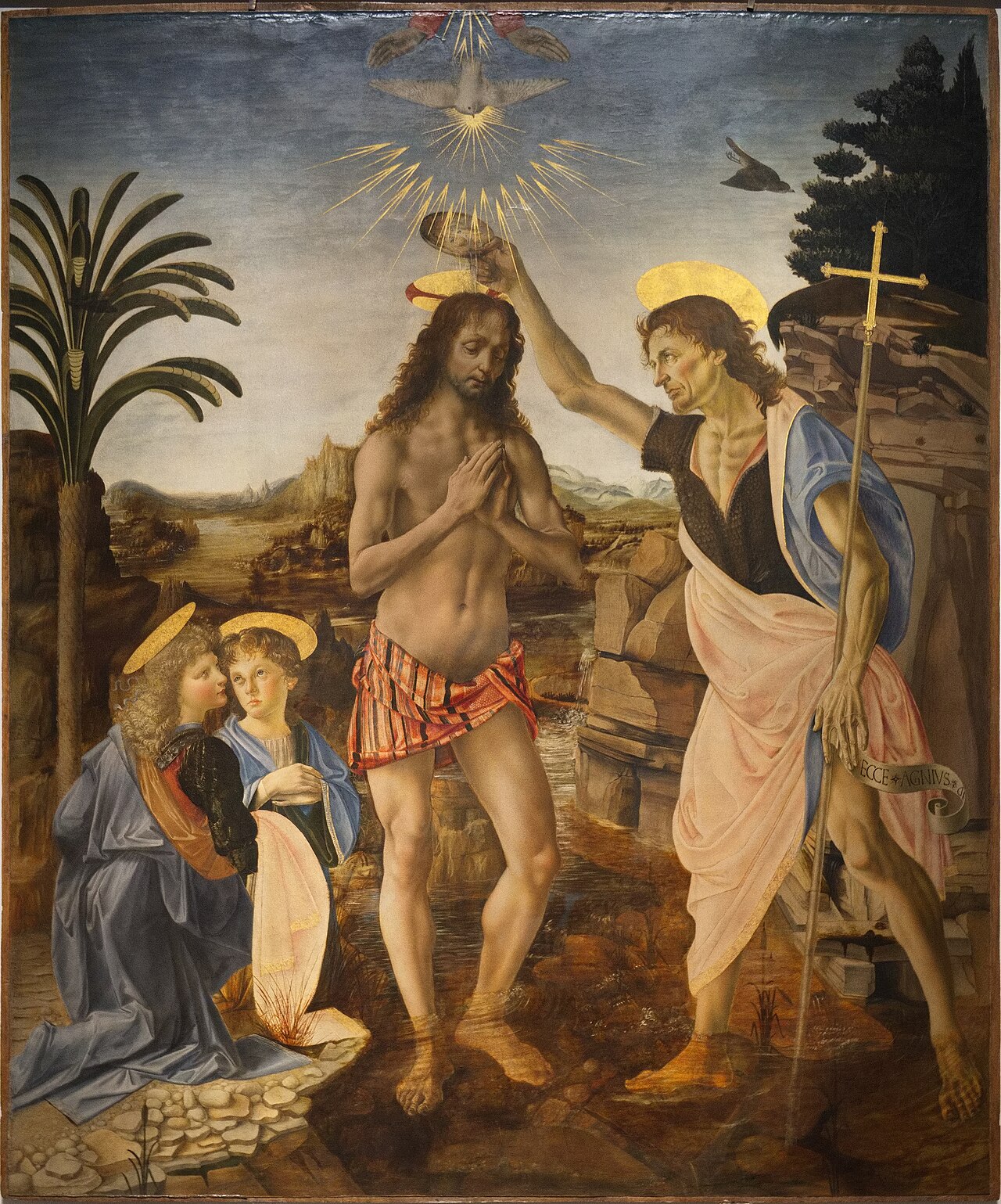
The Baptism of Christ
Andrea del Verrocchio and Leonardo da Vinci · c. 1470-1475

Free account
Read every John the Baptist source
Sign up free →
Ready when you are
Start chatting with John the Baptist now.
20 messages free · No credit card · Available in 50+ languages.