


Primary sourceBook1871
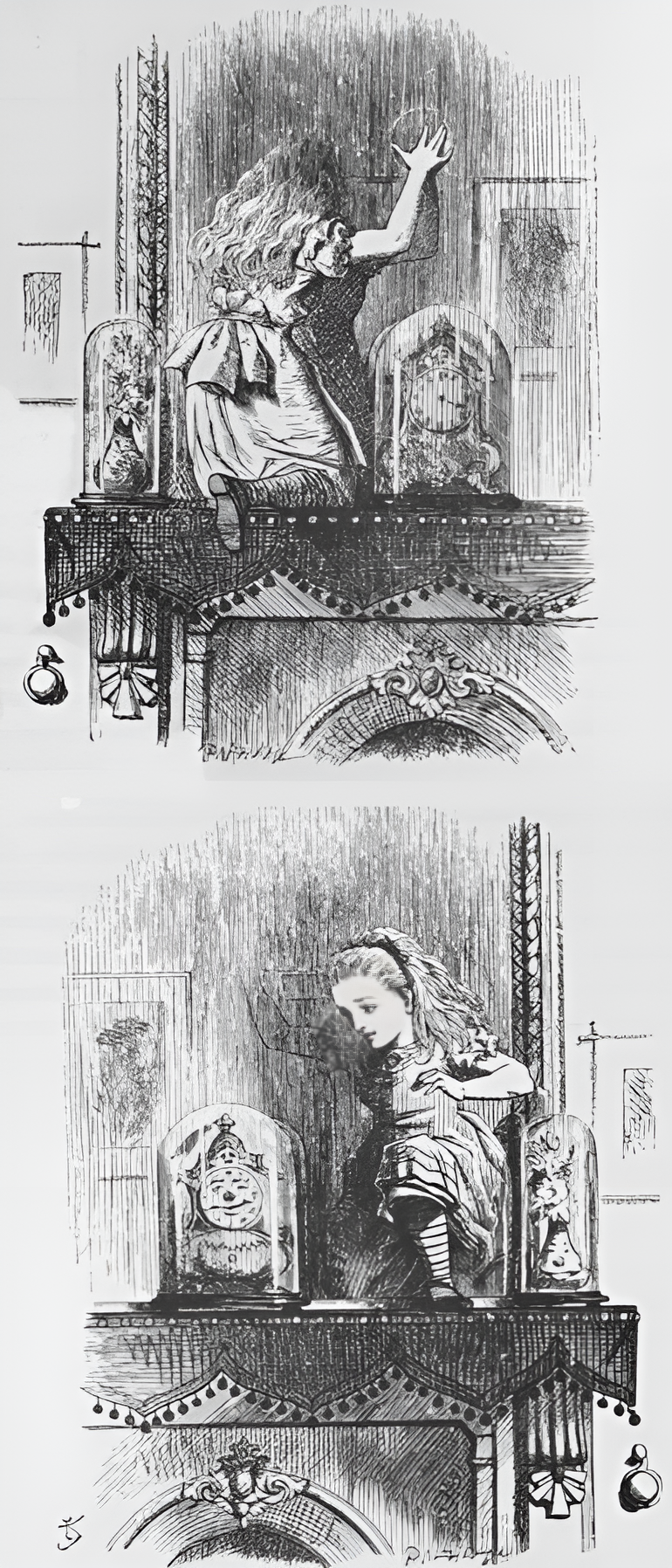
Through the Looking-Glass
Lewis Carroll · 1871
Carroll's 1871 sequel to Alice's Adventures in Wonderland, in which Alice enters a mirror world structured like a chess game.
Carroll's sequel to Alice, showing his mathematical imagination applied to storytelling.
About this source
What it is
Through the Looking-Glass, and What Alice Found There is a novel published in December 1871 by Lewis Carroll, sequel to Alice's Adventures in Wonderland. Alice climbs through a mirror into a reversed world where chess pieces come alive. John Tenniel again provided the illustrations.
Why it matters
The book shows Carroll's mathematical and logical imagination, built around the structure of a chess problem, and introduced lasting phrases such as "jam to-morrow and jam yesterday" and "portmanteau words". It demonstrates how Carroll's mathematics lecturing at Oxford shaped his imaginative writing.
Look closer
- How does the idea of a mirror world let Carroll play with logic and reversal?
- Why might Carroll have organised the book's events like moves in a chess game?
- What do the strange nursery-rhyme characters Alice meets suggest about Victorian childhood reading?
This book is part of the curated material that grounds the AI version of Lewis Carroll on Humy.ai — when students ask about related events, the AI can quote it and cite it.
More Lewis Carroll sources
Meet the AI Lewis Carroll →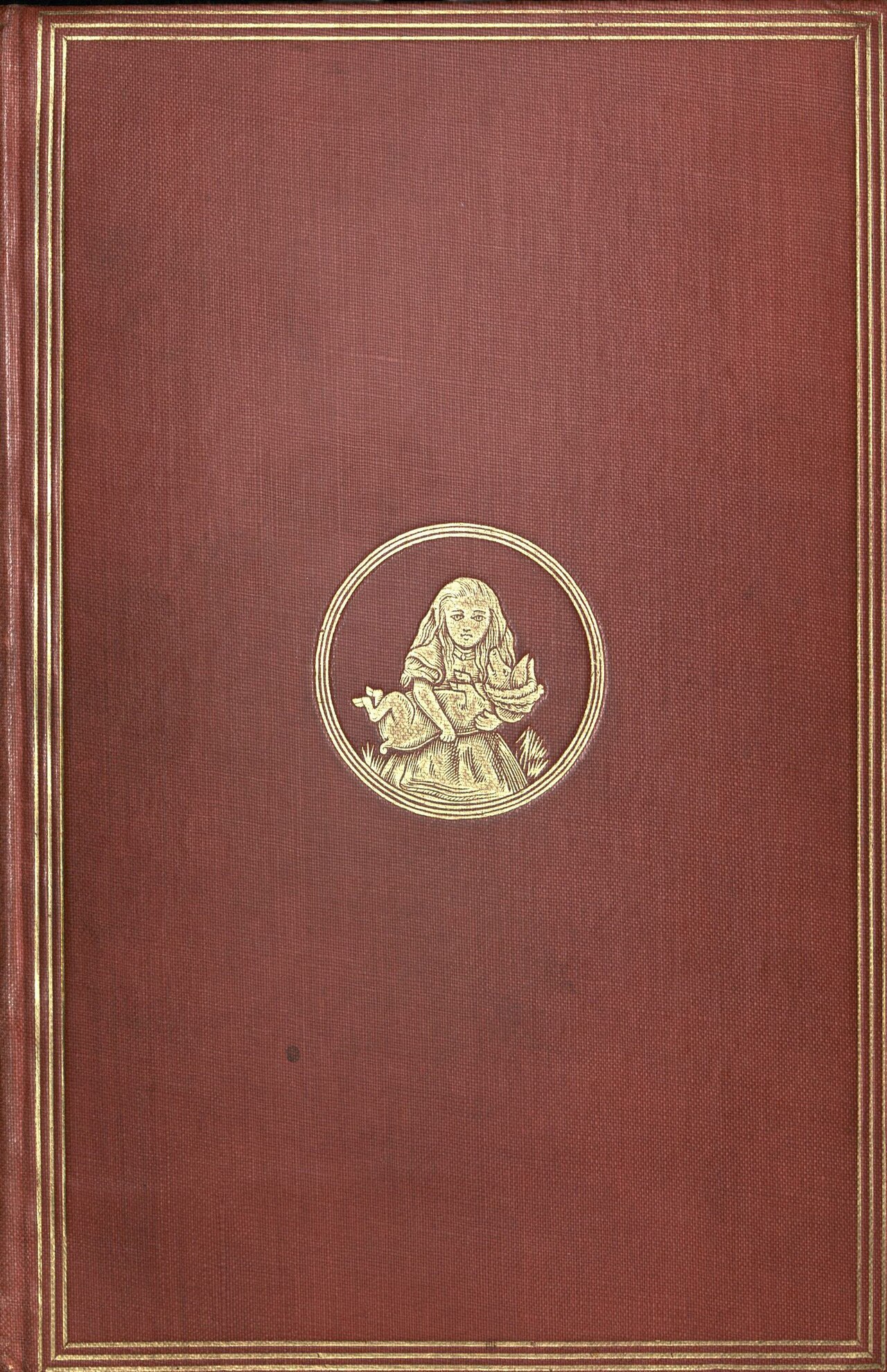 Book
Primary source
Alice's Adventures in Wonderland
Lewis Carroll · 1865
Primary source
Alice's Adventures Under Ground
Lewis Carroll · 1864
 Book
Primary source
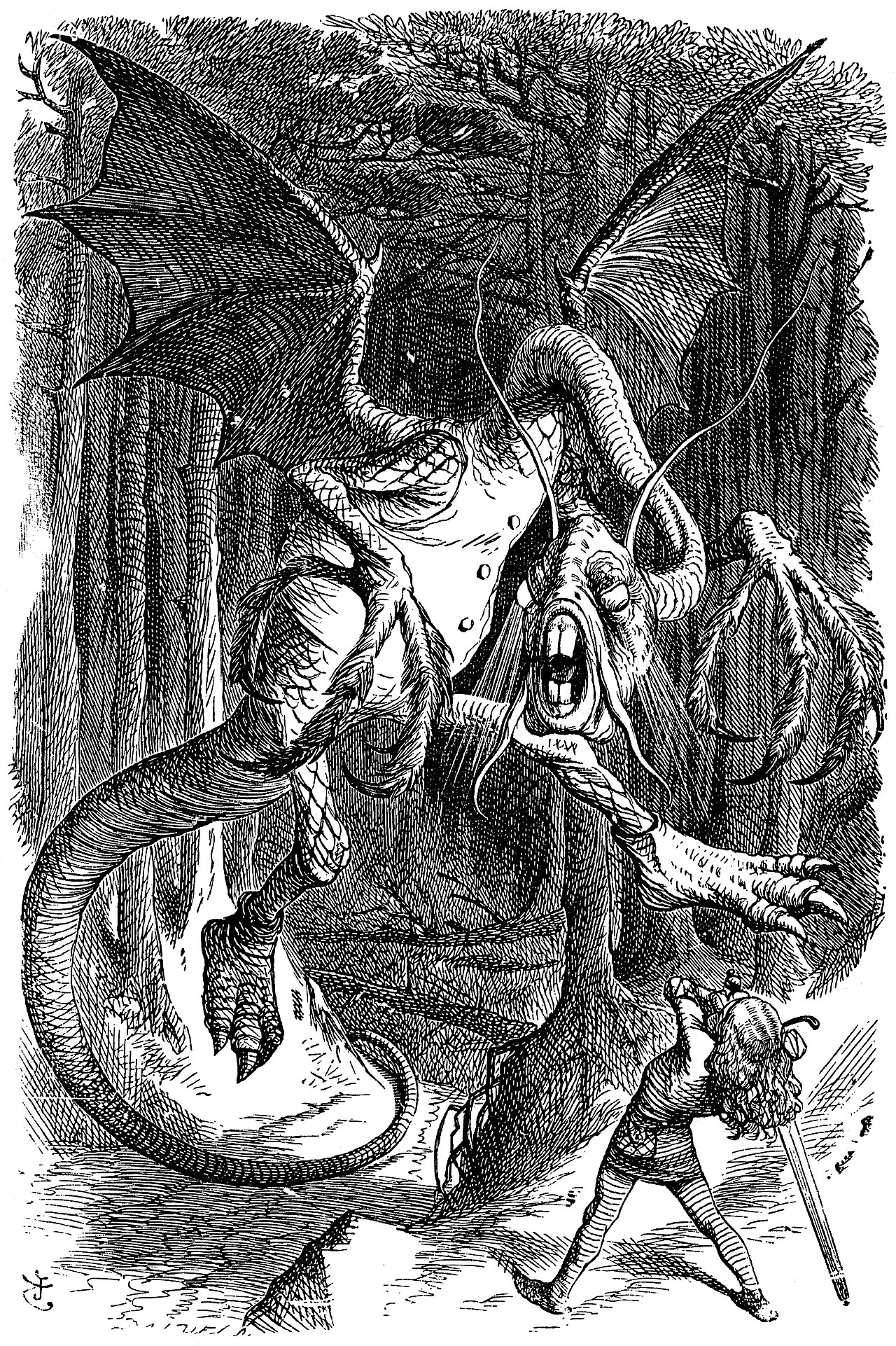
Jabberwocky
Lewis Carroll · 1871
 Book
Primary source
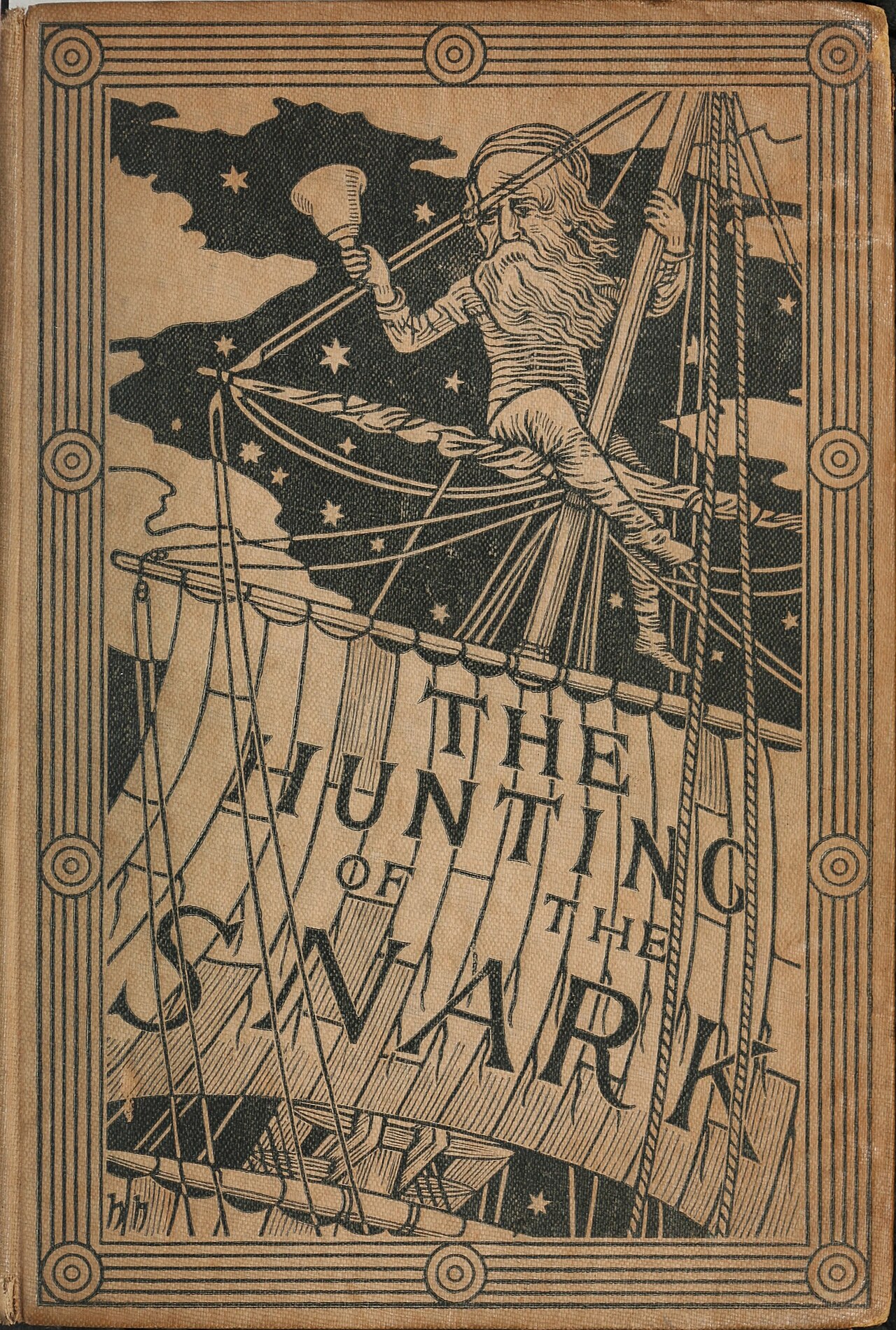
The Hunting of the Snark
Lewis Carroll · 1876
Secondary source
Life and Letters of Lewis Carroll
S. D. Collingwood · 1898
Ready when you are
Start chatting with Lewis Carroll now.
20 messages free · No credit card · Available in 50+ languages.