


Secondary sourceDocument10th century AD
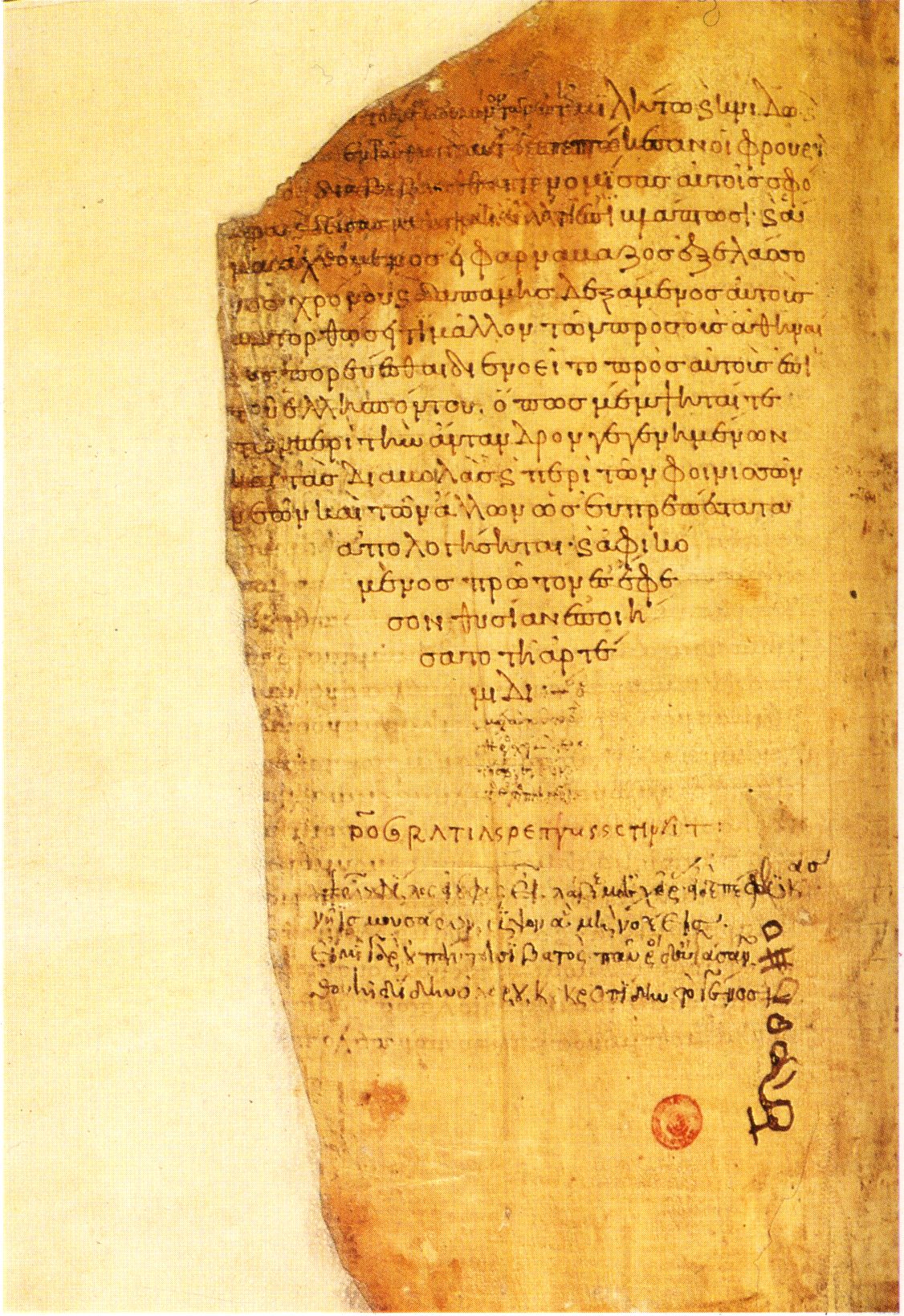
Thucydides, Florence, Plut. 69.2
10th century AD
The earliest surviving substantial manuscript of Thucydides' history, a tenth-century Byzantine copy of his text.
This manuscript preserves Thucydides' text and shows how his work survived through later copying.
About this source
What it is
This is a page from a tenth-century Greek manuscript of Thucydides' History of the Peloponnesian War, known to scholars as manuscript C. It is held at the Biblioteca Medicea Laurenziana in Florence.
Why it matters
No original writing by Thucydides survives; everything we know of his text comes through copies like this one, made by Byzantine scribes centuries after his death. This manuscript is the oldest substantial copy that still exists, making it a crucial link between the ancient historian and modern readers.
Look closer
- What does it mean that we only know Thucydides' words through copies made centuries later?
- What clues on this page show it was handwritten by a scribe, not printed?
- Why do historians value finding the oldest possible copy of a text?
This document is part of the curated material that grounds the AI version of Thucydides on Humy.ai — when students ask about related events, the AI can quote it and cite it.
More Thucydides sources
Browse all 71 →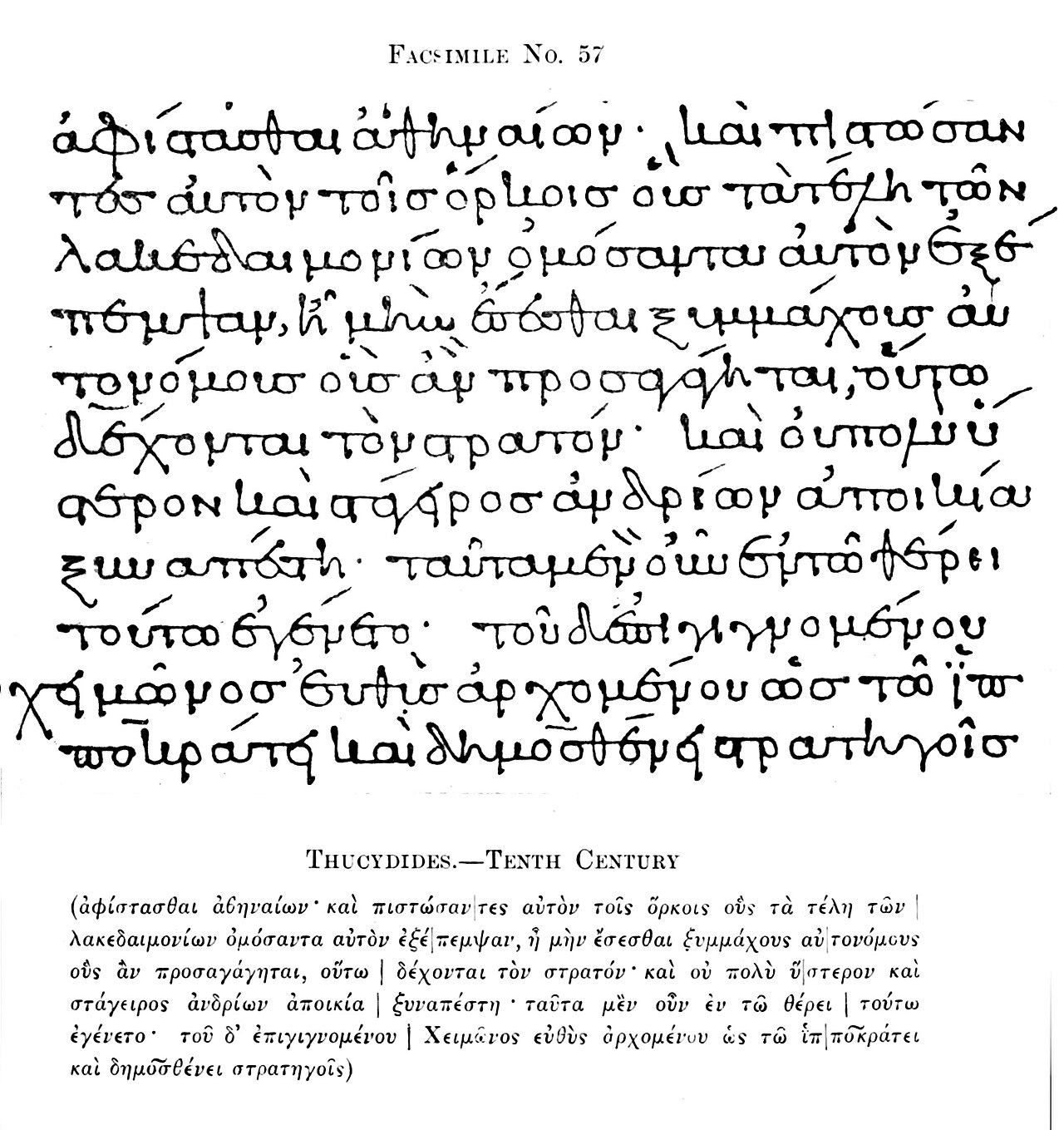 Book
Primary source
History of the Peloponnesian War
Thucydides · 5th century BCE
 Speech
Secondary source
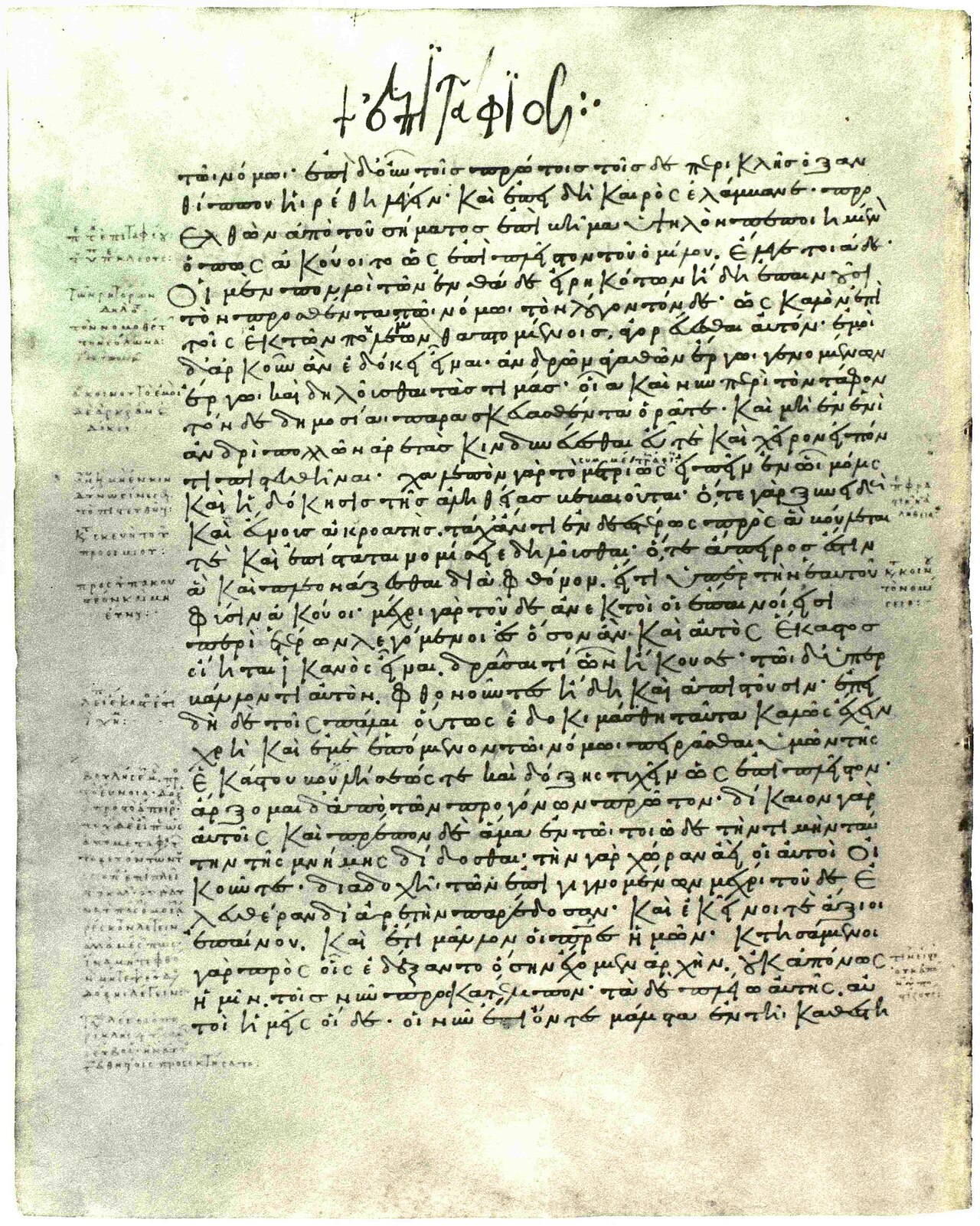
Pericles' Funeral Oration
Thucydides · 431/430 BCE
 Sculpture
Secondary source
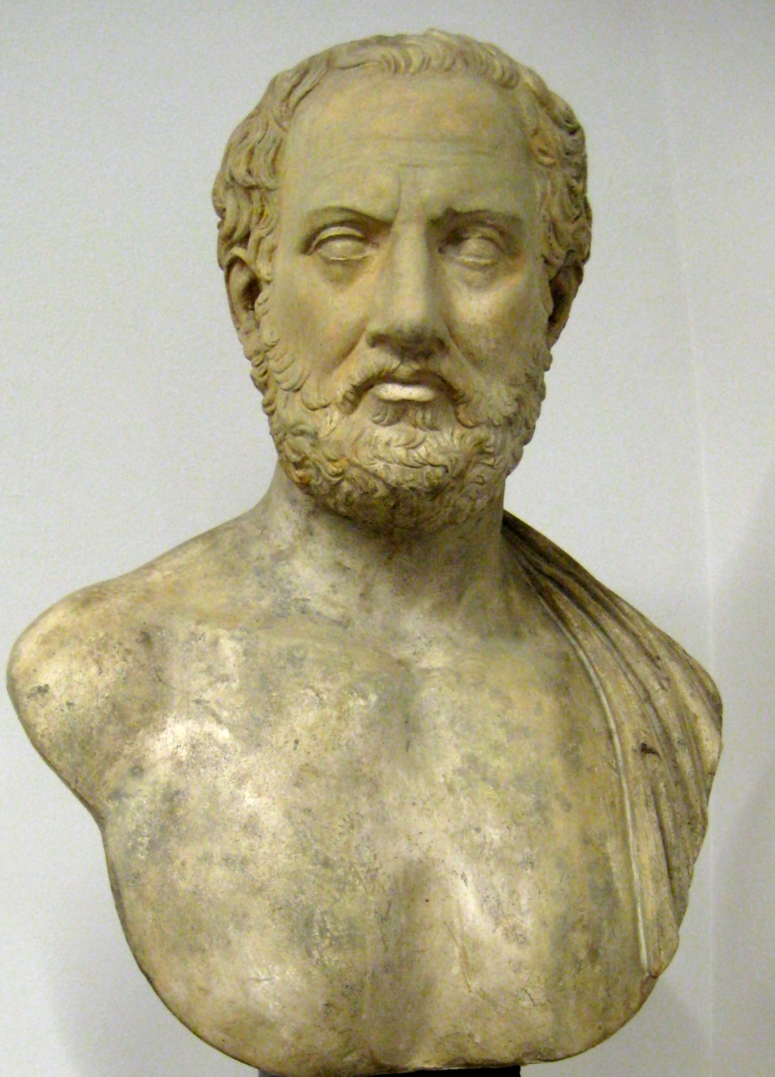
Portrait of Thucydides
Unknown Roman sculptor (after a Greek original) · Roman copy c. 100 CE of a Greek original of the early 4th century BCE; this cast early 20th century
 Sculpture
Secondary source
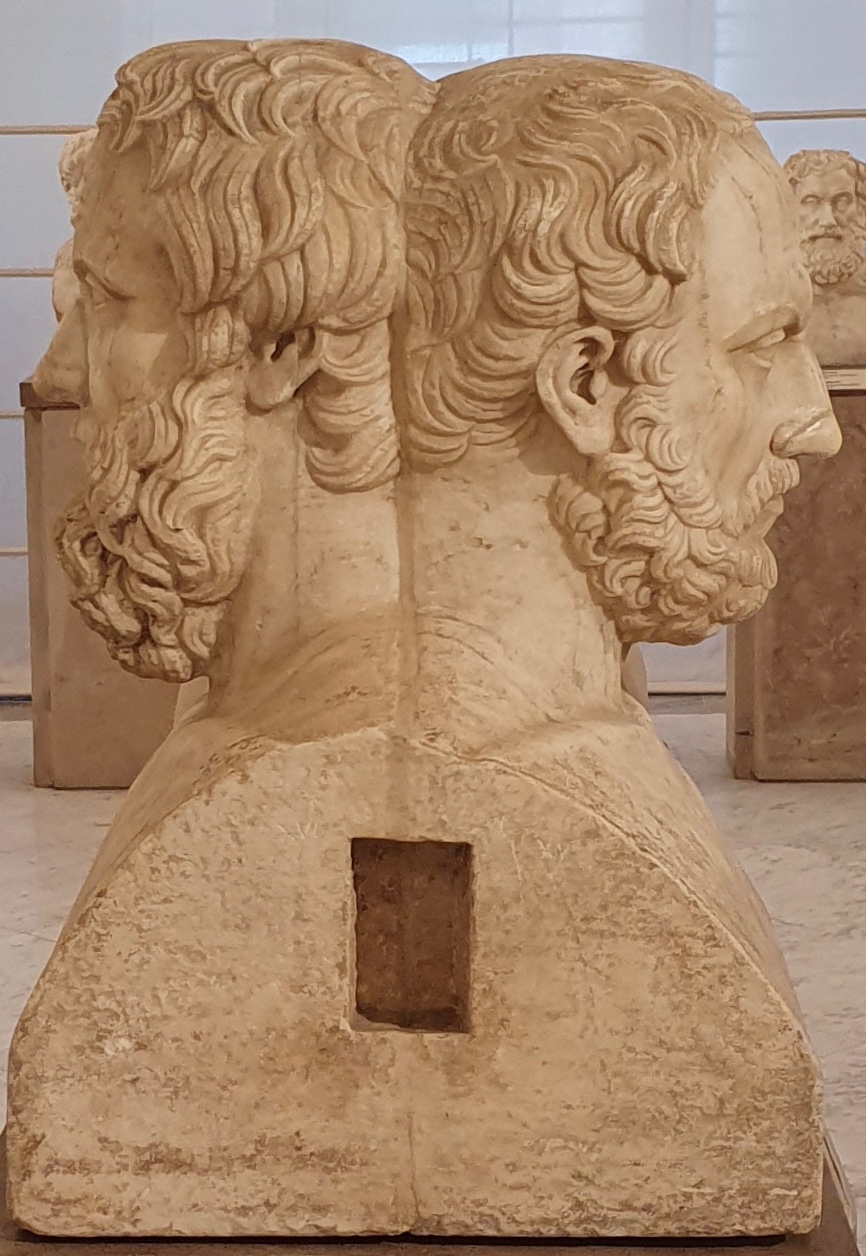
Double Herm of Herodotus and Thucydides
Unknown Roman sculptor after Greek originals · 2nd century AD
Free account
Read every Thucydides source
Sign up free →
Ready when you are
Start chatting with Thucydides now.
20 messages free · No credit card · Available in 50+ languages.