


Secondary sourceArtifact1475-1476 (tilework); photographed 2015
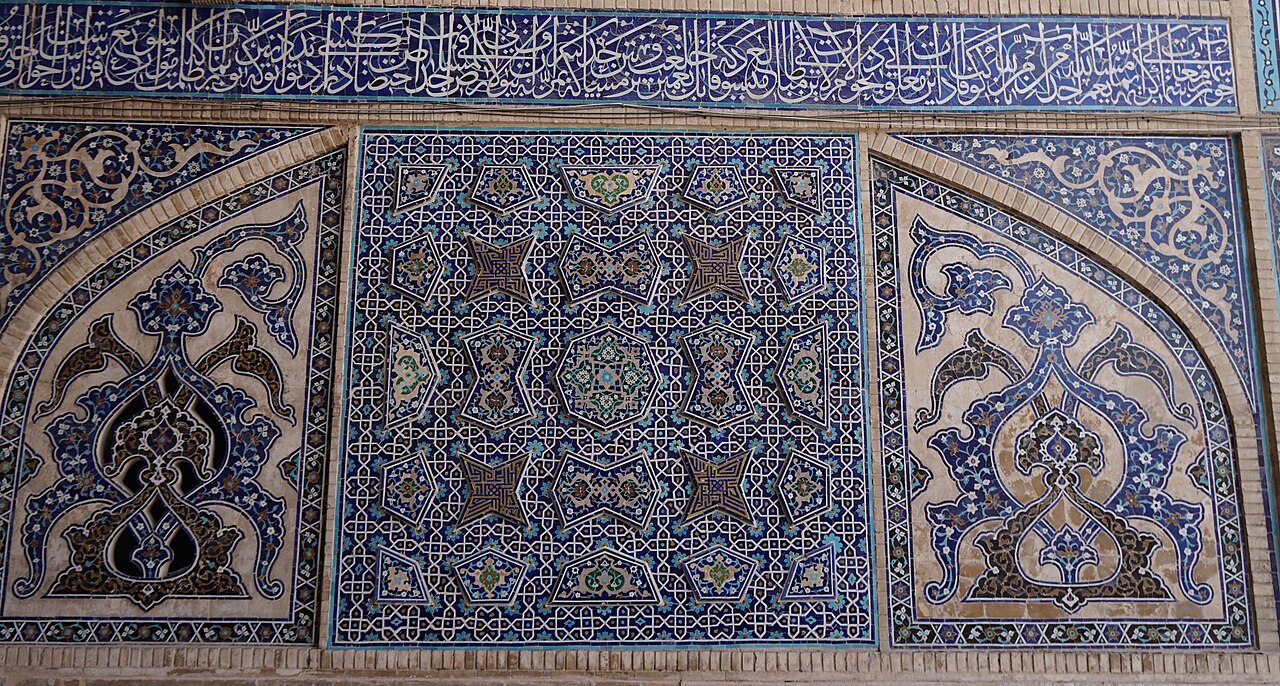
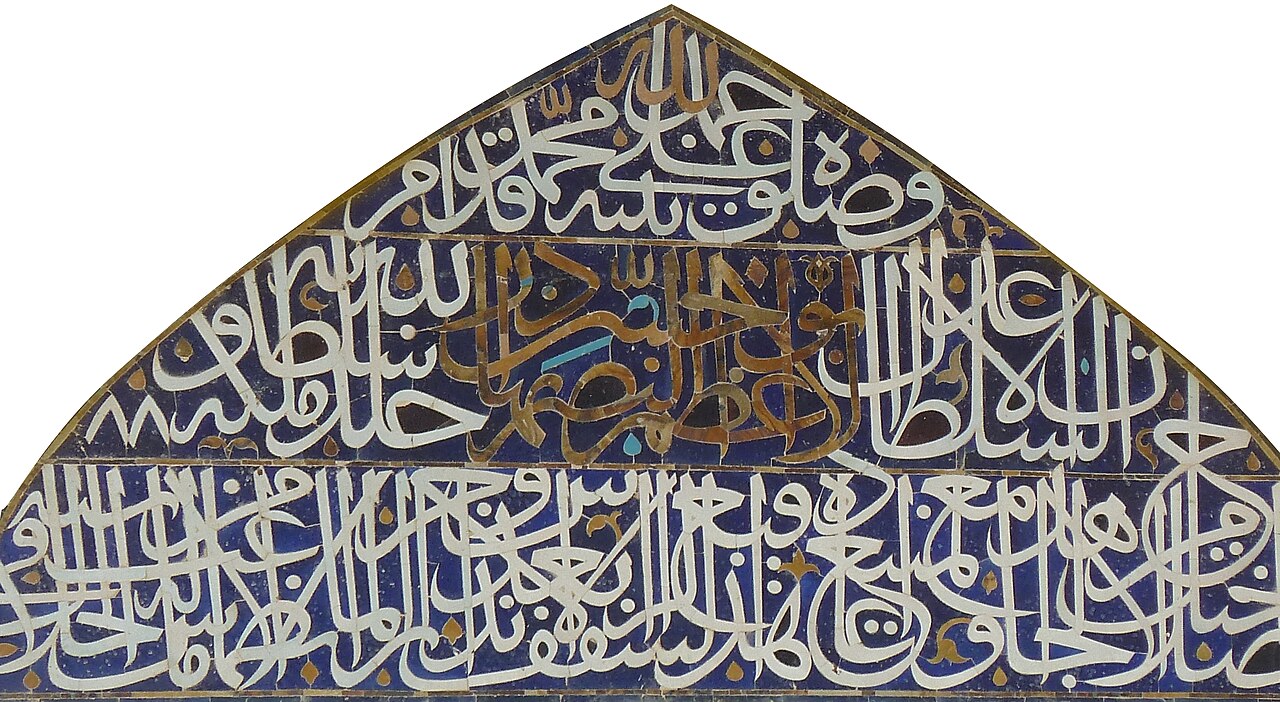
Tile Decoration of the Southern Iwan, Masjed-e Jameh, Isfahan
s1ingshot from Berlin, Germany · 1475-1476 (tilework); photographed 2015
A photograph of tilework in the great mosque of Isfahan, added by Uzun Hassan in 1475–6.
This tilework was commissioned by Uzun Hassan as an addition to the great mosque of Isfahan during his reign.
About this source
What it is
This photograph shows part of the glazed tile decoration in the southern iwan (vaulted hall) of the Masjed-e Jameh, the great Friday mosque of Isfahan. According to the site's records, this section of tilework was added under the order of Uzun Hassan in 1475–6.
Why it matters
As ruler of the Aq Qoyunlu, Uzun Hassan expanded his territory to include Isfahan, and his additions to its ancient mosque show how rulers used religious architecture to display power and piety. The tile pattern follows strict symmetry, reflecting Islamic artistic traditions of the period.
Look closer
- What geometric and calligraphic patterns can you pick out in the tilework?
- Why might a ruler choose to add decoration to an already important religious building?
- What does this photograph, taken centuries later, not tell you about how the tiles originally looked?
This artifact is part of the curated material that grounds the AI version of Uzun Hasan on Humy.ai — when students ask about related events, the AI can quote it and cite it.
More Uzun Hasan sources
Browse all 66 →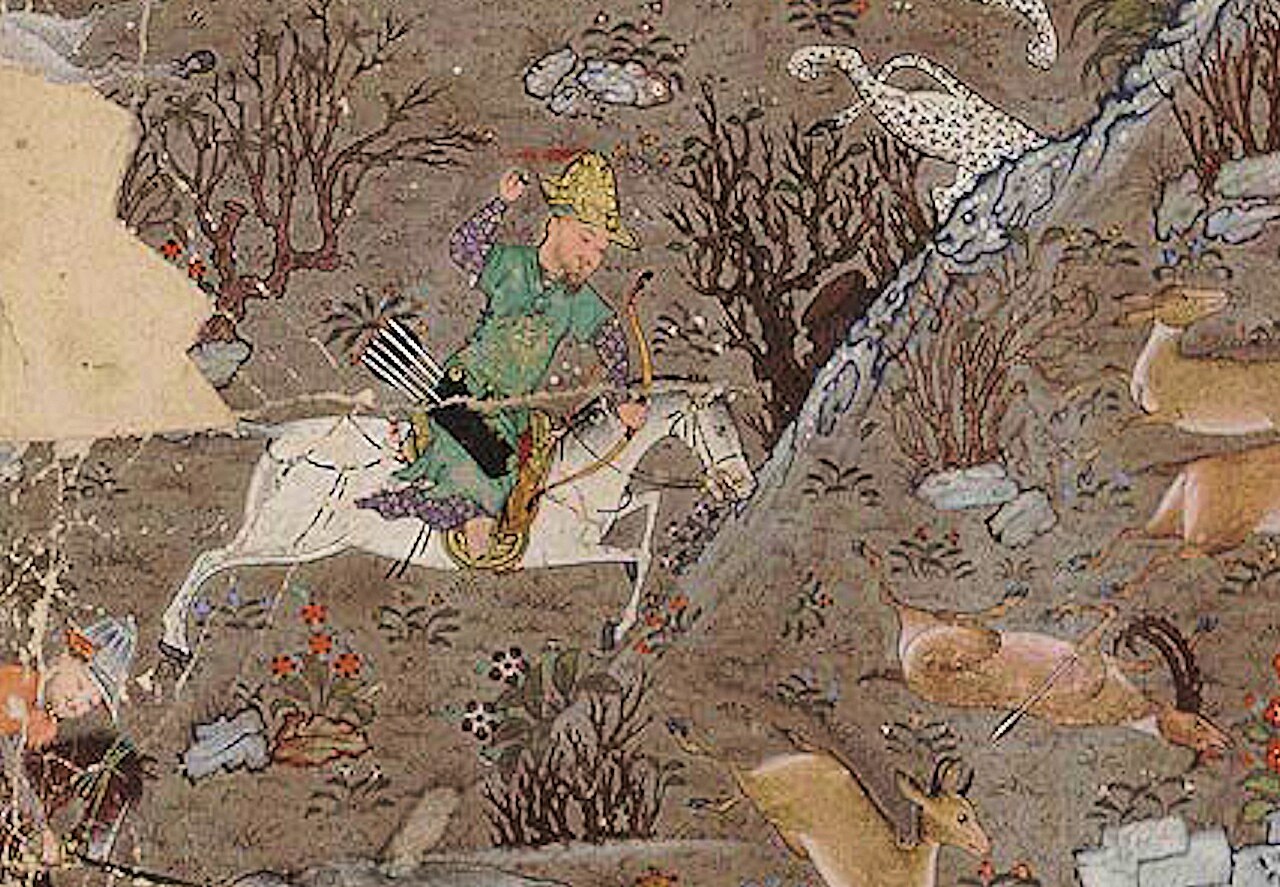 Painting
Primary source
Hunting Sultan Uzun Hasan Diptych
Unknown Tabriz court artist · 1467-1473
 Letter
Primary source
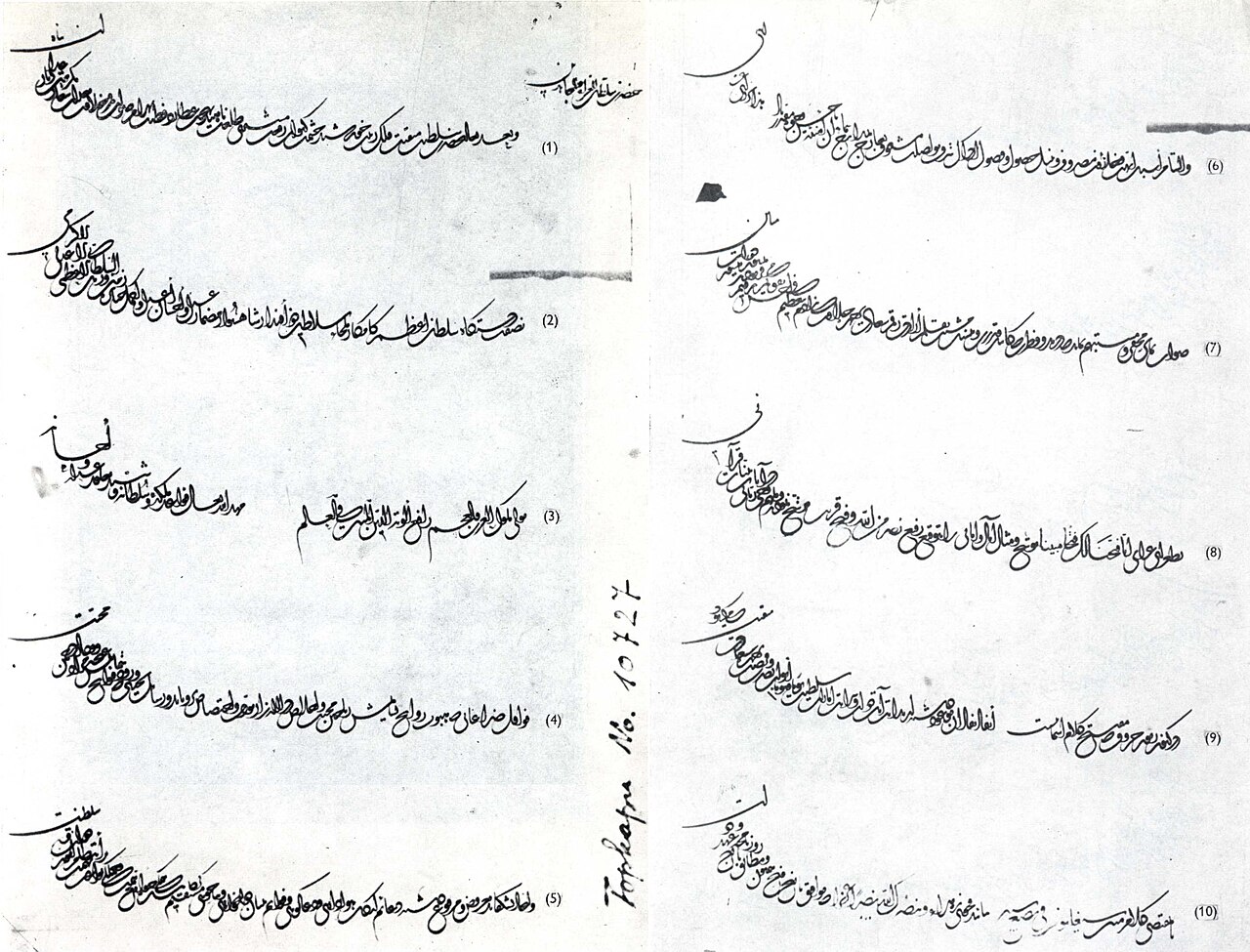
Fath-namah of Uzun Hasan to the Ottoman Sultan
Uzun Hasan · March 1469
 Document
Primary source
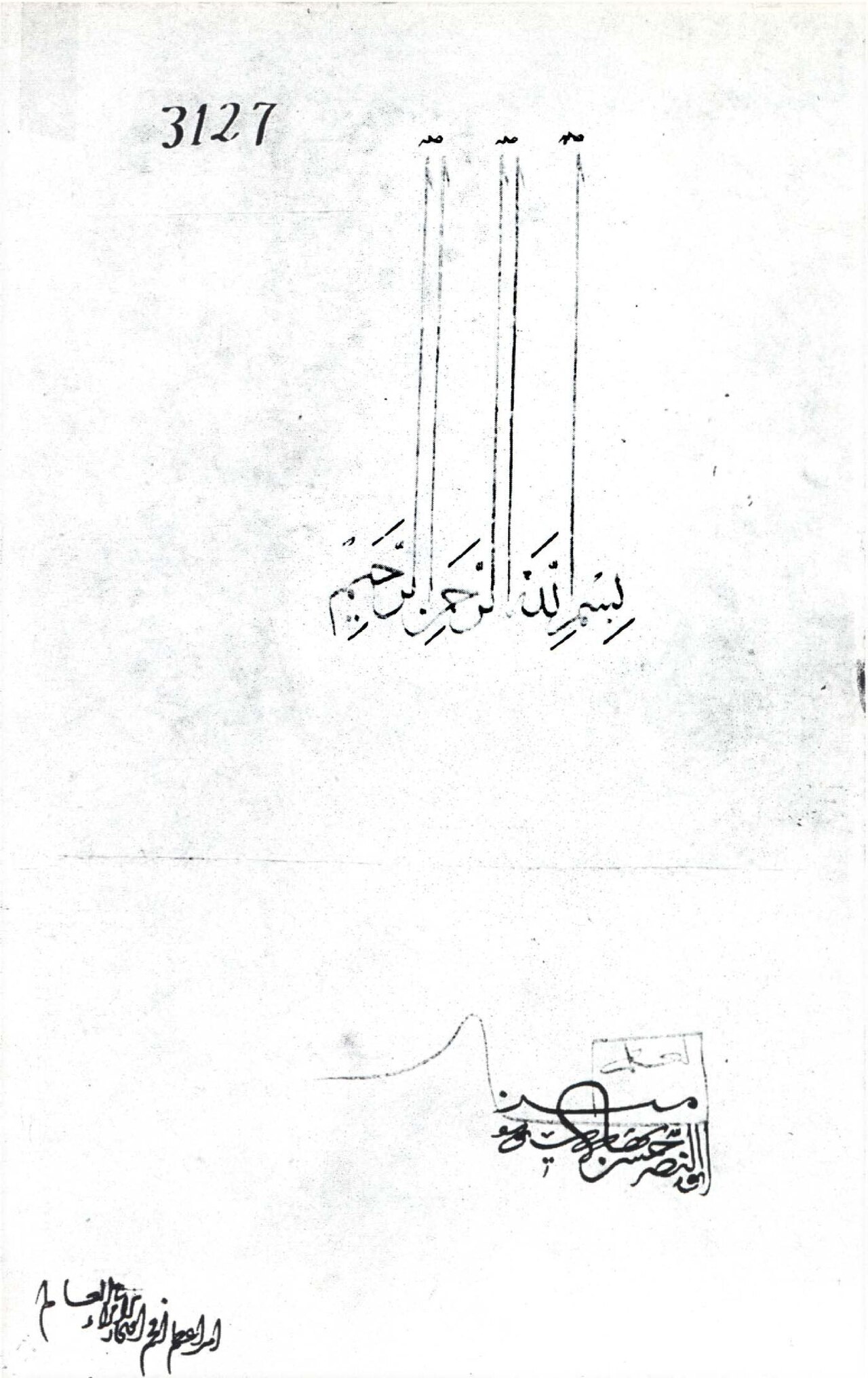
Farman of Uzun Hasan to 'Alayi Bayg
Uzun Hasan · 21 February 1471
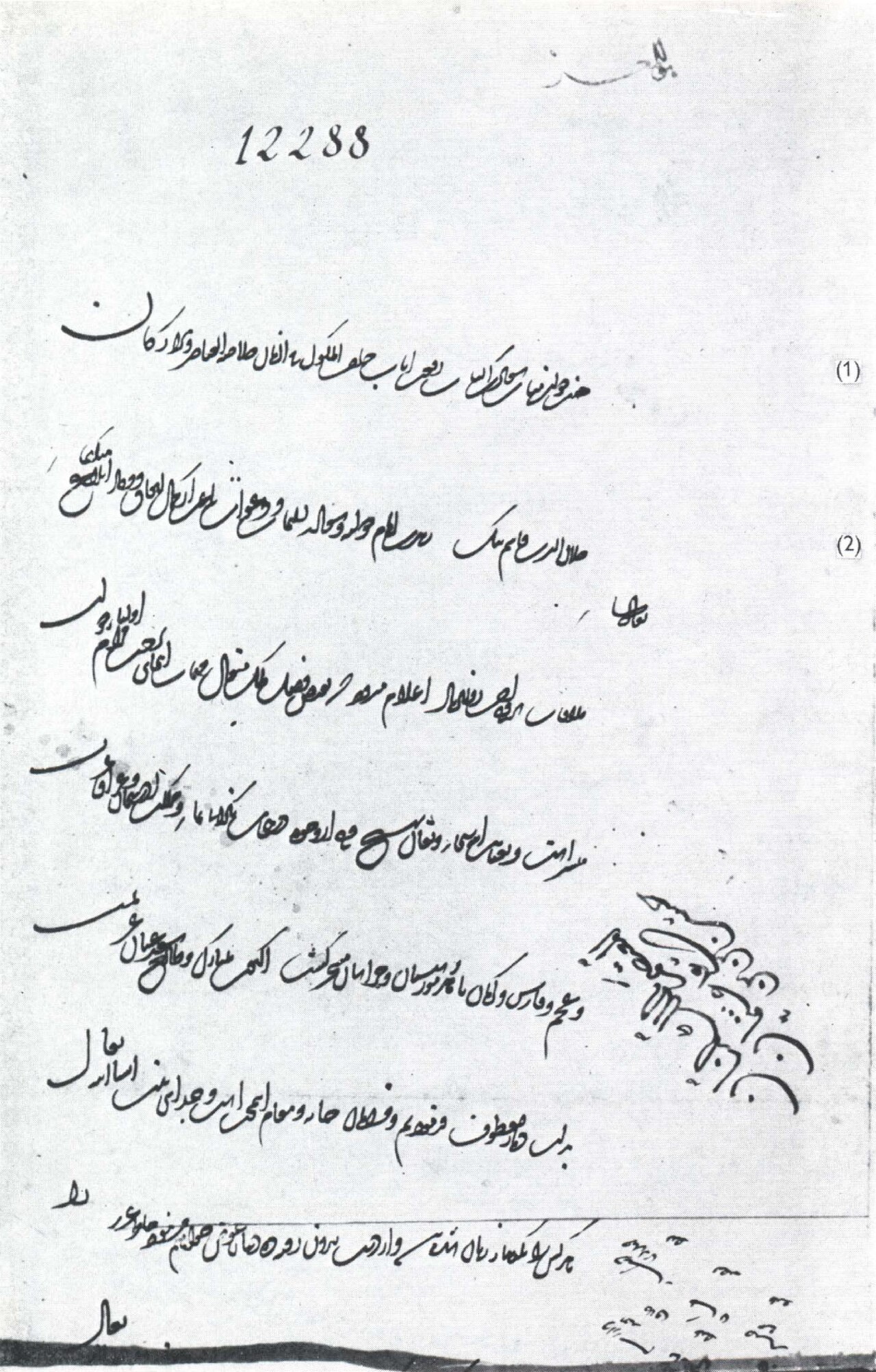 Letter
Primary source
Letter of Uzun Hasan to Jalal al-Din Qasim Bayg
Uzun Hasan · 1471
Free account
Read every Uzun Hasan source
Sign up free →
Ready when you are
Start chatting with Uzun Hasan now.
20 messages free · No credit card · Available in 50+ languages.