


Primary sourceDocument1969
Tinker v. Des Moines Independent Community School District
Abe Fortas · 1969
The 1969 Supreme Court case on student free speech, in which Justice Hugo Black wrote a sharp dissent against the majority's ruling.
Black's dissent in this case reveals his distinction between protected speech and disruptive conduct, differing from his usual absolutism.
About this source
What it is
This is the official record of a 1969 Supreme Court case about students who wore black armbands to school to protest the Vietnam War and were suspended. The majority opinion, written by Justice Abe Fortas, held that students kept their First Amendment rights at school. Justice Hugo Black dissented from this decision.
Why it matters
The case set the long-used 'substantial disruption' test for student speech. Black's dissent shows a different side of his free-speech thinking: he distinguished between pure speech and symbolic or disruptive conduct, arguing schools needed authority to maintain order. It reveals how his views on free expression grew more cautious later in his career, in contrast to students John and Mary Beth Tinker and Christopher Eckhardt, whose protest began the case.
Look closer
- Why might Black have drawn a line between wearing an armband and other forms of speech?
- How does his dissent compare with his usual strong defense of free expression?
- What does this case show about the limits of First Amendment protection?
This document is part of the curated material that grounds the AI version of Hugo Black on Humy.ai — when students ask about related events, the AI can quote it and cite it.
More Hugo Black sources
Meet the AI Hugo Black →Primary source
New York Times Co. v. United States
1971
Primary source
Youngstown Sheet & Tube Co. v. Sawyer
Hugo Black · 1952
Primary source
Everson v. Board of Education
Hugo Black · 1947
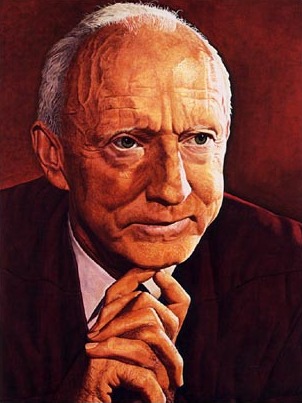 Painting
Secondary source
Hugo Black
John Black
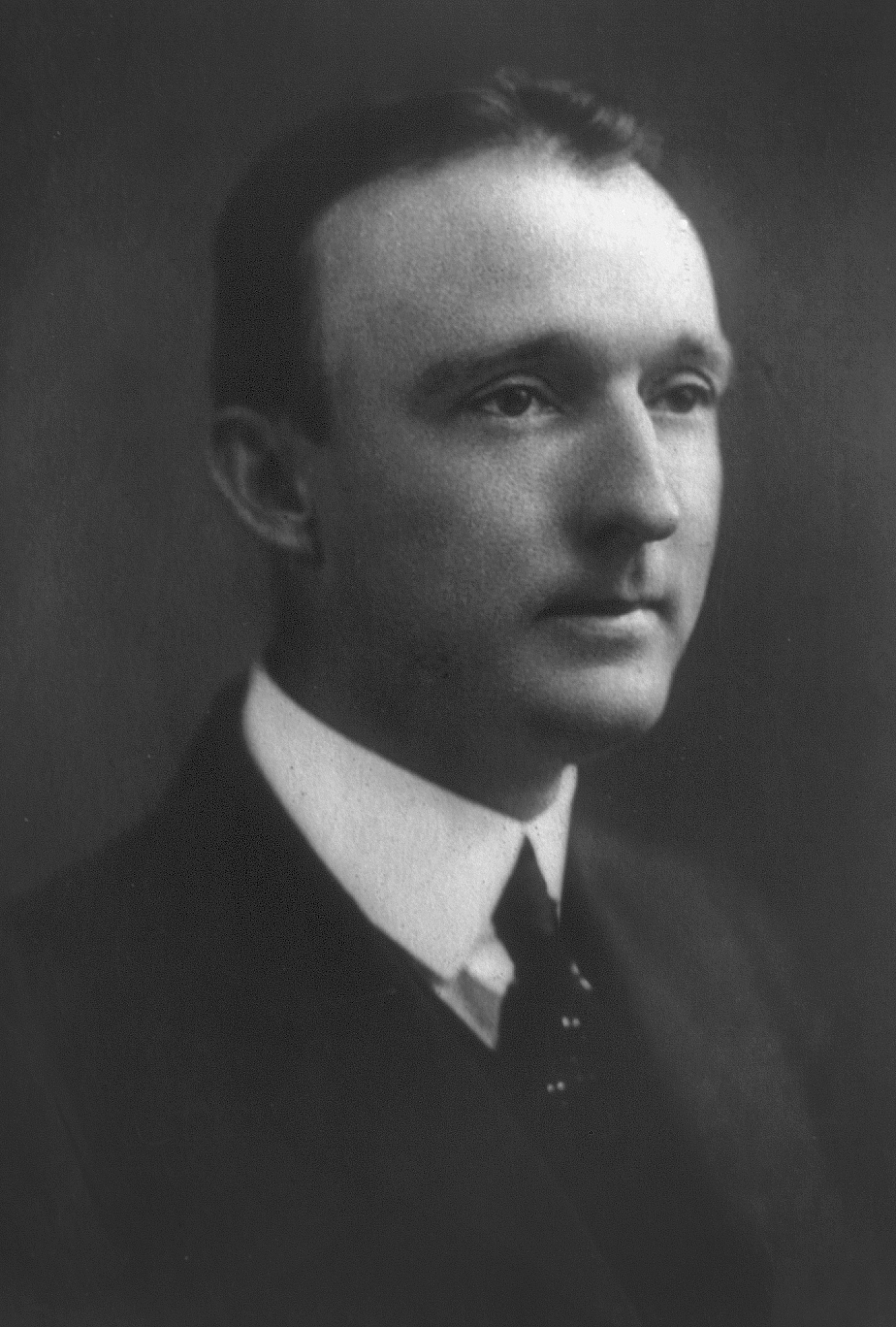 Photograph
Primary source
Senator Hugo Black
Bain News Service
Ready when you are
Start chatting with Hugo Black now.
20 messages free · No credit card · Available in 50+ languages.