


Secondary sourcePainting1949
Tiradentes (2)
Regina Veiga · 1949
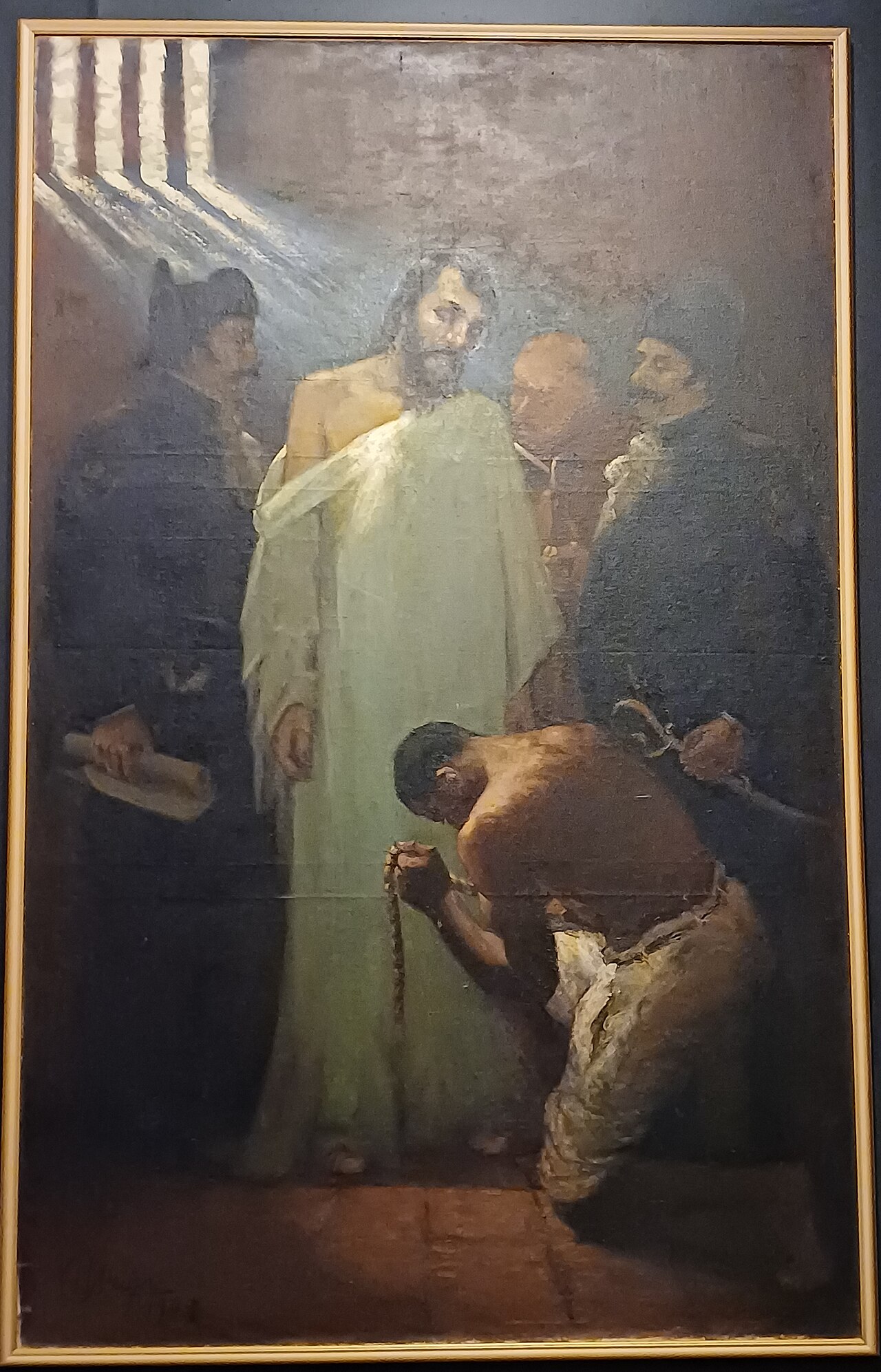
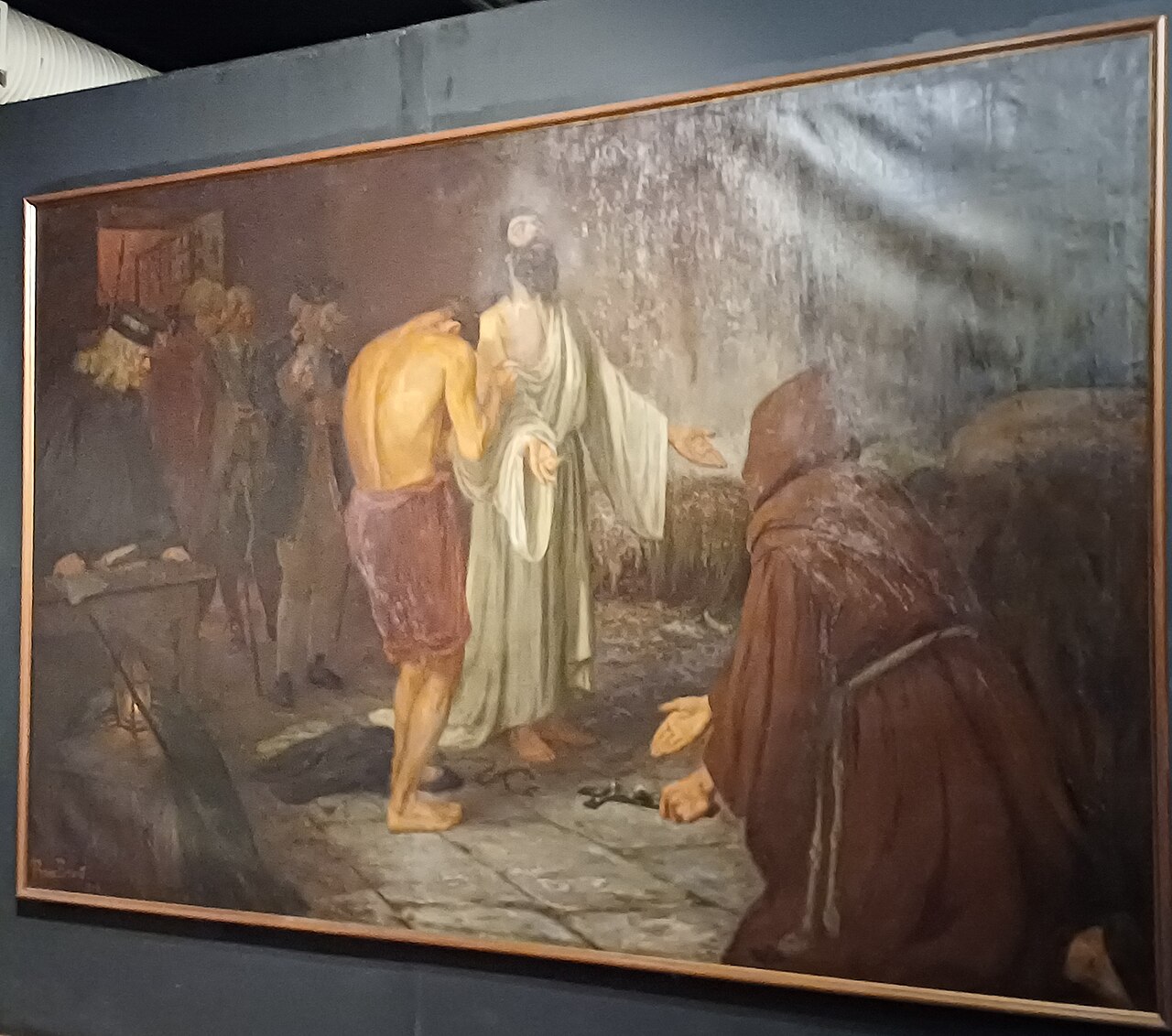
A 1949 painting imagining Tiradentes in prison, part of the later tradition of inventing his heroic image since no lifetime portrait of him exists.
This imagined 1949 portrait of Tiradentes shows how his heroic image was invented long after his death.
About this source
What it is
This is a painting by Regina Veiga, dated 1949, held in the collection of the Museu Histórico Nacional. It shows a dim prison scene with a robed, bearded man standing in light from barred windows, while a kneeling, shirtless man bows his head over chains nearby, with other figures in dark clothing standing at the sides.
Why it matters
No portrait of Tiradentes survives from his own lifetime, so artists like Regina Veiga, working more than a century later, created an imagined likeness of him. This painting shows how the heroic, martyr-like image of Tiradentes became fixed in Brazilian art and memory during the twentieth century, long after the events of the Minas Gerais Conspiracy.
Look closer
- Since no real portrait of Tiradentes exists, what choices did the artist make to show him as a hero?
- What might the chained, kneeling figure represent in this imagined prison scene?
- Why do you think painters kept returning to prison scenes when depicting Tiradentes?
This painting is part of the curated material that grounds the AI version of Tiradentes on Humy.ai — when students ask about related events, the AI can quote it and cite it.
More Tiradentes sources
Browse all 56 →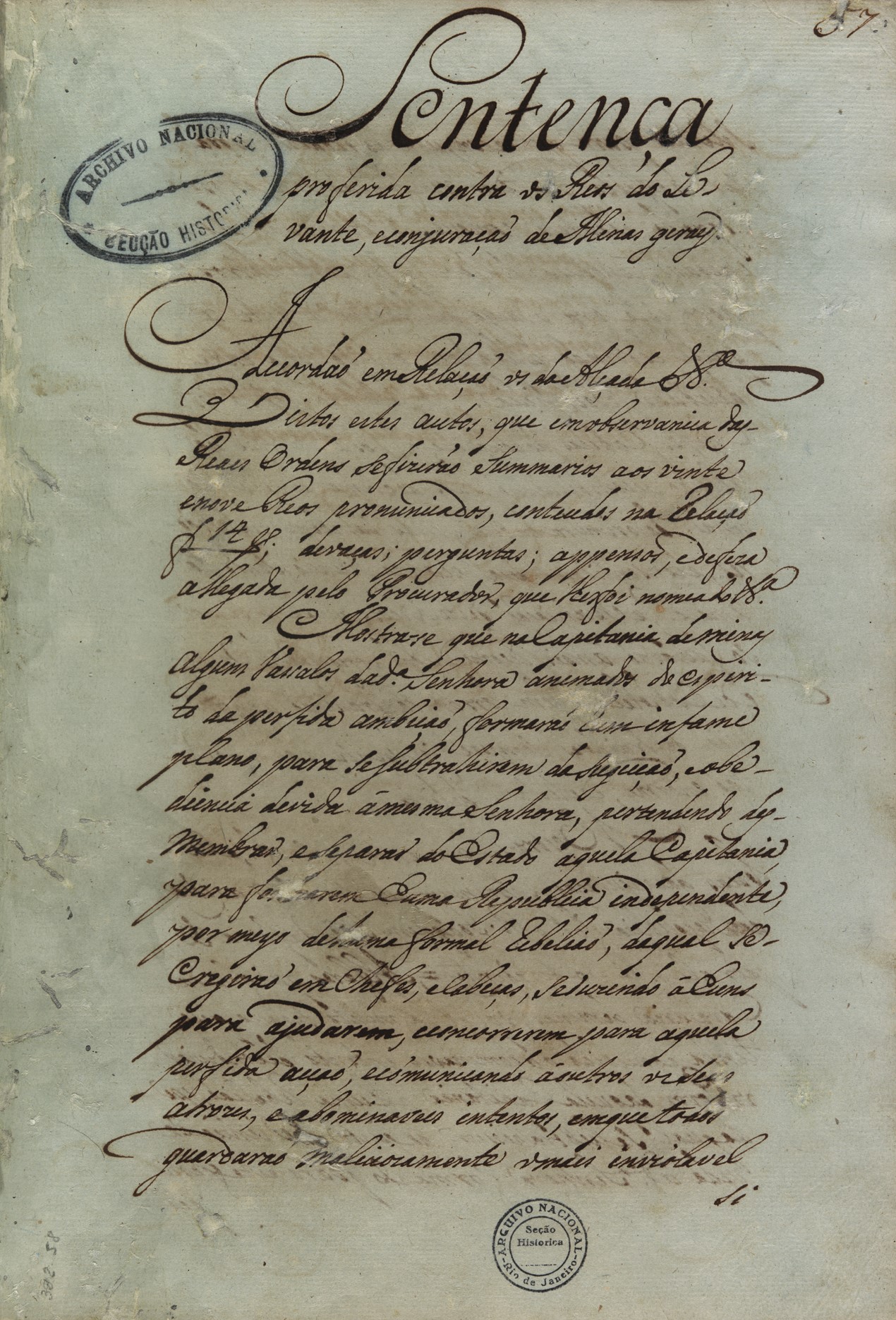 Document
Primary source
Autos de Devassa da Inconfidência Mineira
Portuguese colonial judiciary (Devassas of Vila Rica and Rio de Janeiro) · 1789–1792
 Painting
Secondary source
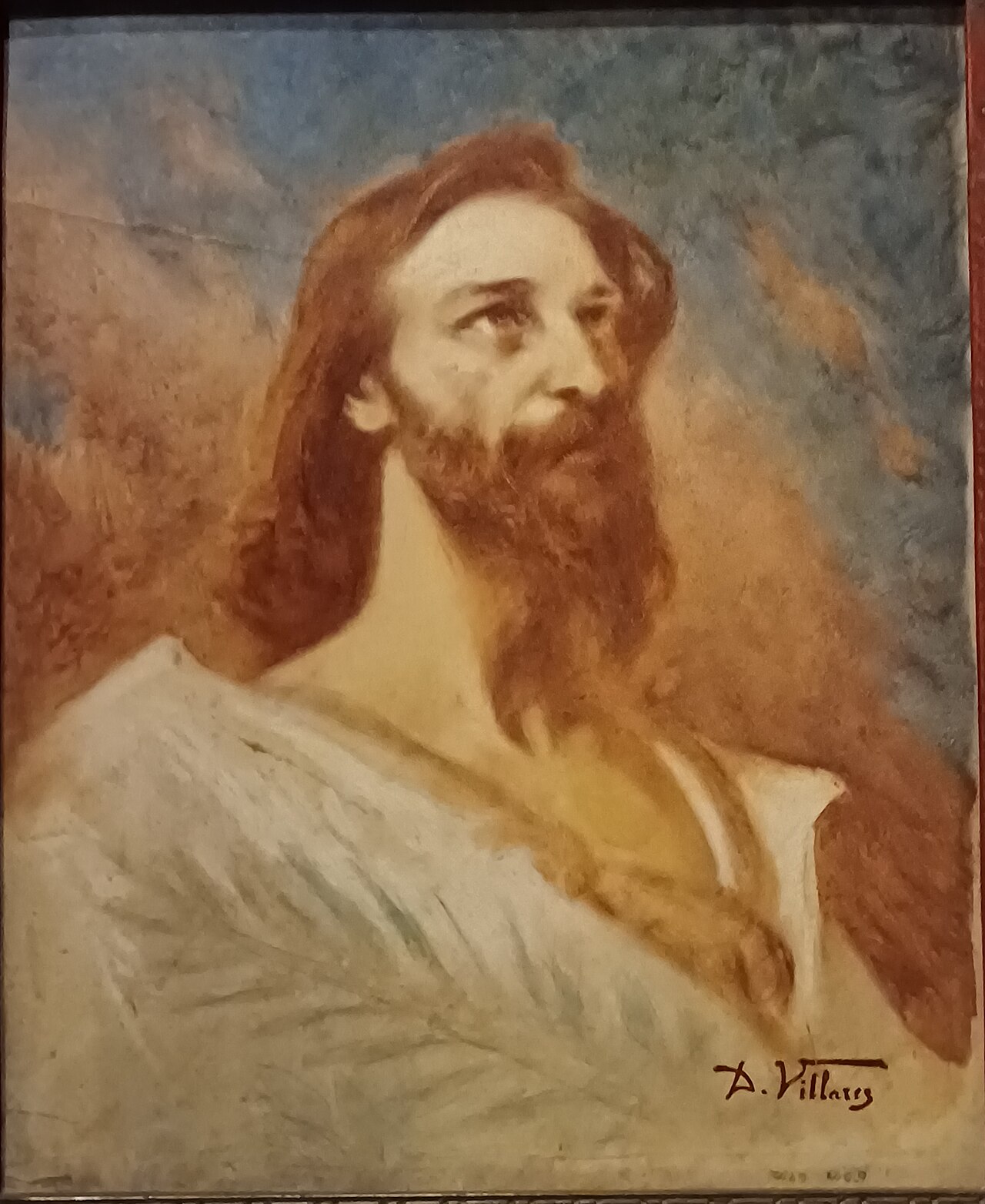
Tiradentes
Décio Villares
 Painting
Secondary source
Alferes Tiradentes
José Wasth Rodrigues
 Painting
Secondary source
O Precursor
Pedro Bruno · 1922
Free account
Read every Tiradentes source
Sign up free →
Ready when you are
Start chatting with Tiradentes now.
20 messages free · No credit card · Available in 50+ languages.