


Secondary sourceSculpture1926
Tiradentes Monument
1926
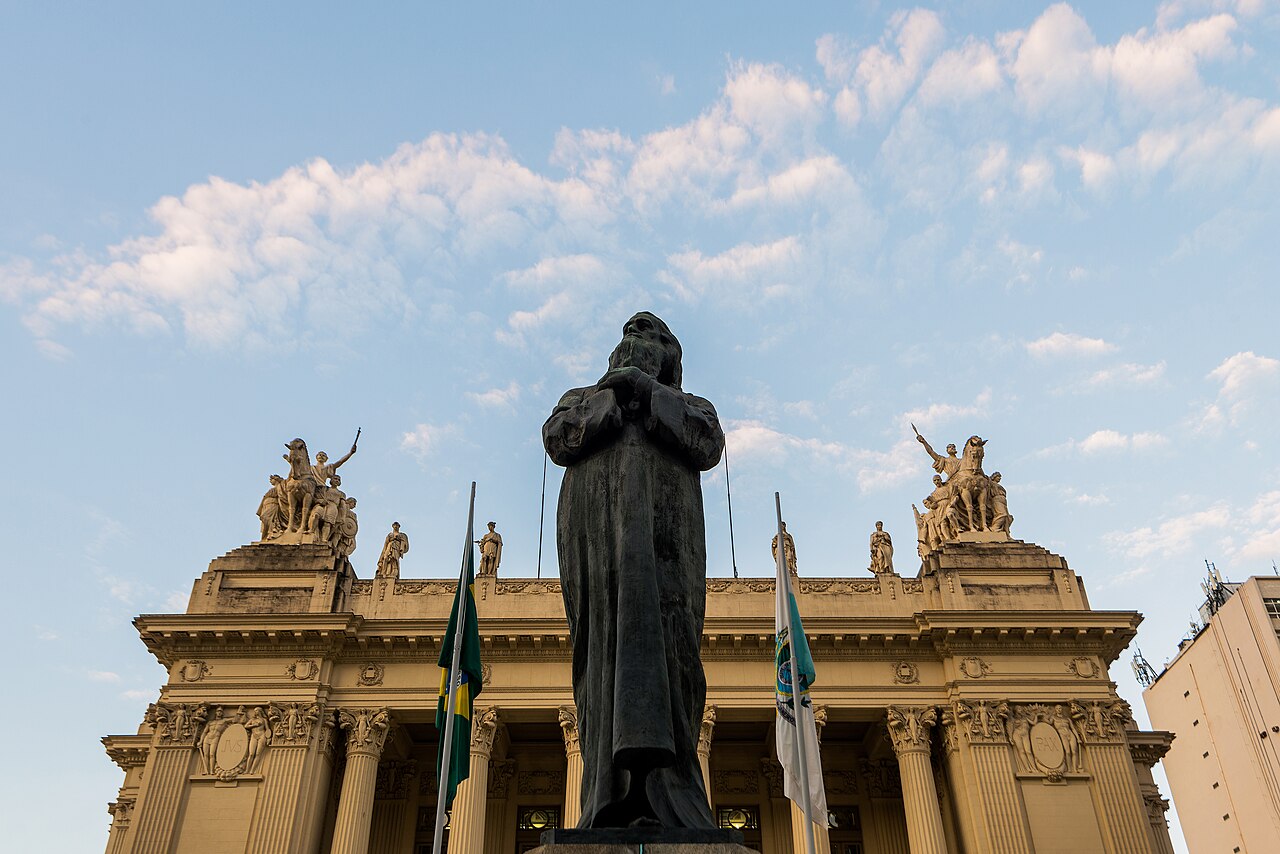
A 1926 bronze statue of Tiradentes standing before Rio de Janeiro's Palácio Tiradentes, near the site of his execution.
A commemorative statue honoring Tiradentes as a martyr of Brazilian independence, near the site linked to his execution.
About this source
What it is
This is a bronze statue erected in 1926, standing on a pedestal in front of the Palácio Tiradentes, a neoclassical building in Rio de Janeiro. It shows a bearded man in a long robe with his hands clasped at his chest.
Why it matters
Placed near the historical site connected to his execution, the monument shows how the Brazilian republic honored Tiradentes as a martyr and symbol of independence, giving him a permanent place in the civic landscape of the capital.
Look closer
- Why might the statue show him with clasped hands rather than in a dramatic pose?
- What does the choice of location, facing a government building, suggest about his symbolic role?
- How does a statue shape memory differently than a painting or document?
This sculpture is part of the curated material that grounds the AI version of Tiradentes on Humy.ai — when students ask about related events, the AI can quote it and cite it.
More Tiradentes sources
Browse all 56 →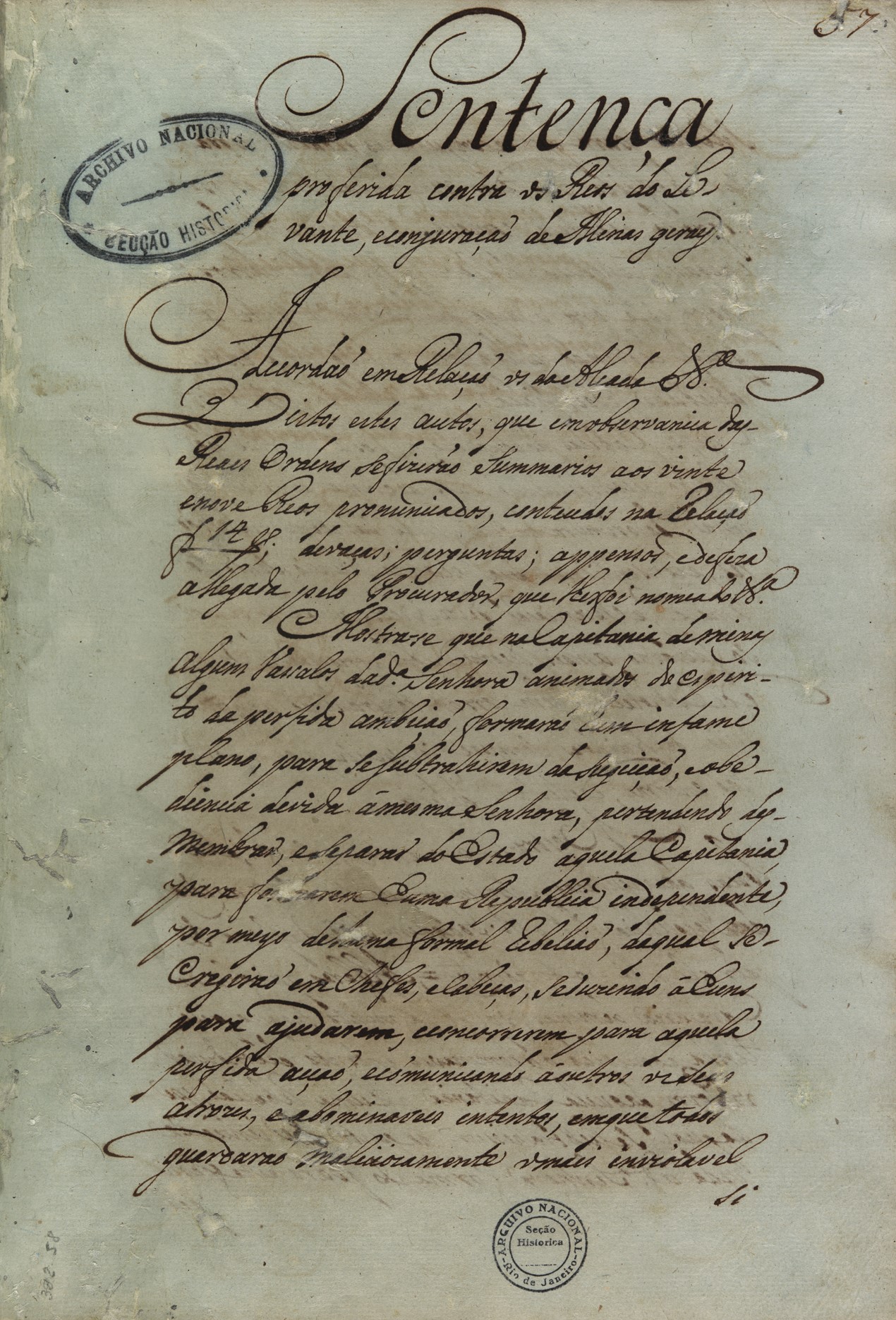 Document
Primary source
Autos de Devassa da Inconfidência Mineira
Portuguese colonial judiciary (Devassas of Vila Rica and Rio de Janeiro) · 1789–1792
 Painting
Secondary source
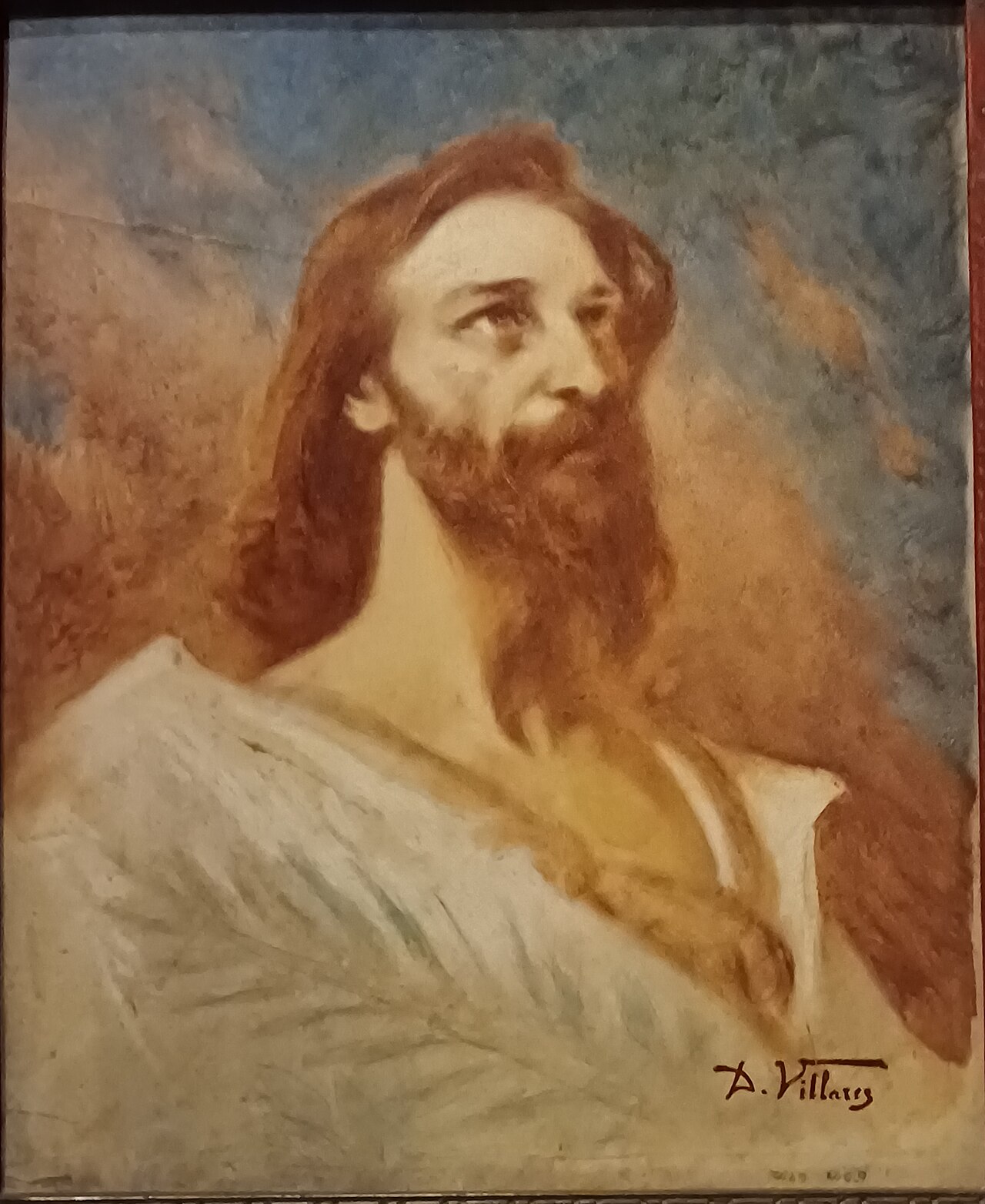
Tiradentes
Décio Villares
 Painting
Secondary source
Alferes Tiradentes
José Wasth Rodrigues
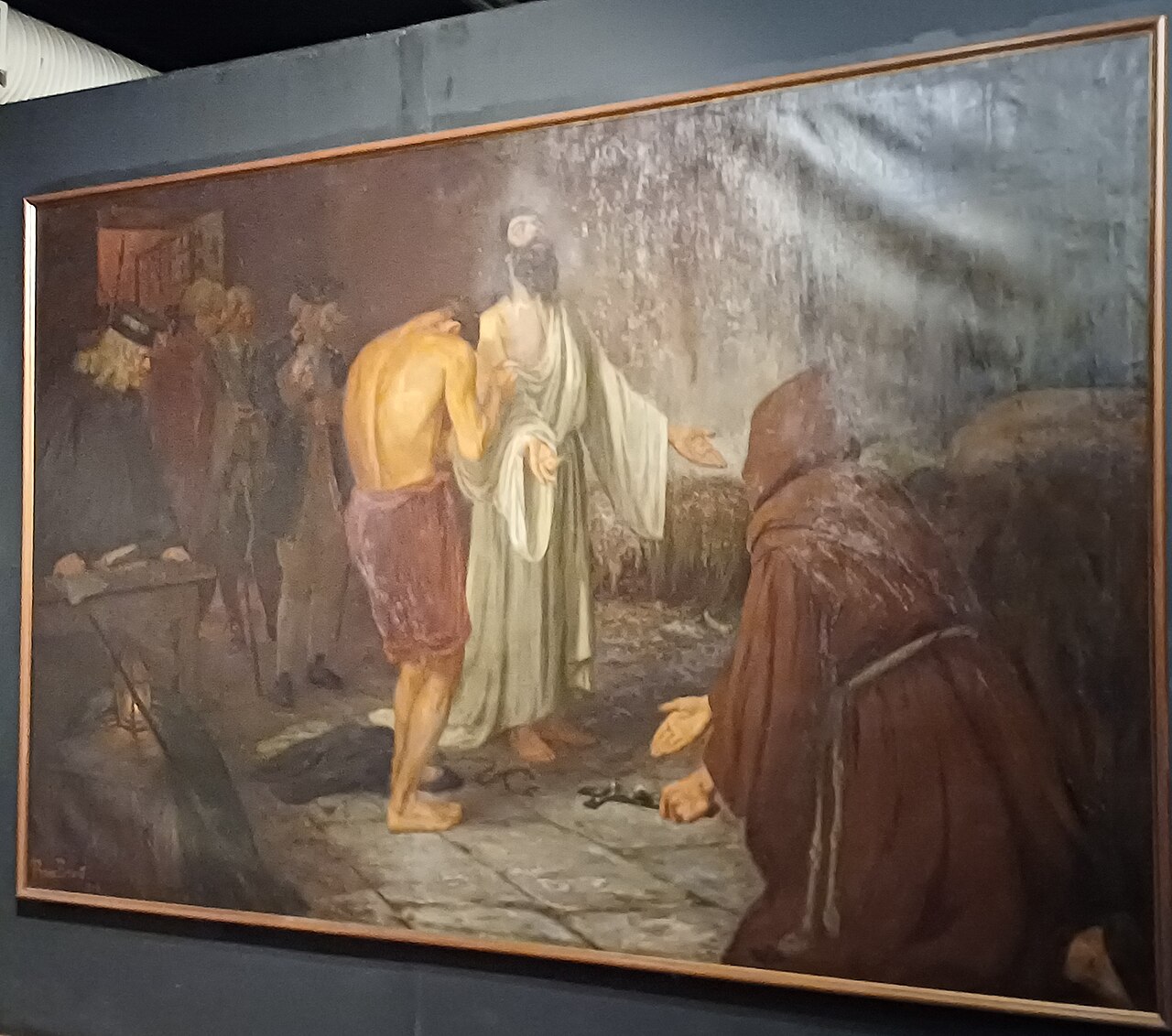 Painting
Secondary source
O Precursor
Pedro Bruno · 1922
Free account
Read every Tiradentes source
Sign up free →
Ready when you are
Start chatting with Tiradentes now.
20 messages free · No credit card · Available in 50+ languages.