


Secondary sourcePainting1622
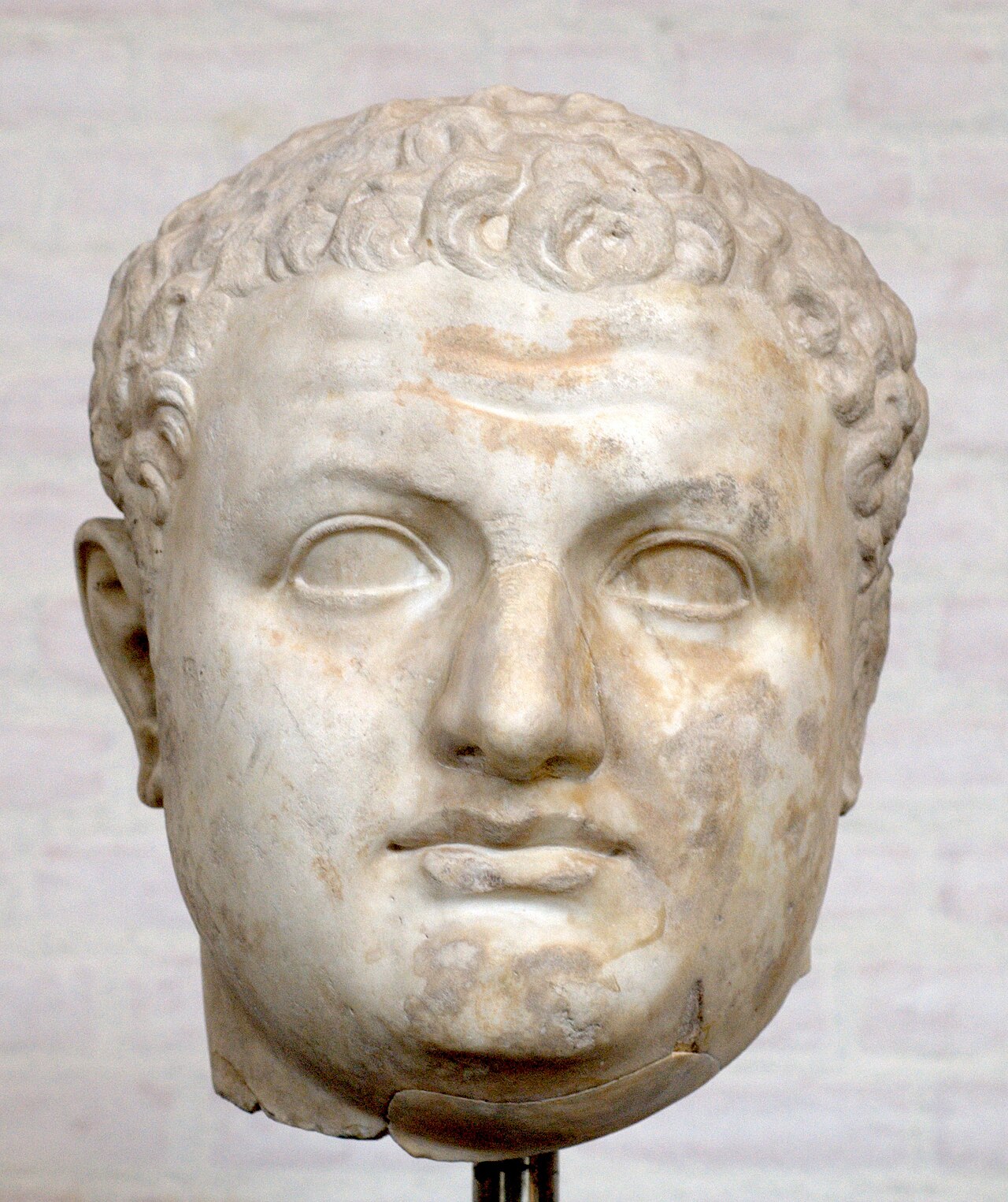
Titus
Dirck van Baburen · 1622
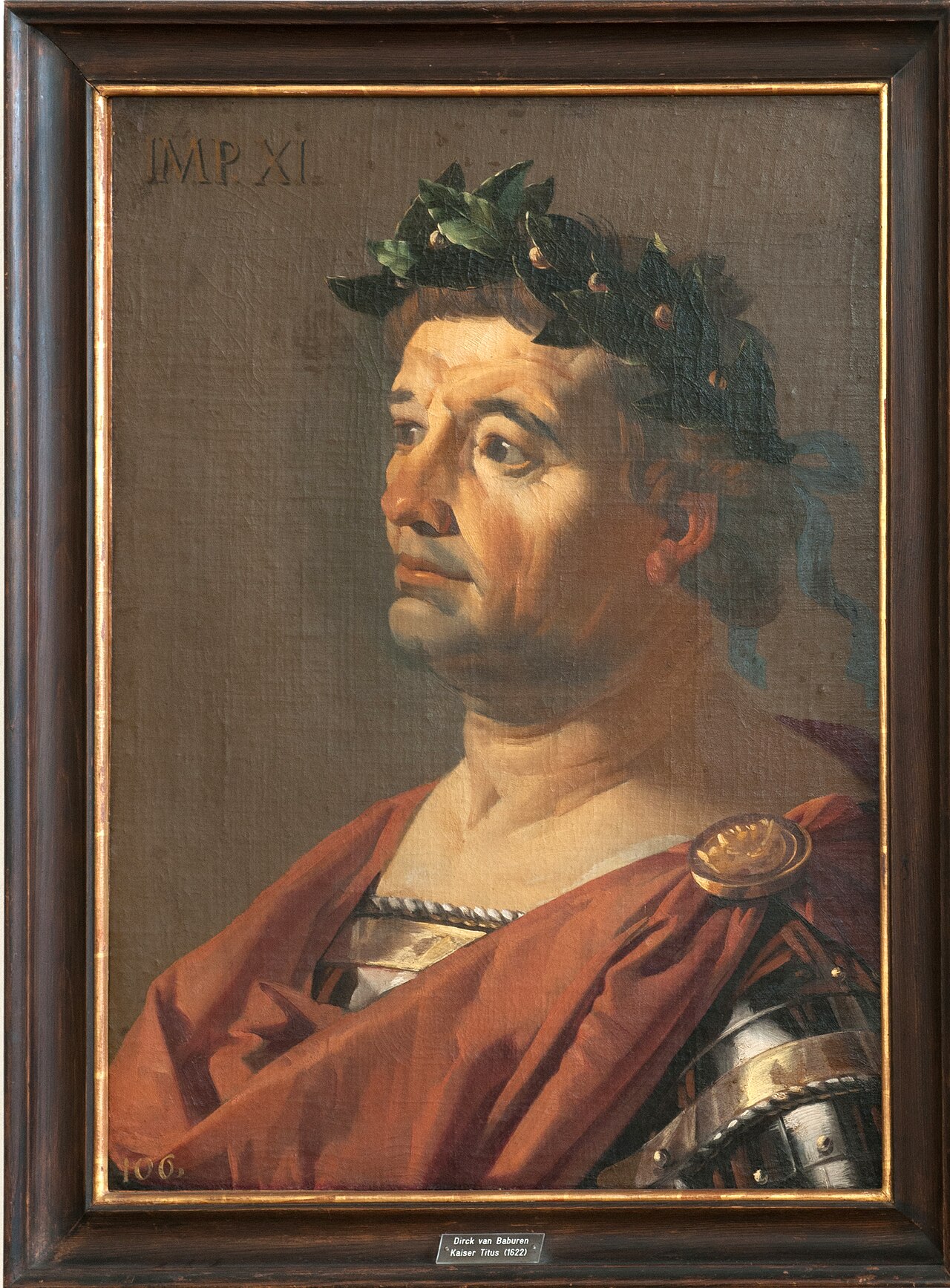
A seventeenth-century Dutch portrait imagining Titus as an ideal virtuous Roman emperor, part of a series of imperial portraits.
An imagined portrait of Titus as an ideal ruler, made long after his lifetime.
About this source
What it is
This oil painting by the Dutch artist Dirck van Baburen, dated 1622, shows an imagined portrait of the Roman emperor Titus in profile, wearing a laurel wreath, a red cloak, and armor. It is held by the Prussian Palaces and Gardens Foundation Berlin-Brandenburg.
It belongs to a series of paintings depicting Roman emperors, a popular subject in early modern European courts.
Why it matters
Painted over 1,500 years after Titus's reign, the portrait reflects how seventeenth-century Europeans imagined ancient rulers as models of virtue and strength, used to decorate palaces and teach lessons about good rulership.
It reveals more about Baburen's artistic world than about Titus's actual appearance.
Look closer
- Since no one alive in 1622 had seen Titus, where might the artist have gotten ideas for how he looked?
- What does the laurel wreath and armor suggest the painter wanted viewers to think about Titus?
- Why might rulers want portraits of ancient emperors in their palaces?
This painting is part of the curated material that grounds the AI version of Titus on Humy.ai — when students ask about related events, the AI can quote it and cite it.
More Titus sources
Browse all 98 →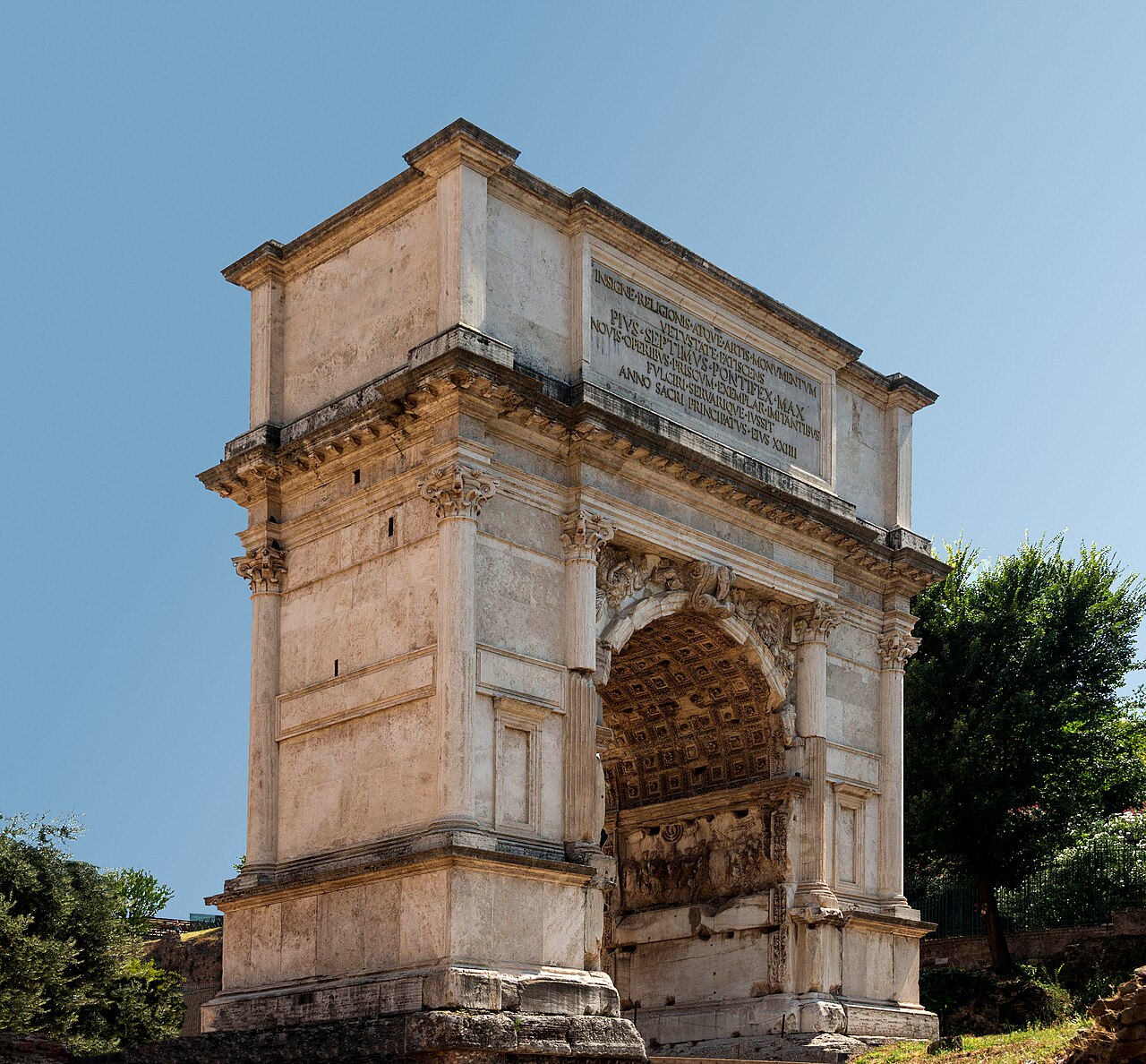 Artifact
Primary source
Arch of Titus
Rabirius · c. 81–82 AD
 Sculpture
Secondary source
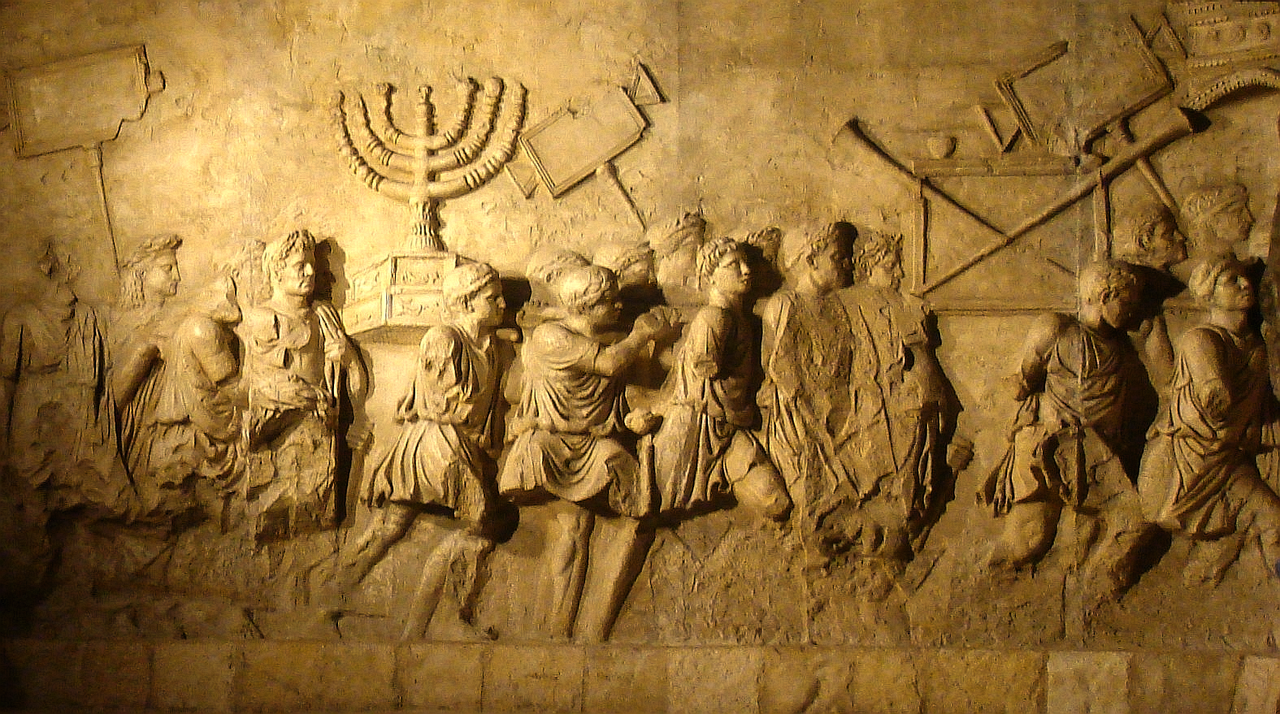
Spoils of Jerusalem Relief (Menorah Panel)
Roman sculptors under Domitian · c. 81–82 AD
 Book
Secondary source
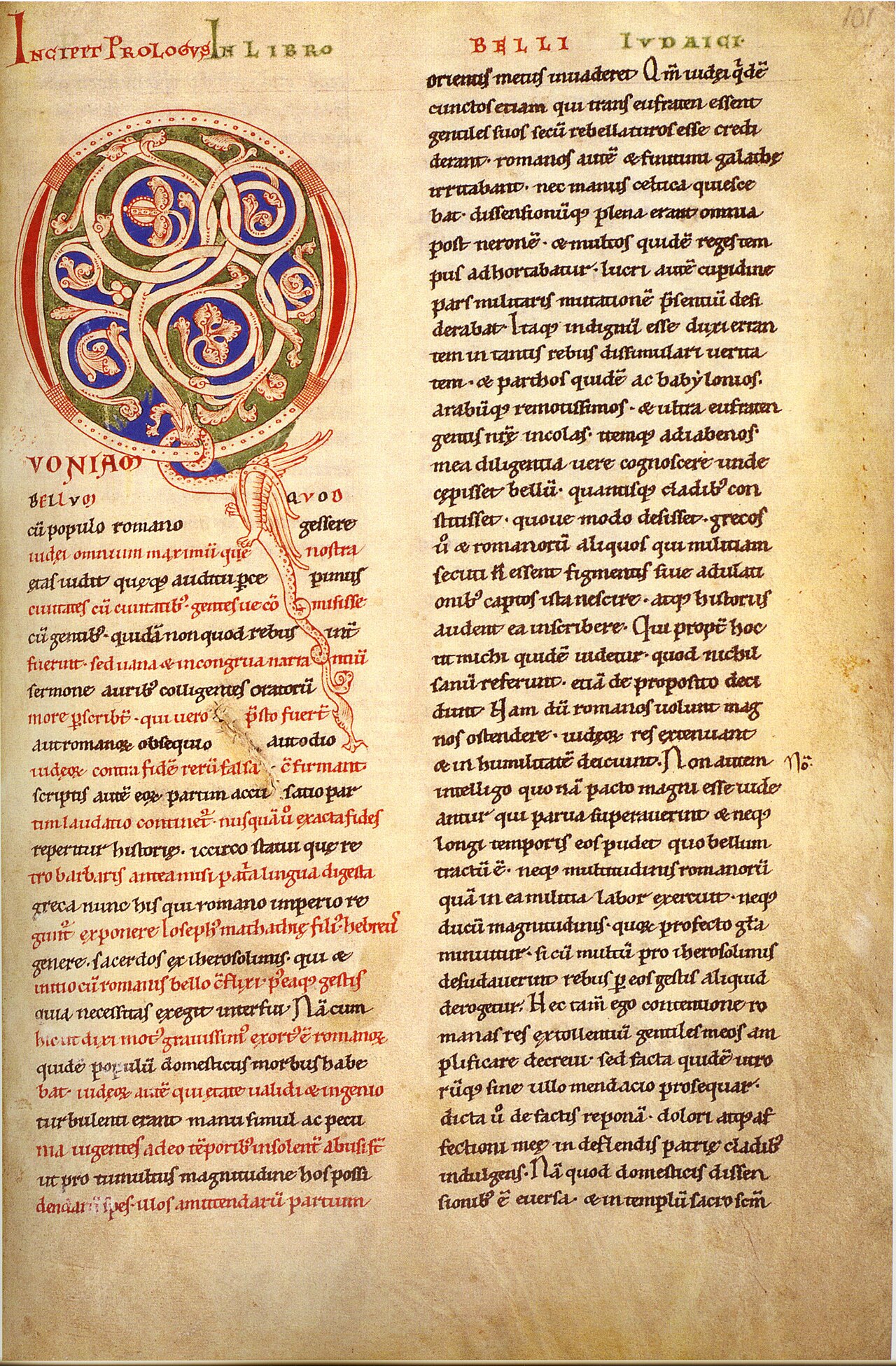
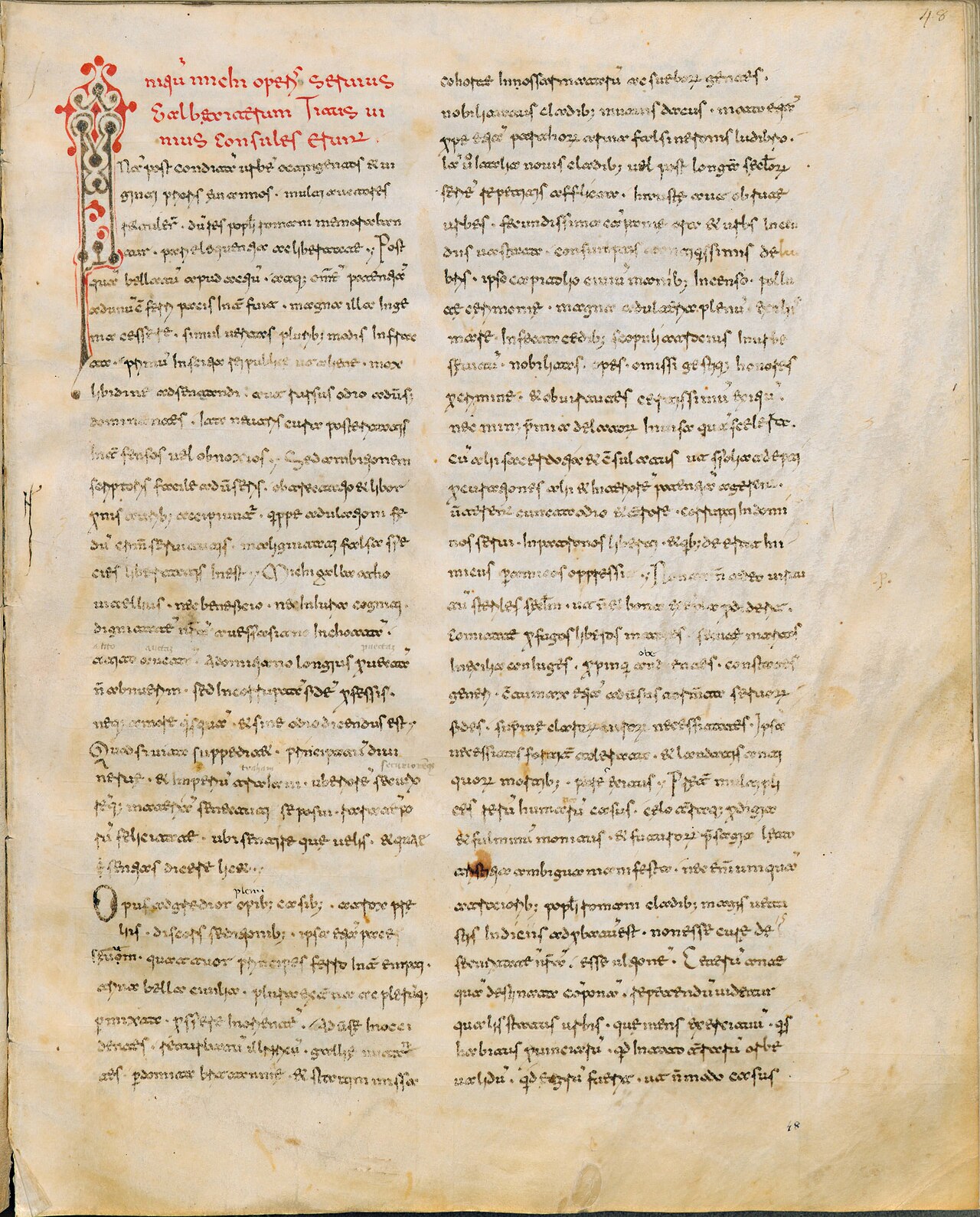
The Jewish War
Josephus · c. AD 75
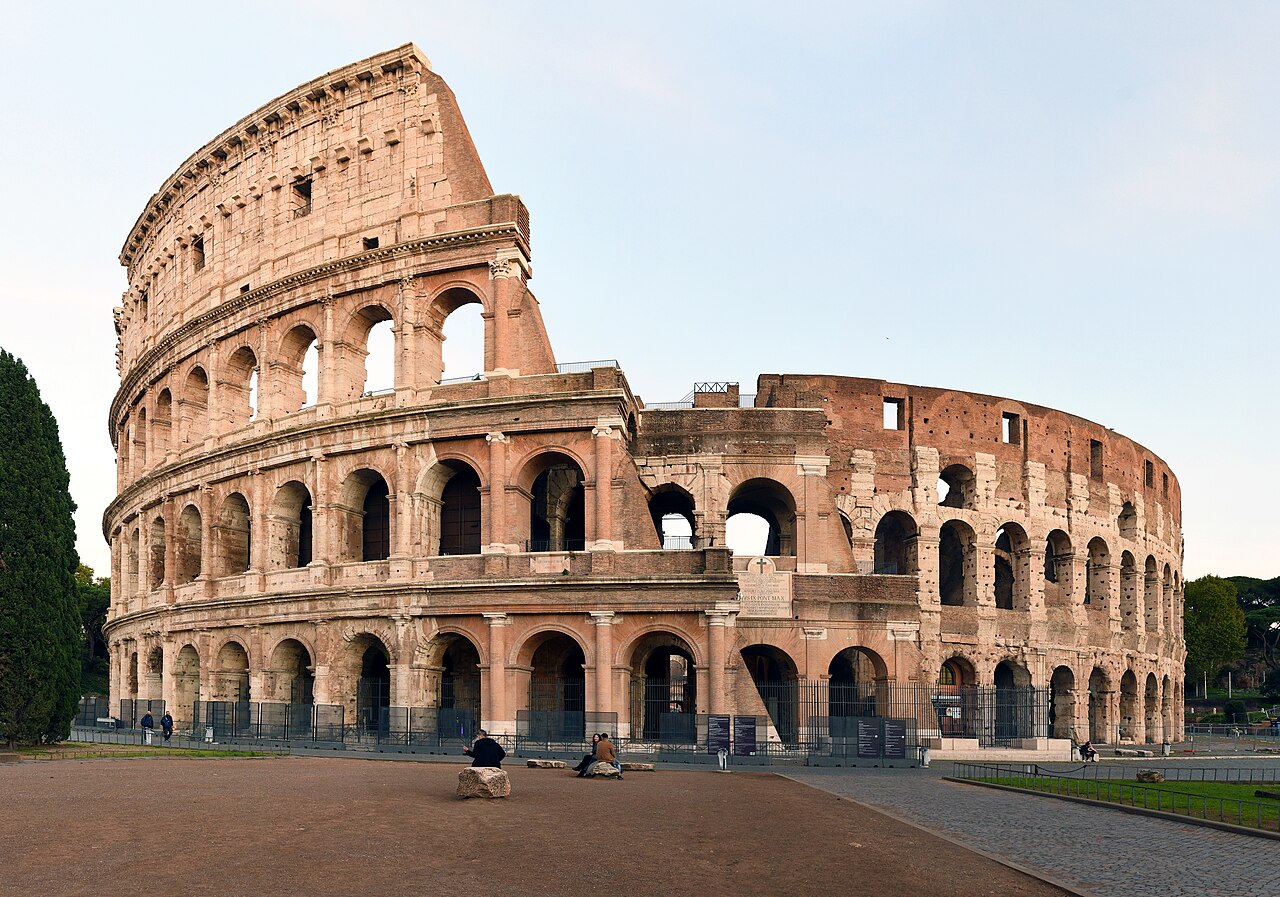 Artifact
Primary source
Colosseum
begun 72 AD, completed 80 AD
Free account
Read every Titus source
Sign up free →
Ready when you are
Start chatting with Titus now.
20 messages free · No credit card · Available in 50+ languages.