


Primary sourceSculpture1291–1293
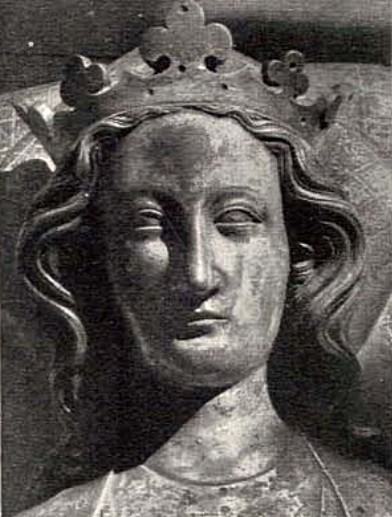
Tomb Effigy of Eleanor of Castile
William Torel · 1291–1293
A gilt-bronze effigy of Queen Eleanor made for her tomb, commissioned by her husband Edward I and placed in Westminster Abbey.
Edward I commissioned this effigy of his queen Eleanor, showing his devotion and the artistic patronage of his court.
About this source
What it is
This gilt-bronze effigy of Eleanor of Castile was made by the sculptor William Torel between 1291 and 1293. It lies on top of her tomb chest in Westminster Abbey, showing her in the same pose as on her great seal.
Why it matters
Edward I commissioned this effigy for his wife Eleanor after her death, and it is considered a masterpiece of the art produced for his court. The commission shows Edward's grief and his wish to honour Eleanor with lasting royal splendour, and it reveals the skill of craftsmen like Torel working for the English crown in the late thirteenth century.
Look closer
- What does the calm, downcast expression suggest about how royal death and mourning were represented?
- Why might Edward have chosen gilt bronze, an expensive and difficult material, for this effigy?
- What does an idealised image like this tell us, and what might it hide, about the real person it represents?
This sculpture is part of the curated material that grounds the AI version of Edward I on Humy.ai — when students ask about related events, the AI can quote it and cite it.
More Edward I sources
Browse all 97 →
Ready when you are
Start chatting with Edward I now.
20 messages free · No credit card · Available in 50+ languages.