


Secondary sourcePhotograph19 October 2010
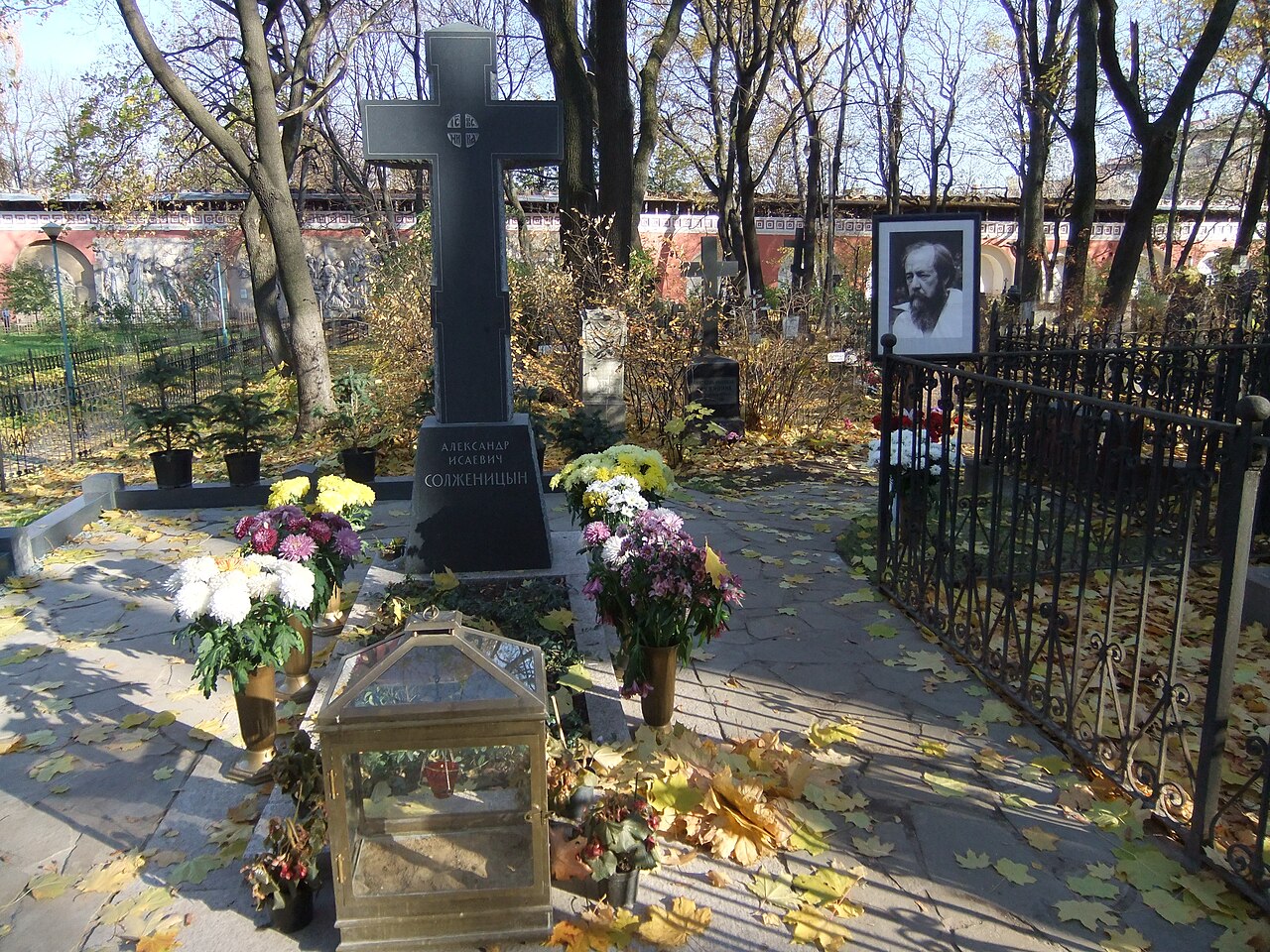
Tomb of Aleksandr Solzhenitsyn, Donskoy Monastery
Peter Collins · 19 October 2010
A photograph of Solzhenitsyn's grave in Moscow, taken two years after his death in 2008.
Depicts Solzhenitsyn's grave, marking his death and continued commemoration in Russia.
About this source
What it is
A photograph taken in 2010 of Aleksandr Solzhenitsyn's grave at the Donskoy Monastery cemetery in Moscow. The black granite cross-shaped gravestone bears his name in Cyrillic, with flowers, a lantern and a framed portrait placed nearby.
Why it matters
This tomb marks the final resting place of a writer whose work and imprisonment made him one of the most significant critics of Soviet repression. The careful decoration of the grave — flowers, portrait, lantern — shows the respect and memory still given to him after death.
Look closer
- What do the objects left at the grave (flowers, a lantern, a portrait) suggest about how Solzhenitsyn is remembered?
- Why might a grave be considered a historical source, even though it says little about a person's actual life or ideas?
- What does a tomb like this leave unanswered about the person buried there?
This photograph is part of the curated material that grounds the AI version of Aleksandr Solzhenitsyn on Humy.ai — when students ask about related events, the AI can quote it and cite it.
More Aleksandr Solzhenitsyn sources
Browse all 54 →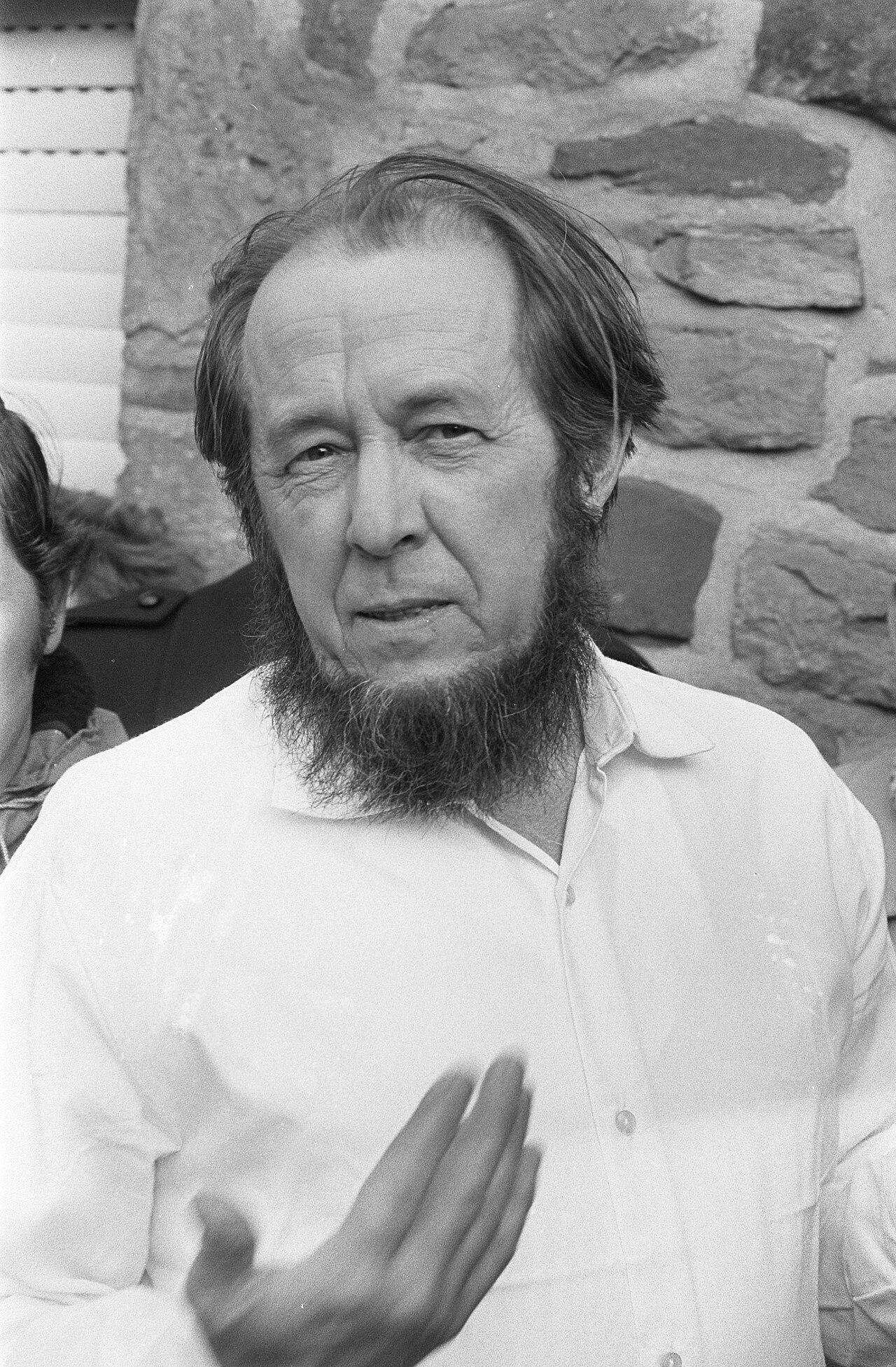 Photograph
Primary source
Aleksandr Solzhenitsyn, 1974
Bert Verhoeff · 1974
 Photograph
Primary source
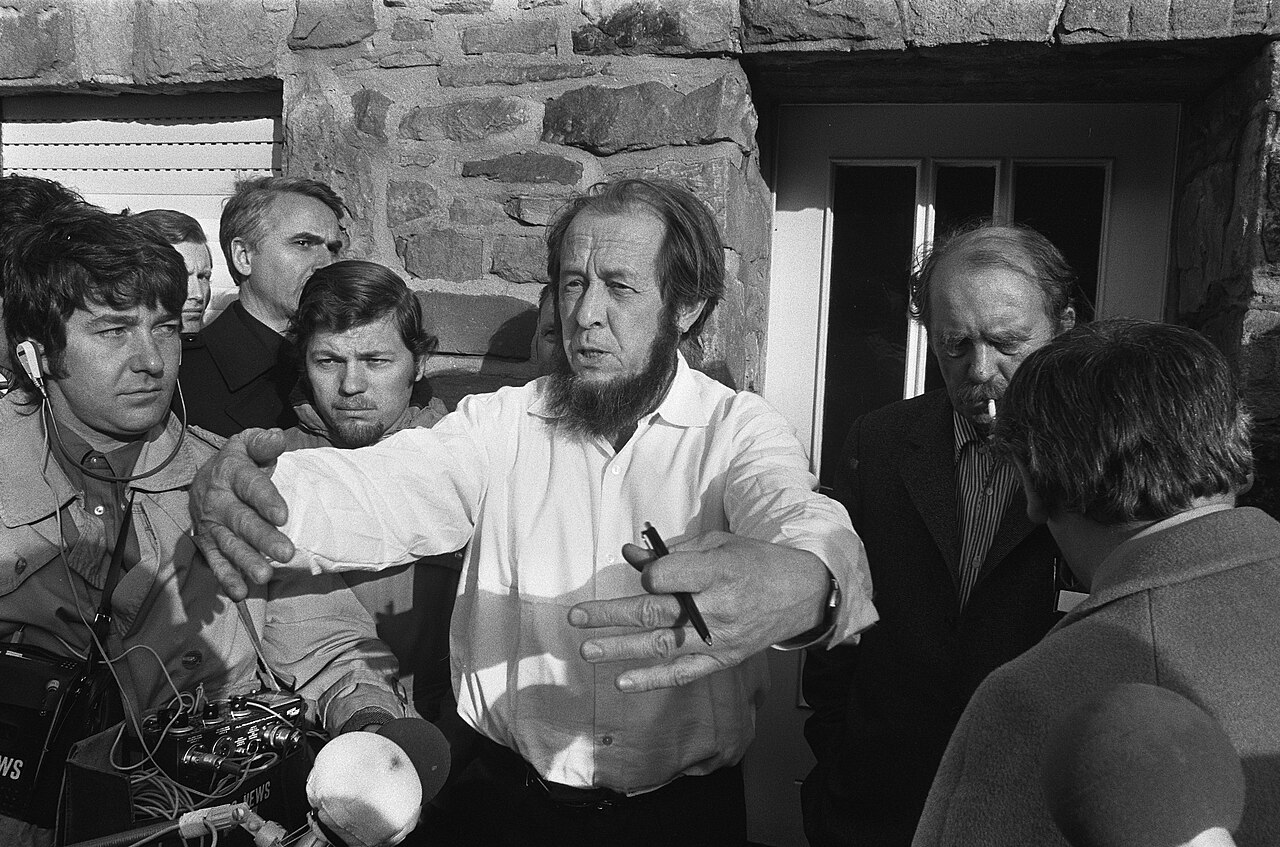
Solzhenitsyn Meets the Press with Heinrich Böll
Bert Verhoeff · 14 February 1974
 Photograph
Primary source
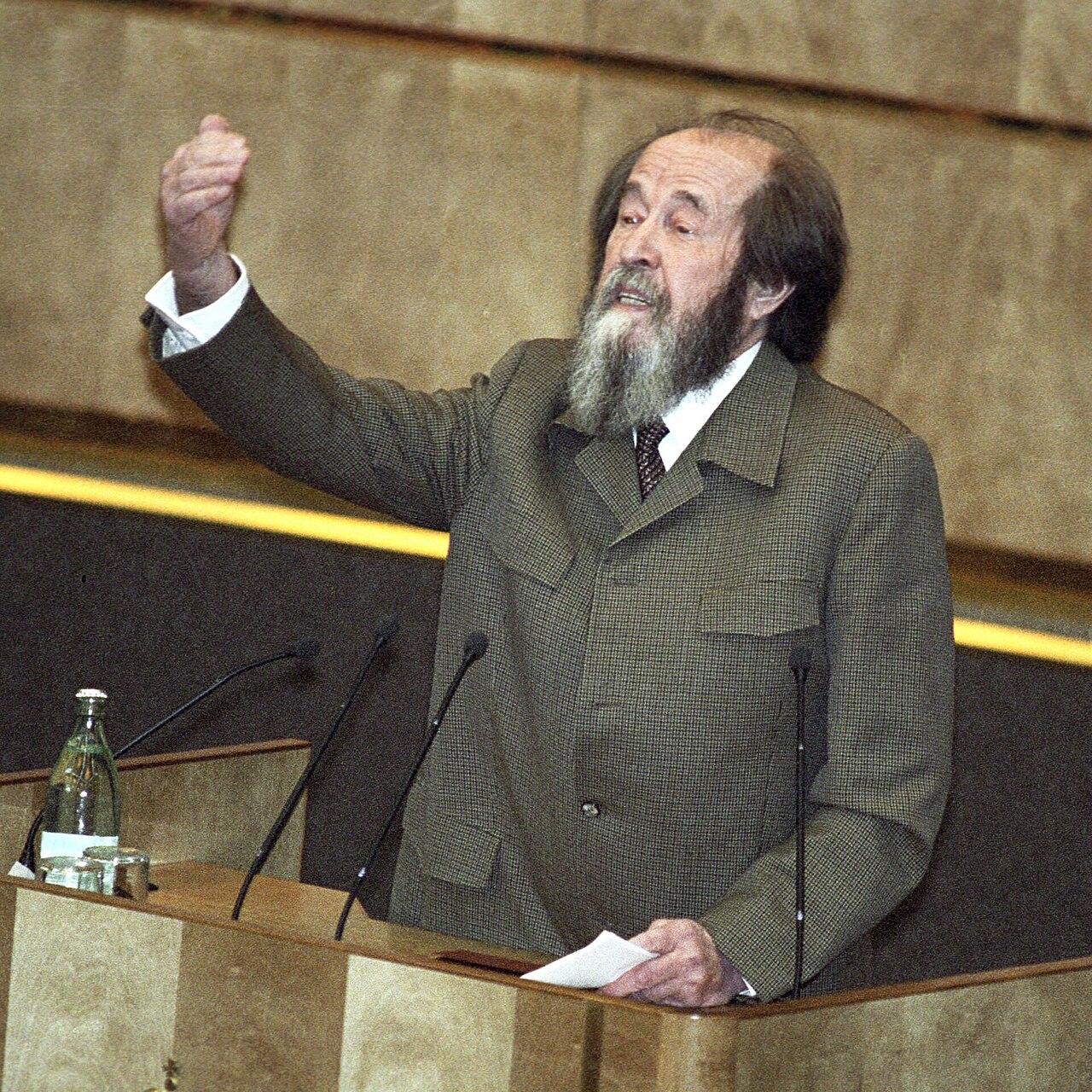
Solzhenitsyn Addressing the Russian State Duma
V. F. Fedorenko · 28 October 1994
 Photograph
Primary source
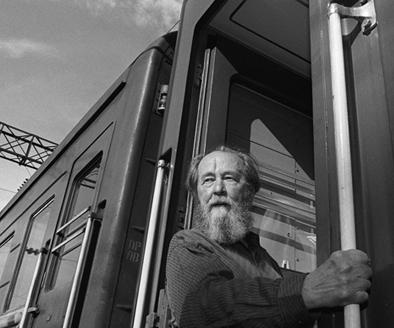
Solzhenitsyn Returning to Russia by Train
Mikhail Evstafiev · Summer 1994
Free account
Read every Aleksandr Solzhenitsyn source
Sign up free →
Ready when you are
Start chatting with Aleksandr Solzhenitsyn now.
20 messages free · No credit card · Available in 50+ languages.