


Secondary sourceSculpture
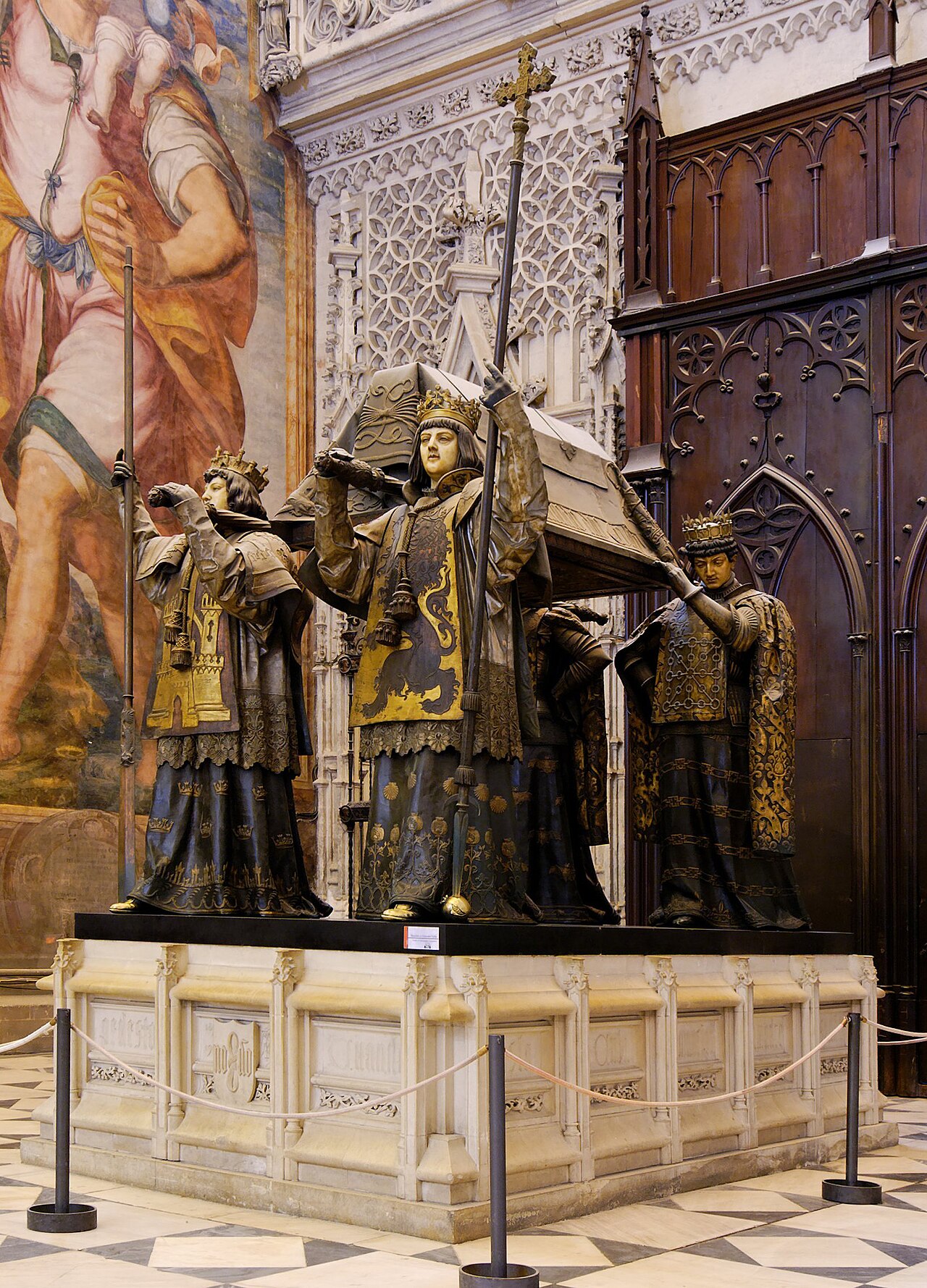
Tomb of Christopher Columbus, Seville Cathedral
A bronze and marble tomb in Seville Cathedral said to hold the remains of Christopher Columbus, moved there from Havana in 1898.
The tomb believed to hold Columbus's remains, moved to Seville in 1898 after disputes over his burial place.
About this source
What it is
This is the monumental tomb of Christopher Columbus inside Seville Cathedral in Spain. Four bronze figures representing medieval kingdoms carry a casket above a marble pedestal. The remains were moved to Seville in 1898.
Why it matters
The tomb reflects the long and uncertain history of Columbus's remains, which were moved several times between Spain and the Americas after his death. The dispute over where his body truly rests — Seville claims his remains, as does the Dominican Republic — shows how even his burial became part of national and colonial history.
Look closer
- Why might a country want to claim the remains of a famous historical figure?
- What does the grandeur of this tomb suggest about how Columbus was remembered centuries after his death?
- What questions does the dispute over his remains raise about certainty in history?
This sculpture is part of the curated material that grounds the AI version of Christopher Columbus on Humy.ai — when students ask about related events, the AI can quote it and cite it.
More Christopher Columbus sources
Meet the AI Christopher Columbus →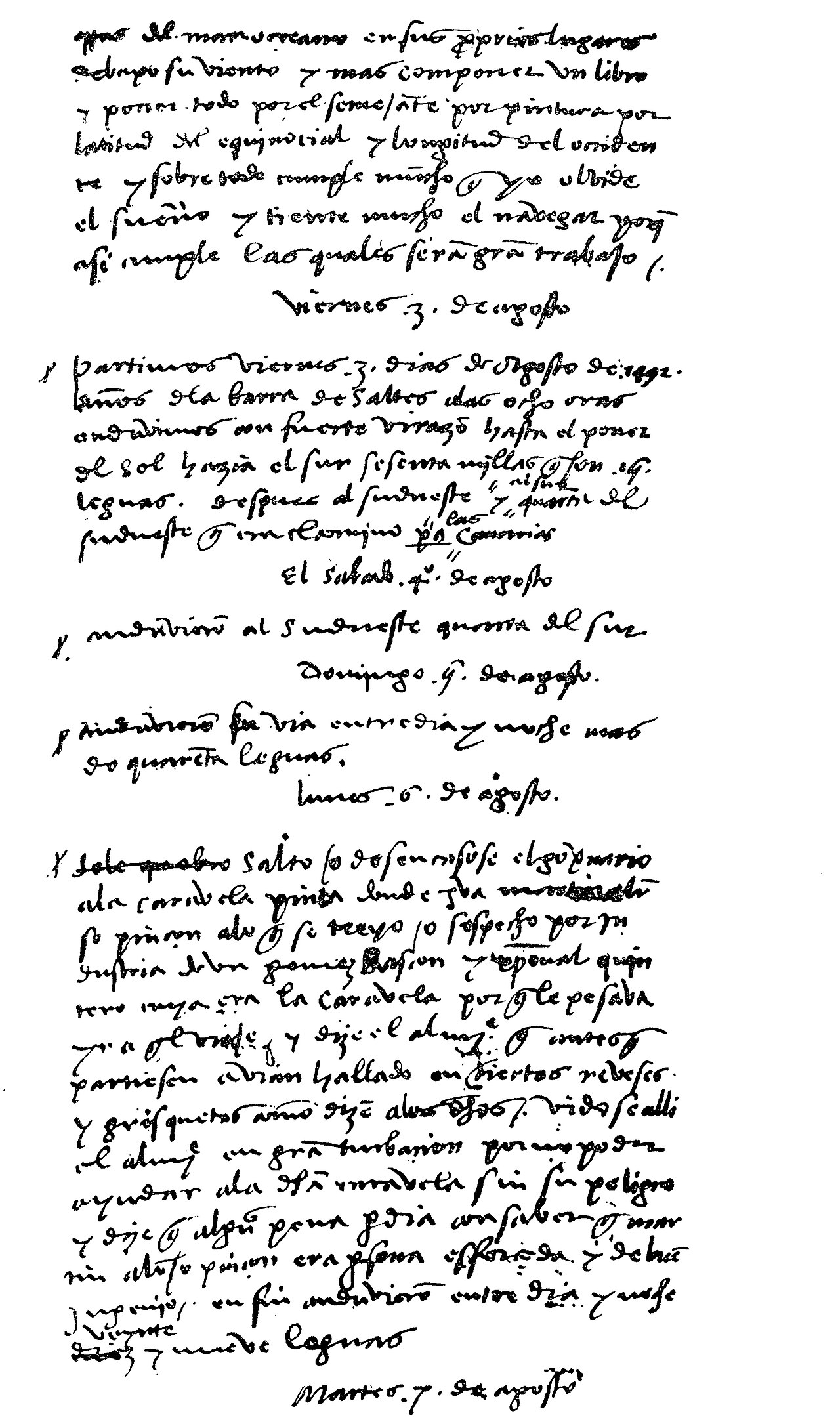 Diary entry
Primary source
Christopher Columbus' Journal
Christopher Columbus · 3 August 1492 – 15 March 1493
 Painting
Secondary source
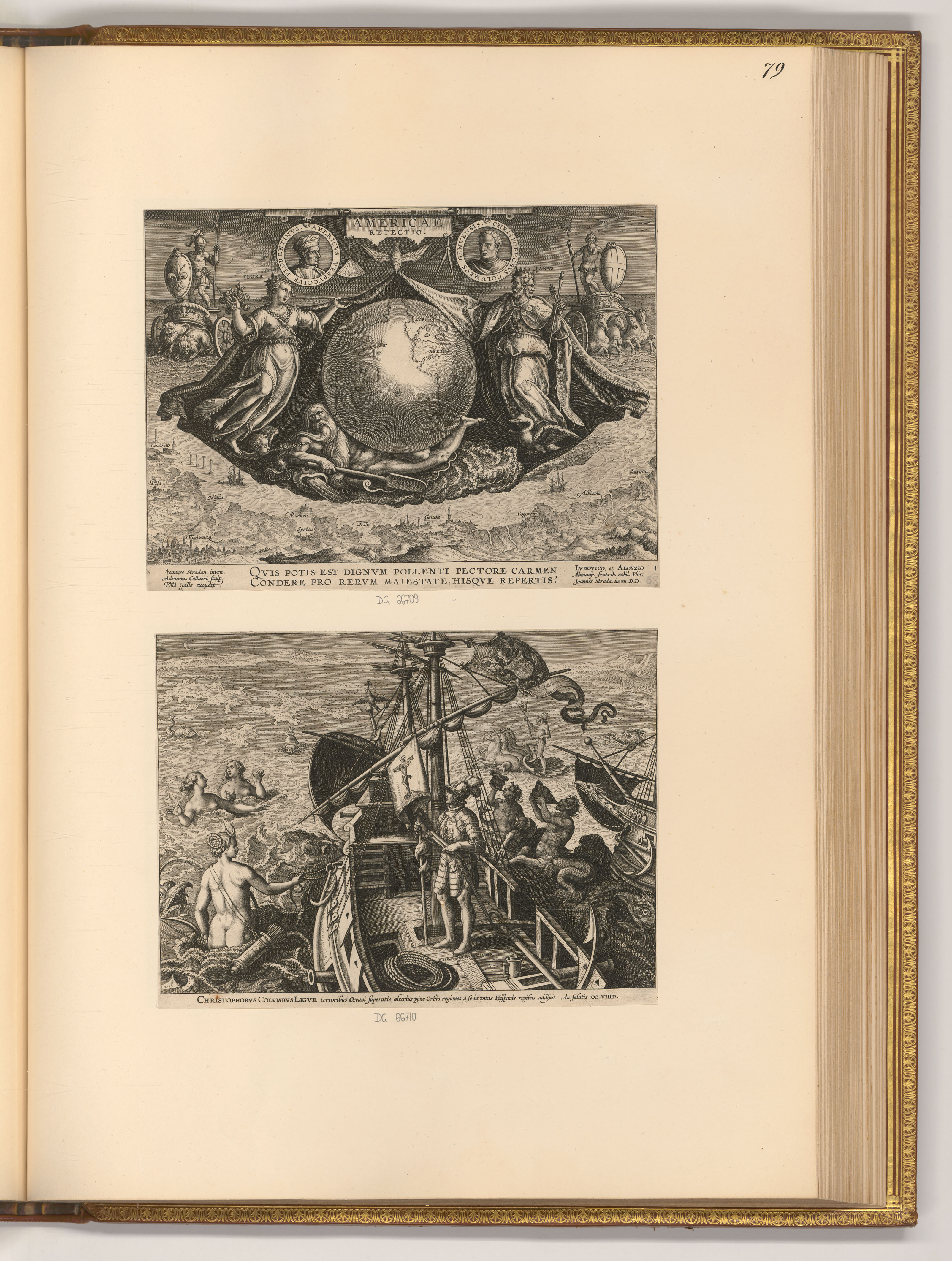
Americae Retectio Title Page with Columbus on His Ship
 Letter
Primary source
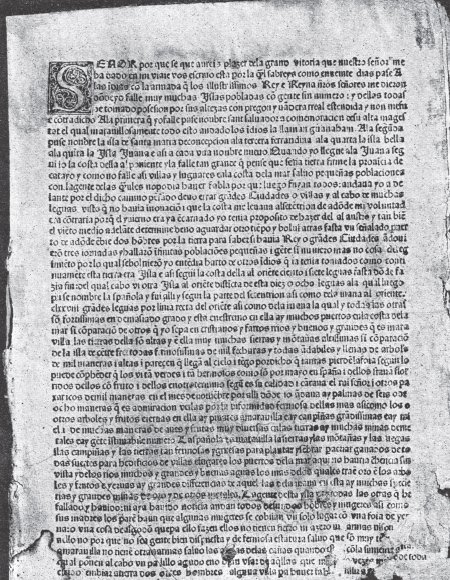
Columbus Letter on the First Voyage
Christopher Columbus · 15 February 1493
 Painting
Secondary source
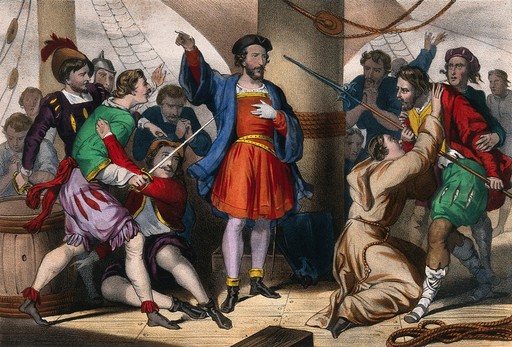
Columbus Admonishes His Men
Cassé
 Document
Primary source
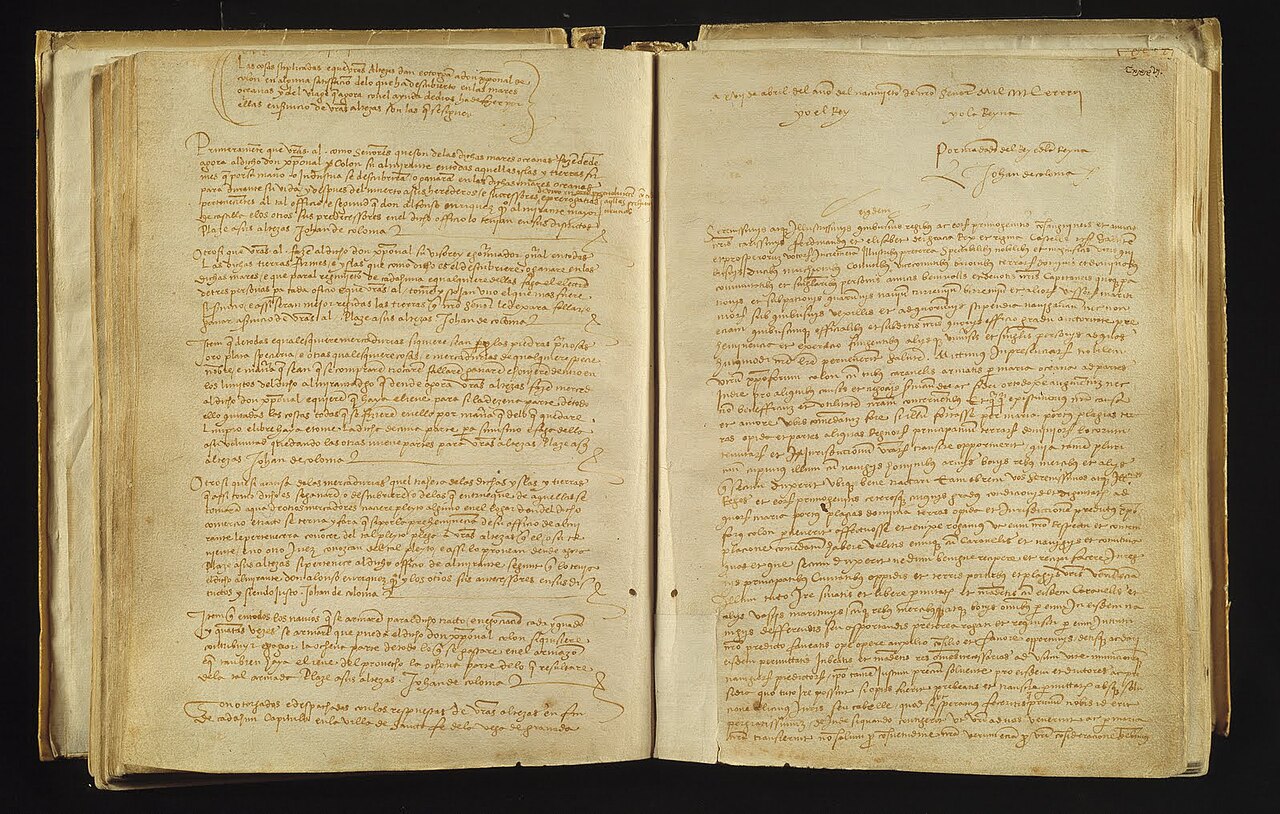
Capitulations of Santa Fe
Catholic Monarchs · 17 April 1492
Ready when you are
Start chatting with Christopher Columbus now.
20 messages free · No credit card · Available in 50+ languages.