


Primary sourceSculpturec. 1413
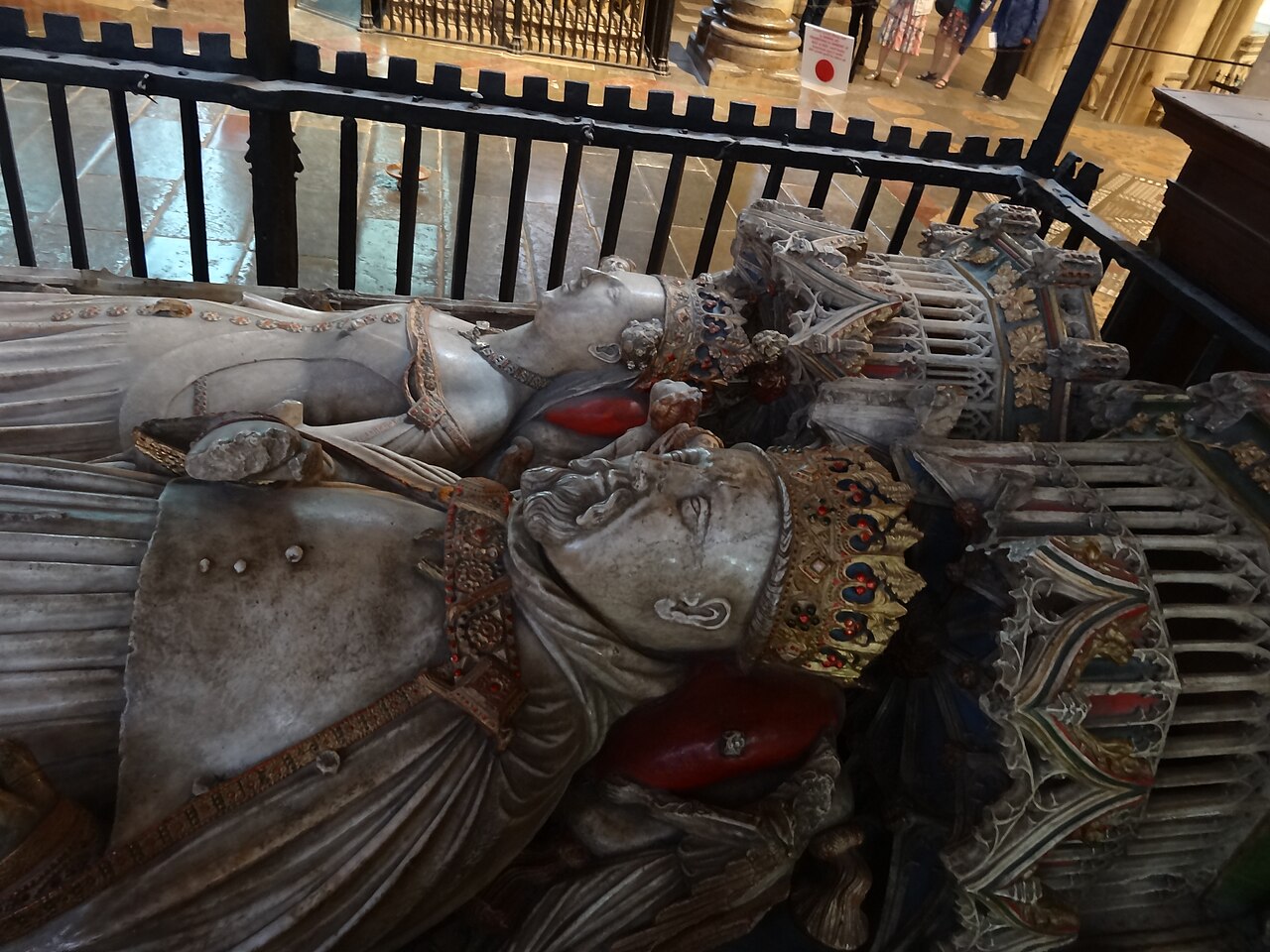
Tomb of Henry IV and Joan of Navarre
c. 1413
Alabaster tomb effigies of Henry IV and his queen Joan of Navarre in Canterbury Cathedral, made soon after his death.
This tomb effigy, made soon after his death, is considered the closest surviving likeness of Henry IV.
About this source
What it is
This is the alabaster tomb effigy of King Henry IV and his queen Joan of Navarre, set in a carved stone tomb chest in Canterbury Cathedral. The effigies were made soon after Henry's death in 1413.
Why it matters
Because it was made so close to his death, the effigy is thought to be the closest surviving likeness of Henry IV. Royal tombs like this were designed to project the dignity and authority of monarchy even after death, showing how kings wanted to be remembered.
Look closer
- What details (crown, cushion, posture) is the king shown with, and what message do they send?
- Why might a tomb effigy differ from how the king actually looked in life?
- What does the choice of location — Canterbury Cathedral — suggest about Henry's religious and political identity?
This sculpture is part of the curated material that grounds the AI version of Henry IV on Humy.ai — when students ask about related events, the AI can quote it and cite it.
More Henry IV sources
Browse all 87 →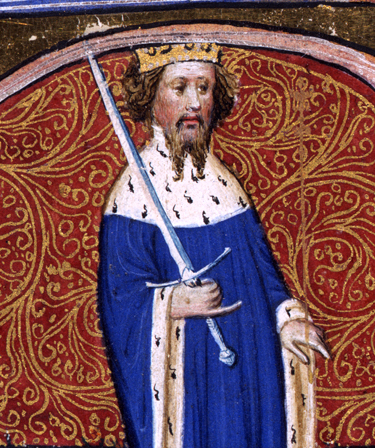 Painting
Primary source
Illumination of Henry IV
c. 1402
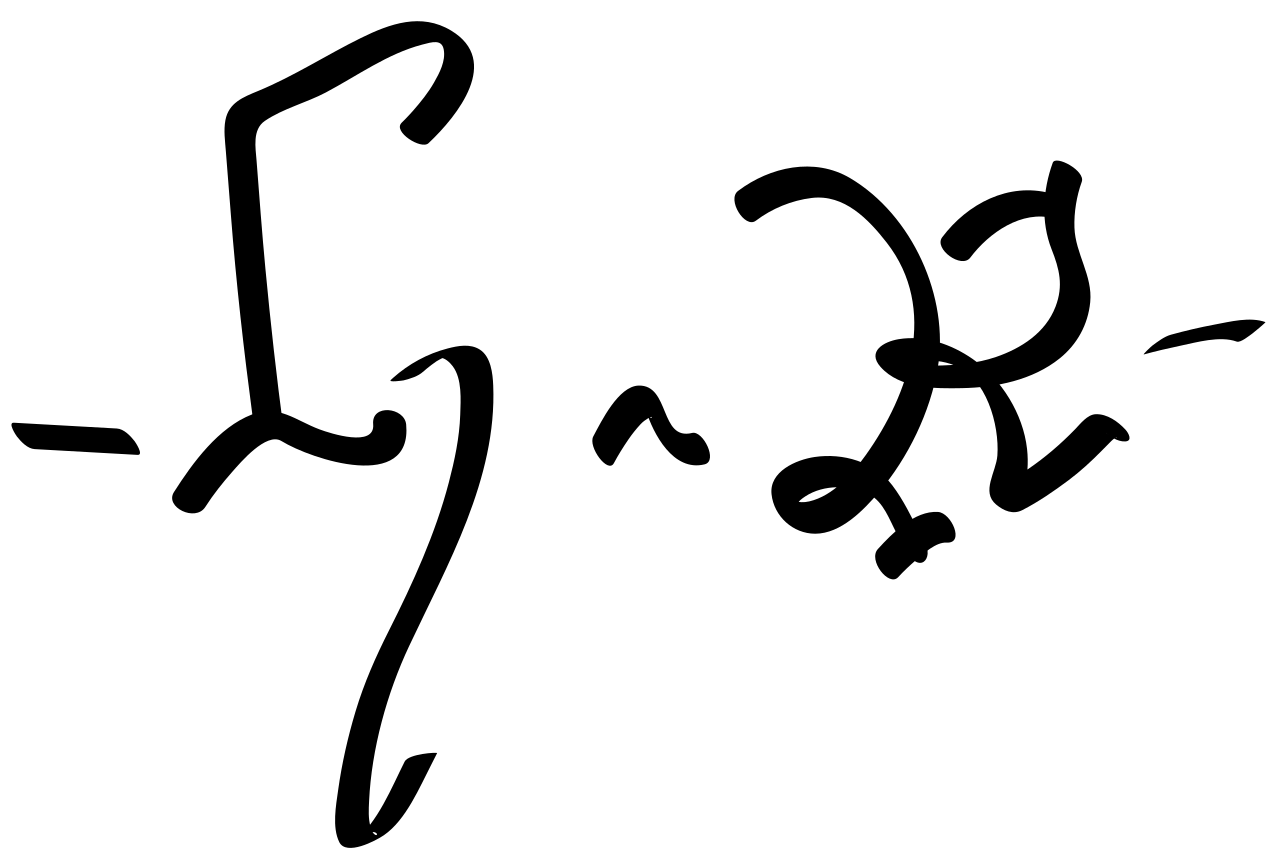 Document
Primary source
Signature of Henry IV
Henry IV of England
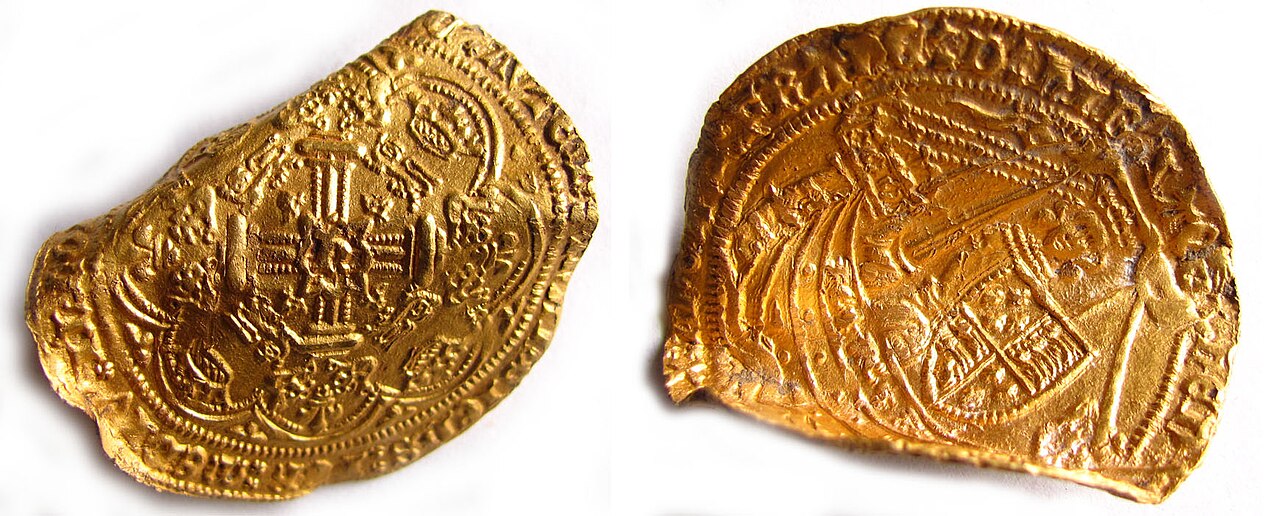 Artifact
Primary source
Gold Noble of Henry IV
1399-1412
 Artifact
Primary source
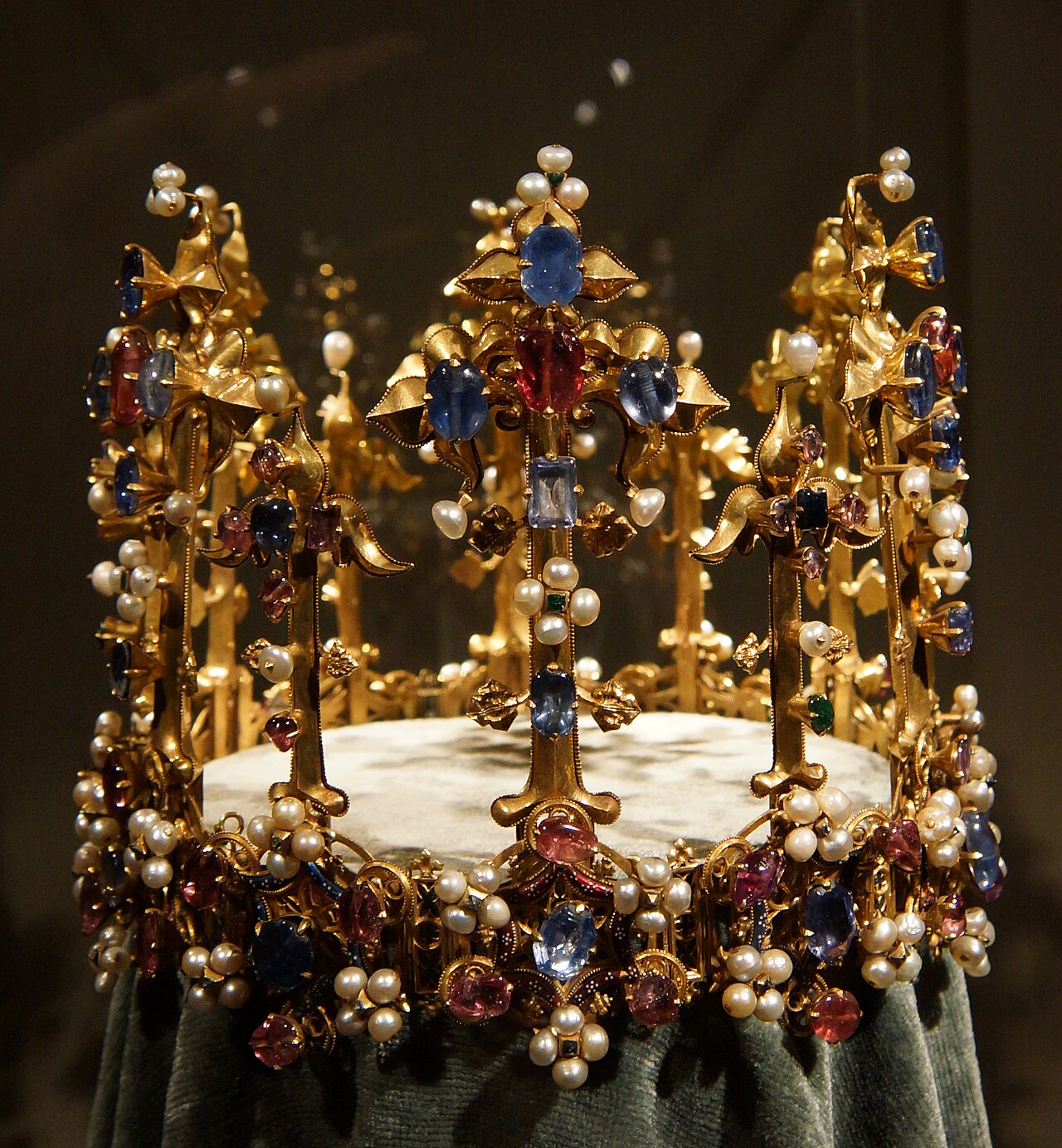
Crown of Princess Blanche
c. 1370-80, restored 1402
Free account
Read every Henry IV source
Sign up free →
Ready when you are
Start chatting with Henry IV now.
20 messages free · No credit card · Available in 50+ languages.