


Secondary sourceSculpture
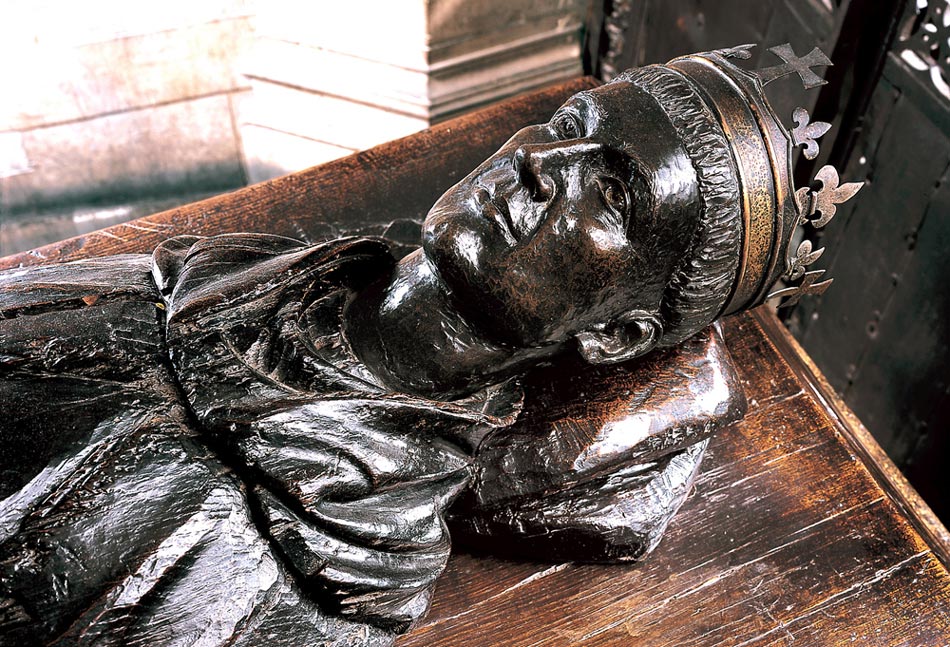
Tomb of Henry V of England
Henry V's tomb and chantry chapel in Westminster Abbey, planned in his will, commemorate the king after his death.
This tomb, which Henry planned in his will, is his own burial monument in Westminster Abbey.
About this source
What it is
This is the tomb of Henry V in Westminster Abbey, including a bronze effigy of the crowned king and a chantry chapel built above it. Henry planned the monument himself in his will before his death.
Why it matters
The tomb and chapel show how the Lancastrian dynasty wanted Henry, victor of Agincourt and claimant to the French throne, to be remembered after his death. That Henry arranged the details himself reveals how carefully medieval kings planned their own memory and legacy, using monuments to project power and piety even after death.
Look closer
- What does the effigy's crown and posture suggest about how Henry wanted to be remembered?
- Why might a king plan his own tomb and chapel while still alive?
- What does this monument leave out about the realities of Henry's reign and wars?
This sculpture is part of the curated material that grounds the AI version of Henry V on Humy.ai — when students ask about related events, the AI can quote it and cite it.
More Henry V sources
Browse all 94 →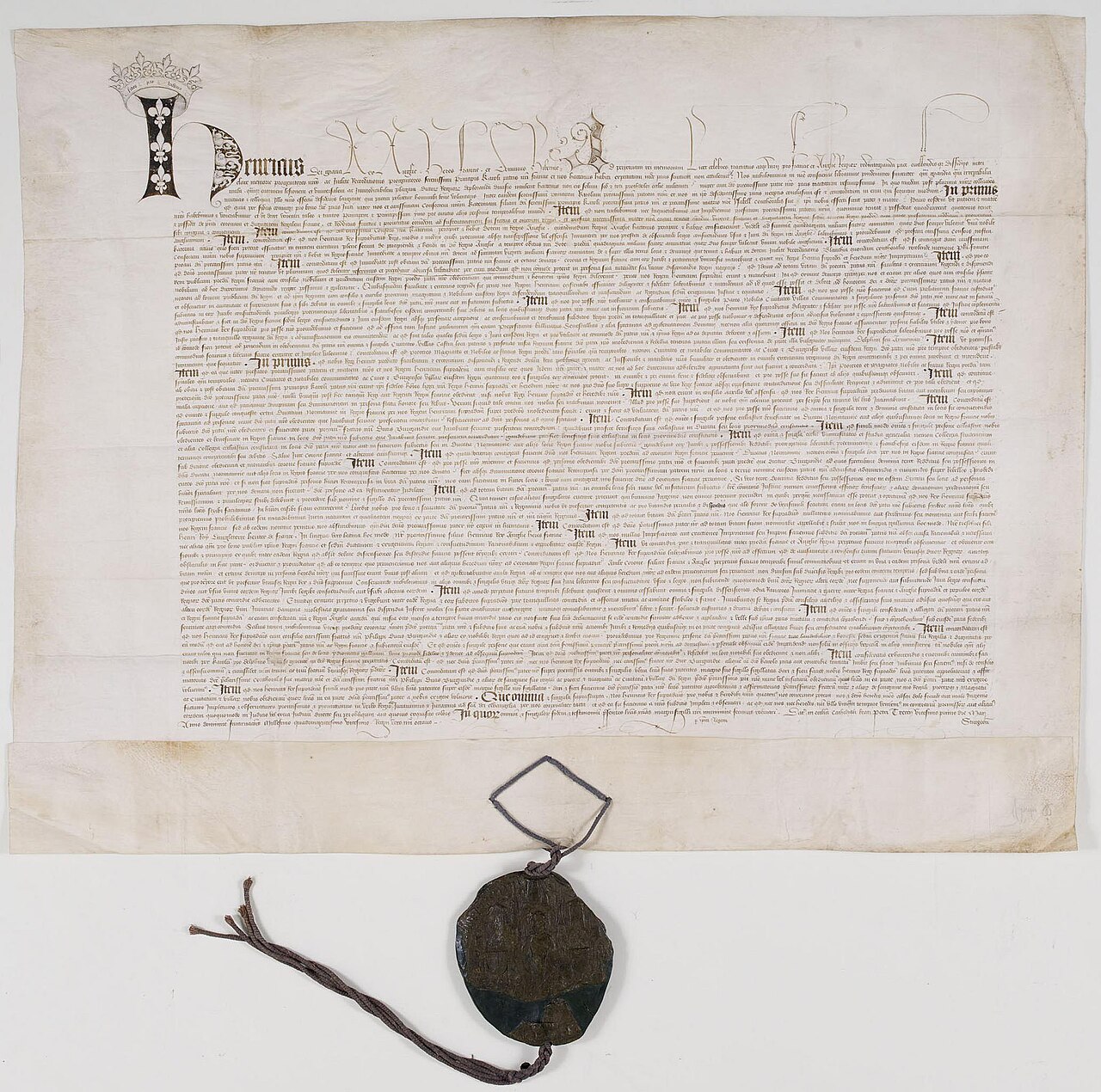 Document
Primary source
Treaty of Troyes
21 May 1420
 Painting
Primary source
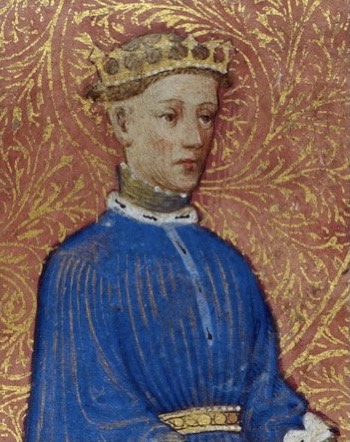
Henry V of England miniature
Unknown · 1411/1412
 Painting
Secondary source
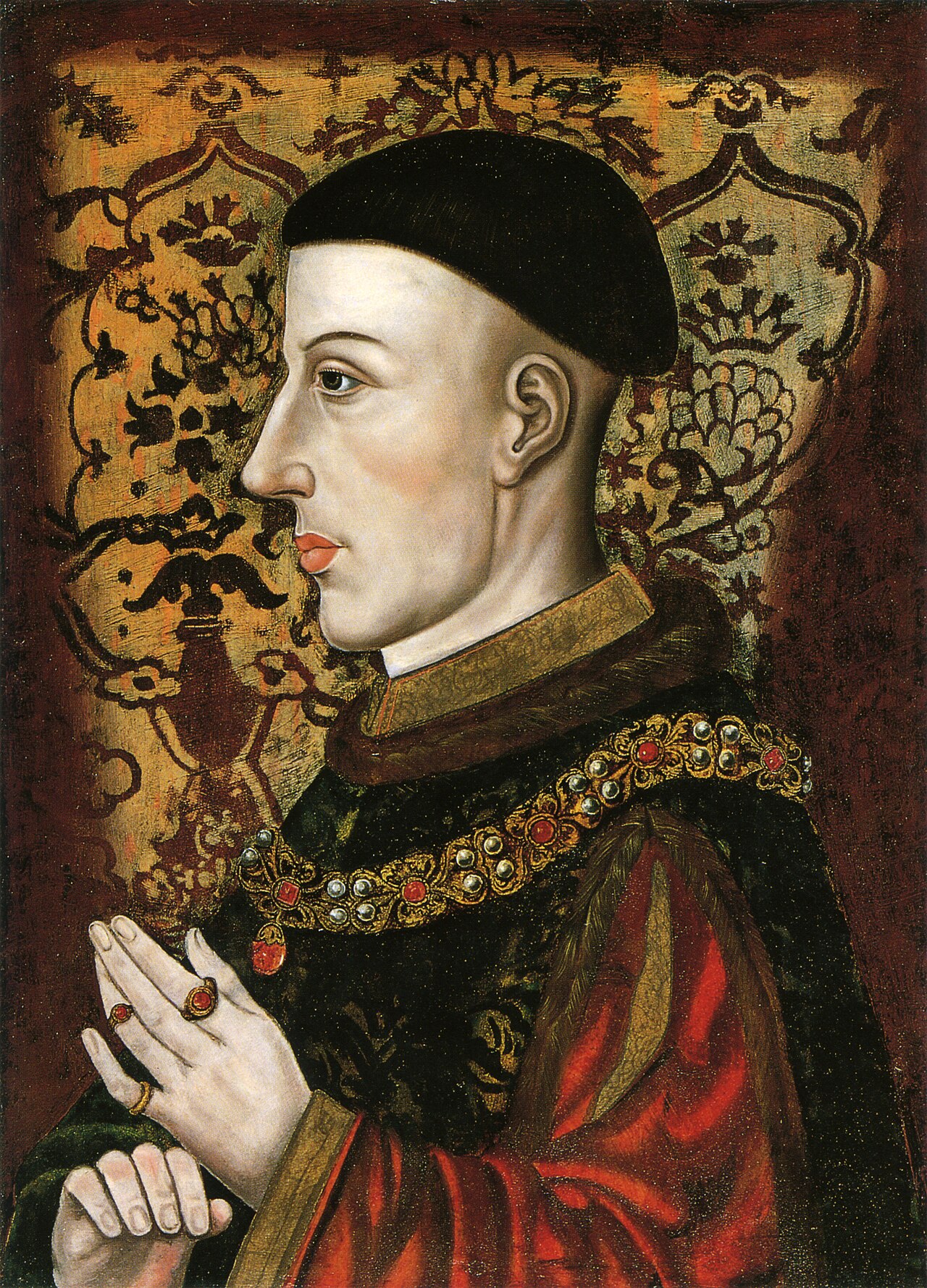
King Henry V
Unknown · late 16th or early 17th century
 Document
Primary source
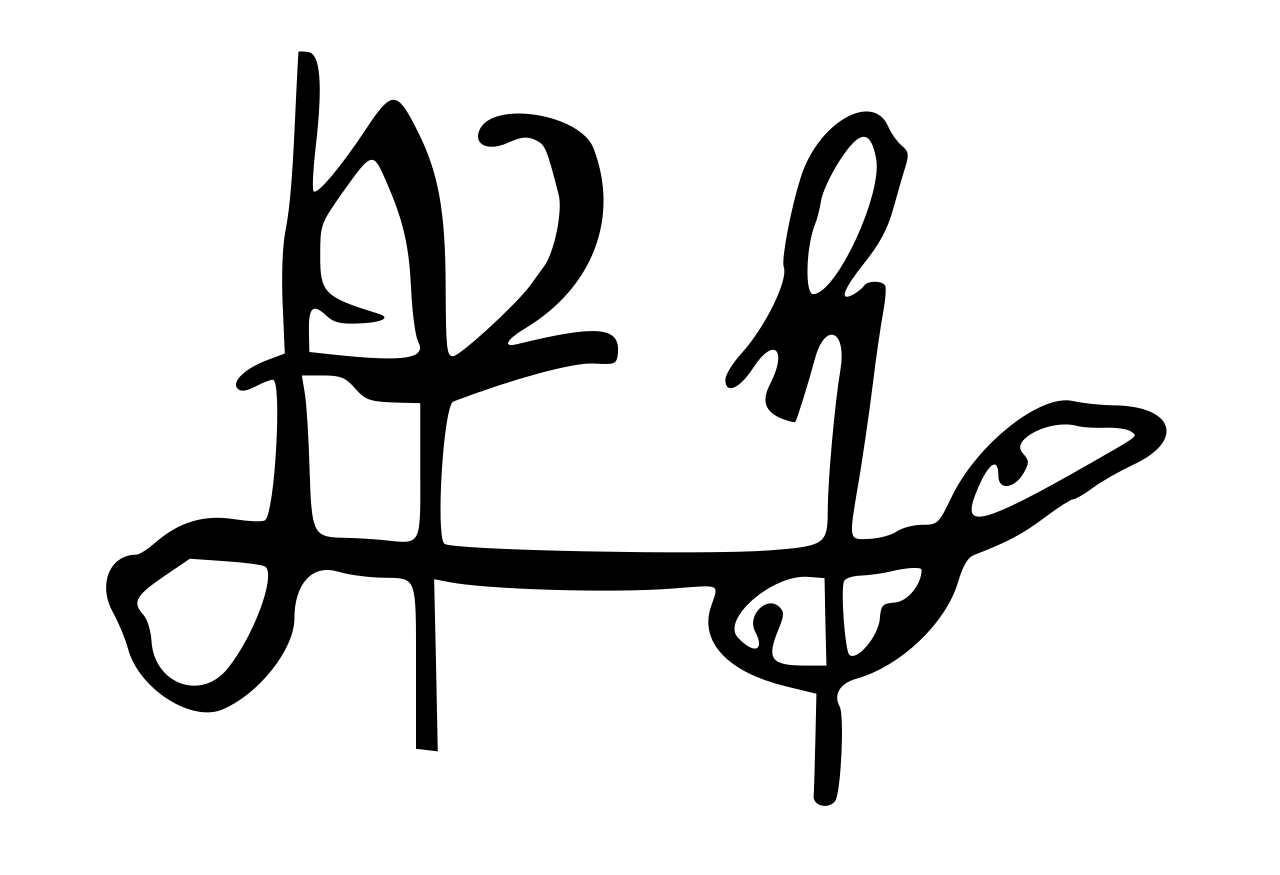
Signature of Henry V of England
Henry V of England

Free account
Read every Henry V source
Sign up free →
Ready when you are
Start chatting with Henry V now.
20 messages free · No credit card · Available in 50+ languages.