


Secondary sourcePhotographafter 1965
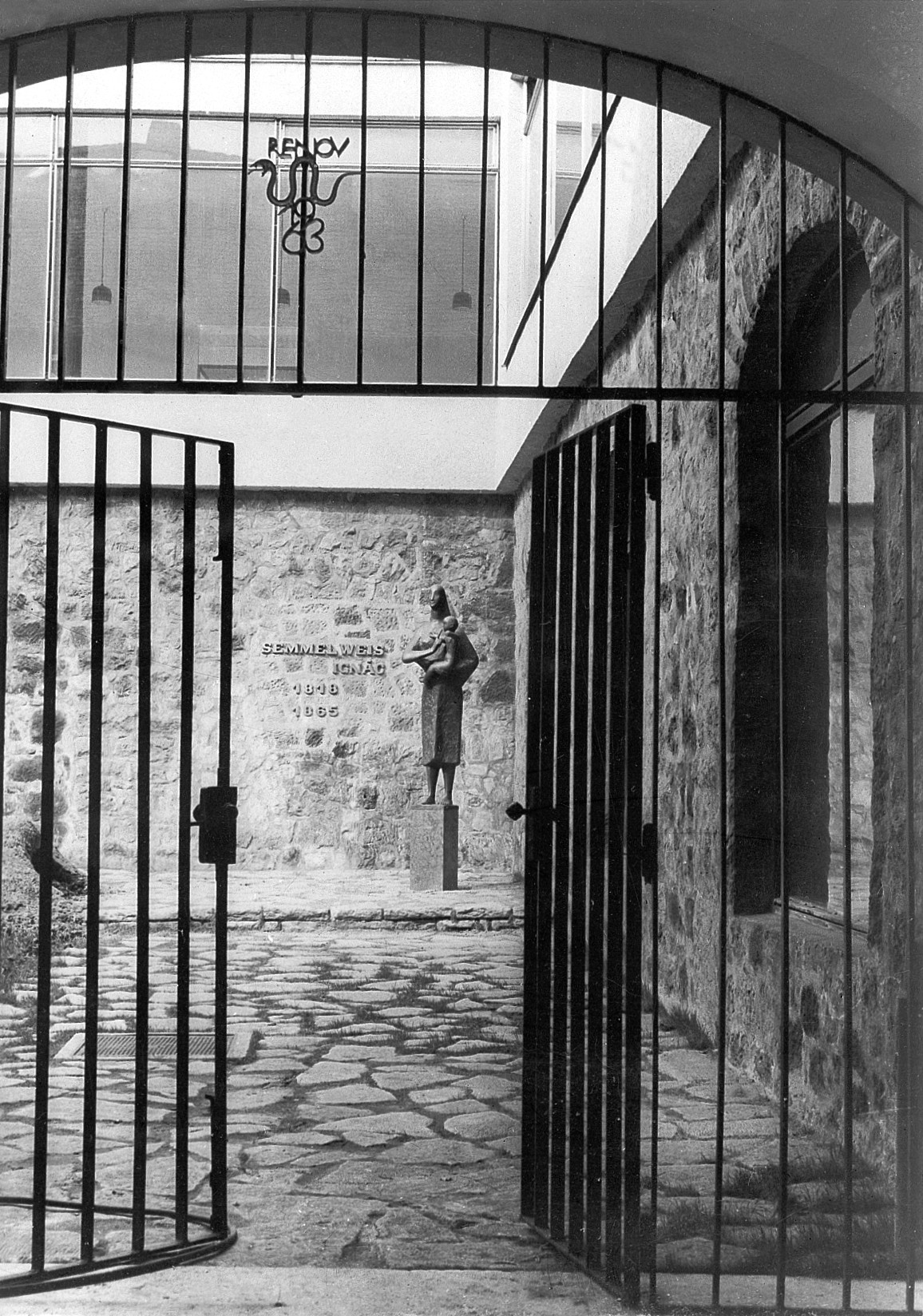
Tomb of Ignác Semmelweis, Budapest
after 1965
A photograph of Semmelweis's tomb in the courtyard of his birthplace, now the Semmelweis Museum, where his remains were reburied in 1965.
Shows the final resting place of Semmelweis, memorializing his legacy decades after his death.
About this source
What it is
This photograph shows the tomb of Ignác Semmelweis in the courtyard of the house where he was born, now the Semmelweis Museum of Medical History in Budapest. This is his fifth and final burial place, established in 1965, when his remains were placed in the stone wall of the courtyard. A bronze sculpture called 'Motherhood', by Miklós Borsos, was unveiled there the same year.
Why it matters
The repeated reburials and this memorial site show how Hungary came to honor Semmelweis long after his death, recognizing his discoveries about preventing childbed fever even though he was not widely credited during his own lifetime.
Look closer
- Why do you think it took so long, and several reburials, for Semmelweis to receive this memorial?
- What does the choice of a sculpture called 'Motherhood' suggest about what he is remembered for?
- What does a tomb like this tell future generations about a person's achievements?
This photograph is part of the curated material that grounds the AI version of Ignaz Semmelweis on Humy.ai — when students ask about related events, the AI can quote it and cite it.
More Ignaz Semmelweis sources
Browse all 93 →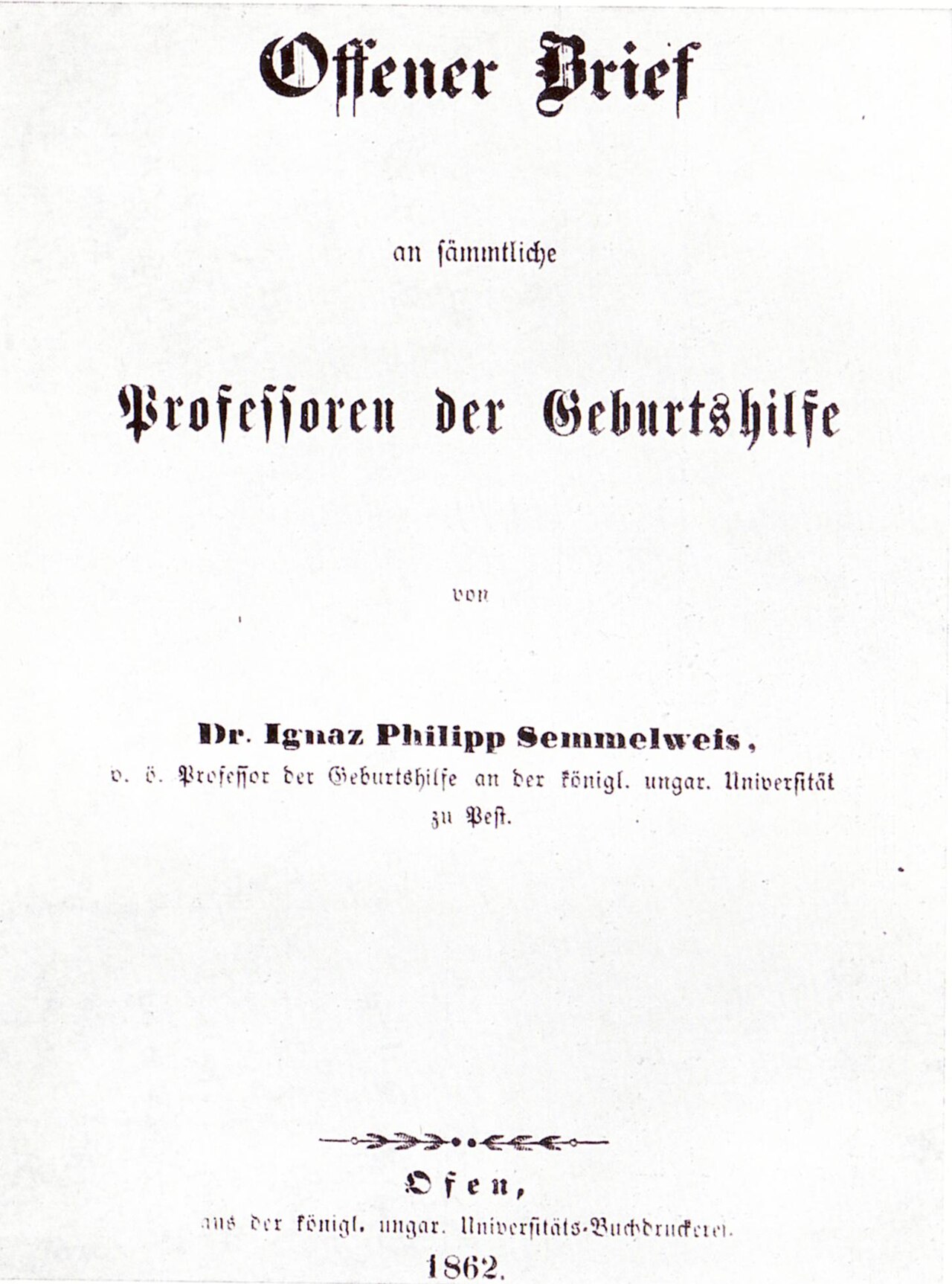 Letter
Primary source
Open Letter to All Professors of Obstetrics
Ignaz Semmelweis · 1862
 Document
Primary source
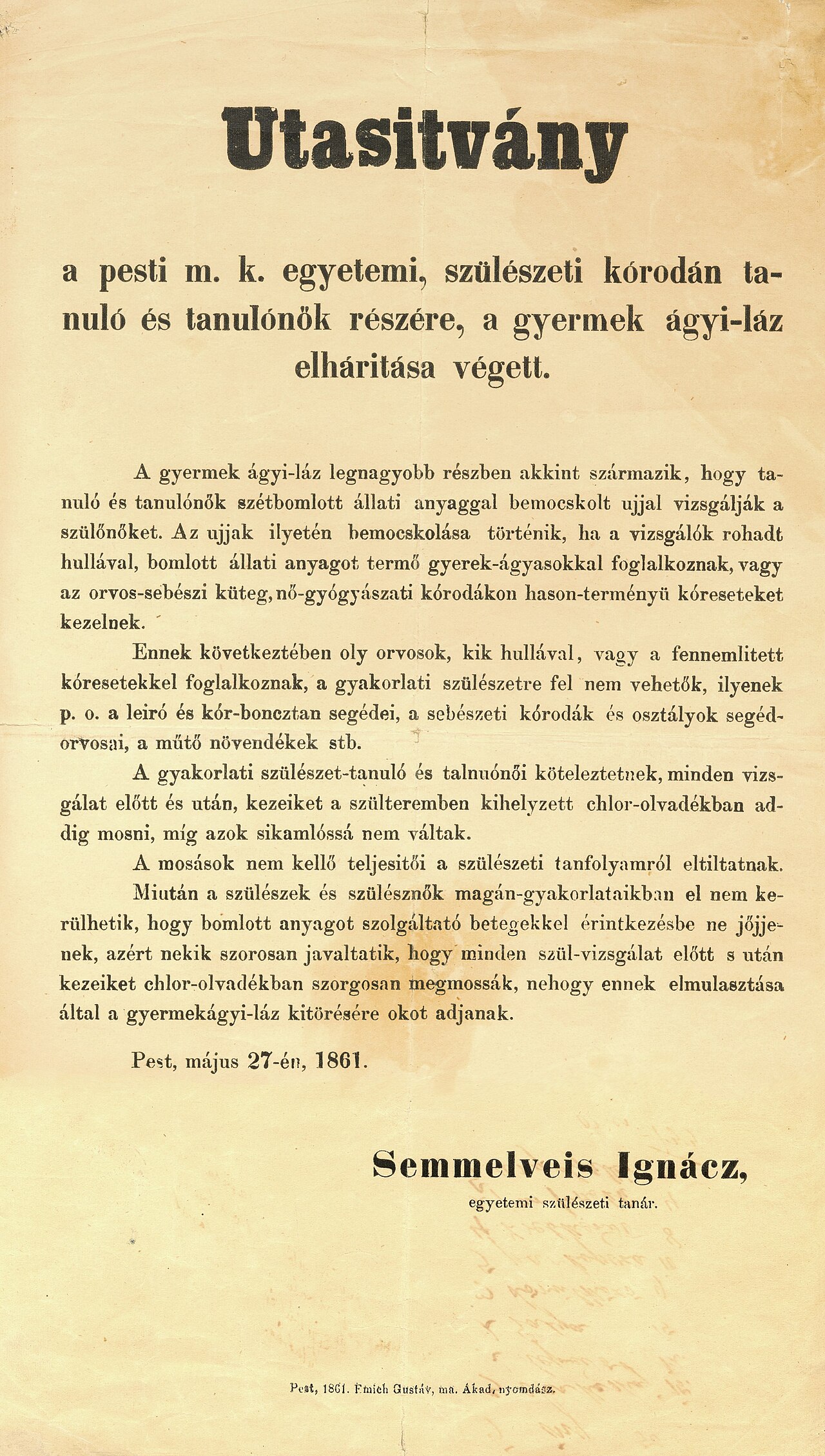
Instructions to Students at the Pest Obstetrics Clinic
Ignaz Semmelweis · 27 May 1861
 Photograph
Primary source
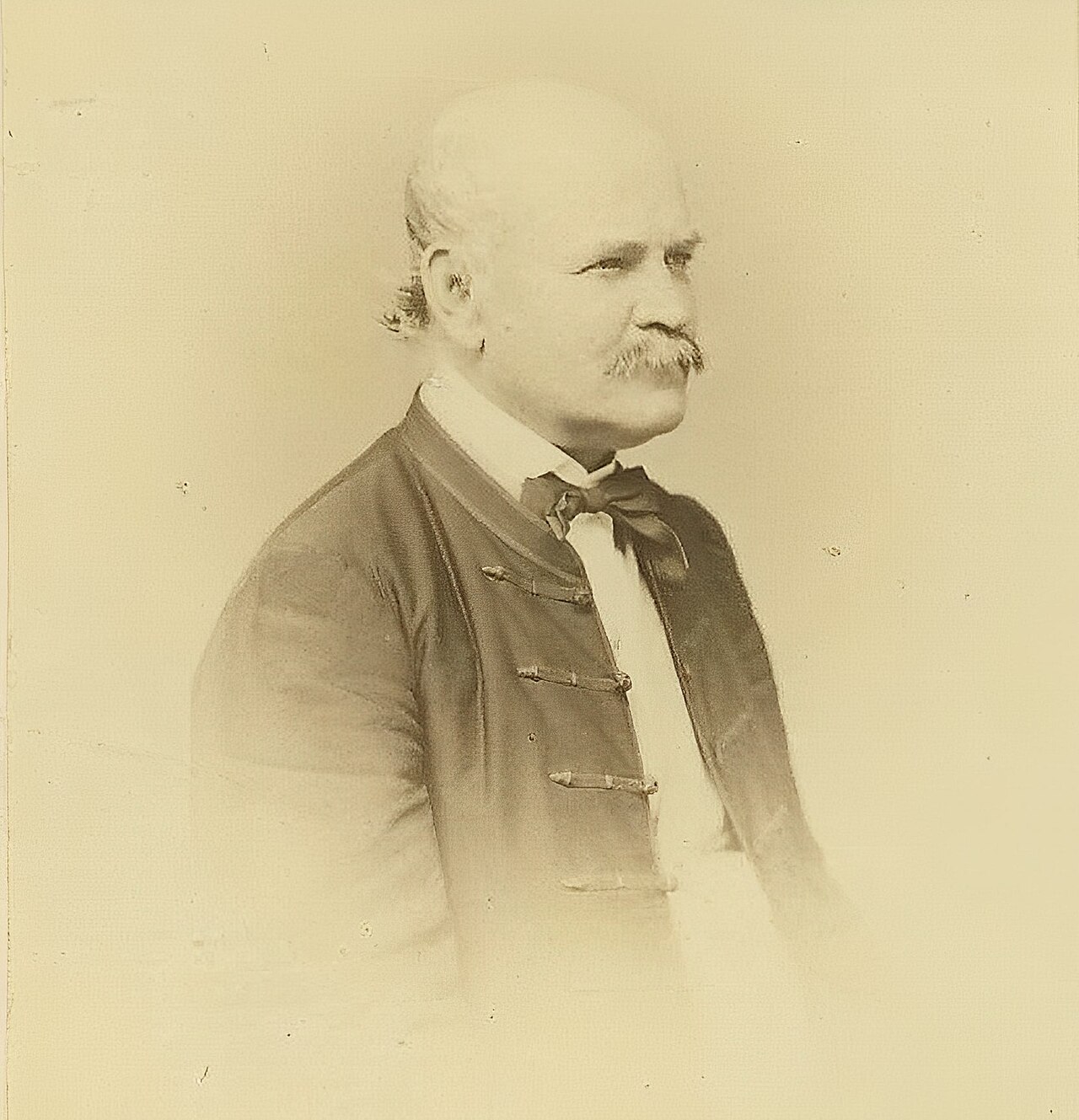
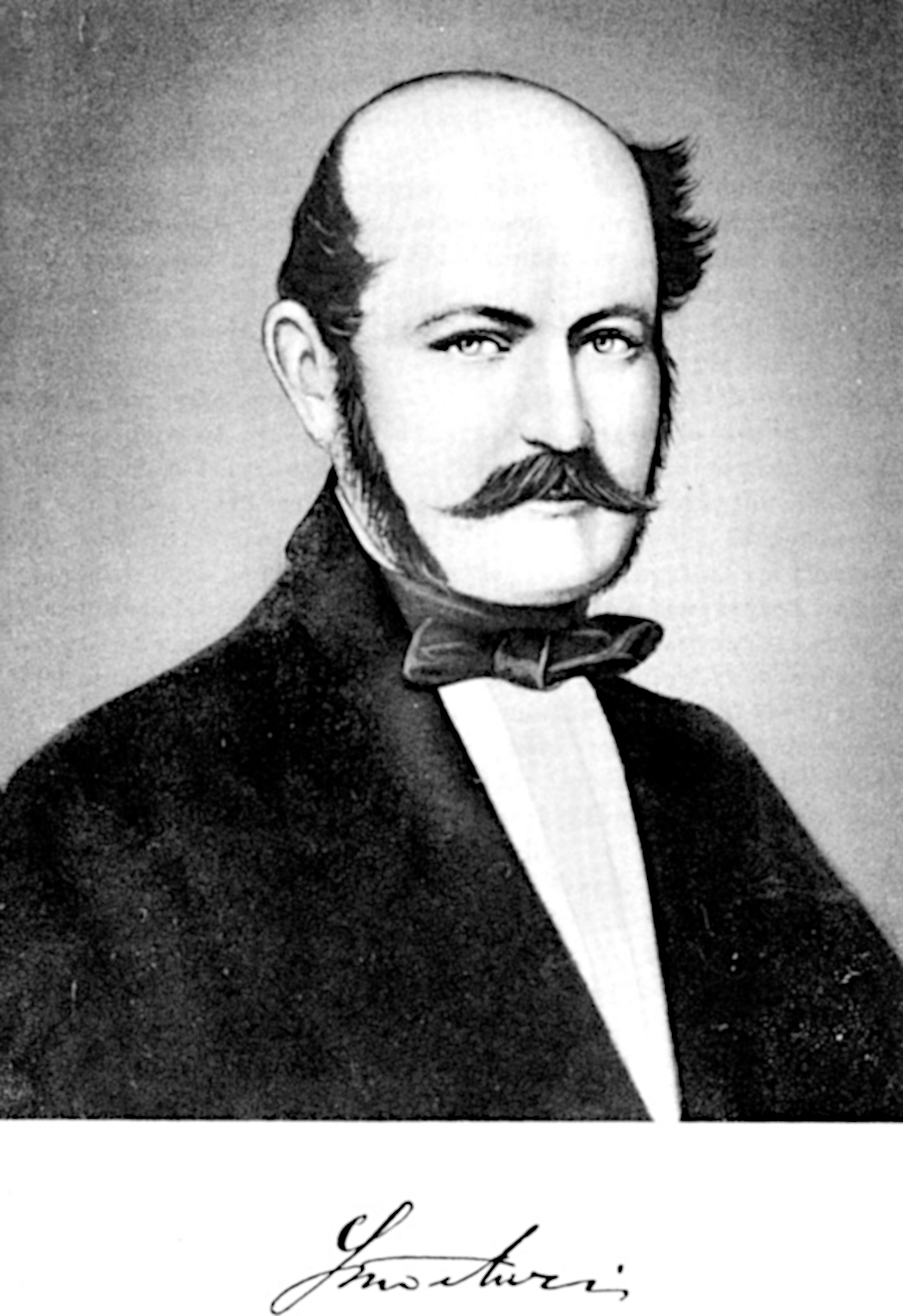
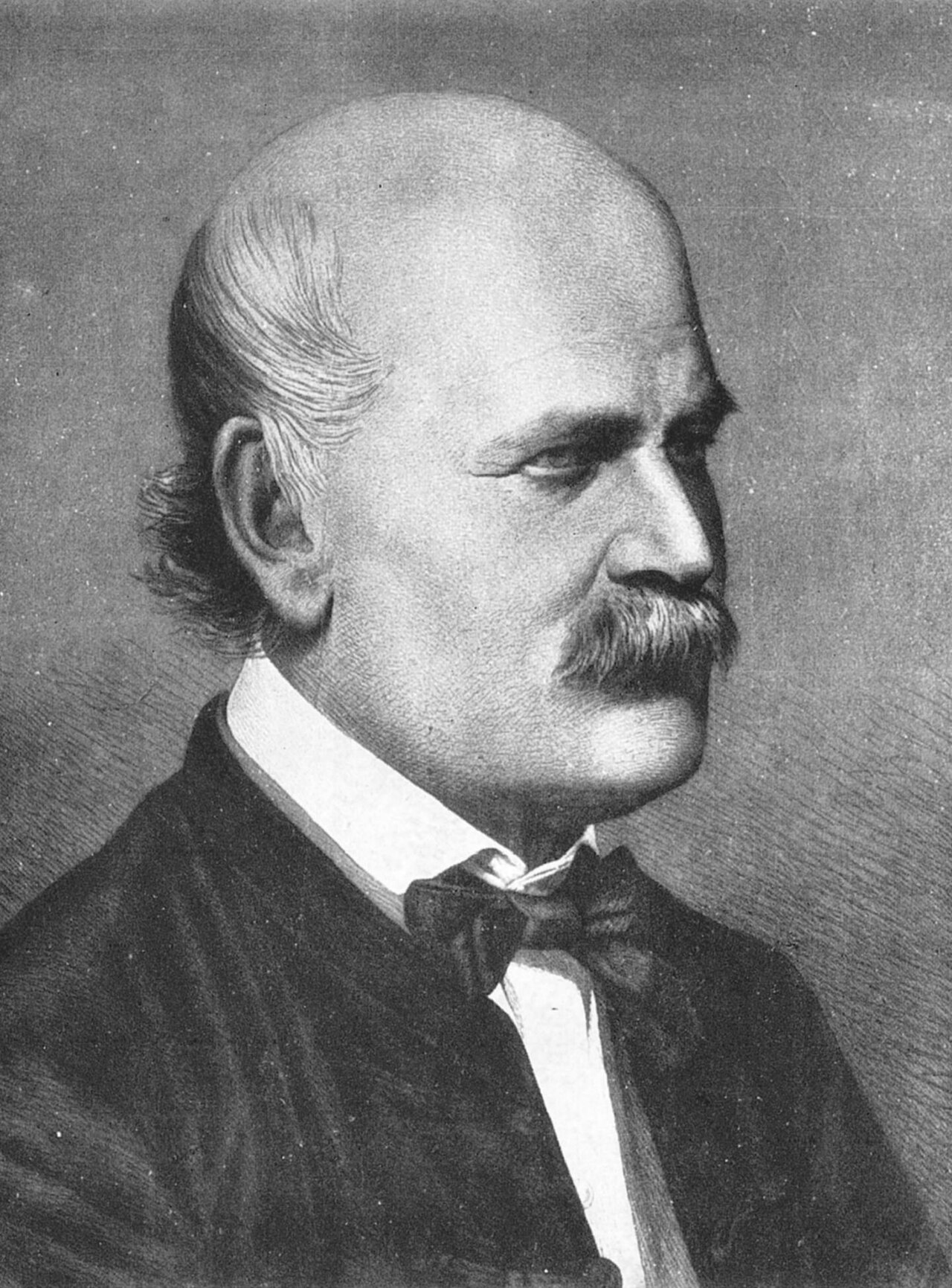
Portrait of Ignaz Semmelweis
Borsos & Doctor · 1860
 Letter
Primary source
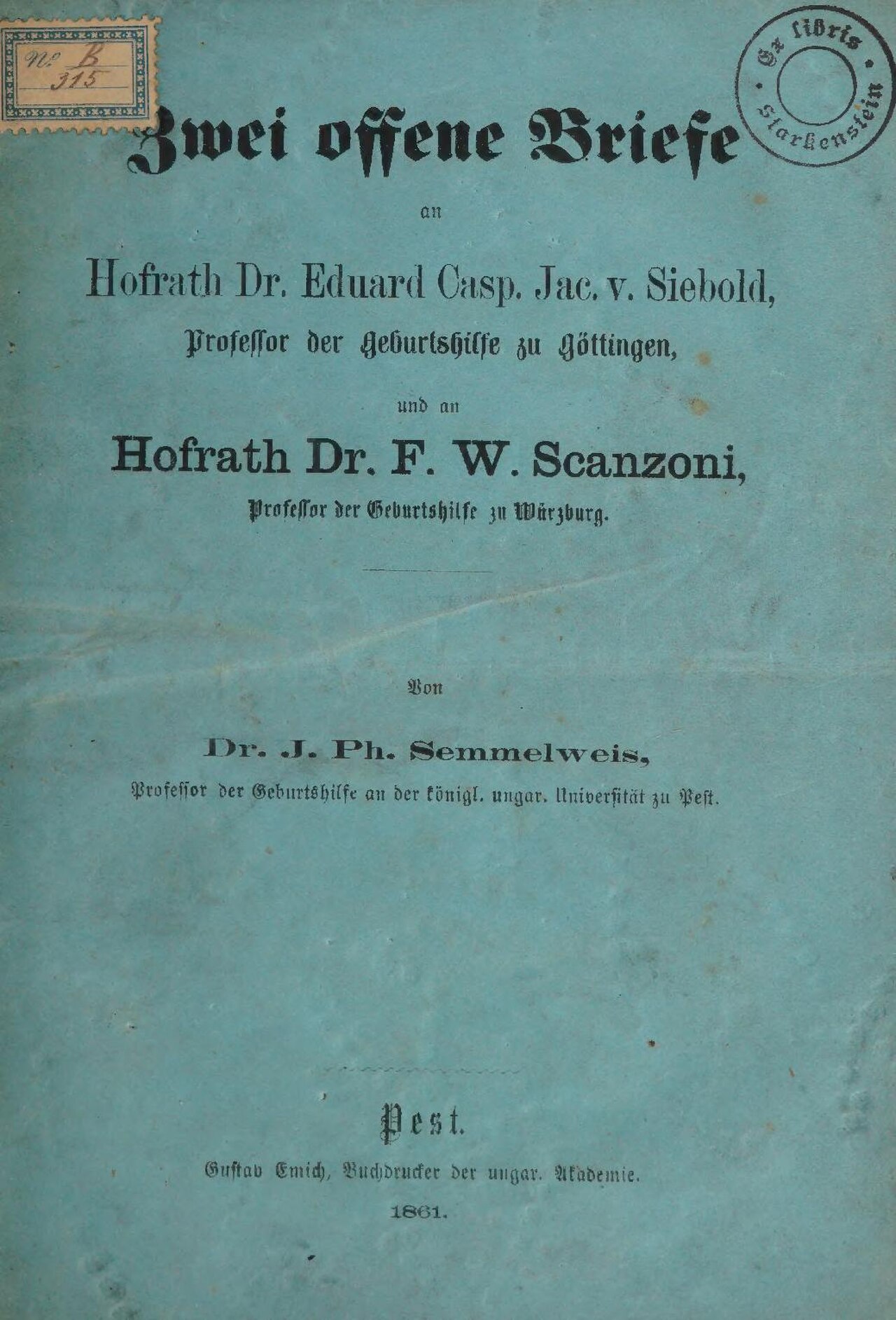
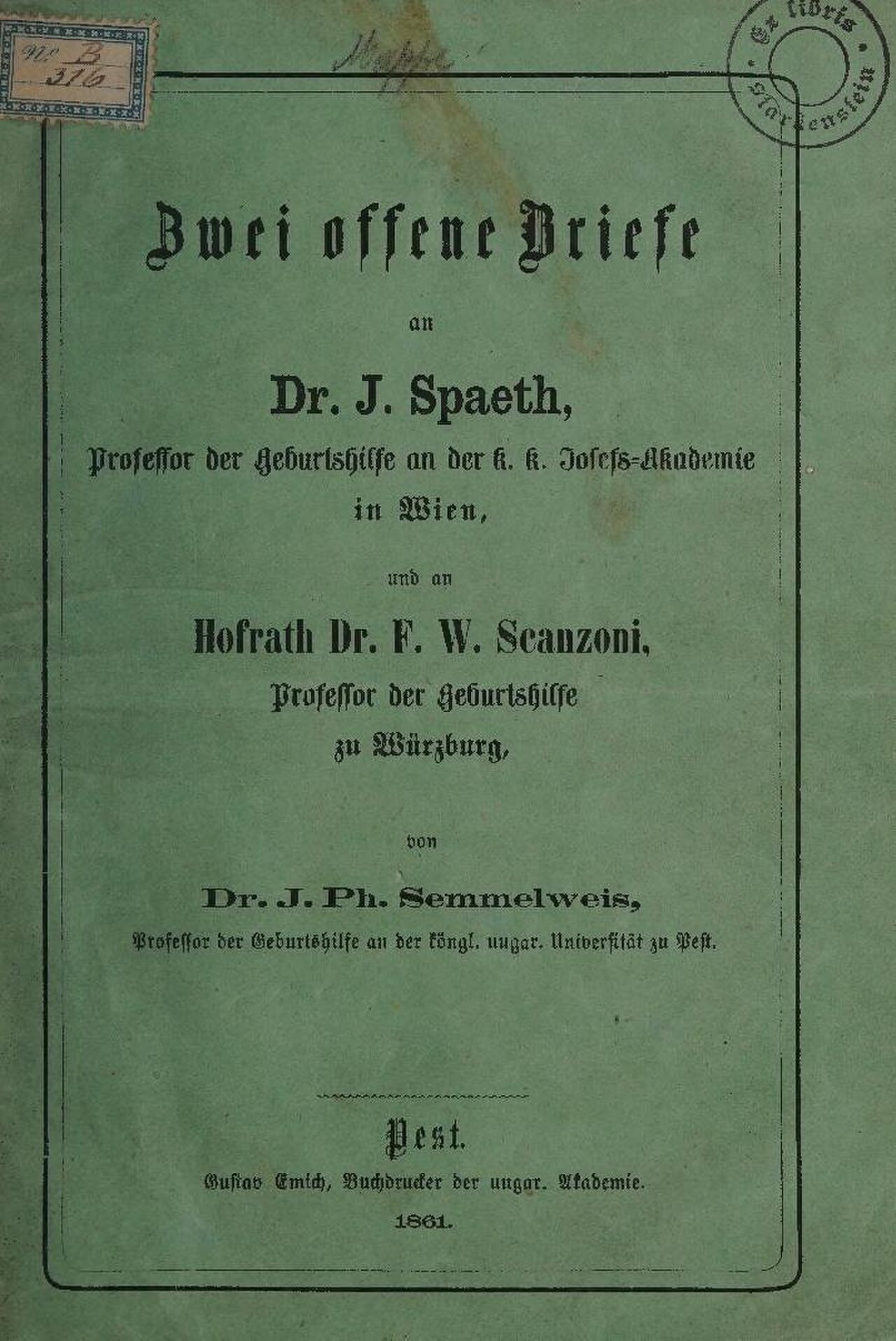
Two Open Letters to Siebold and Scanzoni
Ignaz Philipp Semmelweis · 1861
Free account
Read every Ignaz Semmelweis source
Sign up free →
Ready when you are
Start chatting with Ignaz Semmelweis now.
20 messages free · No credit card · Available in 50+ languages.