


Secondary sourceArtifact
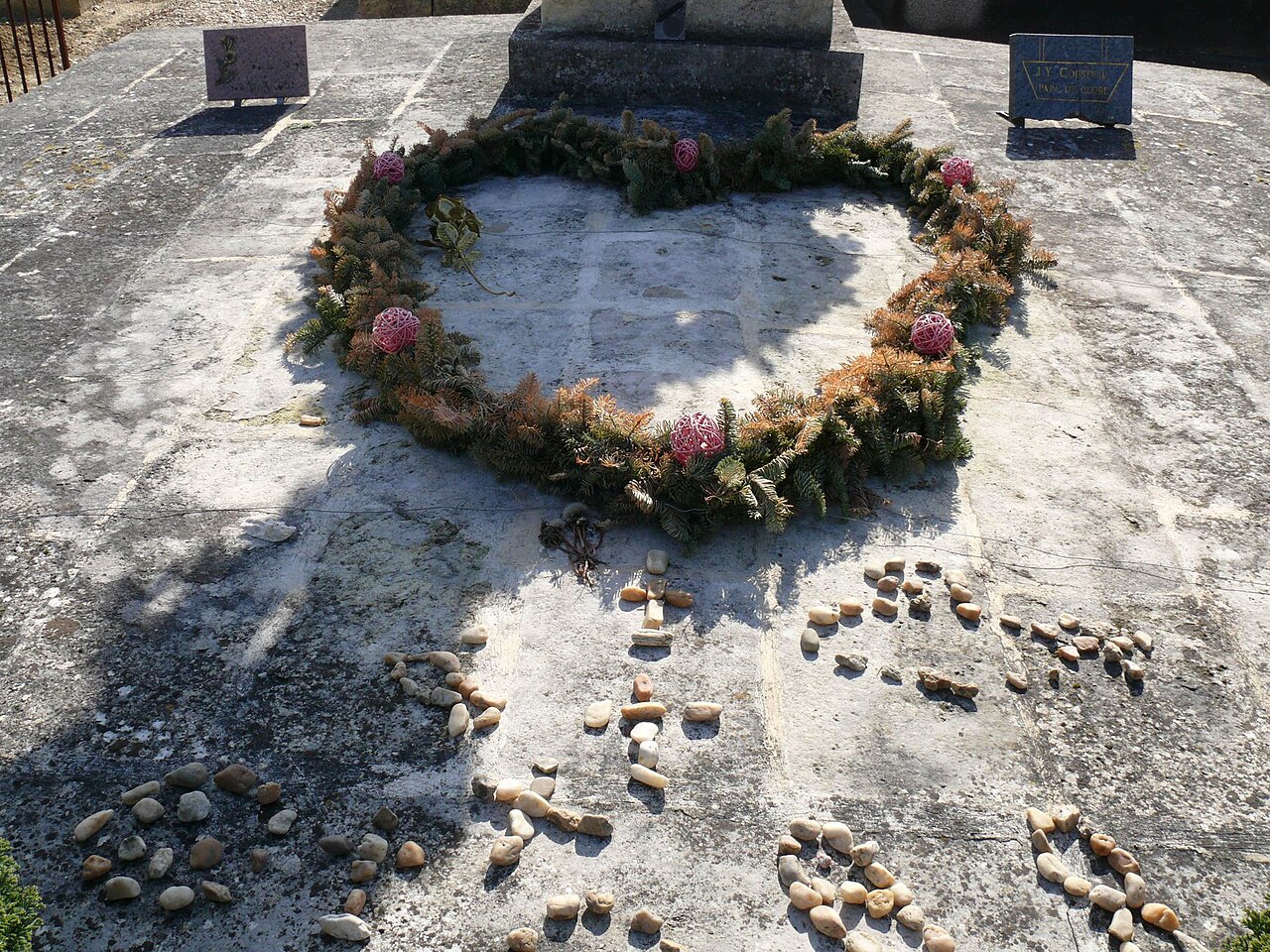
Tomb of Jacques-Yves Cousteau
Peter Potrowl
The Cousteau family vault in Saint-André-de-Cubzac, Cousteau's birthplace, where he is buried.
This is Cousteau's burial site, marking his final resting place in his birthplace.
About this source
What it is
This photograph shows the Cousteau family burial vault in the cemetery of Saint-André-de-Cubzac, the town where Jacques-Yves Cousteau was born. The slab is decorated with a heart-shaped wreath of evergreen and flowers, with small plaques and a stone monument base.
Why it matters
A grave is a simple but powerful historical marker: it confirms where and when a person's life ended and ties them permanently to a place. Cousteau became world-famous for exploring the oceans, yet his final resting place is in the small French town where his story began.
Look closer
- Why might people choose to decorate a grave, and what does that tell us about how a person is remembered?
- What does the choice of burial place suggest about Cousteau's connection to his hometown?
- What is missing from a tomb that a biography or photograph could tell you instead?
This artifact is part of the curated material that grounds the AI version of Jacques Cousteau on Humy.ai — when students ask about related events, the AI can quote it and cite it.
More Jacques Cousteau sources
Browse all 49 →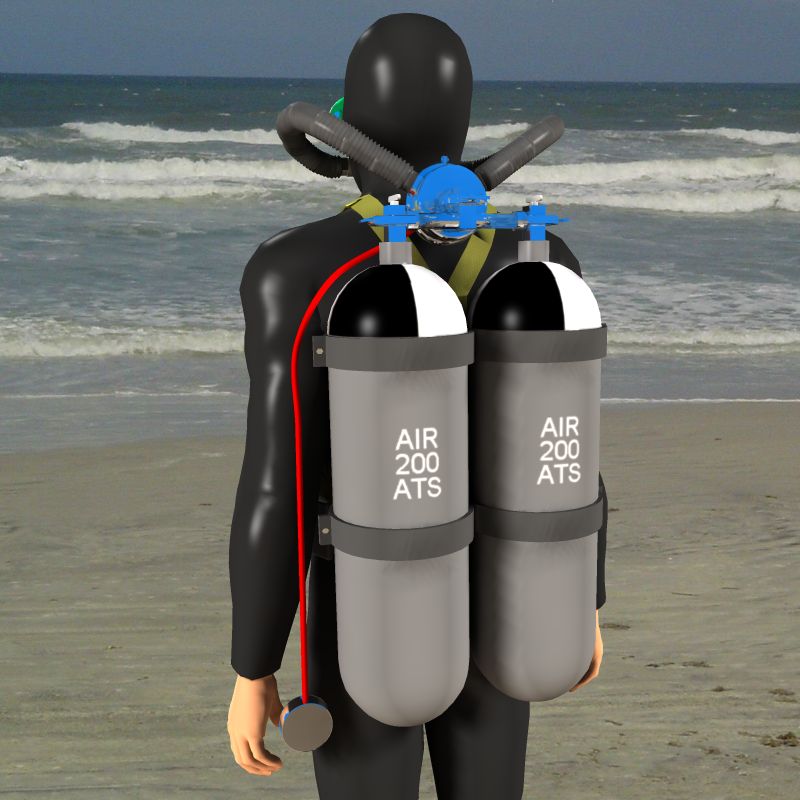 Artifact
Secondary source
Aqua-Lung
Jacques Cousteau and Émile Gagnan · 1943
 Artifact
Primary source
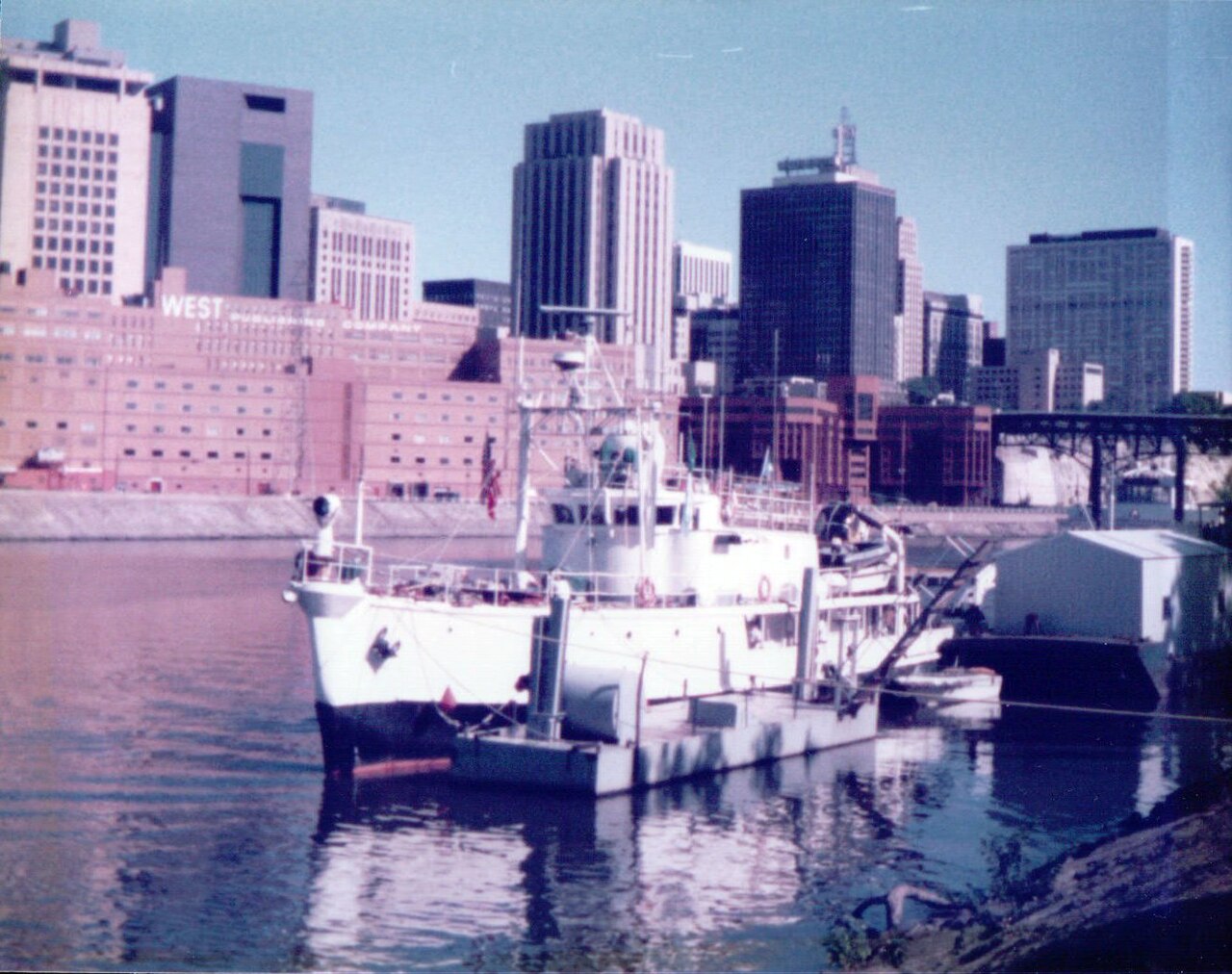
RV Calypso
Ailsa Shipbuilding; refitted by Cousteau · 1942; refitted 1950–51
 Photograph
Primary source
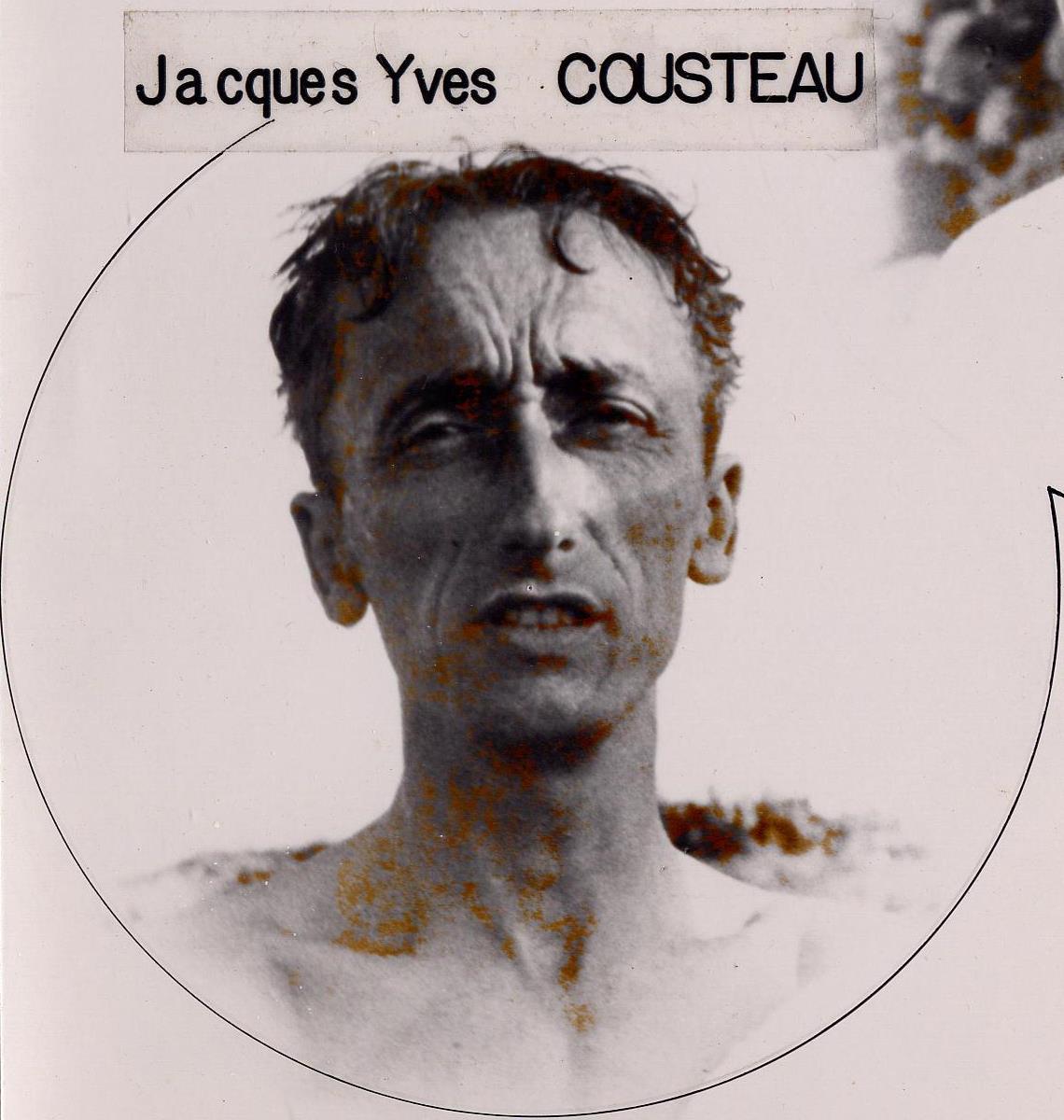
Jacques-Yves Cousteau, Les Mousquemers en 1948
Philippe Tailliez · 1948
 Photograph
Primary source
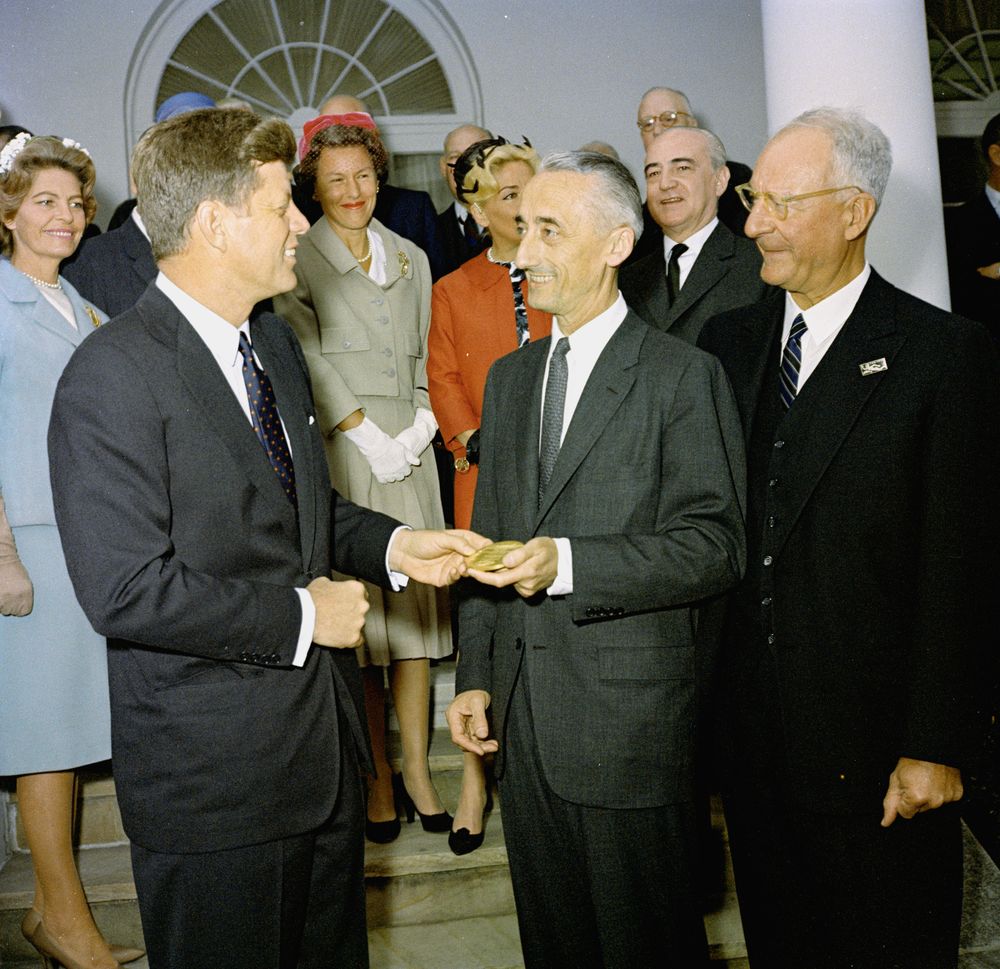
President Kennedy Presents the National Geographic Society Gold Medal to Jacques Cousteau
Robert Knudsen · 1961
Free account
Read every Jacques Cousteau source
Sign up free →
Ready when you are
Start chatting with Jacques Cousteau now.
20 messages free · No credit card · Available in 50+ languages.