


Secondary sourceSculpture1956
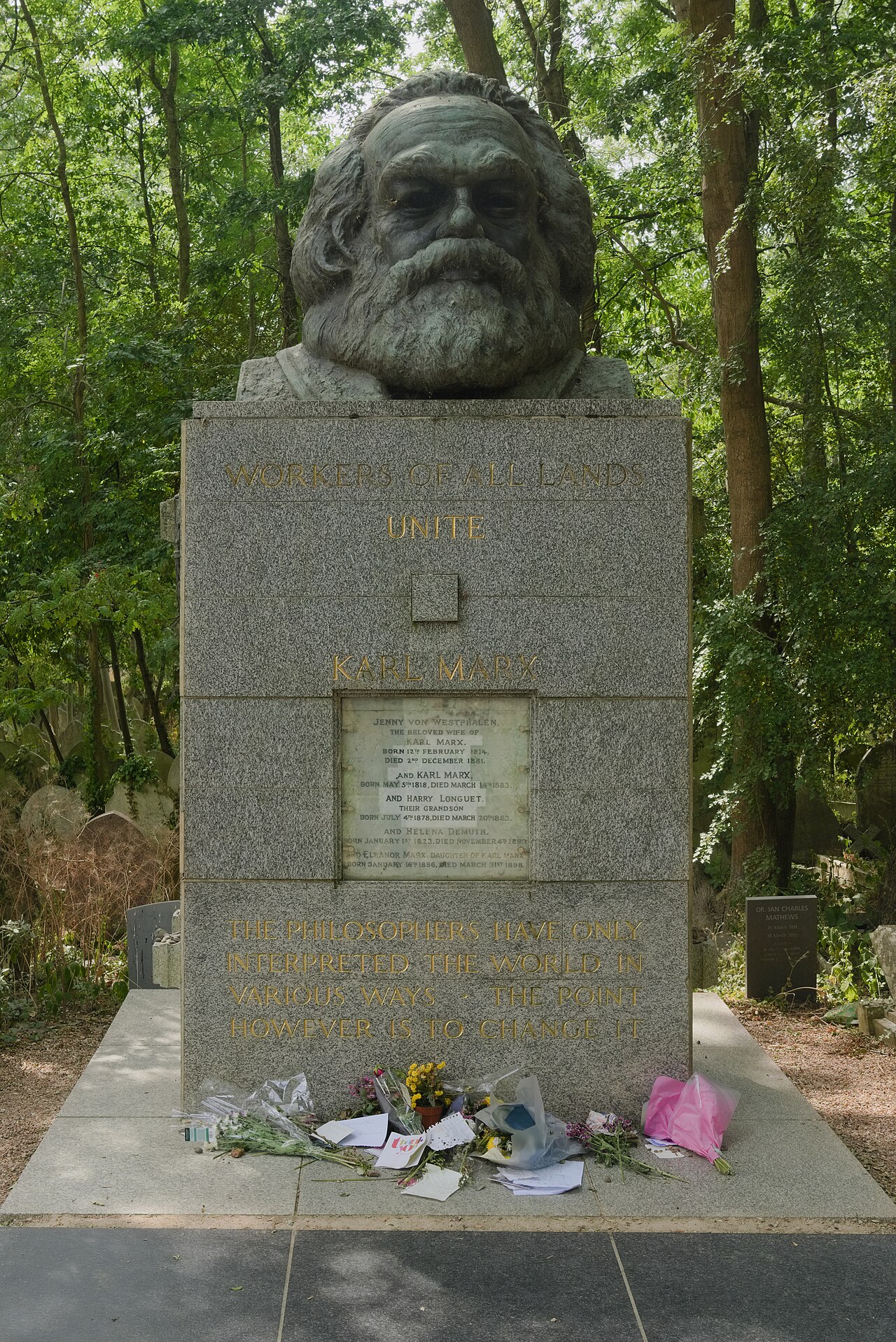
Tomb of Karl Marx
Laurence Bradshaw · 1956
The 1956 monument at Highgate Cemetery marking Marx's grave, featuring a large bronze bust by sculptor Laurence Bradshaw.
This is Marx's grave and memorial, built decades after his death to commemorate his life and ideas.
About this source
What it is
This tomb in Highgate Cemetery, London, holds the remains of Karl Marx, his wife Jenny von Westphalen, and other family members. Designed by Laurence Bradshaw and funded by the Communist Party of Great Britain, it was unveiled in 1956, decades after Marx's death in 1883.
Why it matters
The monument shows how Marx was remembered and used symbolically long after his death. Inscribed with the closing words of The Communist Manifesto, it became a pilgrimage site for communists worldwide, and also a target for his opponents, including bombings and vandalism, showing the continuing political passions his ideas provoke.
Look closer
- Why do you think a political party paid for this monument rather than Marx's family?
- What does the inscription tell visitors the monument's makers wanted Marx to be remembered for?
- Why might this tomb have been attacked by vandals over the years?
This sculpture is part of the curated material that grounds the AI version of Karl Marx on Humy.ai — when students ask about related events, the AI can quote it and cite it.
More Karl Marx sources
Meet the AI Karl Marx →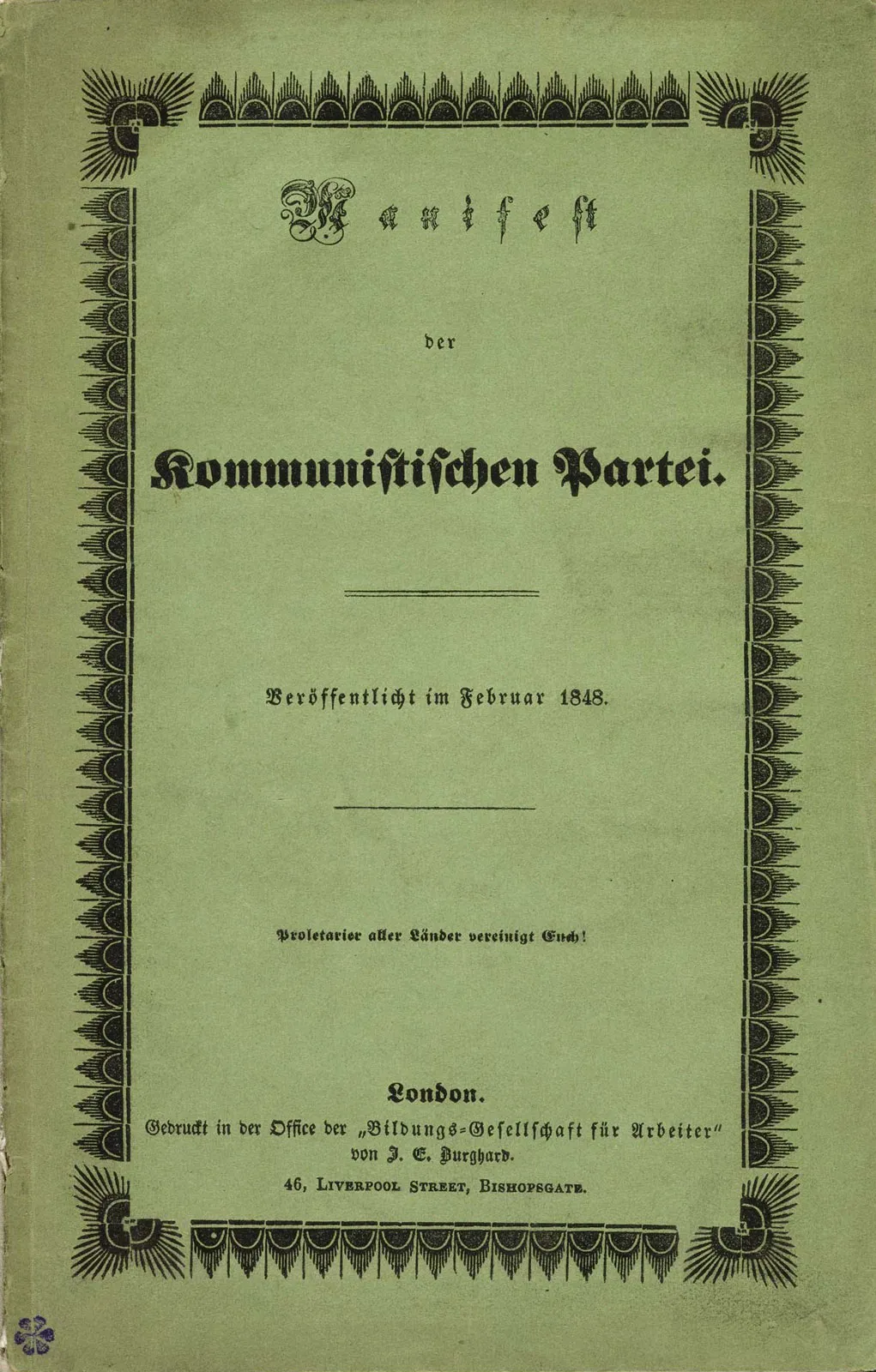 Book
Primary source
The Communist Manifesto
Karl Marx and Friedrich Engels · February 1848
 Book
Primary source
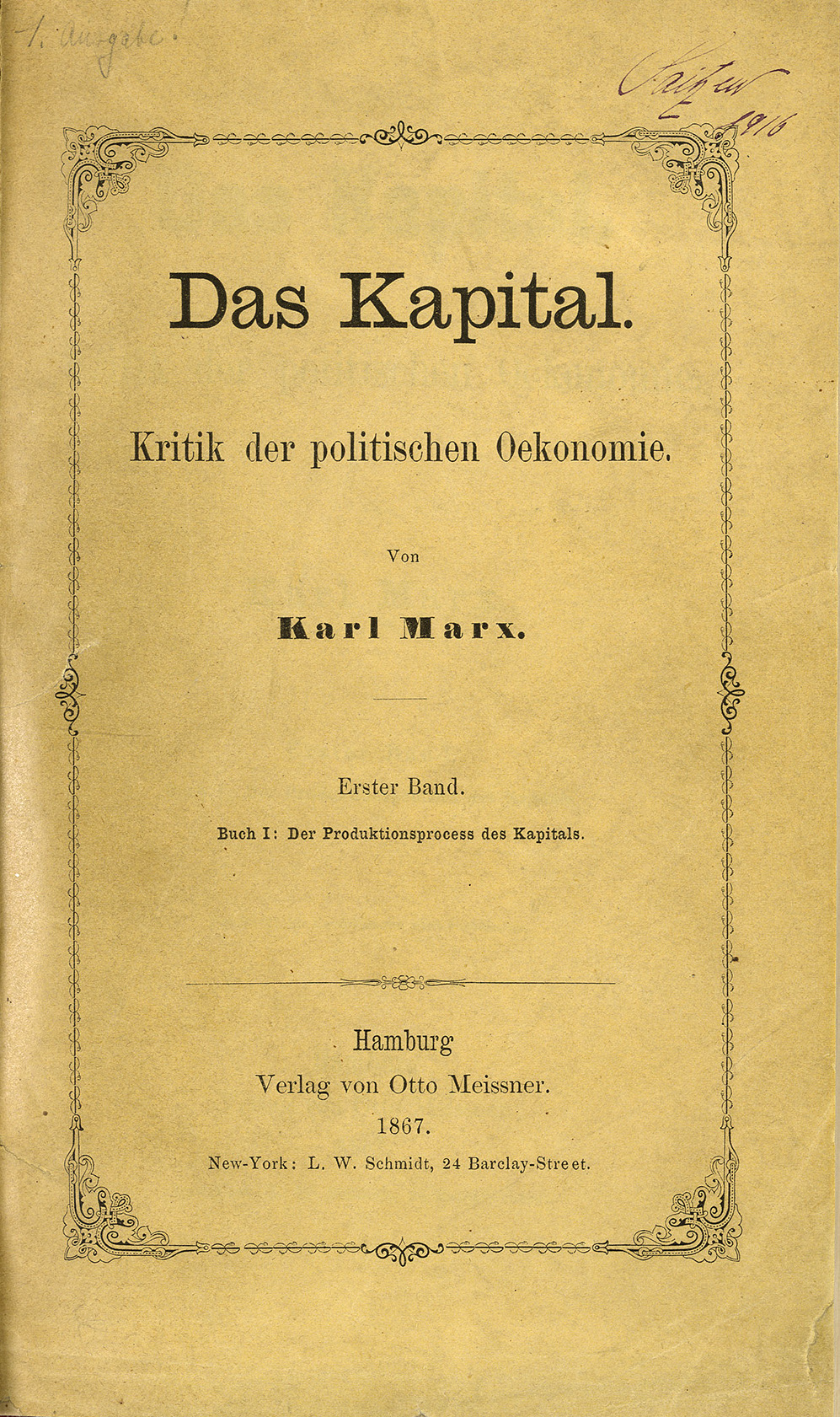
Capital: A Critique of Political Economy
Karl Marx · 1867
 Sculpture
Secondary source
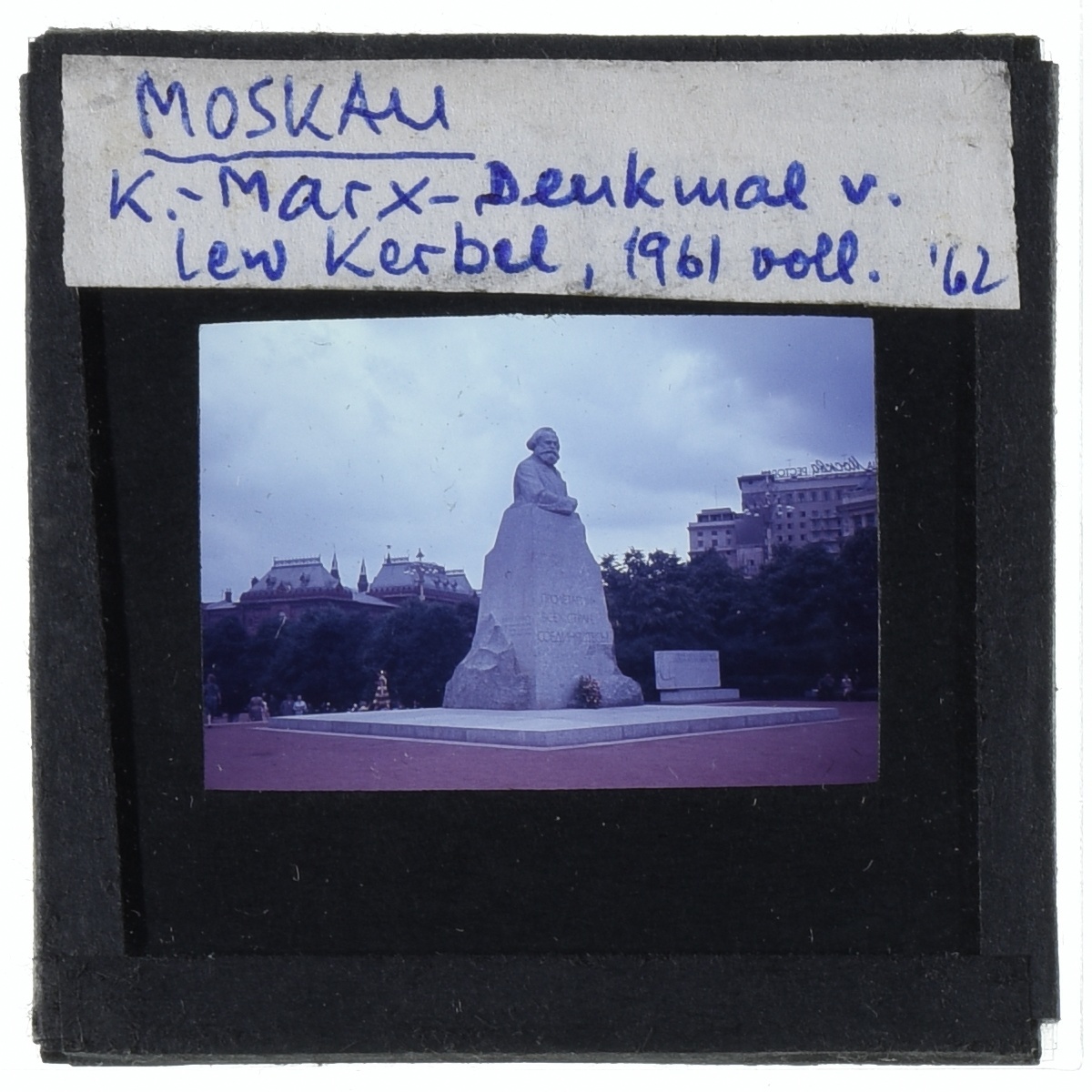
Karl Marx Monument in Moscow
Lew Kerbel · 1961-1962
 Photograph
Primary source
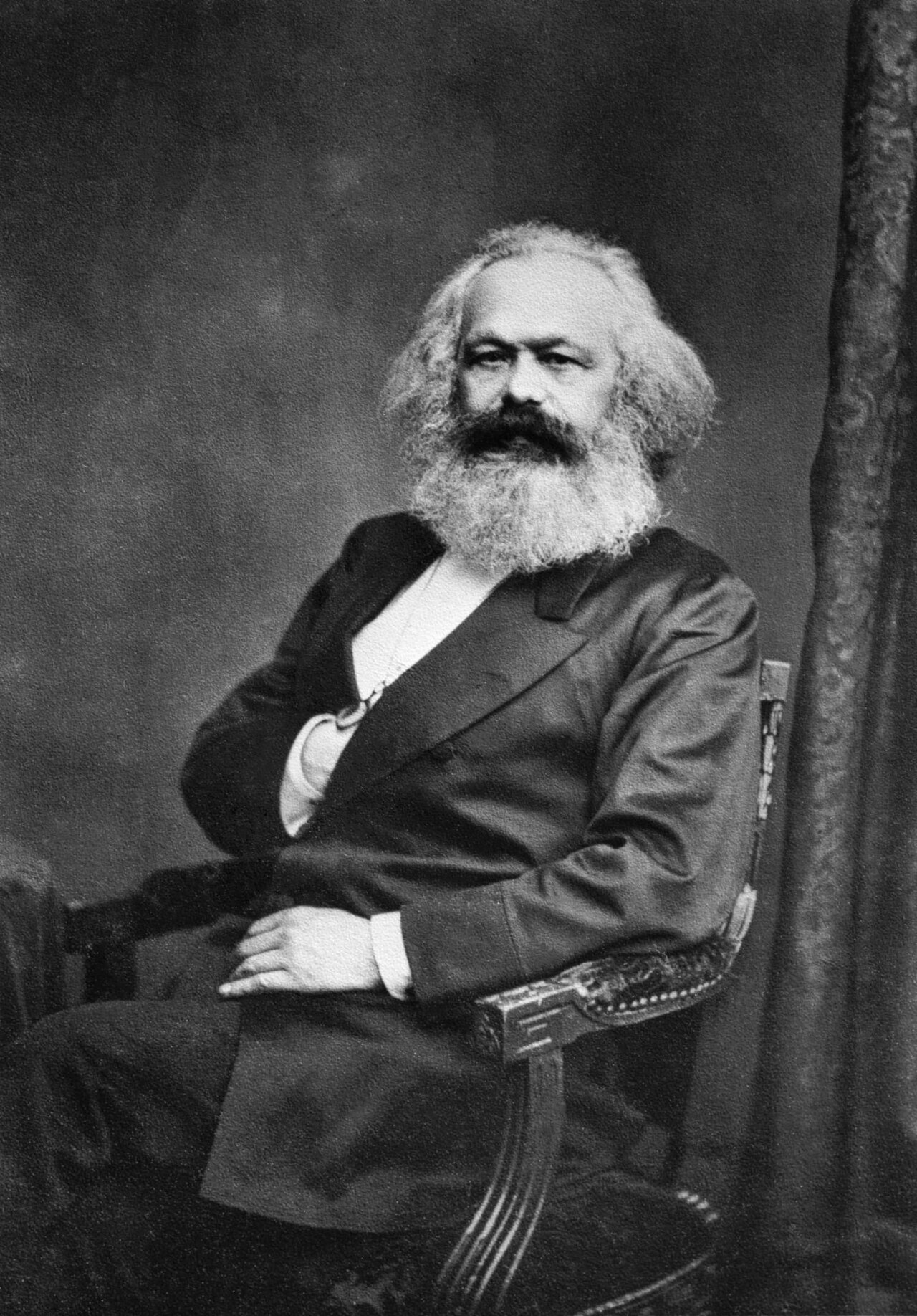
Portrait of Karl Marx
John Mayall · 1875
 Photograph
Secondary source
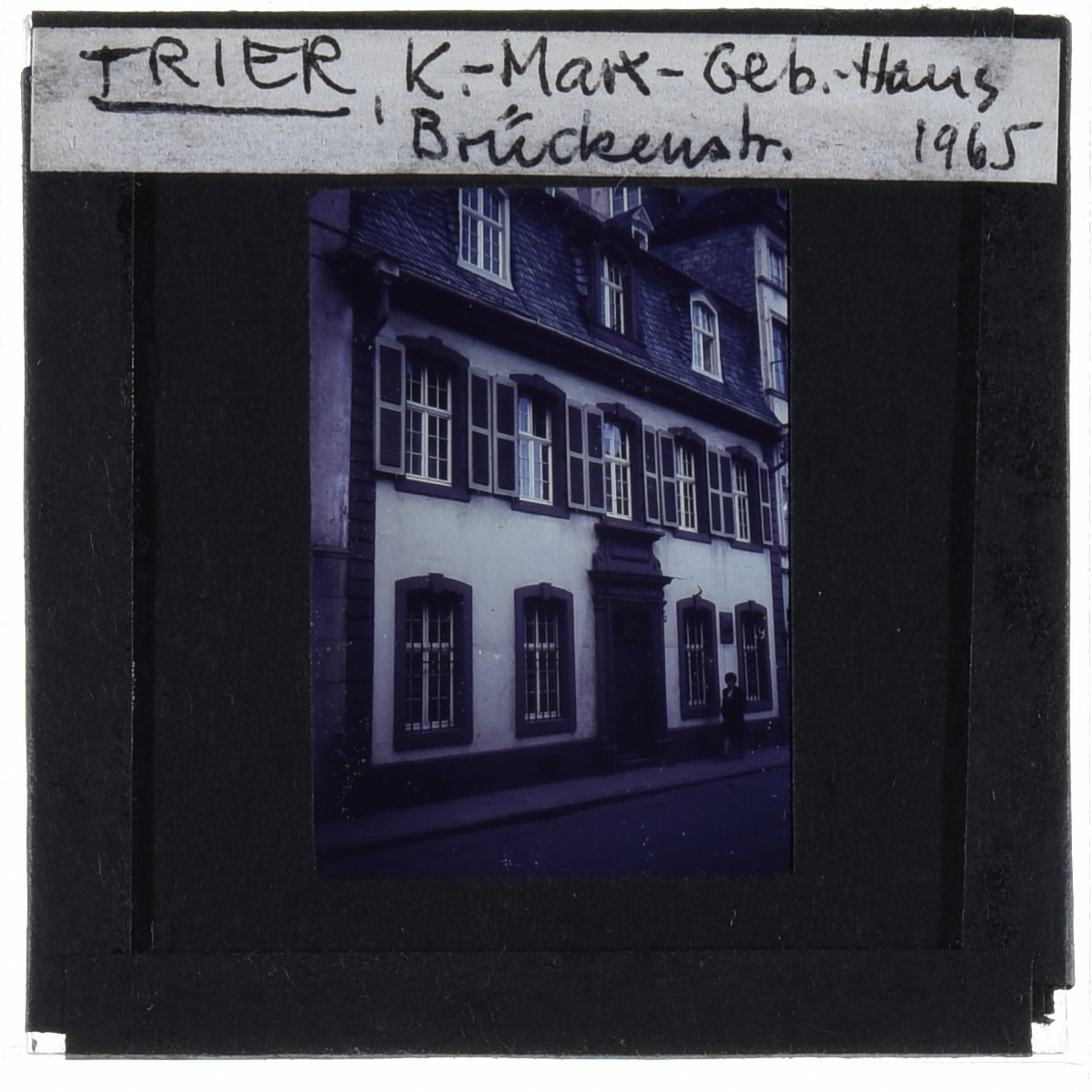
Karl Marx's Birthplace House in Trier
1965
Ready when you are
Start chatting with Karl Marx now.
20 messages free · No credit card · Available in 50+ languages.