


Secondary sourceSculpture
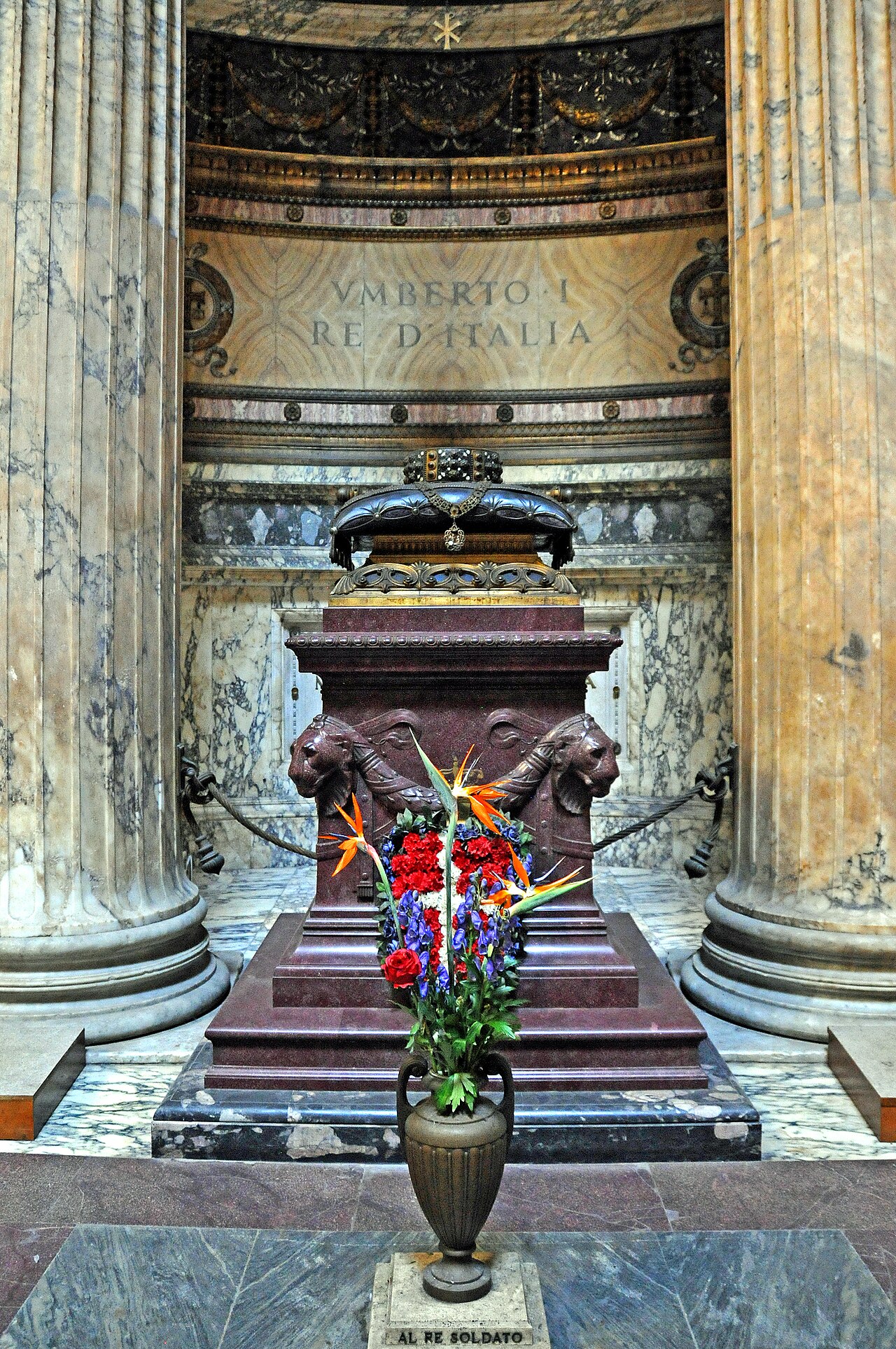
Tomb of King Umberto I and Queen Margherita
Giuseppe Sacconi
The tomb of Umberto I in the Pantheon in Rome, built by sculptor Giuseppe Sacconi, beside the tomb of his father.
This is the tomb built to hold the remains of Umberto I after his death, in the Pantheon in Rome.
About this source
What it is
A sepulchral monument in the Pantheon in Rome, designed by Giuseppe Sacconi, holding the remains of King Umberto I. It is a dark red porphyry base with bronze details, topped by a casket beneath an inscription naming him King of Italy, with a plaque calling him the 'soldier king.'
Why it matters
Placing Umberto's tomb in the Pantheon, next to his father Victor Emmanuel II, linked the House of Savoy to the ancient history of Rome and reinforced the idea that Rome was now the rightful capital of a united Italy. Monuments like this were built to shape how a ruler would be remembered.
Look closer
- Why might the monarchy have chosen the Pantheon, an ancient Roman building, as a burial site?
- What does the inscription 'soldier king' suggest about how Umberto wanted to be remembered, or how others wanted him remembered?
- What is missing from a monument like this that a biography might include?
This sculpture is part of the curated material that grounds the AI version of Umberto I of Italy on Humy.ai — when students ask about related events, the AI can quote it and cite it.
More Umberto I of Italy sources
Browse all 97 →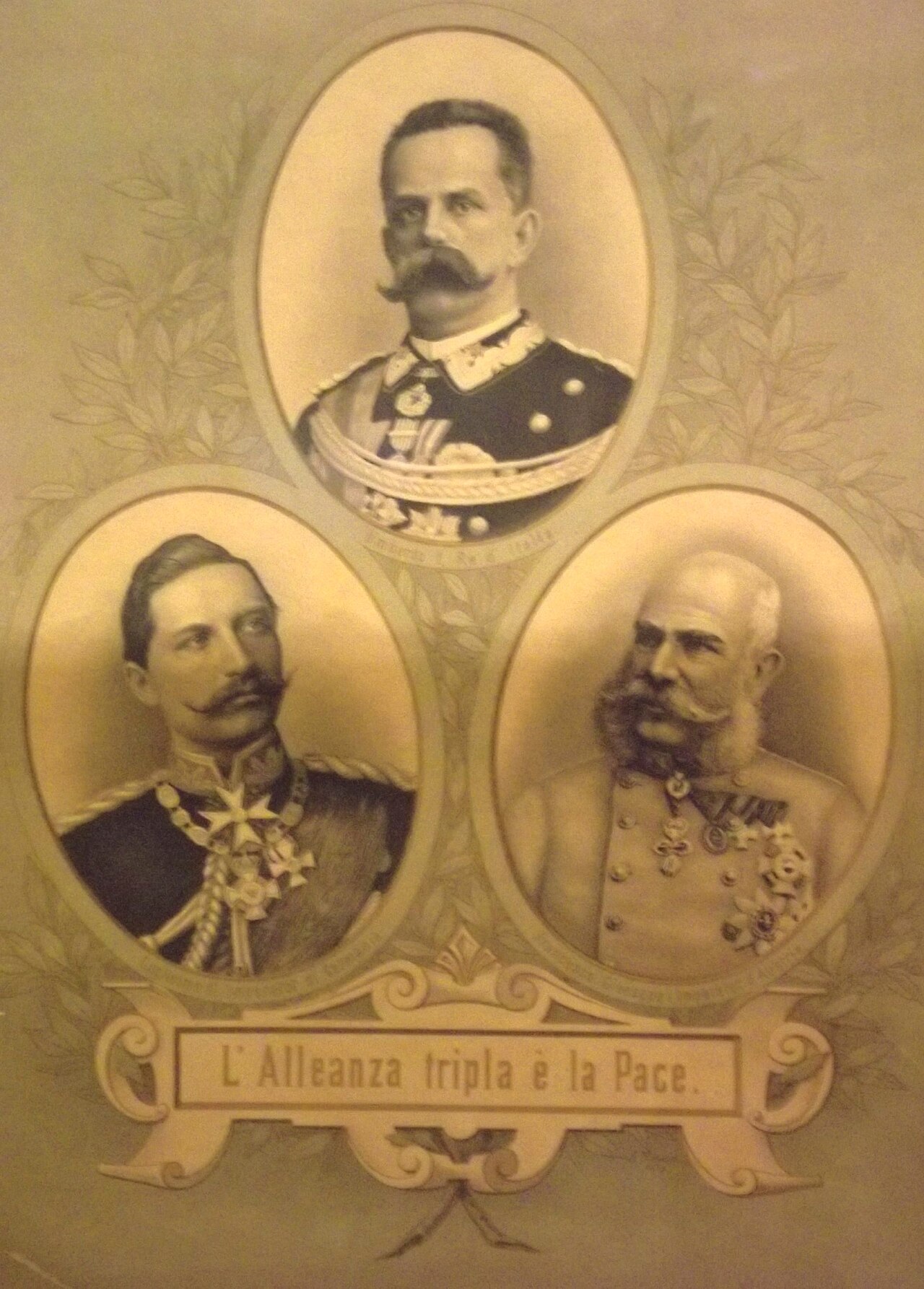 Document
Primary source
Triple Alliance
Otto von Bismarck · 1882
 Photograph
Primary source
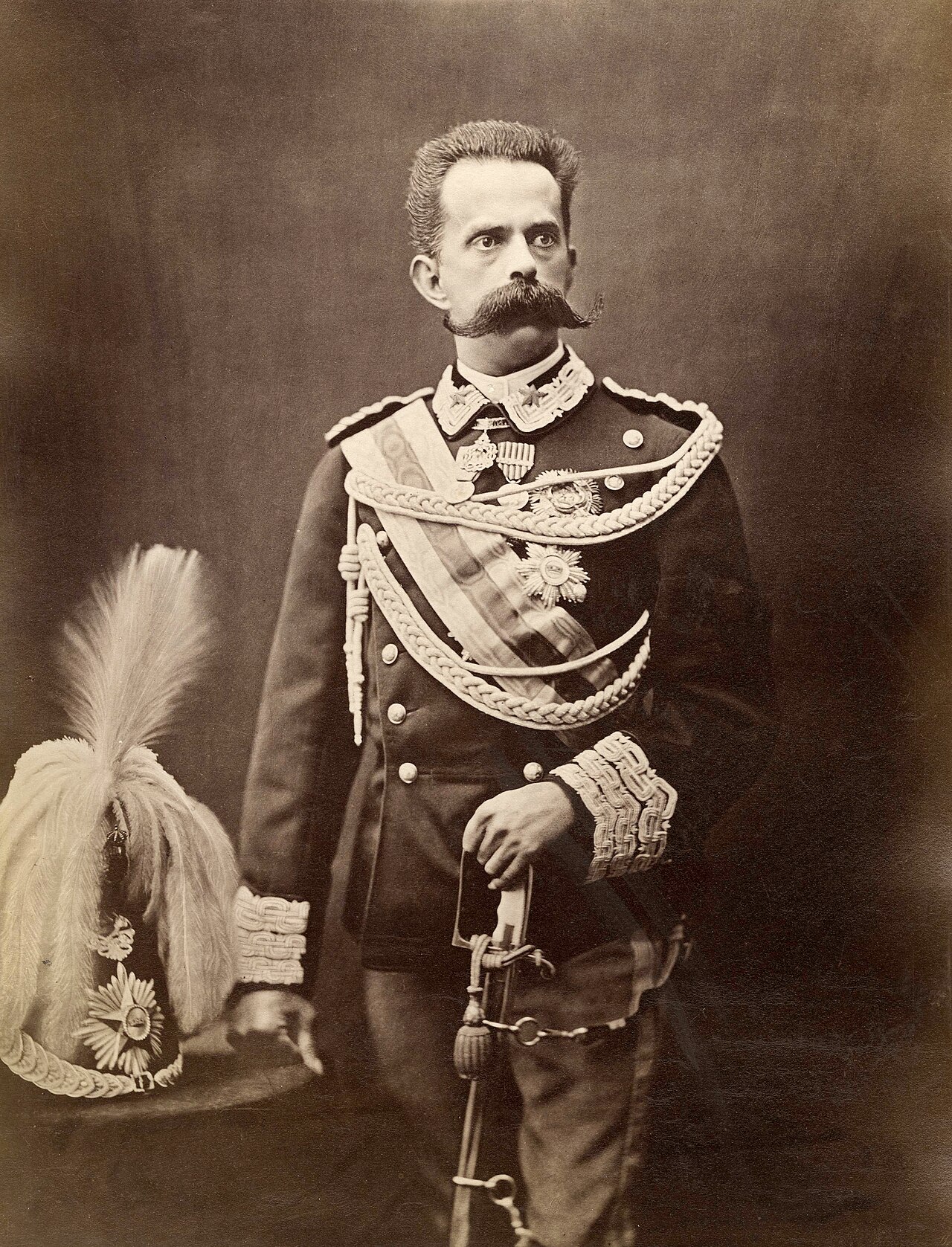
Portrait of Umberto I of Italy
Fratelli Vianelli
 Artifact
Primary source
Seal of Umberto I of Italy
 Painting
Primary source
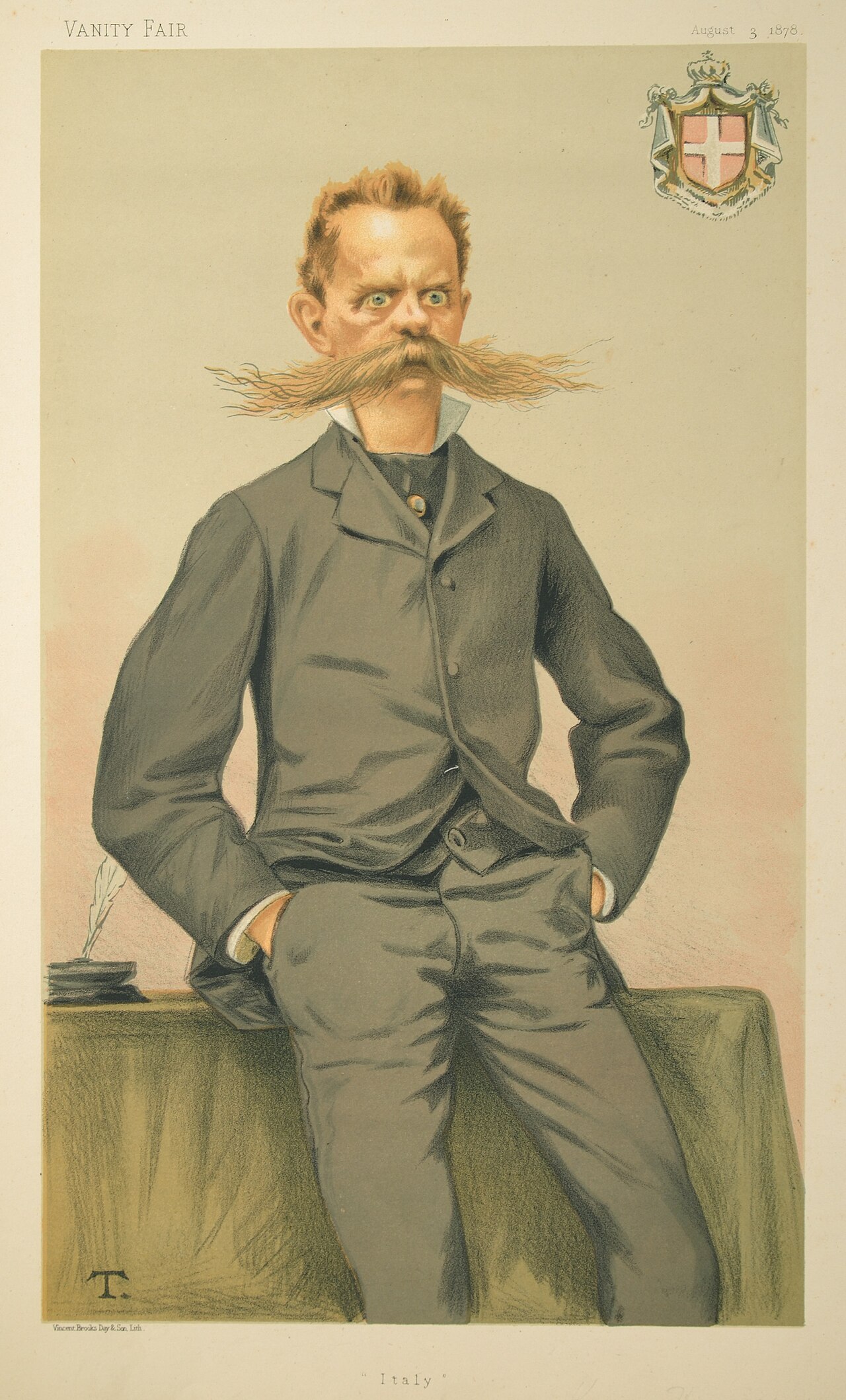
Italy
Théobald Chartran · 1878
Free account
Read every Umberto I of Italy source
Sign up free →
Ready when you are
Start chatting with Umberto I of Italy now.
20 messages free · No credit card · Available in 50+ languages.