


Secondary sourceSculptureearly 17th century
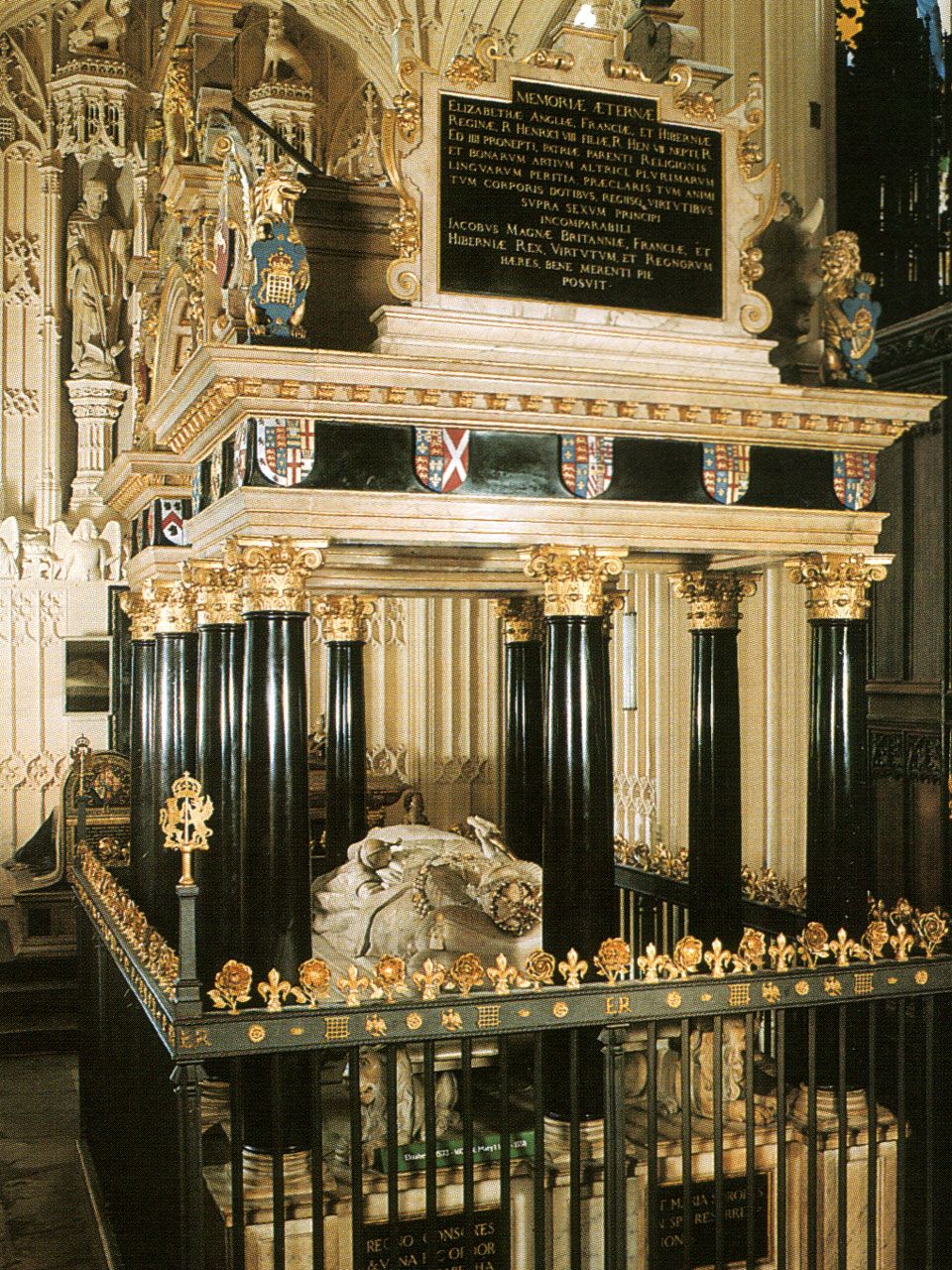
Tomb of Queen Elizabeth I
Maximilian Colt · early 17th century
The marble and gilded monument to Elizabeth I in Westminster Abbey, made for James I shortly after her death.
Her tomb, made for James I, preserves the official posthumous image of Elizabeth as queen.
About this source
What it is
This is the tomb of Queen Elizabeth I in Westminster Abbey, sculpted by Maximilian Colt. It was commissioned by James I and shows an effigy of the queen made from likenesses taken soon after her death. A white canopy with gilded columns covers the tomb, enclosed by an iron railing with an inscription reading 'Memoriae Aeternae' (To Eternal Memory).
Why it matters
The tomb was not made during Elizabeth's lifetime but by her successor James I, showing how the new Stuart dynasty chose to honour and remember the Tudor queen. It reflects how rulers were memorialised after death and how later generations shaped the image of a monarch.
Look closer
- Why might James I have wanted to commission a grand tomb for the queen he succeeded?
- What does the Latin inscription suggest about how Elizabeth was meant to be remembered?
- How might the effigy differ from how Elizabeth actually looked in her final years?
This sculpture is part of the curated material that grounds the AI version of Elizabeth I on Humy.ai — when students ask about related events, the AI can quote it and cite it.
More Elizabeth I sources
Meet the AI Elizabeth I →Primary source
Speech to the Troops at Tilbury
Elizabeth I of England · 1588
 Painting
Secondary source
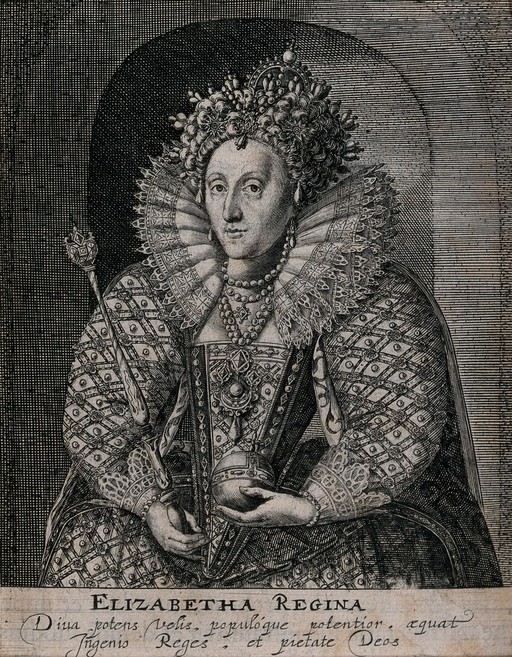
Queen Elizabeth I of England by Isaac Oliver
Isaac Oliver · 1620
 Painting
Primary source
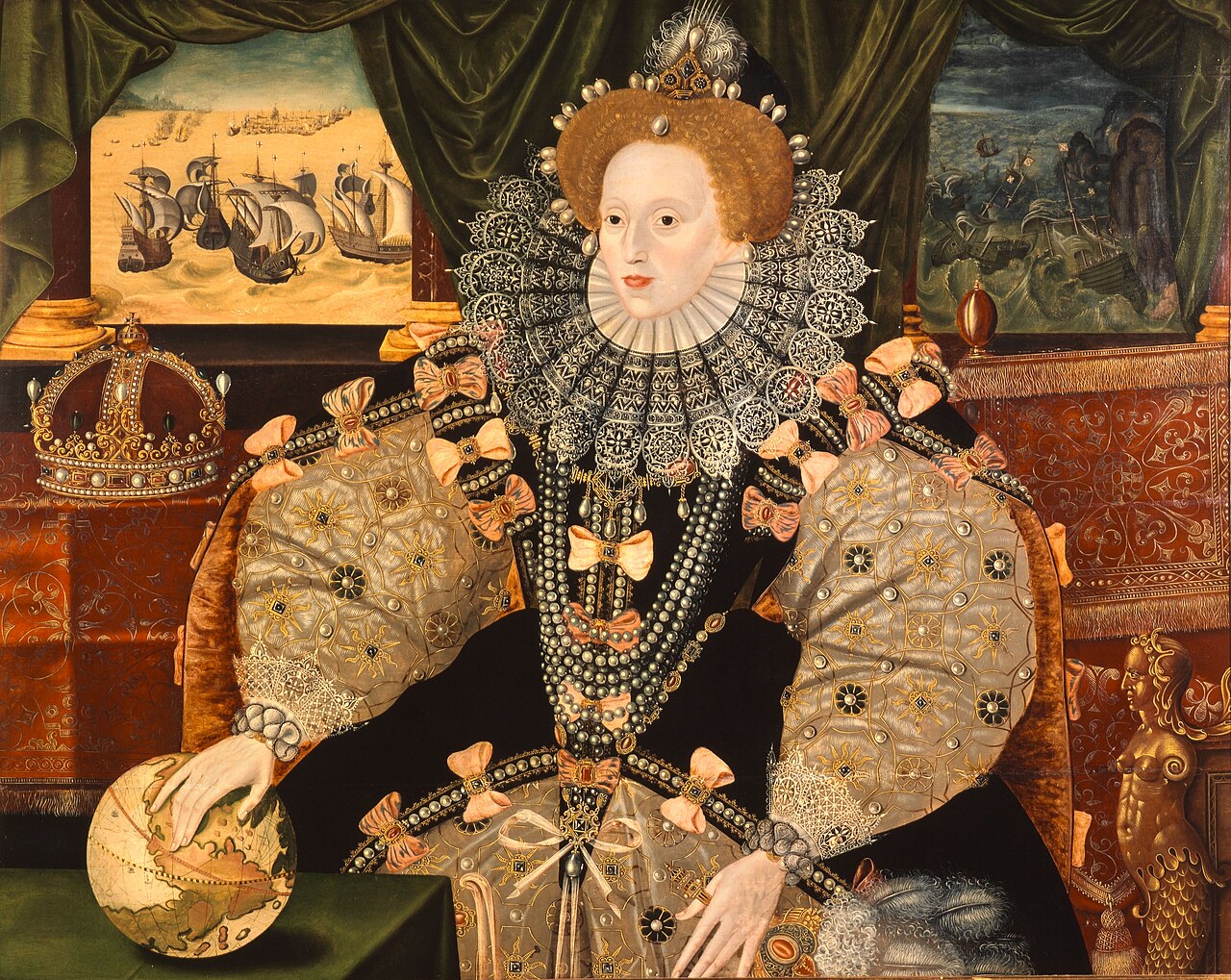
Armada Portrait
Unknown English artist · 1588
 Painting
Secondary source
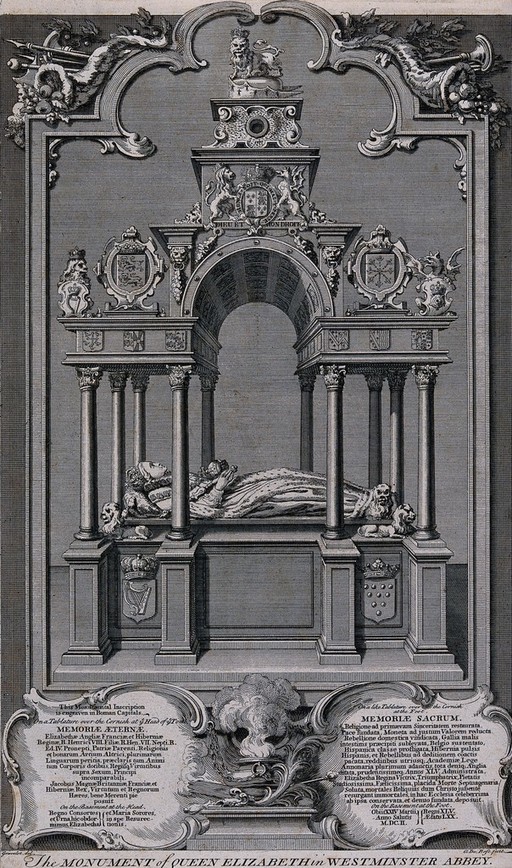
Monument to Queen Elizabeth I in Westminster Abbey
Hubert Francois Bourguignon d'Anville Gravelot
 Painting
Secondary source
Queen Elizabeth I in parliamentary robes
Isaac Oliver · 1600-1699
Ready when you are
Start chatting with Elizabeth I now.
20 messages free · No credit card · Available in 50+ languages.