


Secondary sourceArtifact
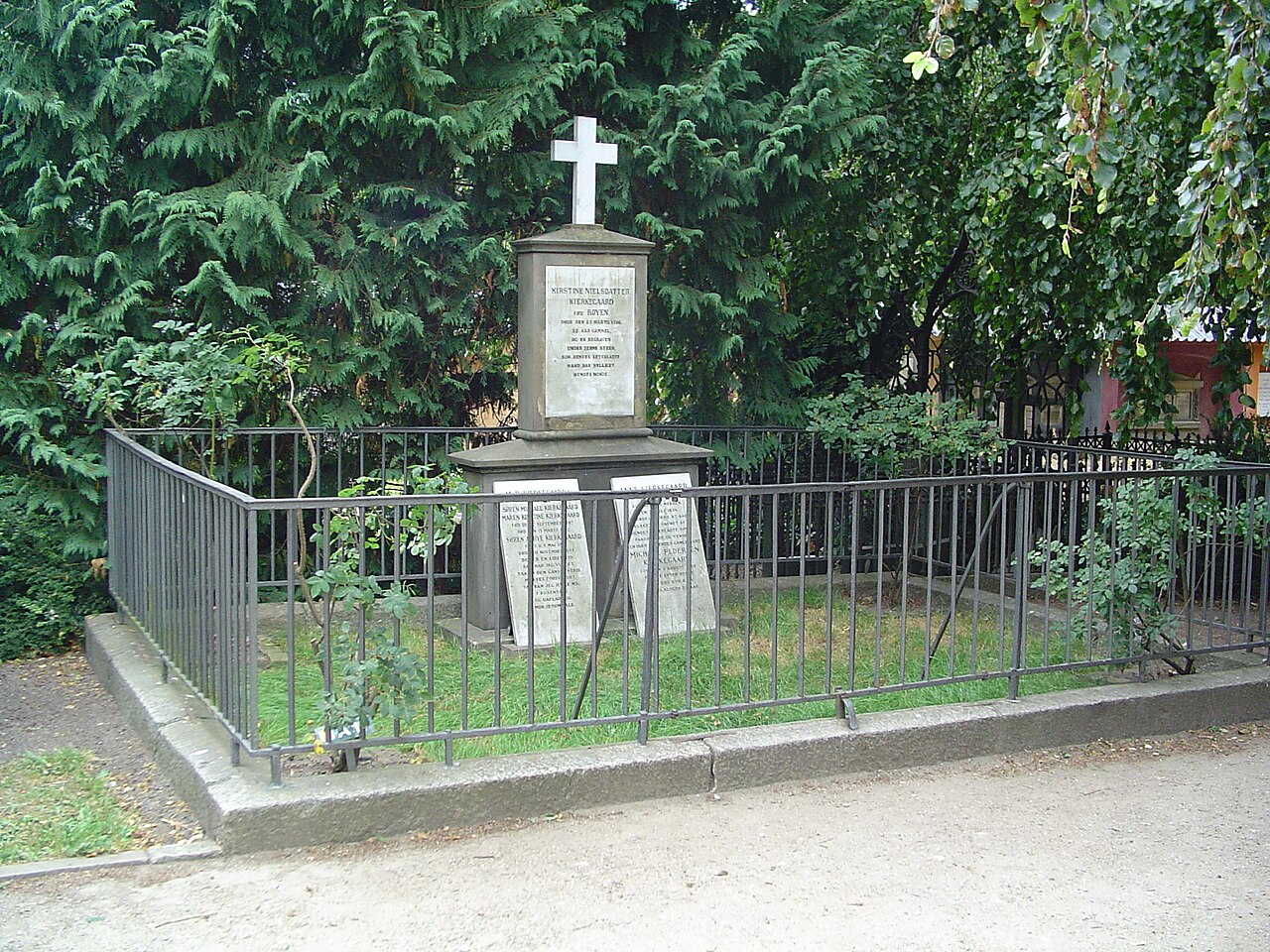
Tomb of Søren Kierkegaard
The family grave of Søren Kierkegaard at Assistens Cemetery in Copenhagen, where his funeral provoked a public protest.
This is Kierkegaard's own burial site, where his funeral sparked a protest against the church he had criticised.
About this source
What it is
This stone grave monument in Assistens Cemetery marks the burial plot of the Kierkegaard family, including Søren Kierkegaard. It is topped by a white stone cross and set within a fenced plot.
Why it matters
Kierkegaard's funeral in 1855 became a public event when his nephew protested against the official church, objecting to how the church was burying a man who had sharply criticised it in his final writings. The tomb stands as a quiet marker of a very public and controversial farewell.
Look closer
- Why might a family grave become the site of a public protest?
- What does the plain design of the monument suggest, compared to grander memorials for famous writers?
- What questions does a gravestone leave unanswered about a person's life and beliefs?
This artifact is part of the curated material that grounds the AI version of Søren Kierkegaard on Humy.ai — when students ask about related events, the AI can quote it and cite it.
More Søren Kierkegaard sources
Browse all 59 →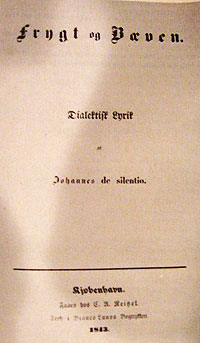 Book
Primary source
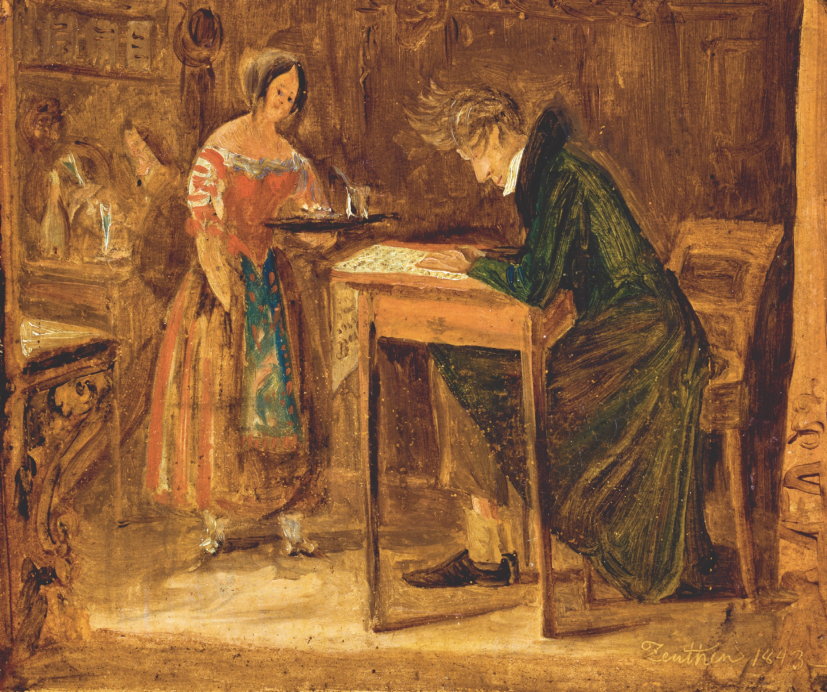
Fear and Trembling
Søren Kierkegaard · 1843
 Painting
Primary source
Kierkegaard
Niels Christian Kierkegaard · c. 1840
 Painting
Primary source
Søren Kierkegaard i Corsaren
1846
 Document
Primary source
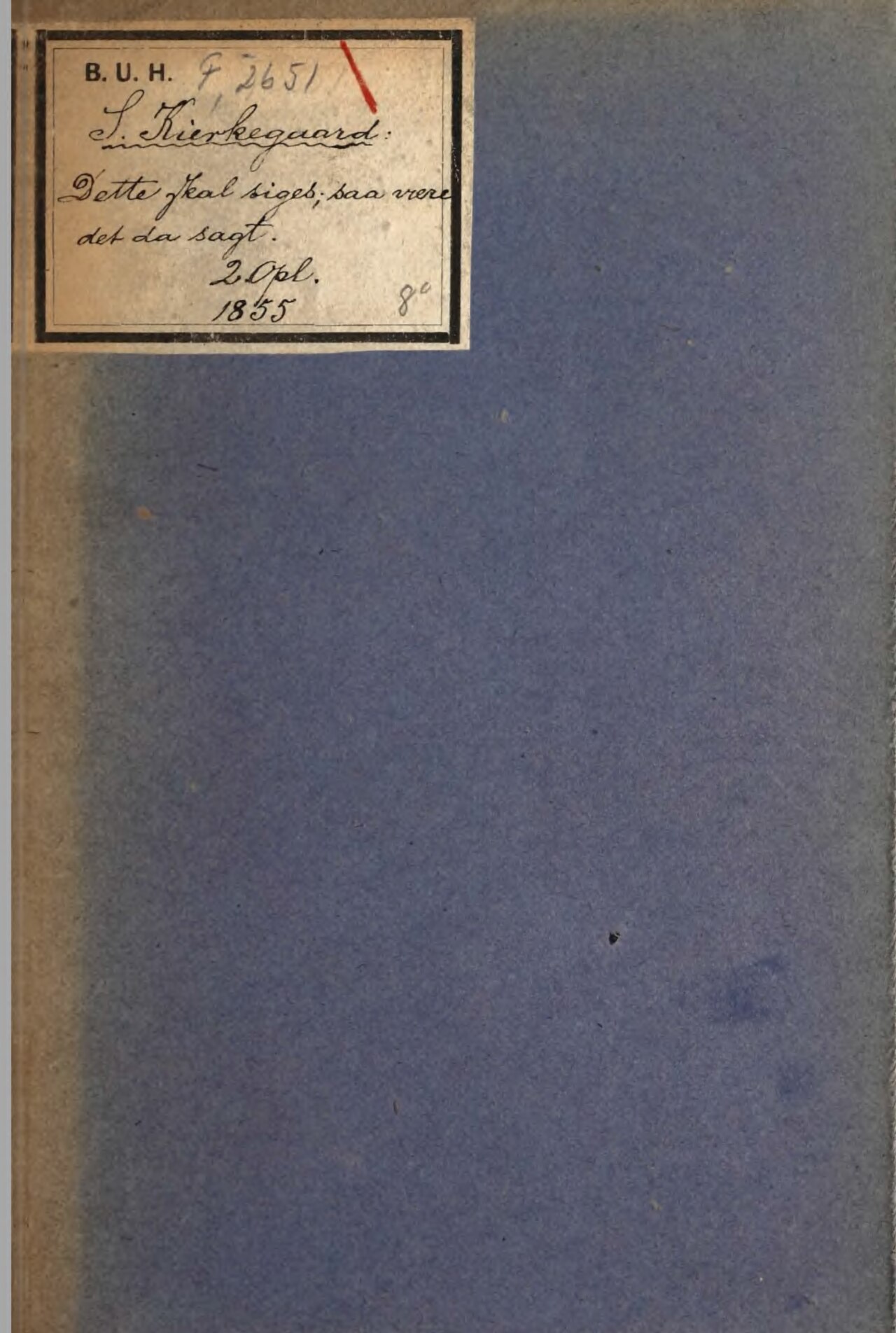
Dette skal siges; saa være det da sagt
Søren Kierkegaard · 1855
Free account
Read every Søren Kierkegaard source
Sign up free →
Ready when you are
Start chatting with Søren Kierkegaard now.
20 messages free · No credit card · Available in 50+ languages.