


Secondary sourceArtifact
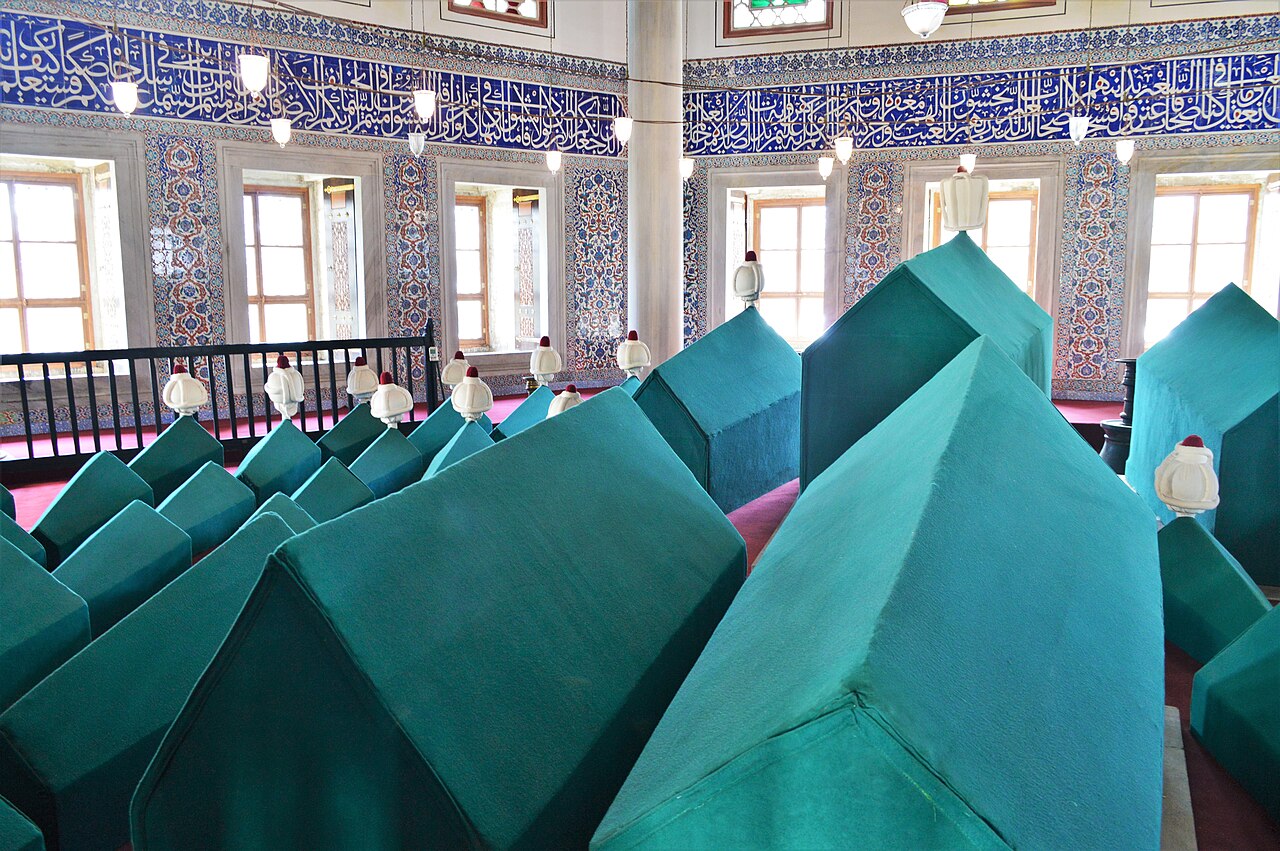
Tomb of Sultan Murad III
The domed mausoleum beside Hagia Sophia where Murad III is buried, also containing the graves of many of his sons later executed.
This is the final resting place of Murad III, who is also surrounded there by his executed sons.
About this source
What it is
This is the tomb of Sultan Murad III, built next to Hagia Sophia in Istanbul shortly after his death. The domed chamber is decorated with tilework and houses multiple sarcophagi.
Why it matters
Beyond commemorating Murad III, the tomb also holds many of his sons, who were executed under his successor Mehmed III as part of the Ottoman practice of dynastic fratricide, where new sultans eliminated rival brothers to secure the throne. The building is therefore both a monument to Murad's reign and a stark reminder of the deadly politics of royal succession in the Ottoman Empire.
Look closer
- What does the number of sarcophagi inside suggest about the fate of Murad's many sons?
- Why might a tomb built for one sultan end up holding the remains of family members who died violently?
- What feelings do the decorated tiles and calligraphy aim to create in visitors to this space?
This artifact is part of the curated material that grounds the AI version of Murad III on Humy.ai — when students ask about related events, the AI can quote it and cite it.
More Murad III sources
Browse all 80 →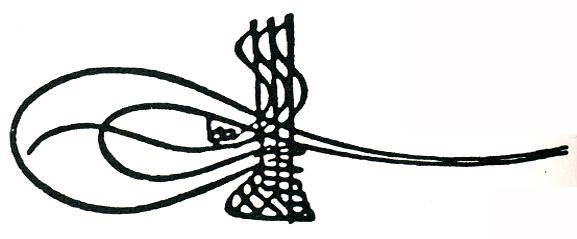 Artifact
Primary source
Tughra of Murad III
Unknown court calligrapher
 Painting
Primary source
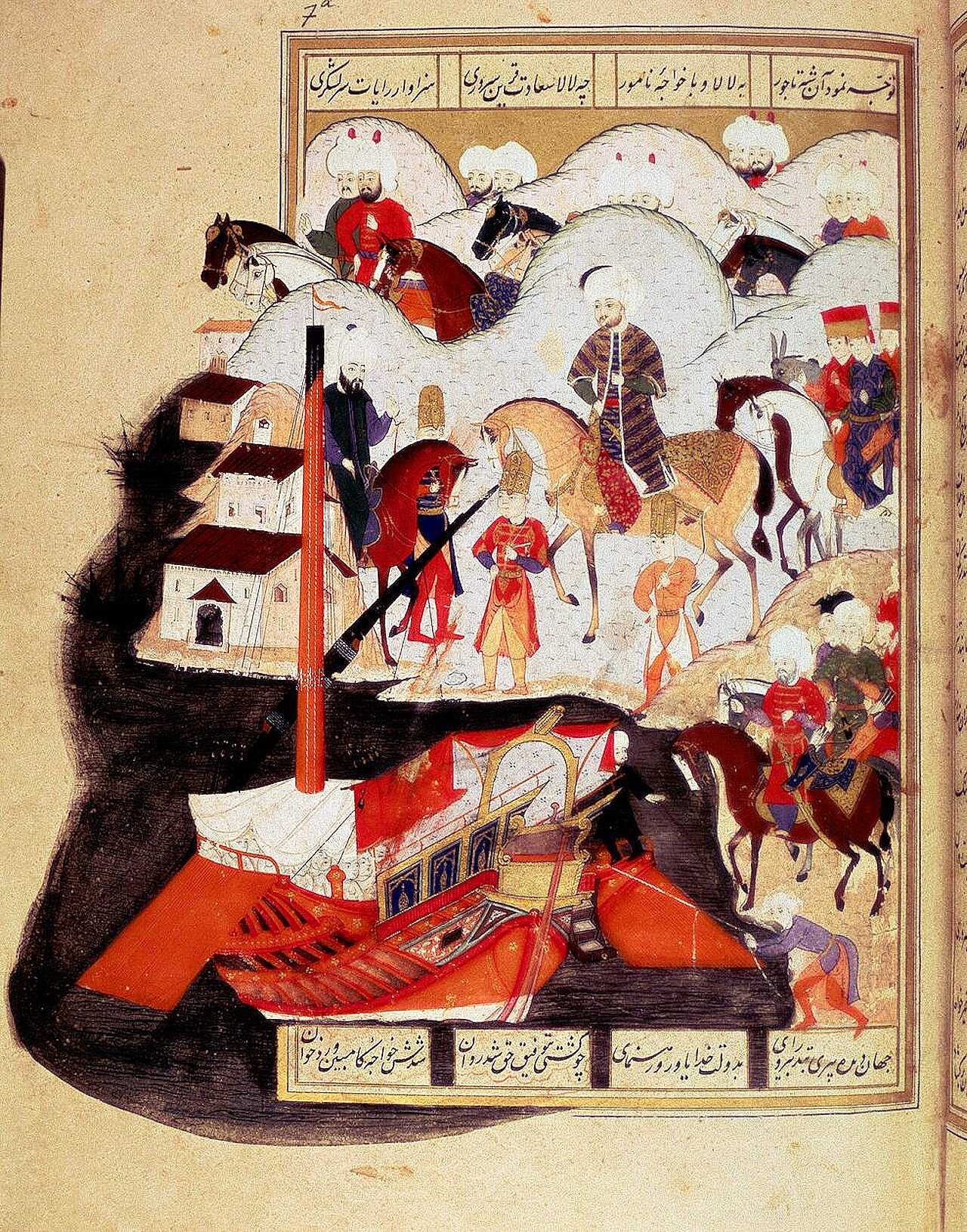
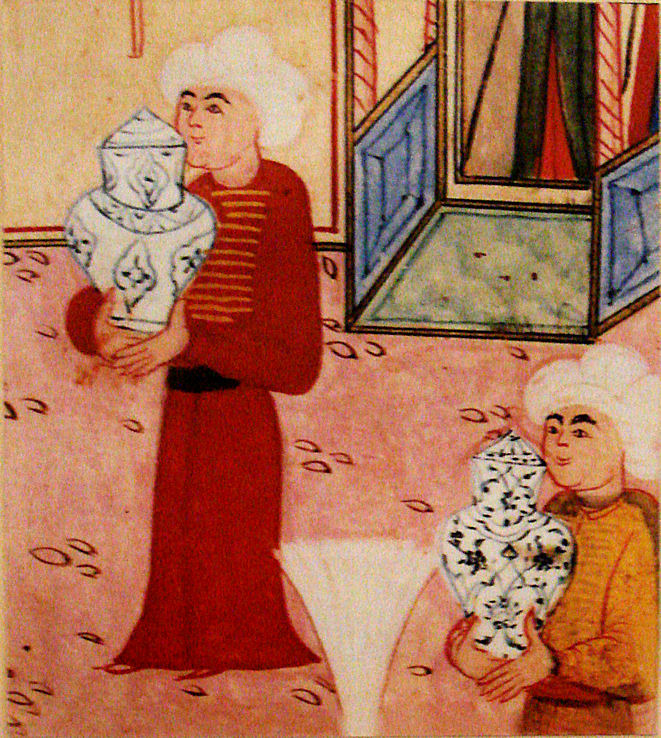
Sultan Murad III Visiting the Port of Constantinople
1592
 Painting
Primary source
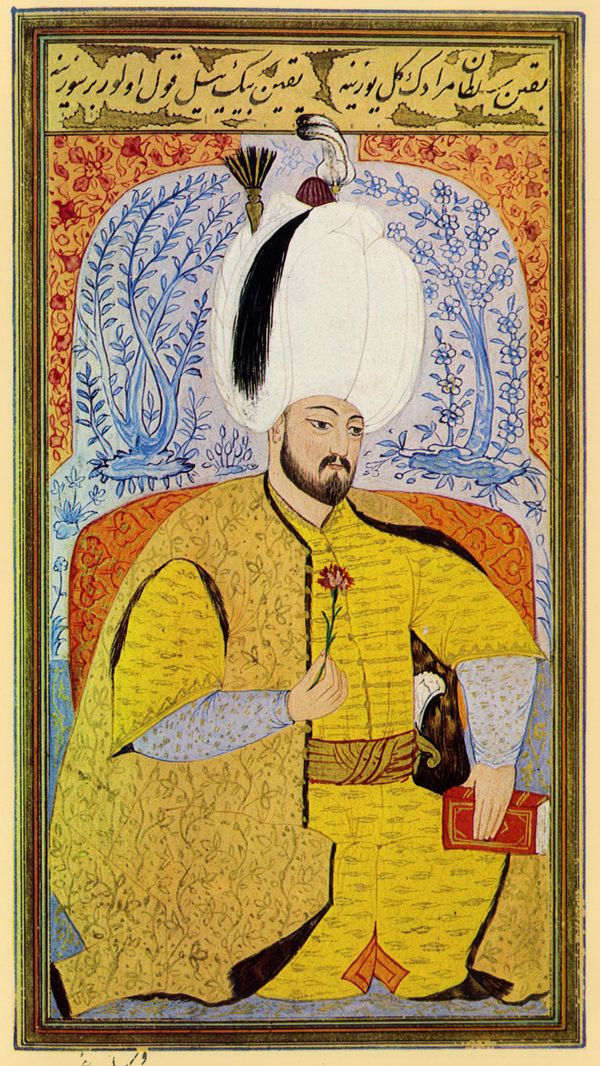
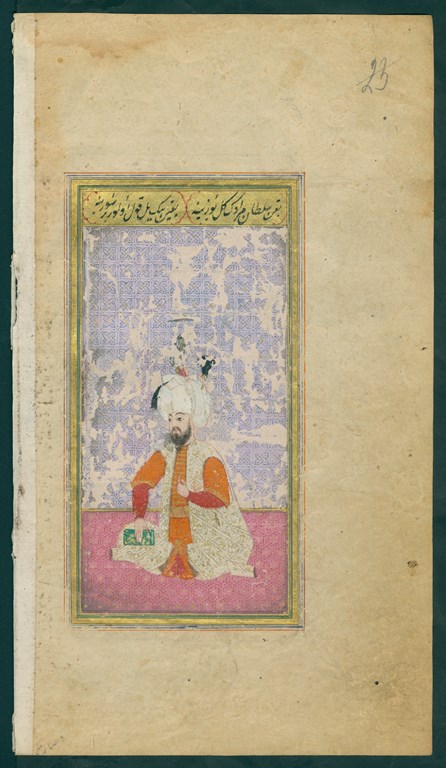
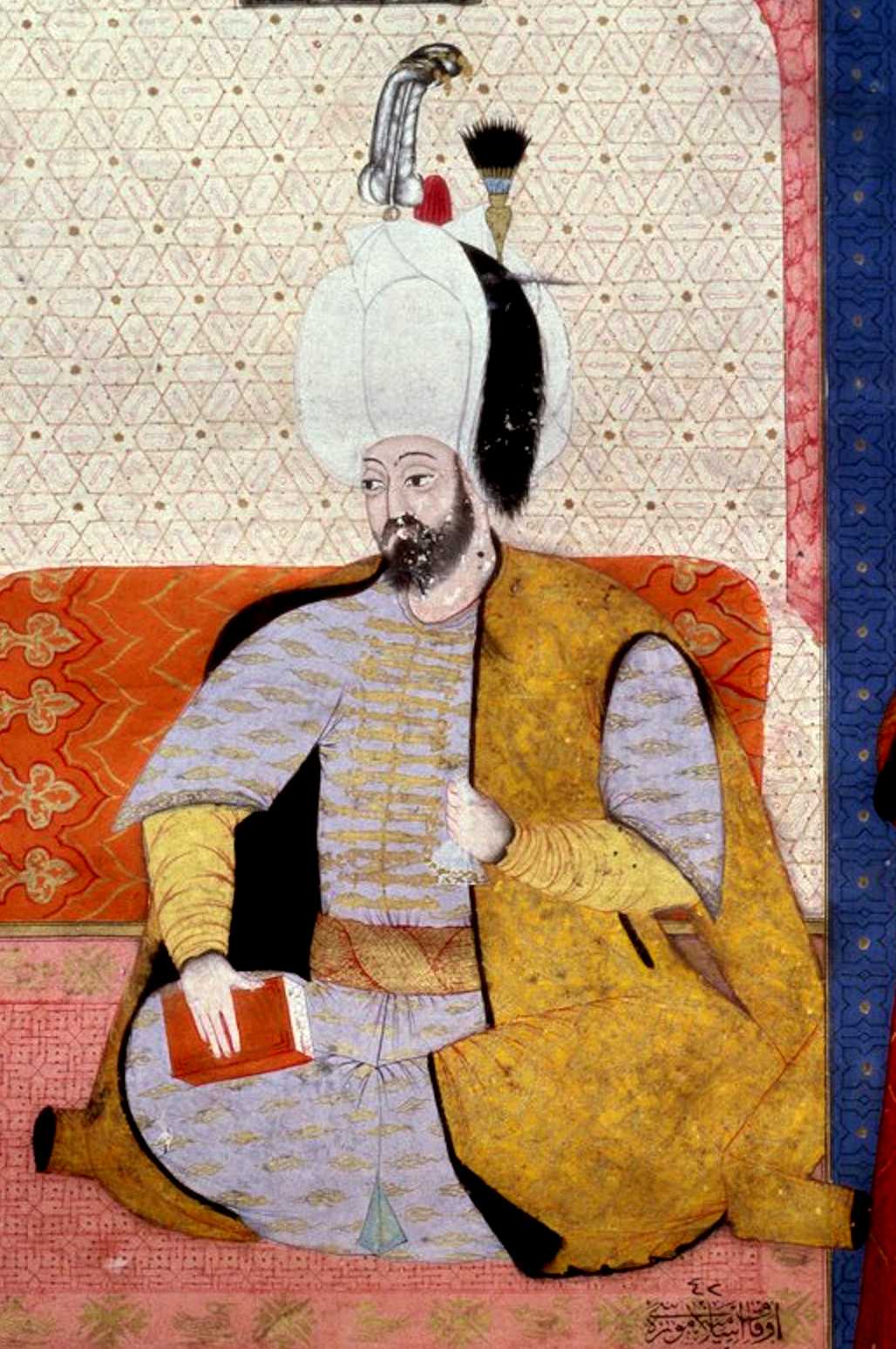
Portrait of Murad III
 Letter
Primary source
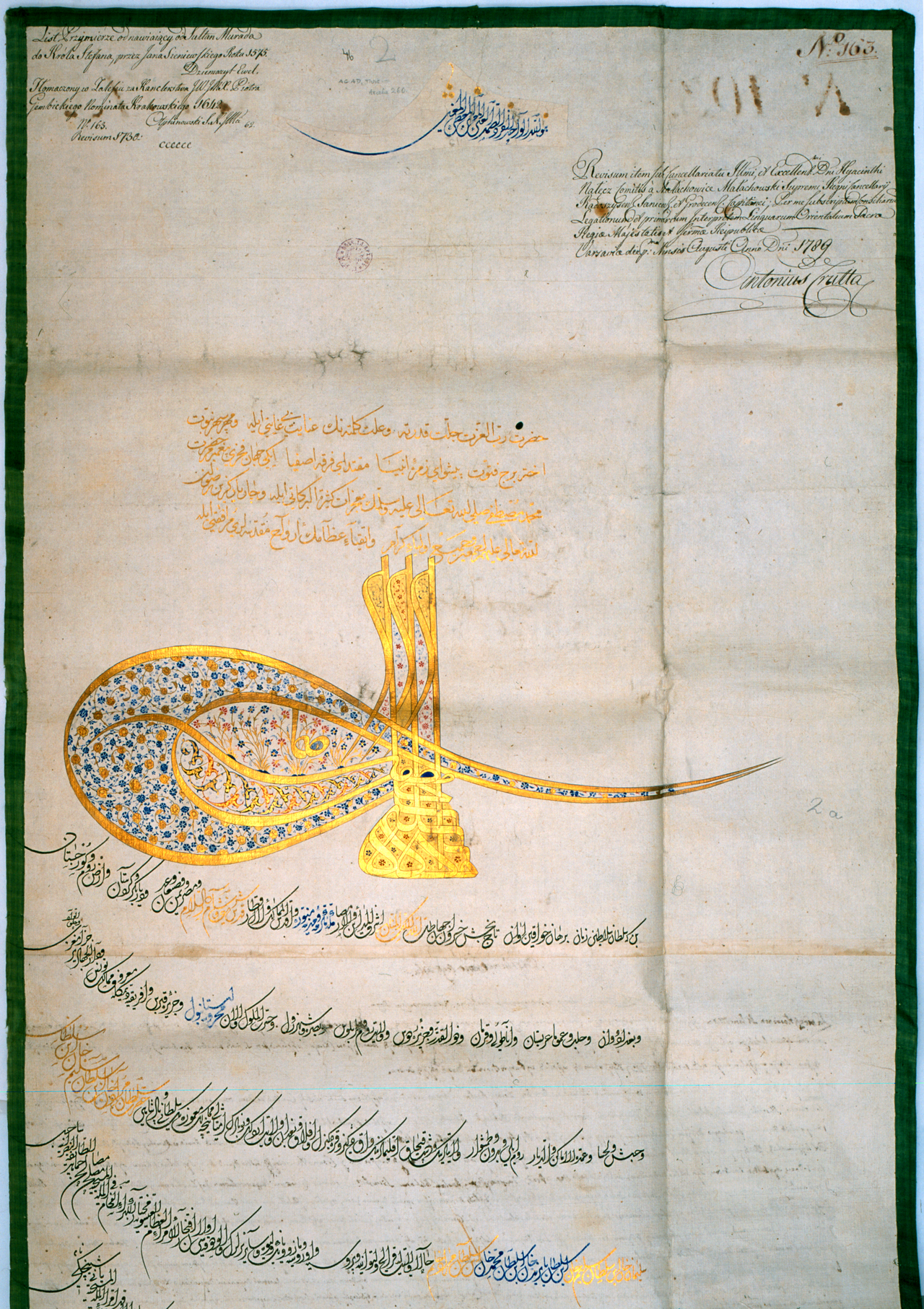
Letter from Murad III to Stefan Batory
Murad III
Free account
Read every Murad III source
Sign up free →
Ready when you are
Start chatting with Murad III now.
20 messages free · No credit card · Available in 50+ languages.