


Secondary sourcePhotograph24 August 2014
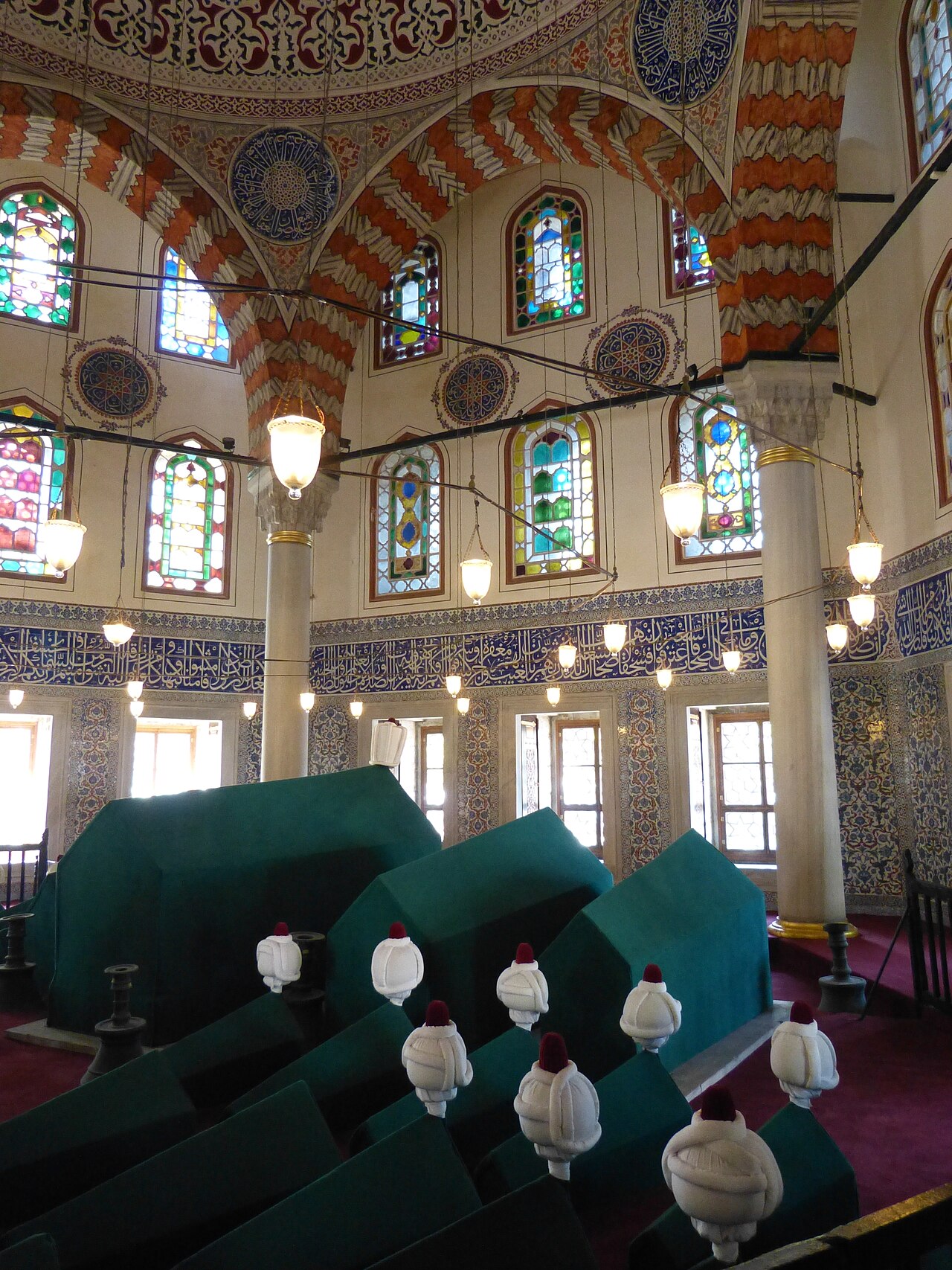
Tomb of Sultan Murad III, Hagia Sophia
Mogadir · 24 August 2014
A 2014 photograph of the türbe (mausoleum) where Murad III is buried, next to Hagia Sophia in Istanbul.
This is the burial place of Murad III, built to commemorate him after his death in 1595.
About this source
What it is
This photograph, taken in 2014, shows the interior of the türbe (tomb building) of Sultan Murad III, located beside Hagia Sophia in Istanbul. The chamber is domed and octagonal, decorated with striped arches, stained glass, and tiled inscription bands, with sarcophagi draped in green velvet and topped with turbans.
Why it matters
Royal tombs like this one were built to honor sultans after death and to remind visitors of their status. The style and decoration reflect Ottoman artistic traditions of the late 16th century. As a modern photograph of a historic monument, it lets students see how rulers were commemorated long after their reign ended.
Look closer
- What do the materials and decoration suggest about how important this person was considered?
- Why might a sultan's tomb be placed so close to a major religious building like Hagia Sophia?
- What does a tomb tell us about a ruler that a portrait or document cannot?
This photograph is part of the curated material that grounds the AI version of Murad III on Humy.ai — when students ask about related events, the AI can quote it and cite it.
More Murad III sources
Browse all 80 →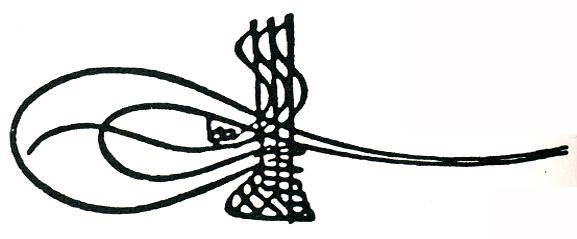 Artifact
Primary source
Tughra of Murad III
Unknown court calligrapher
 Painting
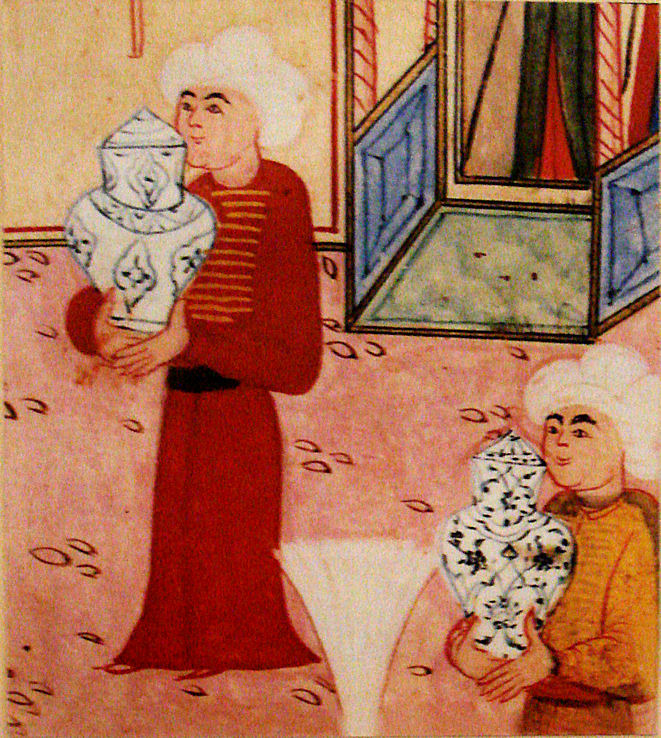
Primary source
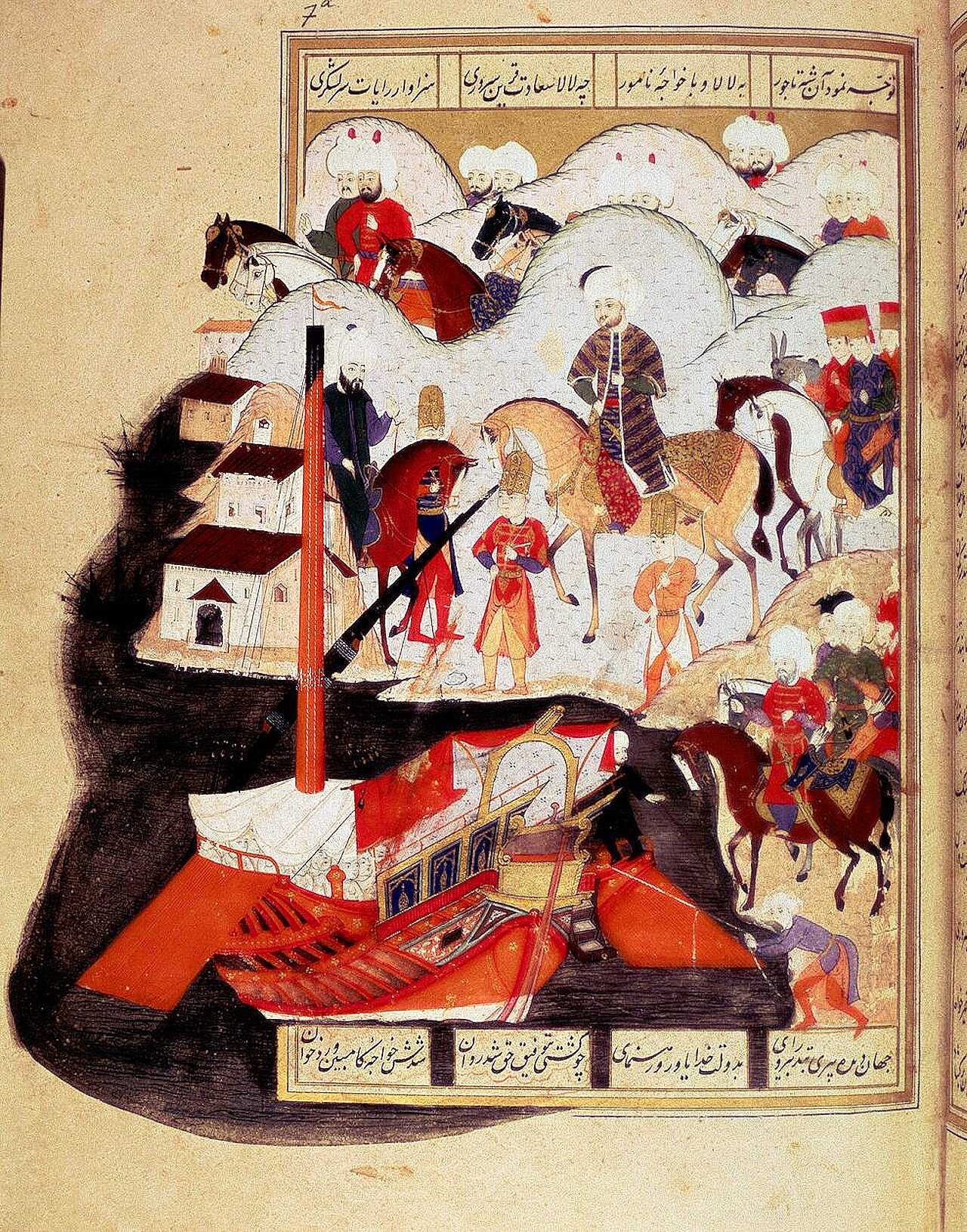
Sultan Murad III Visiting the Port of Constantinople
1592
 Painting
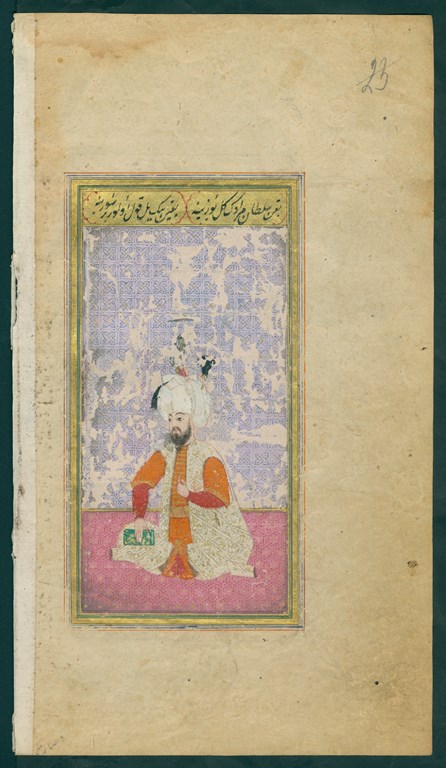
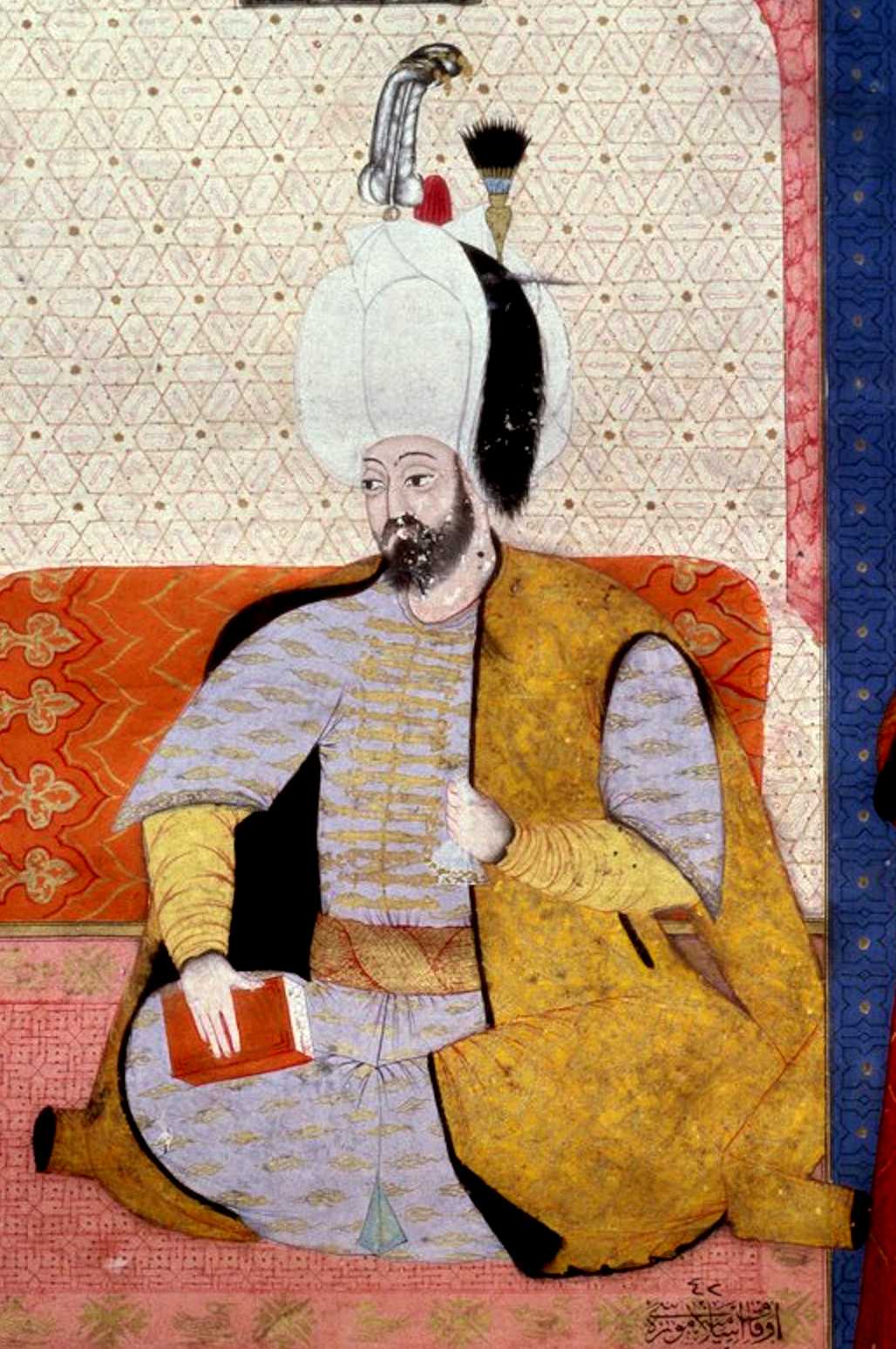
Primary source
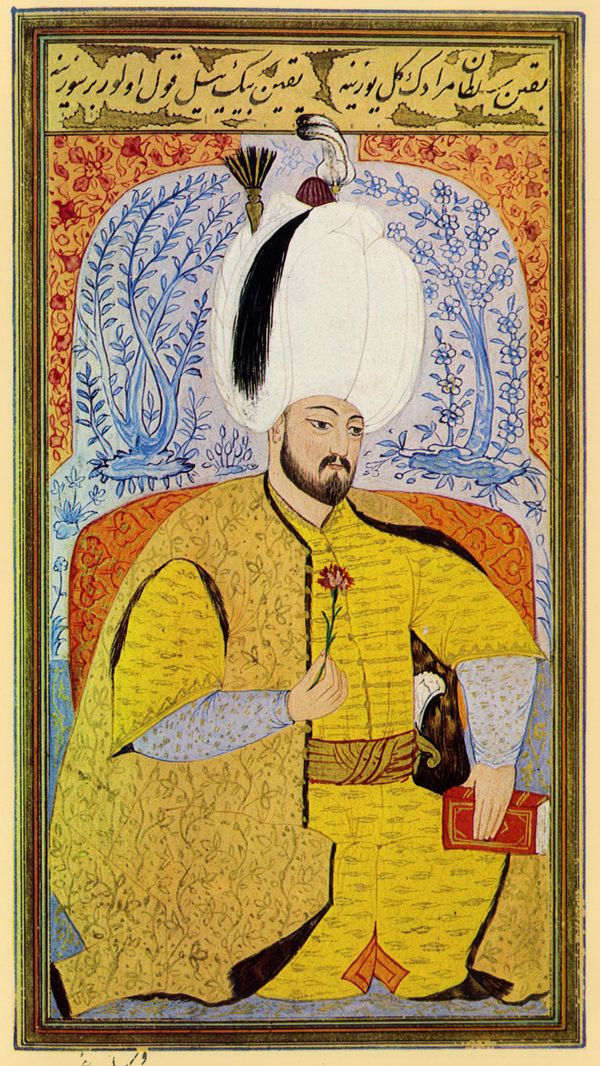
Portrait of Murad III
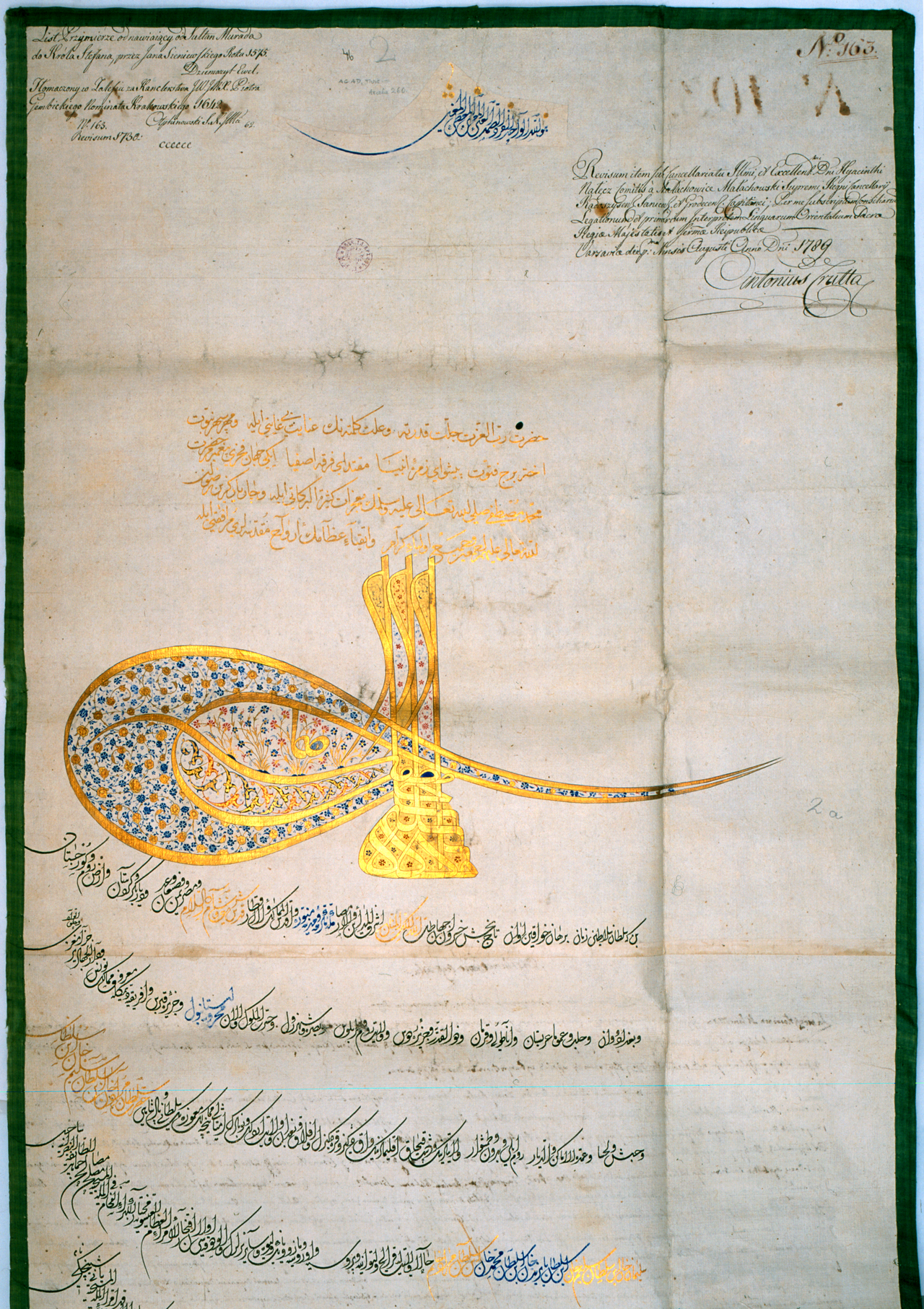 Letter
Primary source
Letter from Murad III to Stefan Batory
Murad III
Free account
Read every Murad III source
Sign up free →
Ready when you are
Start chatting with Murad III now.
20 messages free · No credit card · Available in 50+ languages.