


Secondary sourceArtifact1614 (reburial)
Tomb of Yi Sun-sin
1614 (reburial)
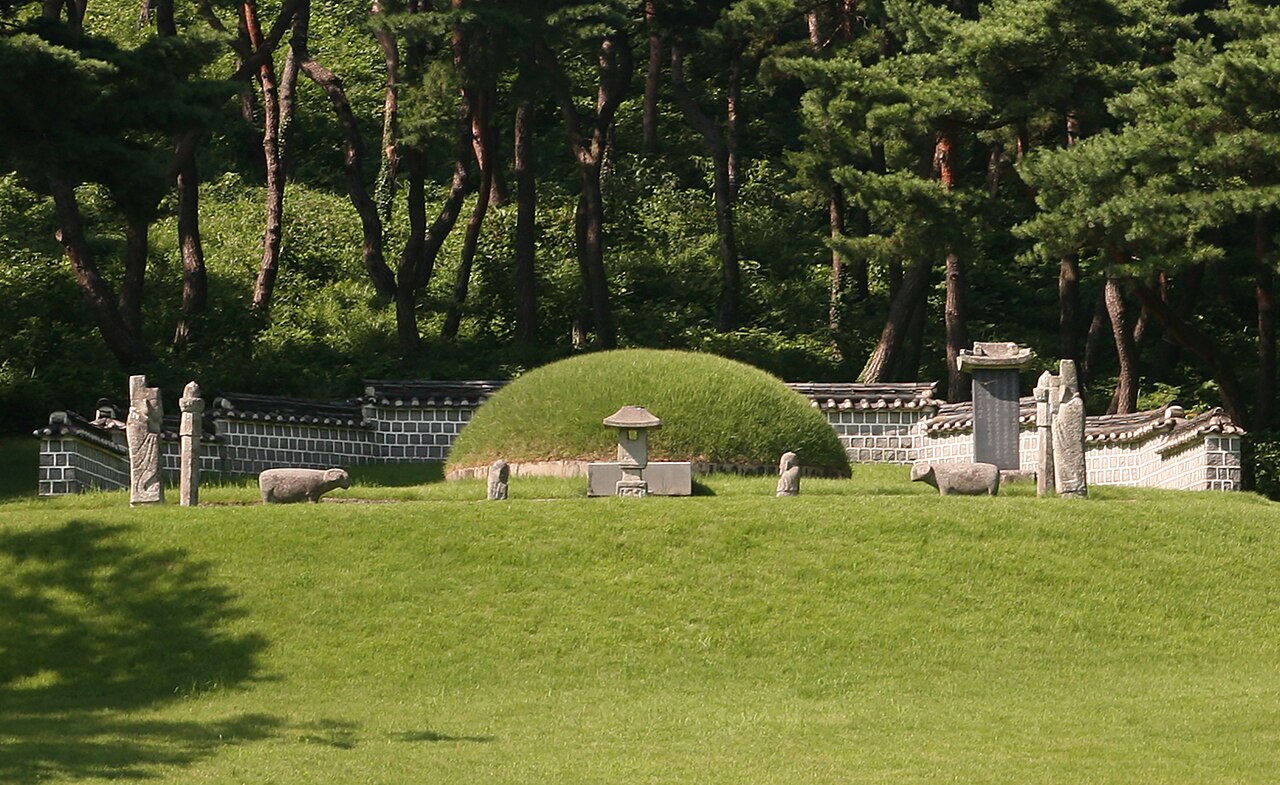
The burial mound of Yi Sun-sin in Asan, where he was reburied in 1614.
This is Yi Sun-sin's tomb, the primary memorial site of his death and family after his reburial in 1614.
About this source
What it is
This is the tomb of Yi Sun-sin in Asan, South Korea: a grassy, dome-shaped burial mound surrounded by a low stone wall, with stone lanterns, stone sheep figures, stone pillars and a monument stele set before it. Yi was reburied here in 1614.
Why it matters
As the primary memorial site connected to Yi Sun-sin's death and family, the tomb is one of the most direct physical links to the end of his life after his death fighting Japanese invasion forces. The style of the tomb, with its traditional stone guardians and monument, follows the customs used to honour important Joseon officials and military figures.
Look closer
- What do the stone figures and lantern around the tomb suggest about the status of the person buried there?
- Why might someone be reburied years after their death?
- What does a tomb like this tell us, and what does it leave out, about a person's life?
This artifact is part of the curated material that grounds the AI version of Yi Sun-sin on Humy.ai — when students ask about related events, the AI can quote it and cite it.
More Yi Sun-sin sources
Browse all 44 →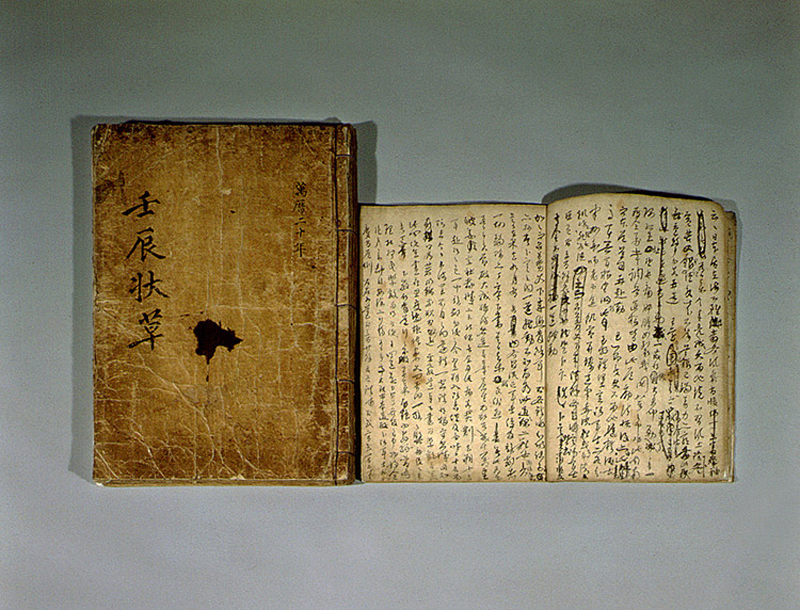 Diary entry
Primary source
Nanjung Ilgi (War Diary of Yi Sun-sin)
Yi Sun-sin · 1592–1598
 Artifact
Primary source
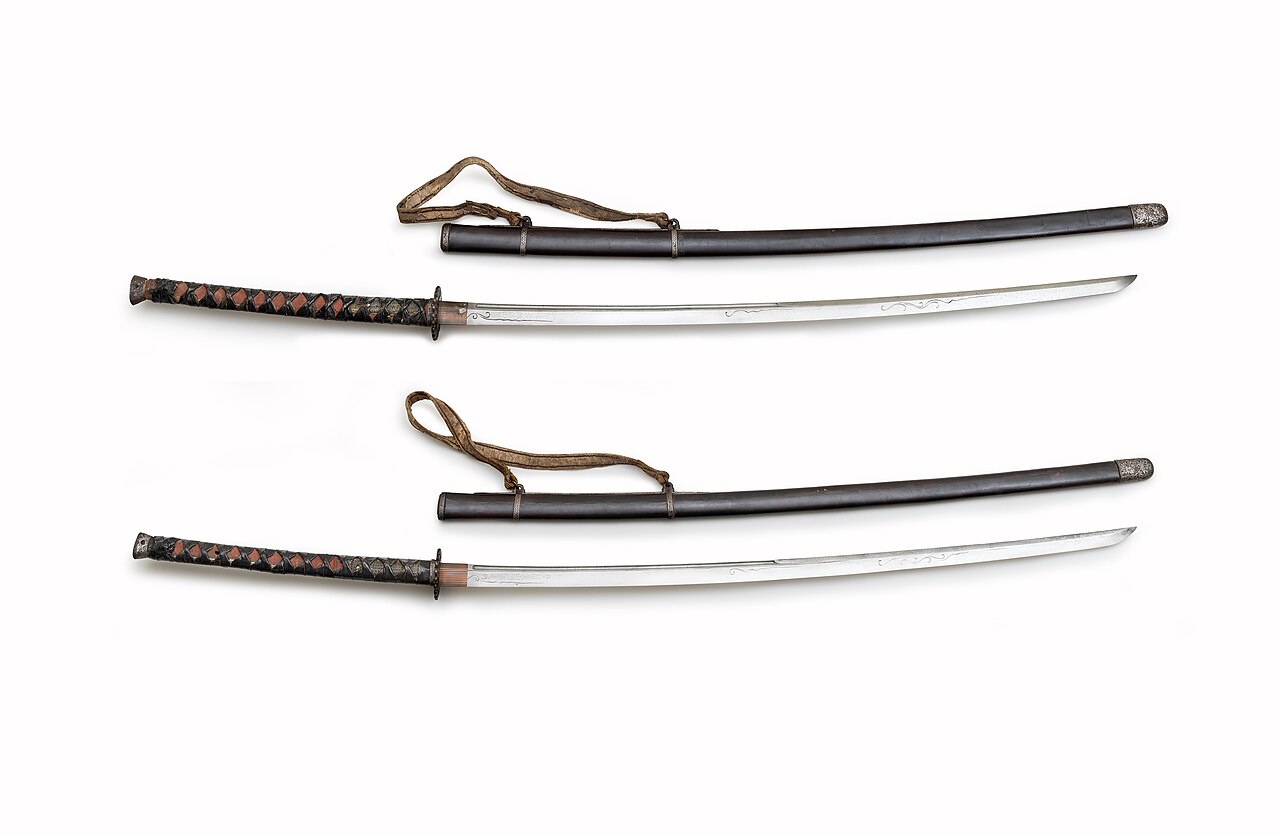
Yi Sun-sin's Long Swords
1594
 Document
Primary source
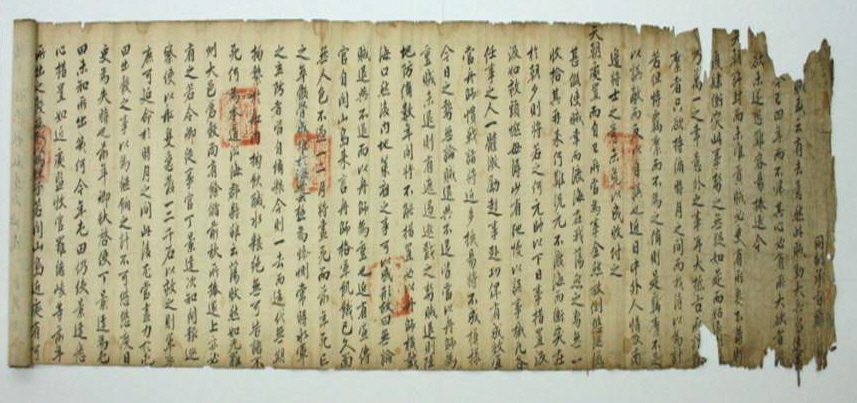
Royal Order to Yi Sun-sin on Military Farms
21 January 1595
 Artifact
Primary source
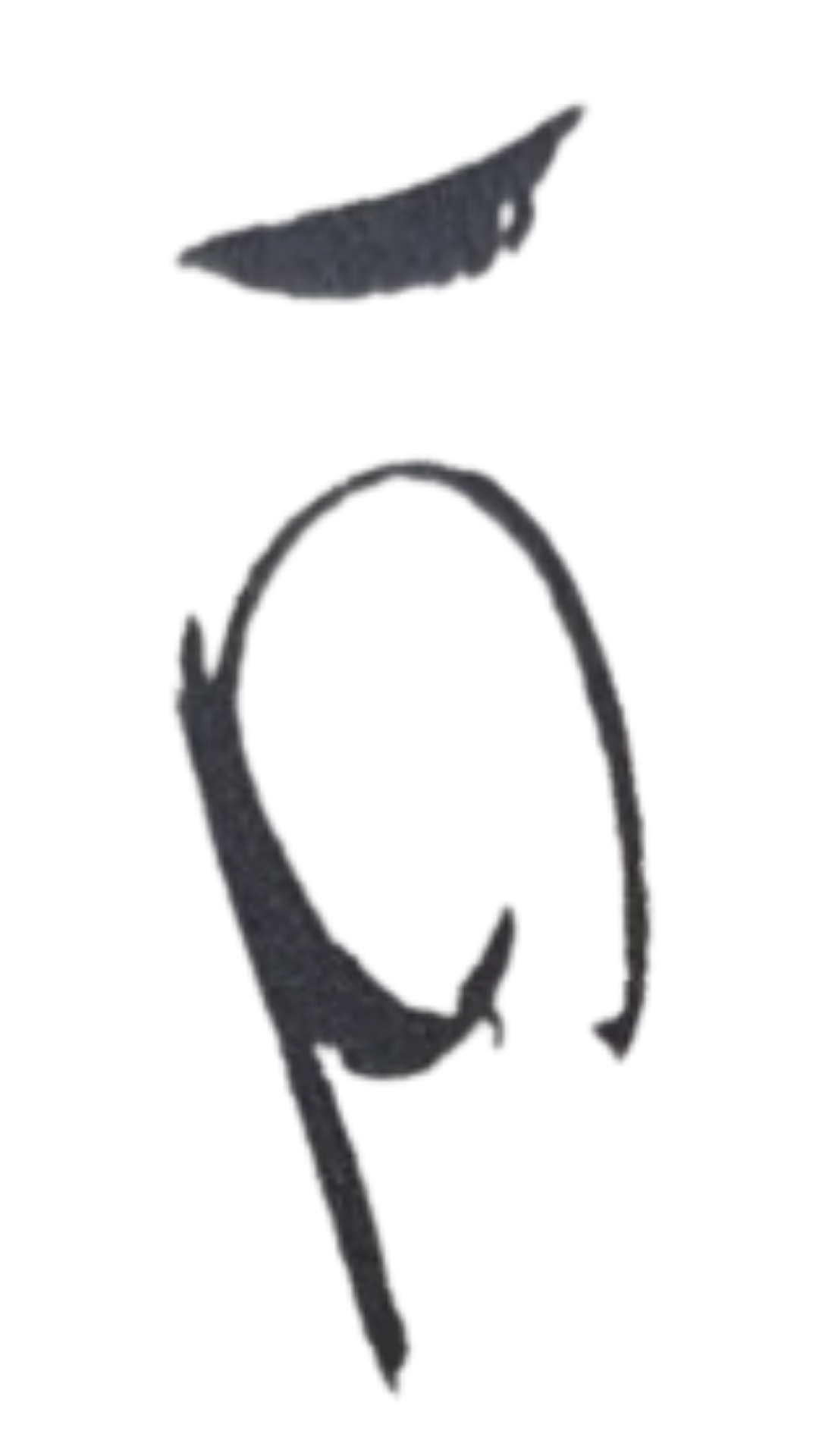
Signature of Yi Sun-sin
Yi Sun-sin
Free account
Read every Yi Sun-sin source
Sign up free →
Ready when you are
Start chatting with Yi Sun-sin now.
20 messages free · No credit card · Available in 50+ languages.