


Primary sourcePainting1876
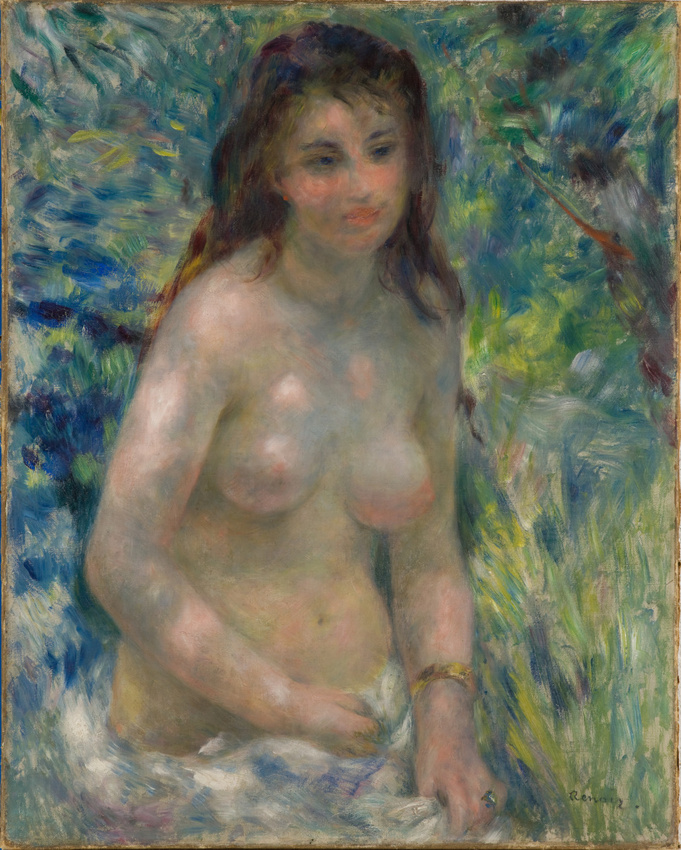
Torse, effet de soleil
Pierre-Auguste Renoir · 1876
A nude outdoor portrait by Renoir, famous for the harsh criticism it received when first shown in 1876.
Painted by Renoir, this nude became a symbol of the hostile criticism Impressionist painters faced.
About this source
What it is
An oil painting by Pierre-Auguste Renoir from 1876, showing a nude young woman seated outdoors, her skin painted in dappled patches of sunlight and shadow. It is held at the Musée d'Orsay in Paris.
Why it matters
When first exhibited, the painting was attacked by the critic Albert Wolff, who described the dappled flesh tones as looking like 'decomposing flesh'. This hostile reaction is a famous example of how shocking the Impressionists' new way of painting light and skin seemed to contemporary audiences. It shows Renoir experimenting with how sunlight breaks up color on the human body, a key idea of Impressionism.
Look closer
- Why might the broken, colorful brushstrokes on the skin have upset viewers used to smooth, polished nudes?
- What does the harsh critical response tell us about expectations for art in the 1870s?
- How does the outdoor setting change the usual studio nude painting tradition?
This painting is part of the curated material that grounds the AI version of Pierre-Auguste Renoir on Humy.ai — when students ask about related events, the AI can quote it and cite it.
More Pierre-Auguste Renoir sources
Browse all 97 →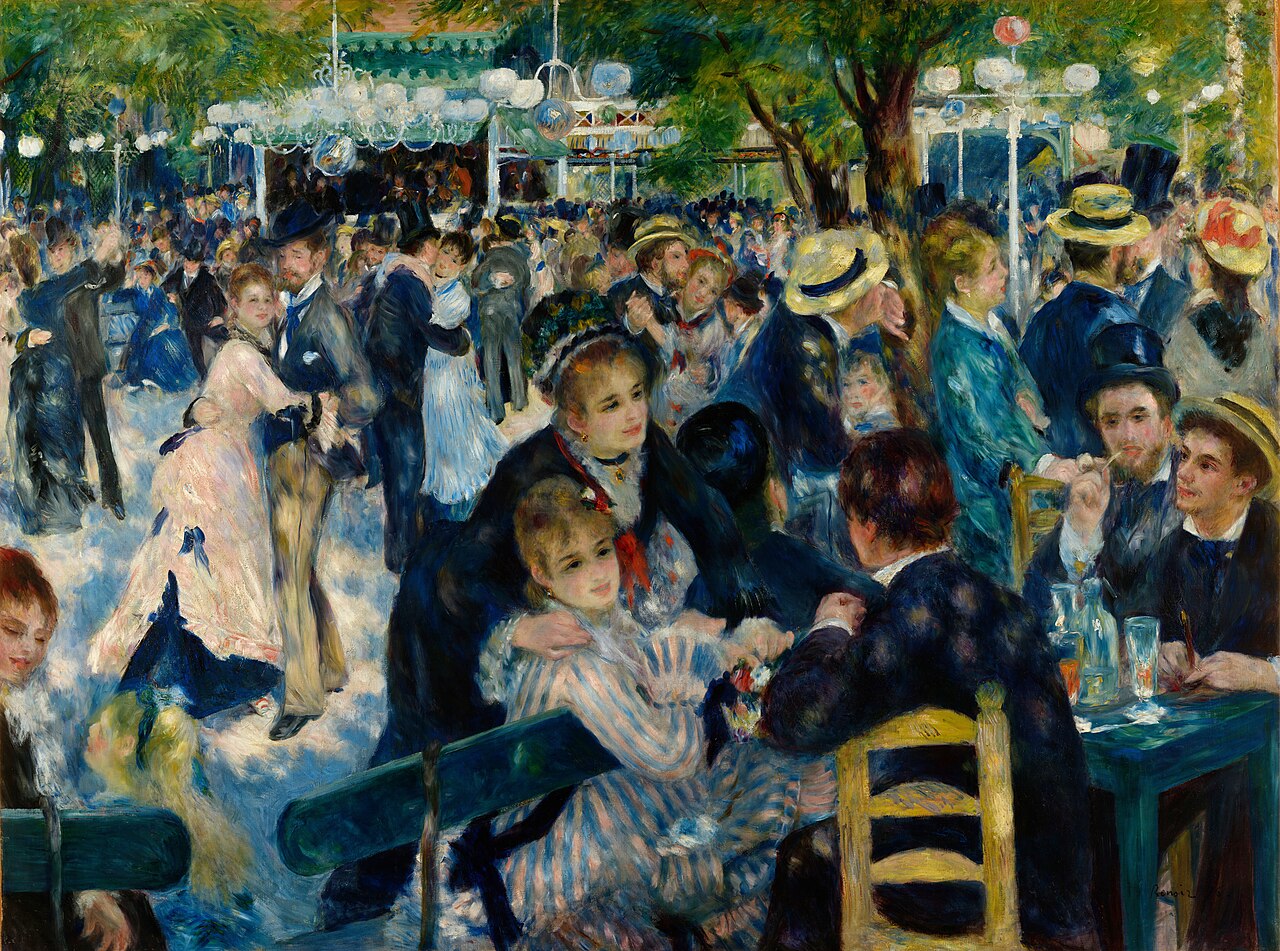 Painting
Primary source
Bal du moulin de la Galette
Pierre-Auguste Renoir · 1876
 Painting
Primary source
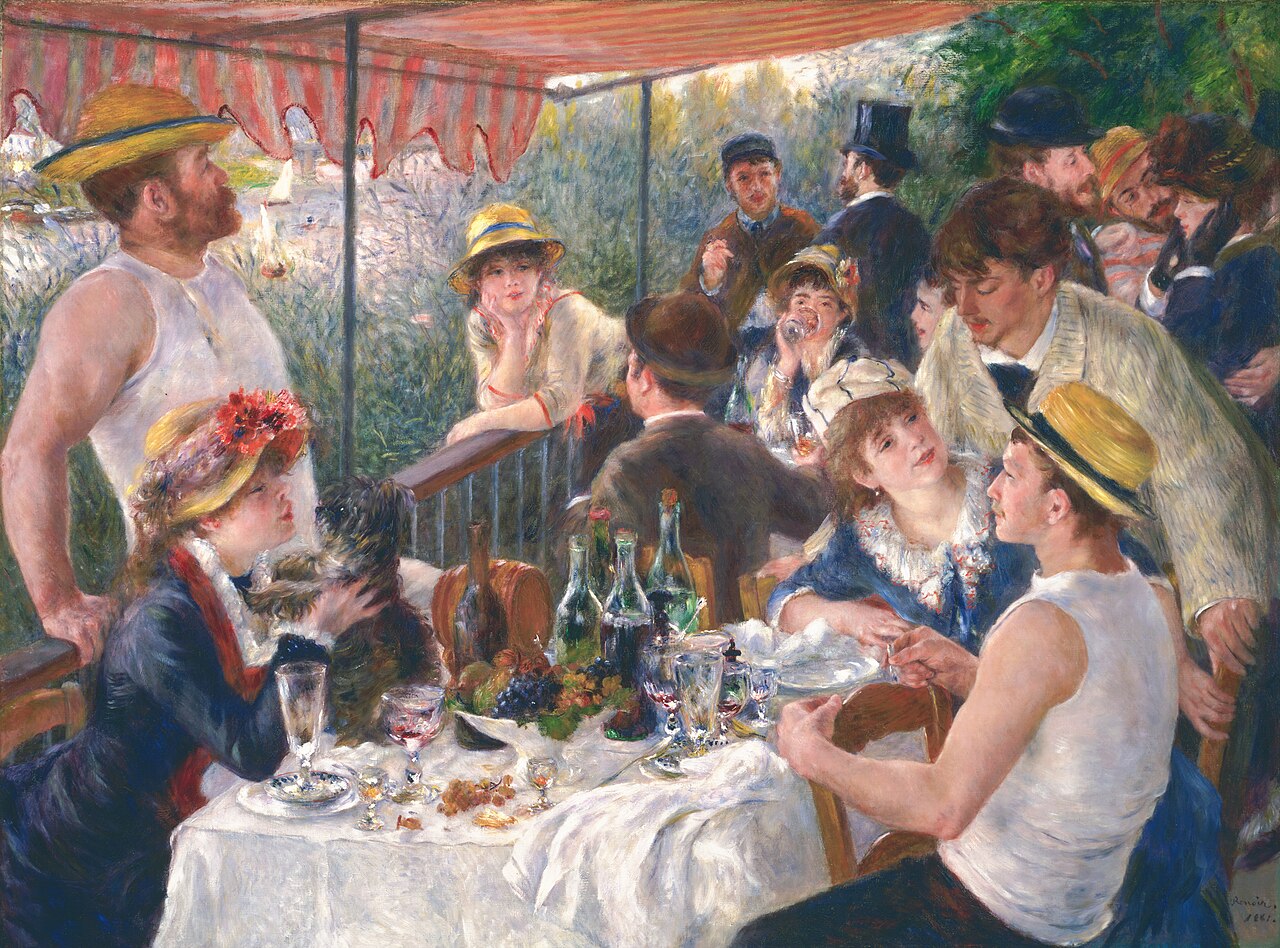
Luncheon of the Boating Party
Pierre-Auguste Renoir · 1880-1881
 Painting
Primary source
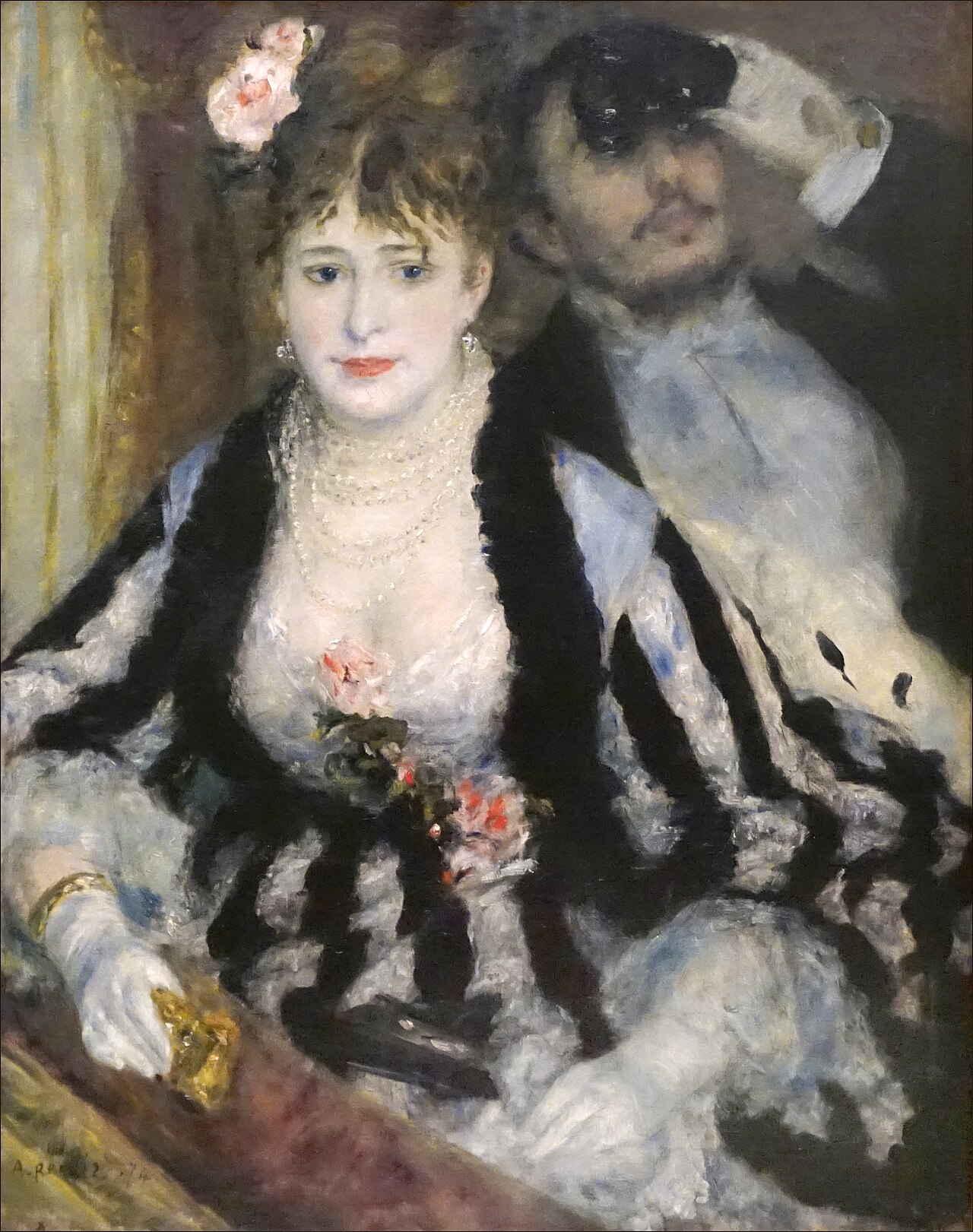
La Loge
Pierre-Auguste Renoir · 1874
 Painting
Primary source
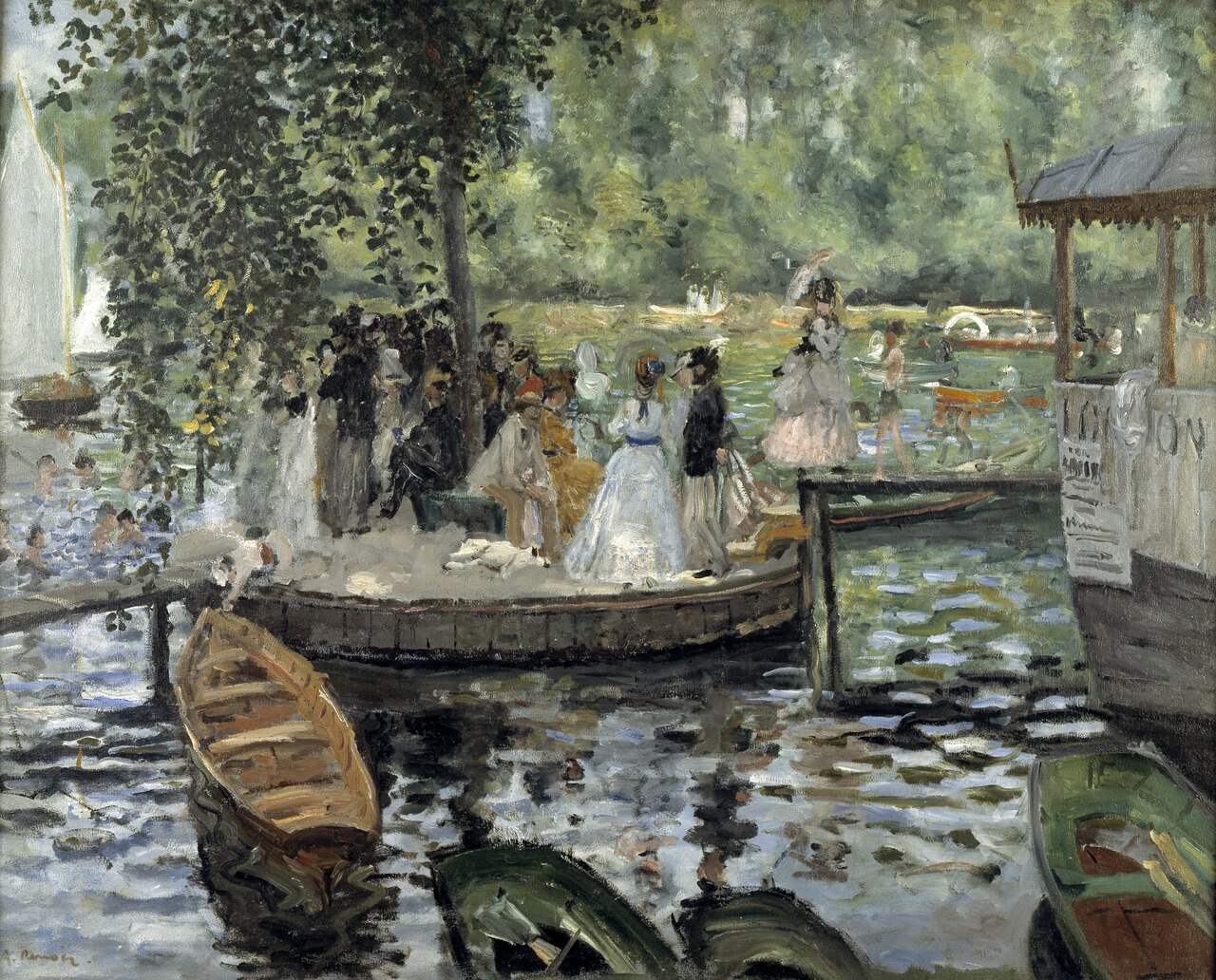
La Grenouillère
Pierre-Auguste Renoir · 1869
Free account
Read every Pierre-Auguste Renoir source
Sign up free →
Ready when you are
Start chatting with Pierre-Auguste Renoir now.
20 messages free · No credit card · Available in 50+ languages.