


Primary sourceDocument1849 (revised 1853, 1859)
Totentanz
Franz Liszt · 1849 (revised 1853, 1859)
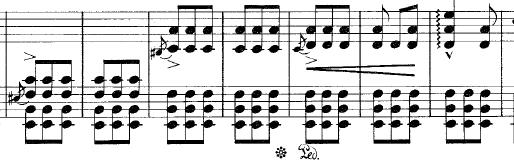
A set of variations for piano and orchestra on the Dies irae chant, reflecting Liszt's lifelong fascination with death.
Totentanz was composed by Liszt and reflects his personal fascination with death and the macabre.
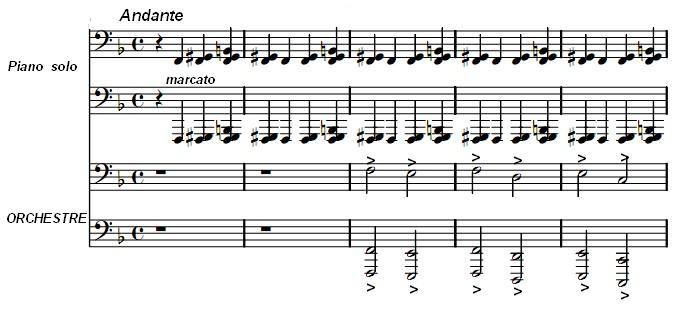
About this source
What it is
Franz Liszt first planned this work for solo piano and orchestra in 1838, completed and published it in 1849, and revised it again in 1853 and 1859. It is based on the medieval Gregorian chant melody Dies irae.
Why it matters
Totentanz is one of several Liszt works with titles touching on death, reflecting what biographers describe as his fascination with death, religion and the macabre. It was reportedly inspired partly by a medieval fresco he saw in Pisa and by Berlioz's Symphonie fantastique, which also uses the Dies irae theme, showing how Liszt absorbed ideas from both visual art and the music of contemporaries like Berlioz. It was later dedicated to and premiered by his student Hans von Bülow.
Look closer
- Why might a composer be drawn to writing variations on a medieval chant associated with death and judgment?
- What does the long gap between Liszt's first sketches and the finished work suggest about how he composed?
- How might seeing a fresco of death have shaped a piece of music, and what can music show that a painting cannot?
This document is part of the curated material that grounds the AI version of Franz Liszt on Humy.ai — when students ask about related events, the AI can quote it and cite it.
More Franz Liszt sources
Browse all 87 →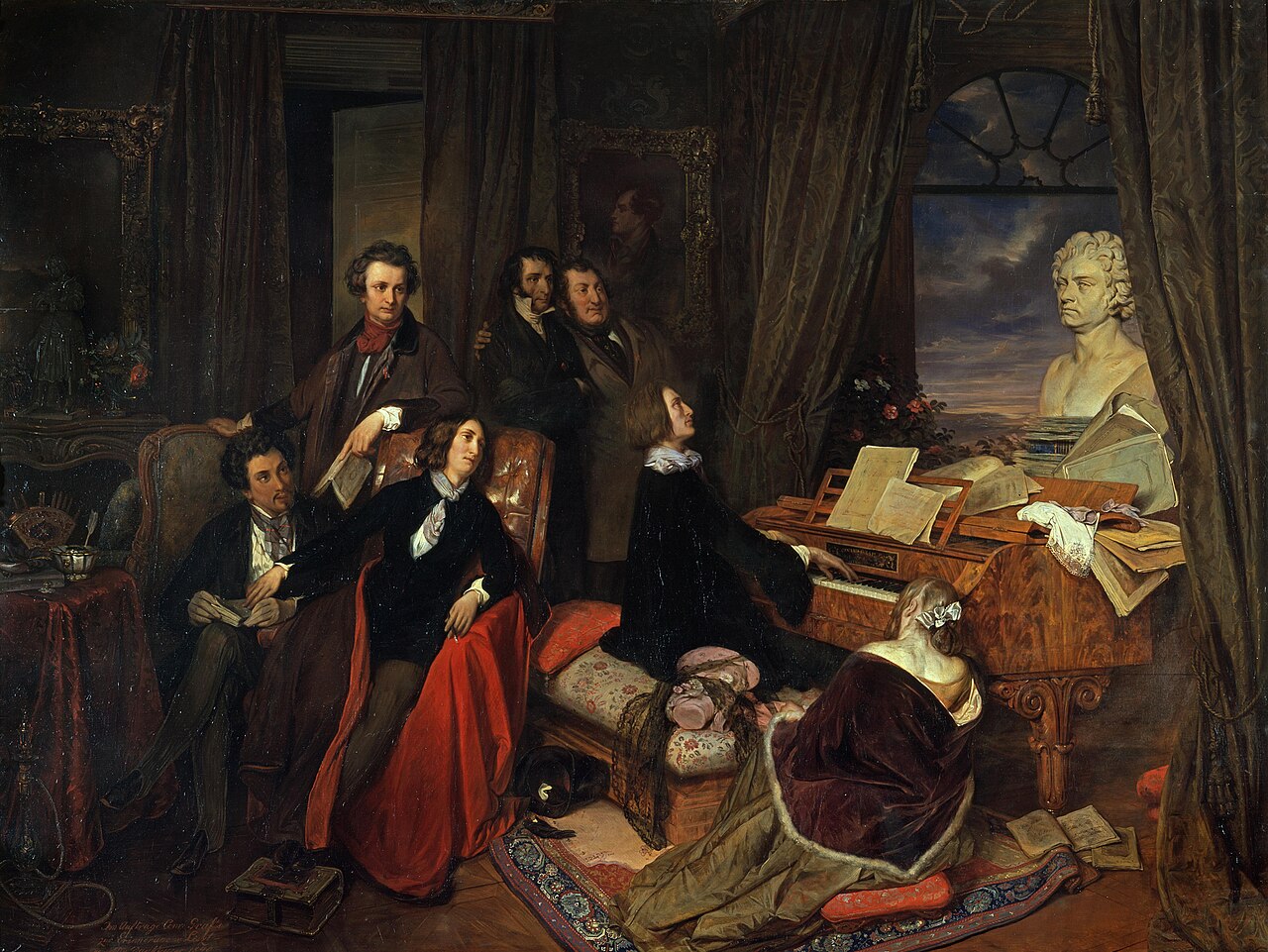 Painting
Secondary source
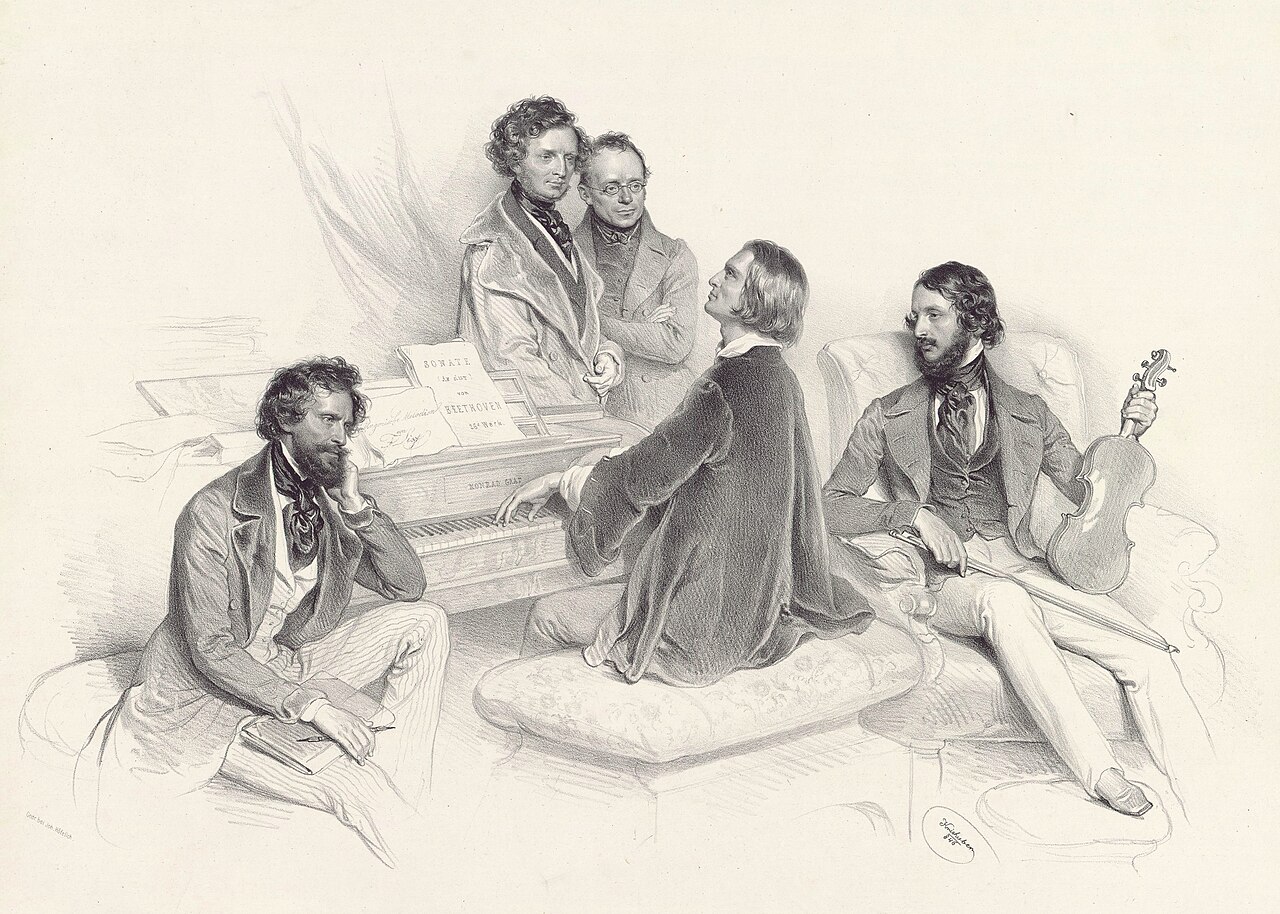
Liszt at the Piano
Josef Danhauser · 1840
Secondary source
Life of Chopin
Franz Liszt · 1852
 Painting
Primary source
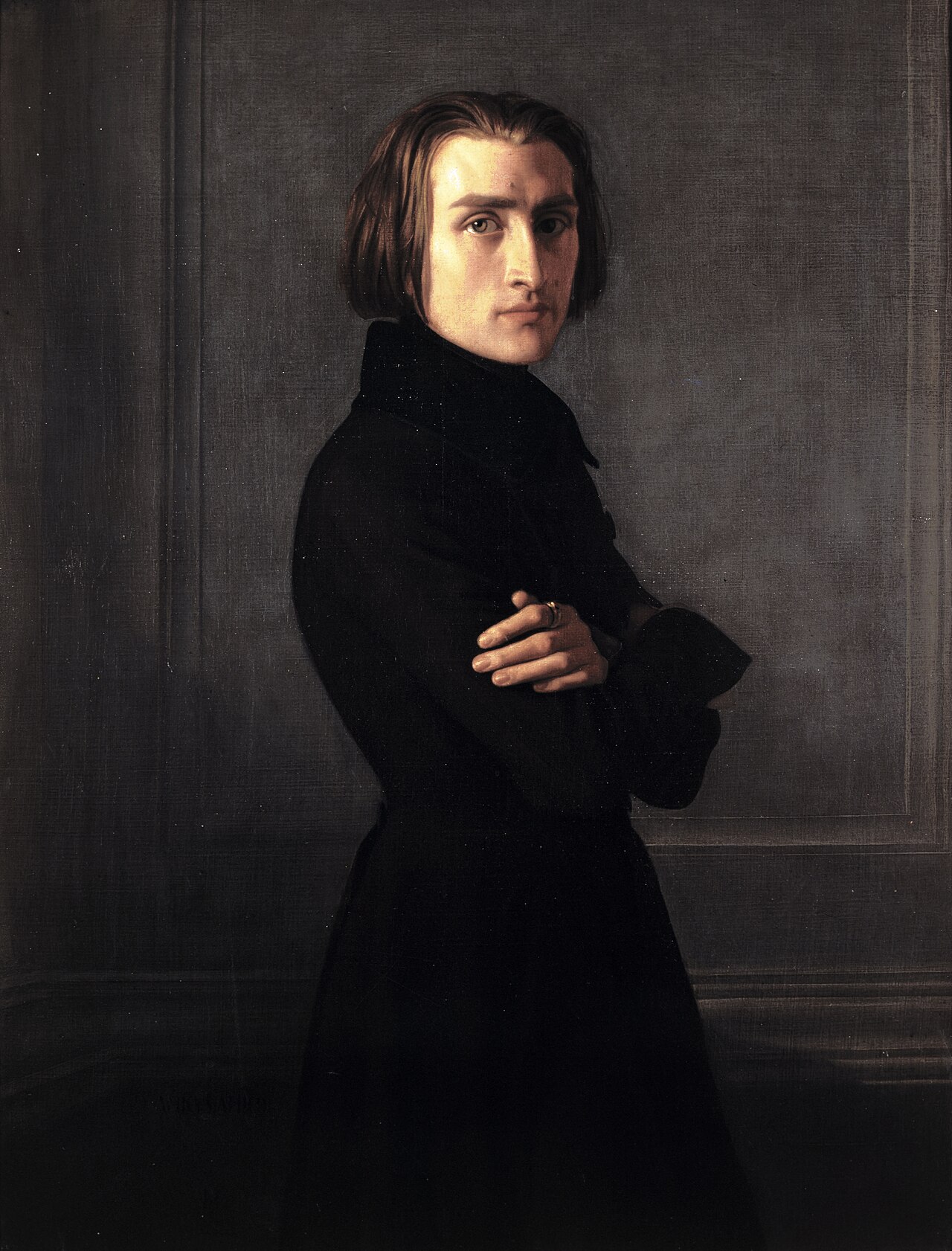
Portrait of Franz Liszt
Henri Lehmann · 1839
 Painting
Primary source
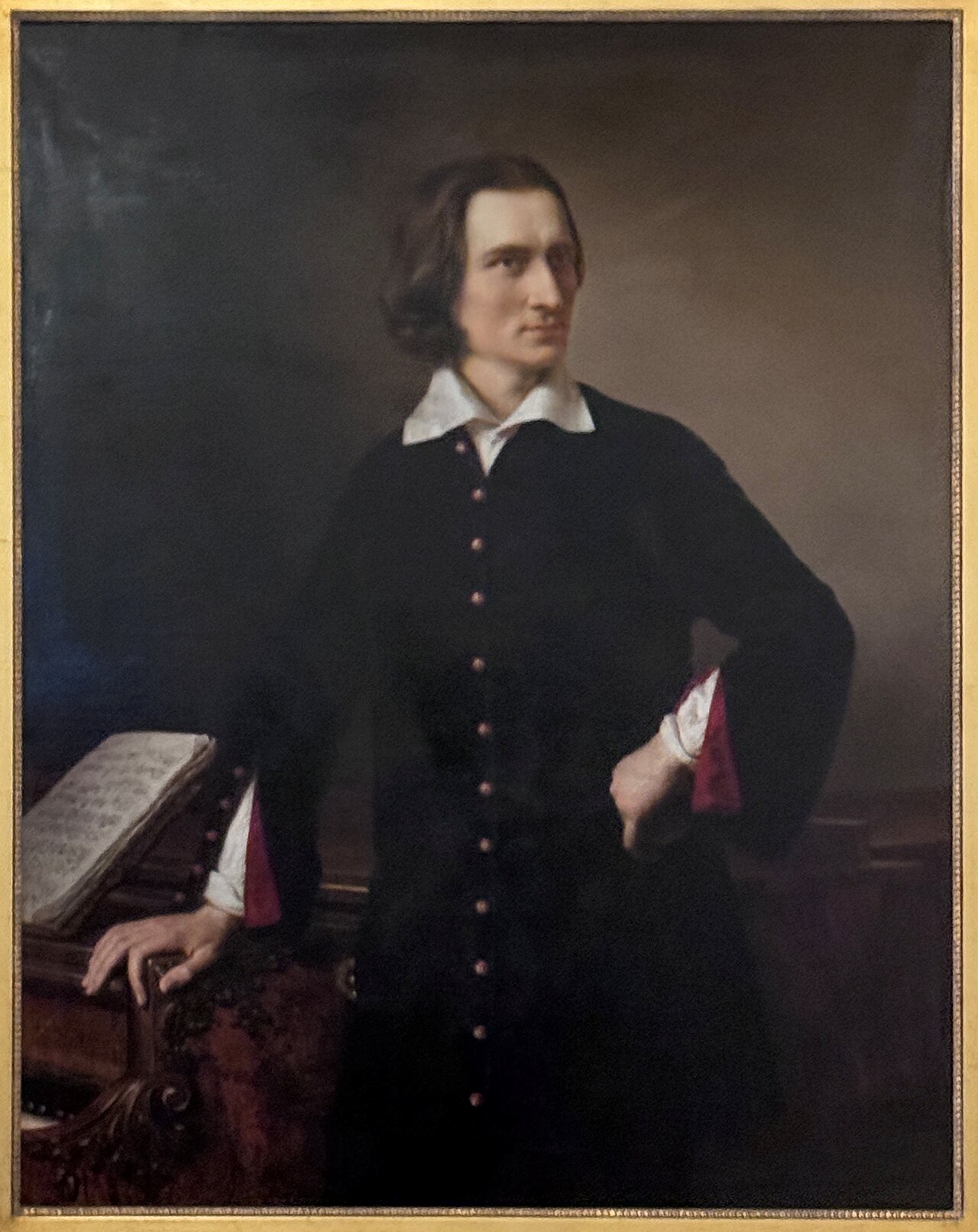
Portrait of Franz Liszt
Miklós Barabás · 1847

Free account
Read every Franz Liszt source
Sign up free →
Ready when you are
Start chatting with Franz Liszt now.
20 messages free · No credit card · Available in 50+ languages.