


Primary sourcePhotograph28 January 1986
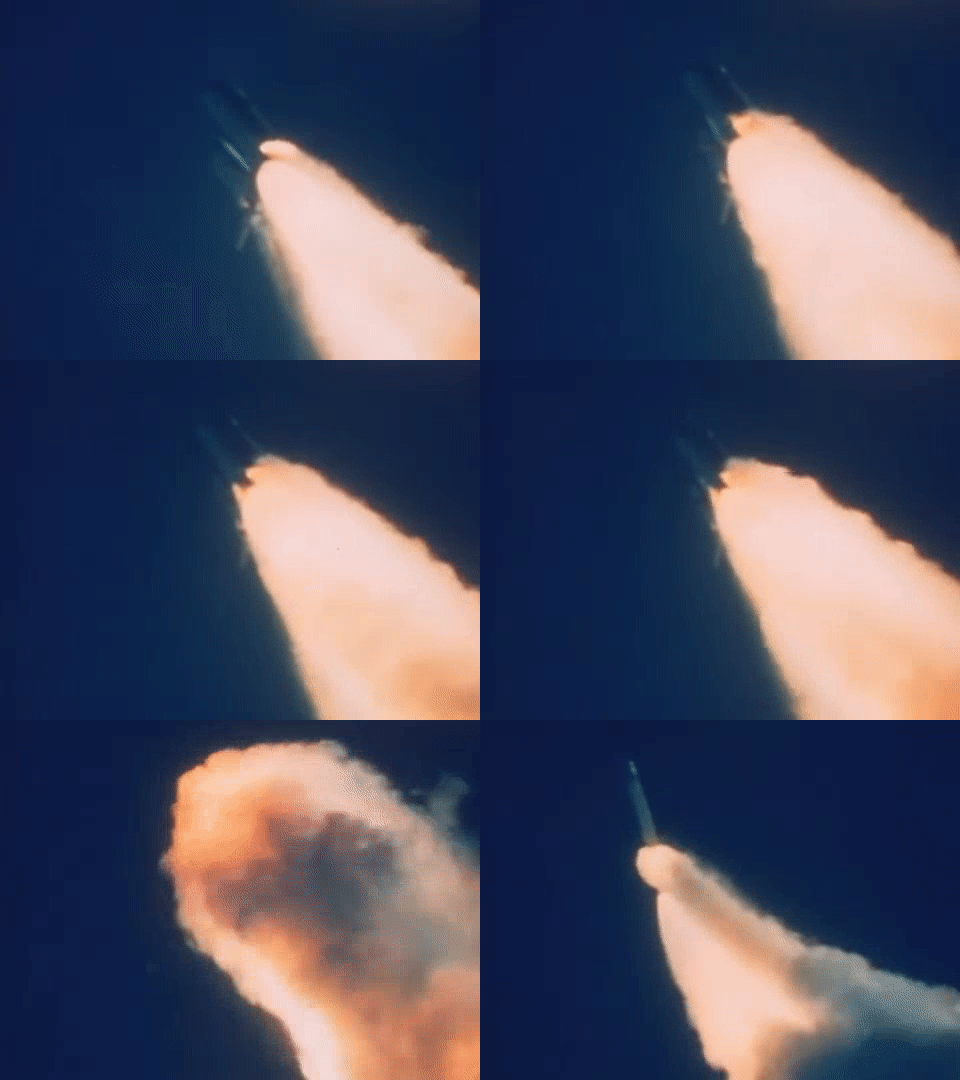
Tracking Camera Footage of the Challenger Launch, STS-51-L
NASA · 28 January 1986
NASA tracking camera footage of the Space Shuttle Challenger's launch on January 28, 1986, the mission on which Christa McAuliffe died.
This footage documents the launch of the mission on which McAuliffe died, capturing the technical failure that caused the disaster.
About this source
What it is
This is a still frame from NASA tracking camera footage (camera E-207) of the liftoff of Space Shuttle Challenger, mission STS-51-L, on January 28, 1986. The footage captured the rocket plume piercing the external fuel tank, a moment connected to the disaster that followed.
Why it matters
This is primary footage from the actual launch that killed Christa McAuliffe and her six crewmates. It documents the technical failure that led to the explosion, making it a crucial piece of evidence used in investigations and a stark visual record of the tragedy.
Look closer
- What can you actually see in this still frame, and what might be happening just before or after this moment?
- Why would NASA have multiple tracking cameras recording a launch?
- How does seeing this footage differ from reading about the disaster in words?
This photograph is part of the curated material that grounds the AI version of Christa McAuliffe on Humy.ai — when students ask about related events, the AI can quote it and cite it.
More Christa McAuliffe sources
Meet the AI Christa McAuliffe →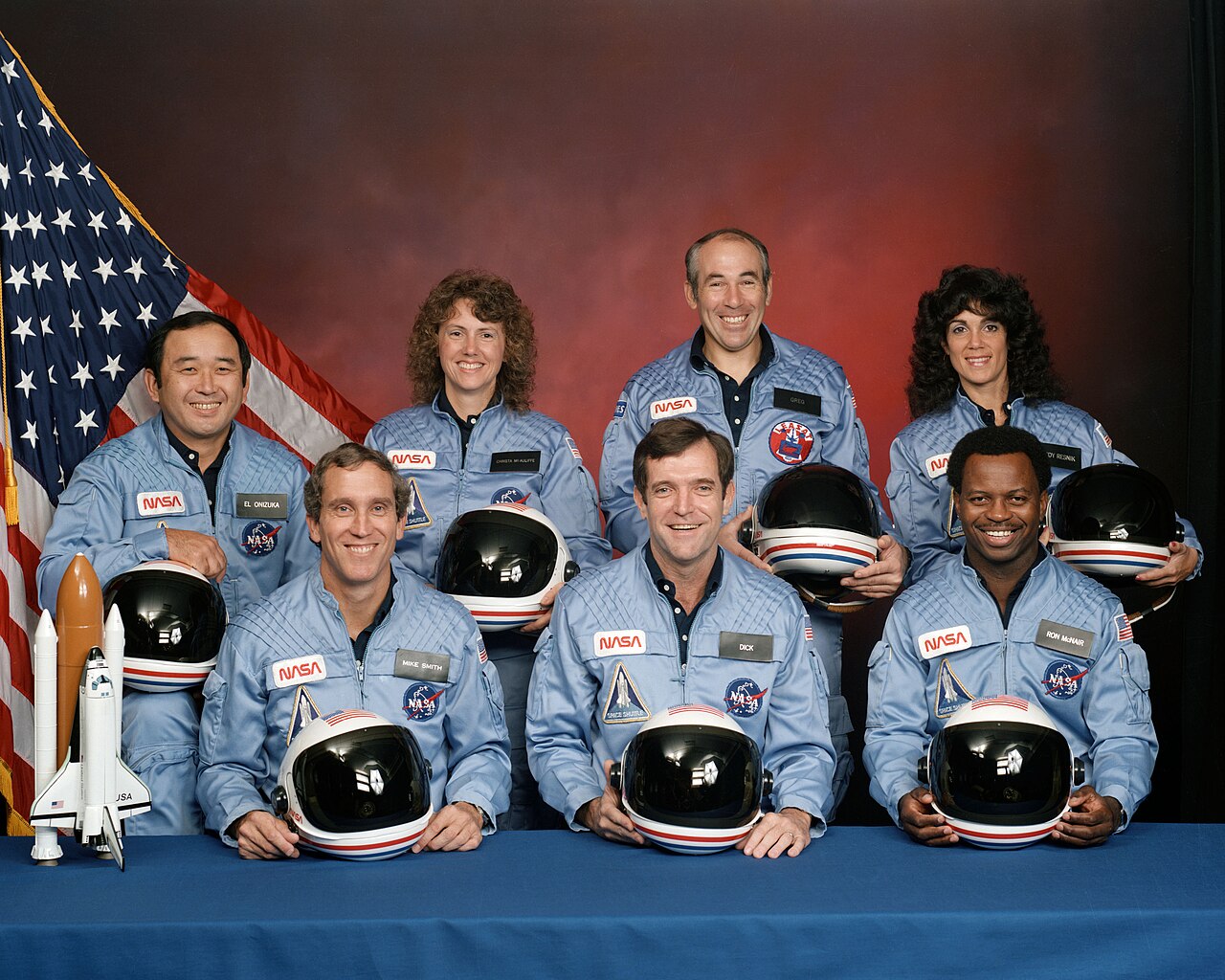 Photograph
Primary source
Challenger Flight 51-L Crew Portrait
NASA · 15 November 1985
 Speech
Primary source
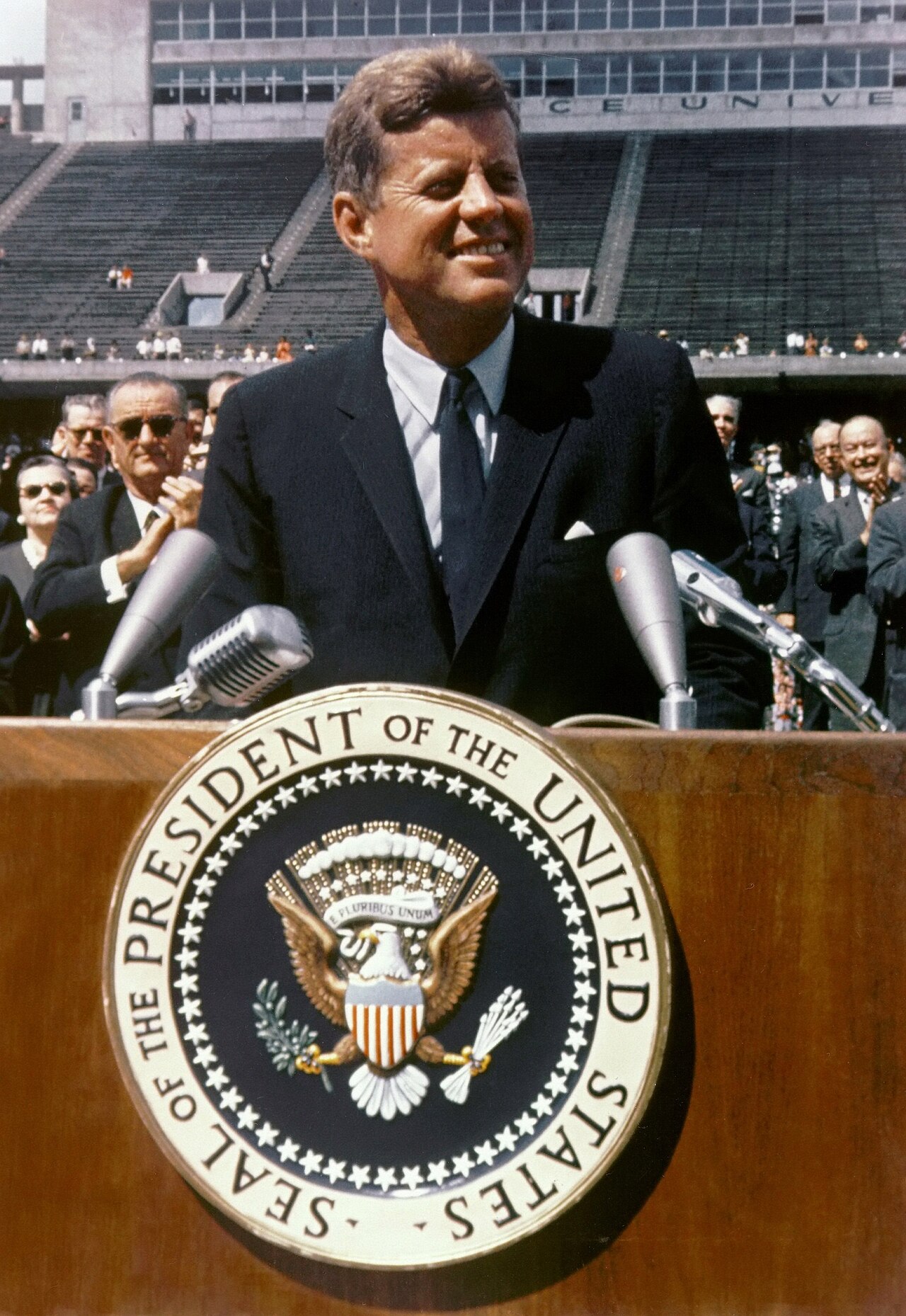
We choose to go to the Moon
John F. Kennedy · 12 September 1962
 Photograph
Primary source
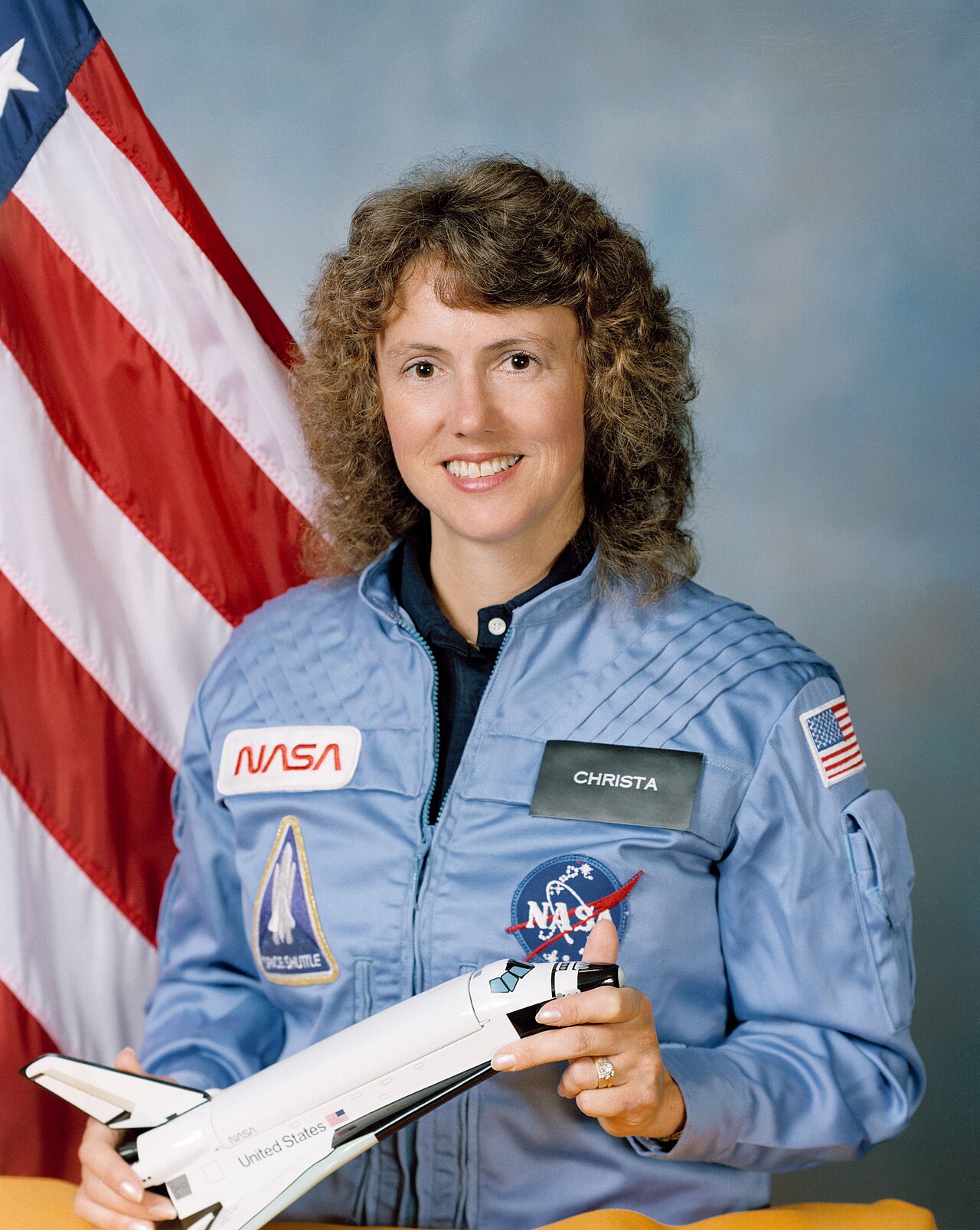
Christa McAuliffe NASA Portrait
NASA
Primary source
Announcement of the First Teacher in Space
White House Television Office · 19 July 1985
 Photograph
Primary source
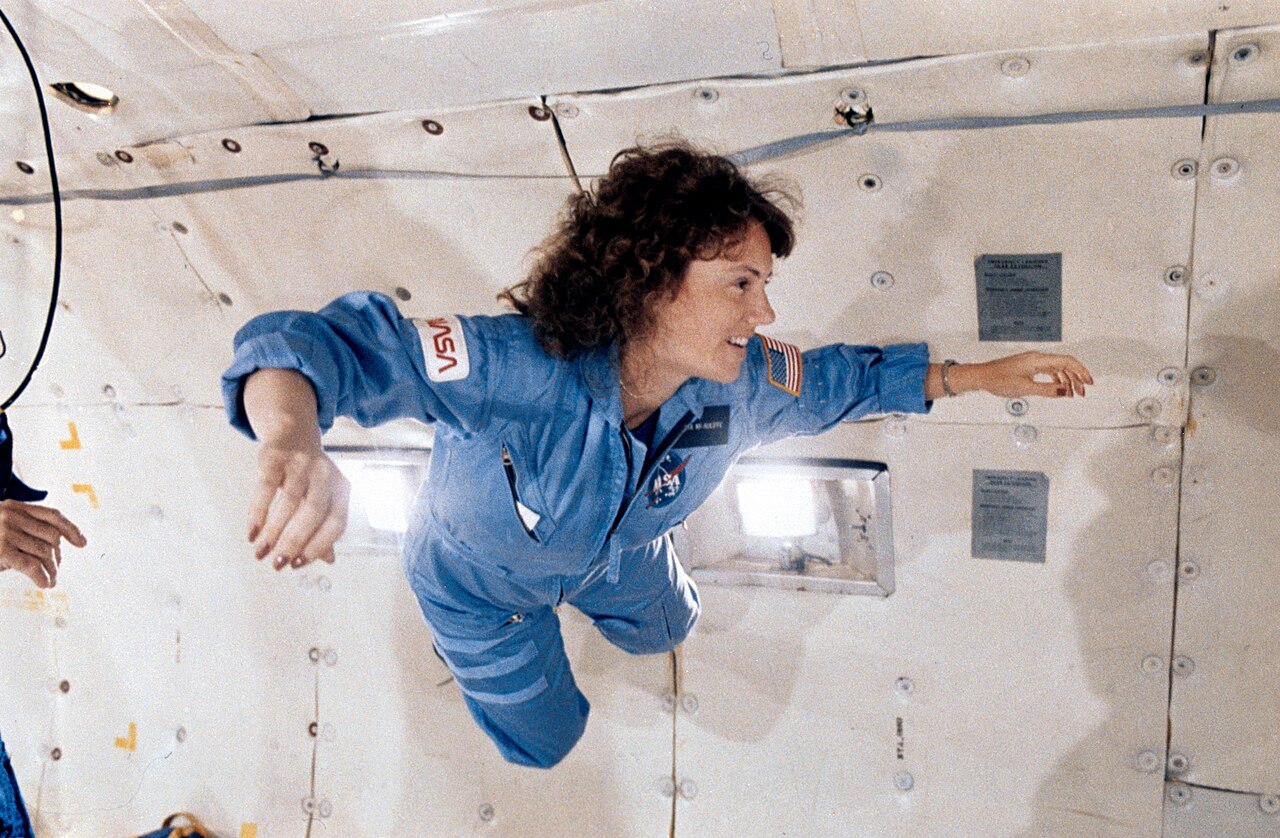
Christa McAuliffe in Zero-Gravity Training
NASA · 8 January 1986
Ready when you are
Start chatting with Christa McAuliffe now.
20 messages free · No credit card · Available in 50+ languages.