


Primary sourceDocument1919
Tradition and the Individual Talent
T. S. Eliot · 1919
Eliot's 1919 essay arguing that great poetry comes from a poet's absorption into literary tradition, not personal expression.
This essay lays out Eliot's own influential theory of poetry and criticism, central to understanding his work as a writer.
Free Humy account · No credit card · 120,912 sources to read
About this source
What it is
A critical essay written by T. S. Eliot, first published in 1919 in The Egoist and later collected in his book The Sacred Wood (1920).
Why it matters
In this essay Eliot argues that a poet should submerge personal feeling into the wider tradition of literature stretching back to Homer, comparing the poet to a catalyst rather than a source of original emotion. This 'impersonal theory' of poetry became hugely influential on how critics and writers thought about originality and tradition in the twentieth century, and shows Eliot's double career as both poet and critic.
Look closer
- Why might Eliot have wanted to downplay the personal emotions of the poet?
- What does Eliot mean by comparing the poet to a chemical catalyst?
- Do you think a writer can ever really escape expressing their own feelings?
This document is part of the curated material that grounds the AI version of T. S. Eliot on Humy.ai — when students ask about related events, the AI can quote it and cite it.
More T. S. Eliot sources
Browse all 45 →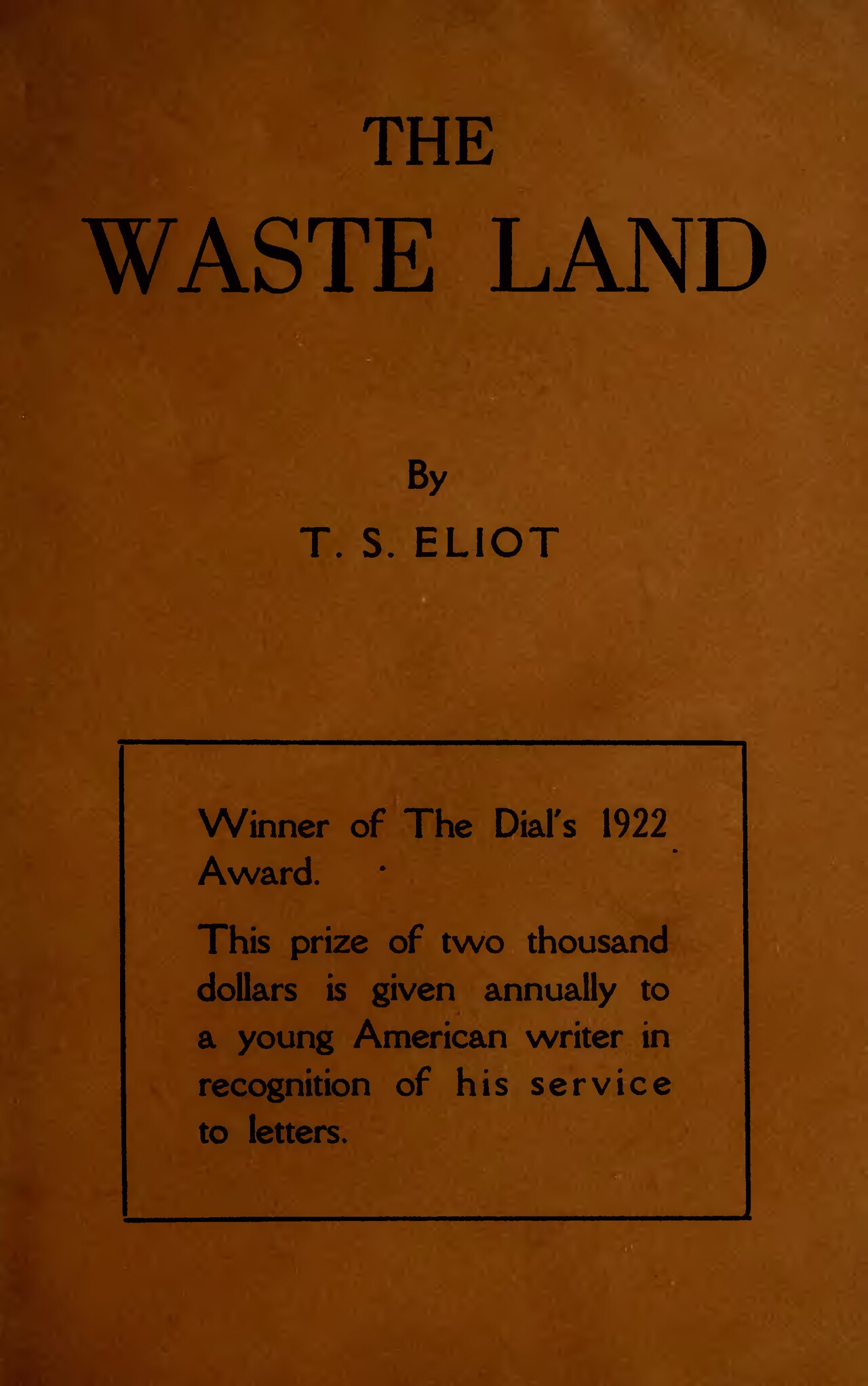 Book
Primary source
The Waste Land
T. S. Eliot · 1922
Primary source
Prufrock and Other Observations
T. S. Eliot · 1917
Primary source
Ash Wednesday
T. S. Eliot · 1930
Primary source
Preludes
T. S. Eliot · c. 1910-1911 (published 1915)

Free account
Read every T. S. Eliot source
Sign up free →
Ready when you are
Start chatting with T. S. Eliot now.
20 messages free · No credit card · Available in 50+ languages.